Security Debt Any For Dummies In Oakland
Description

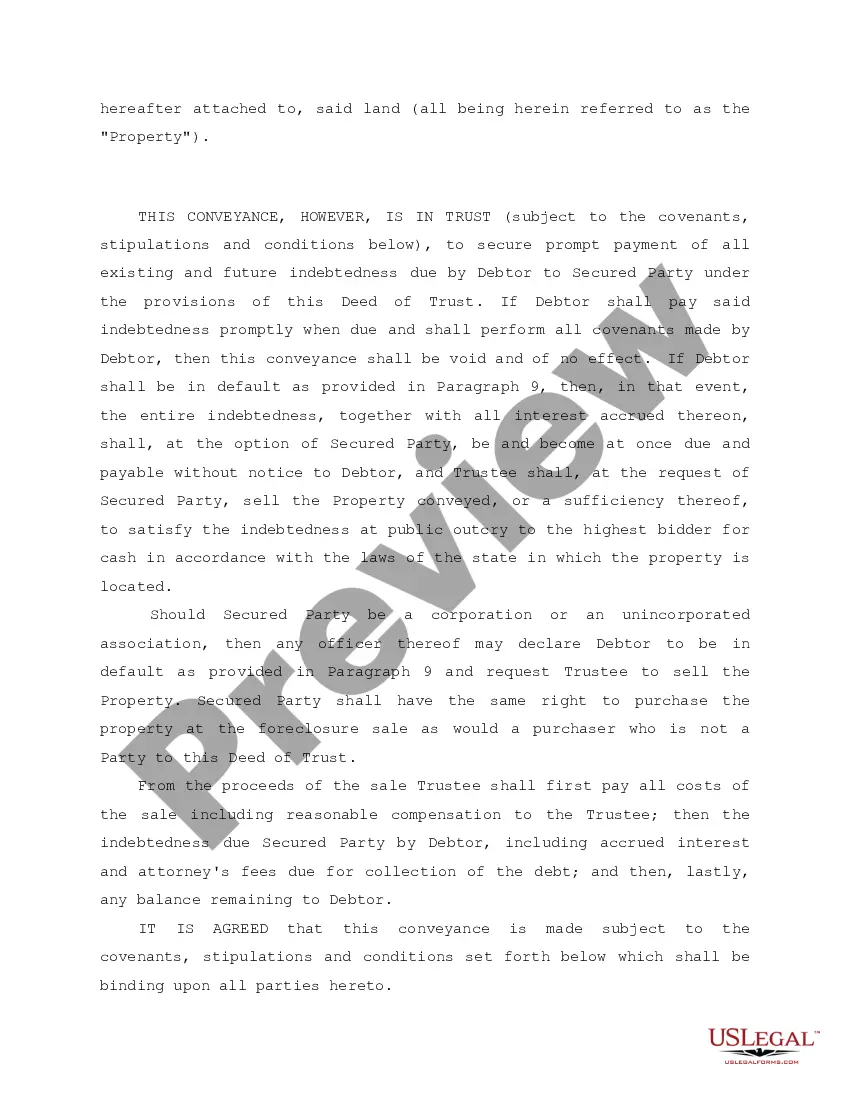
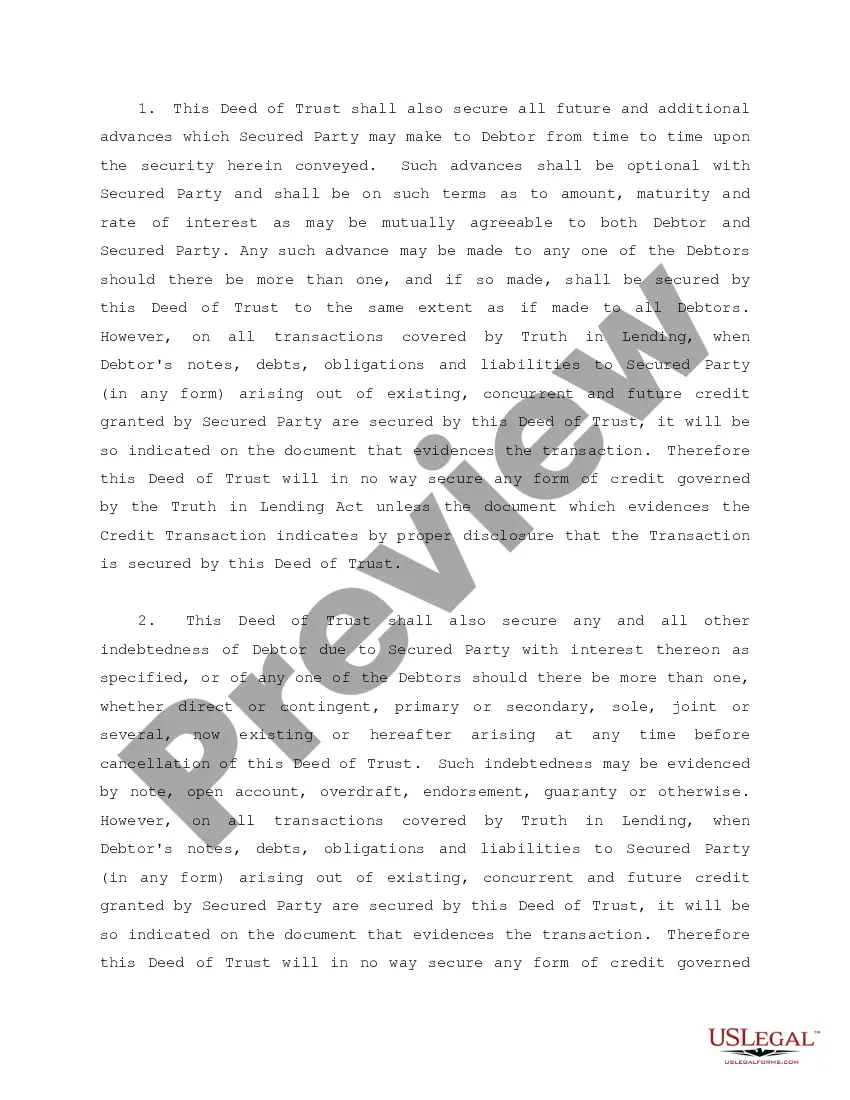
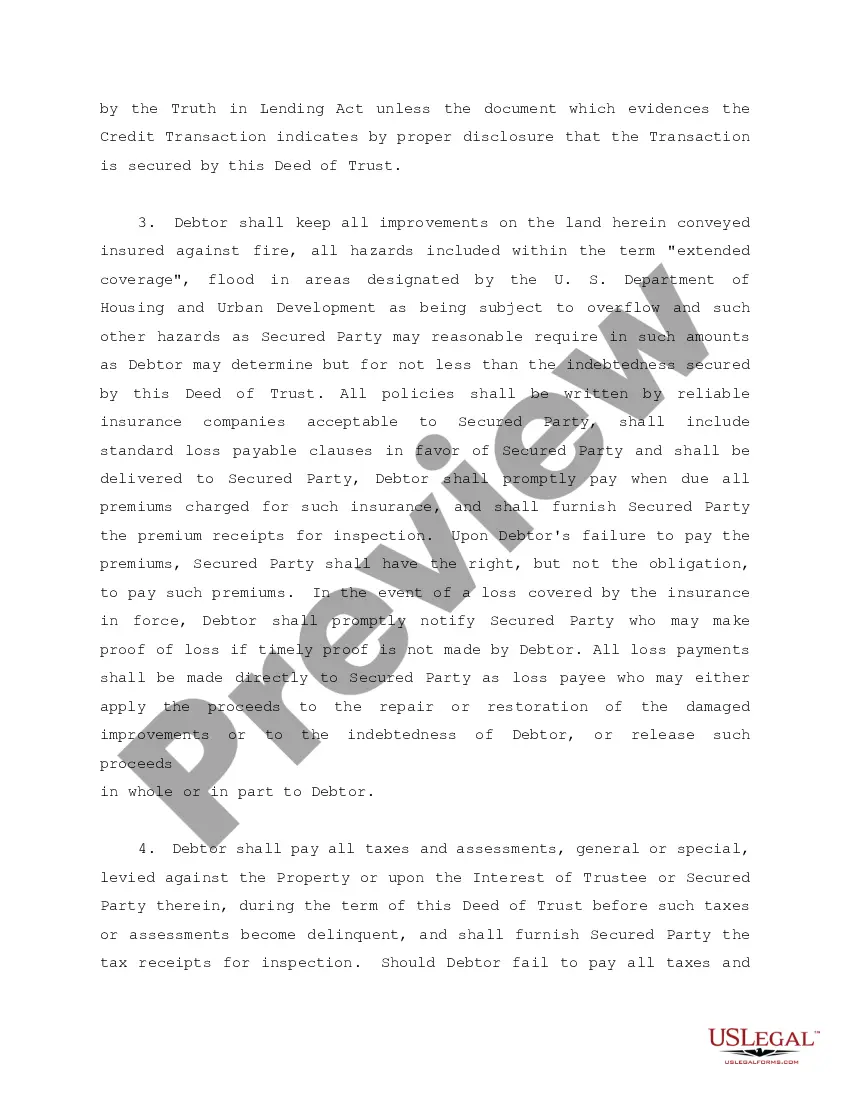
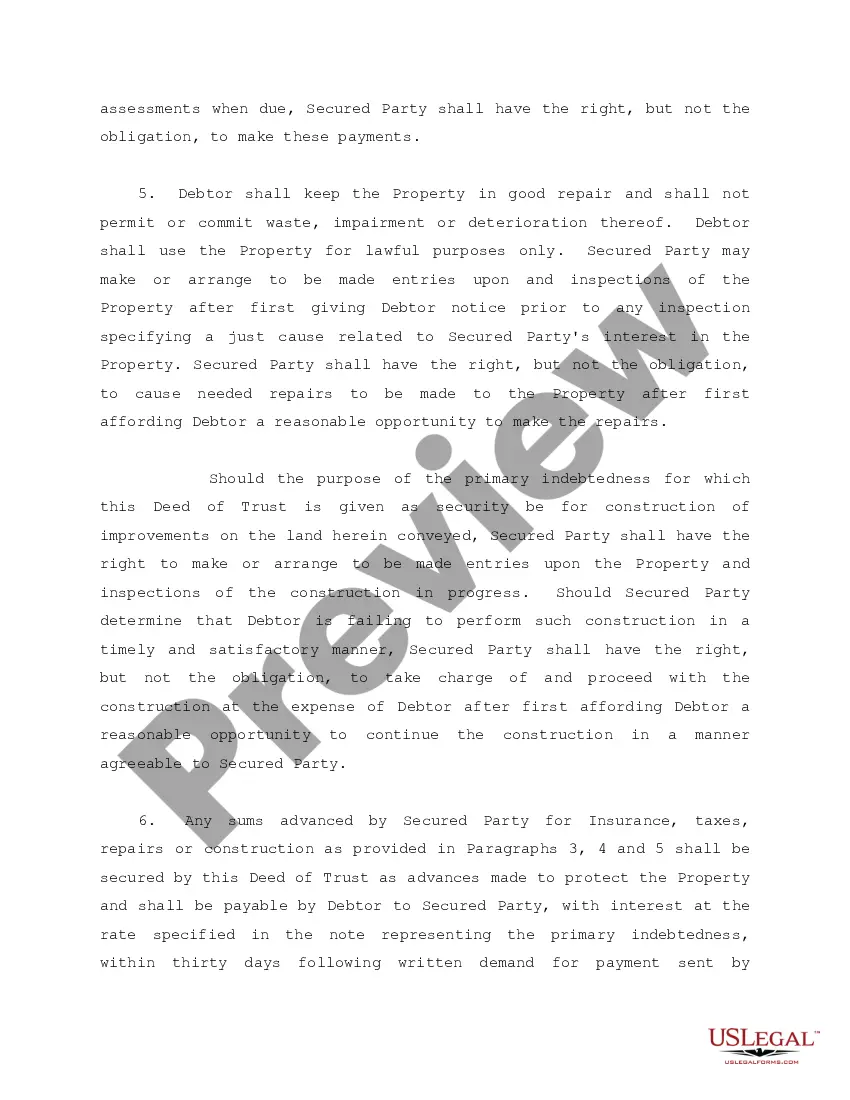
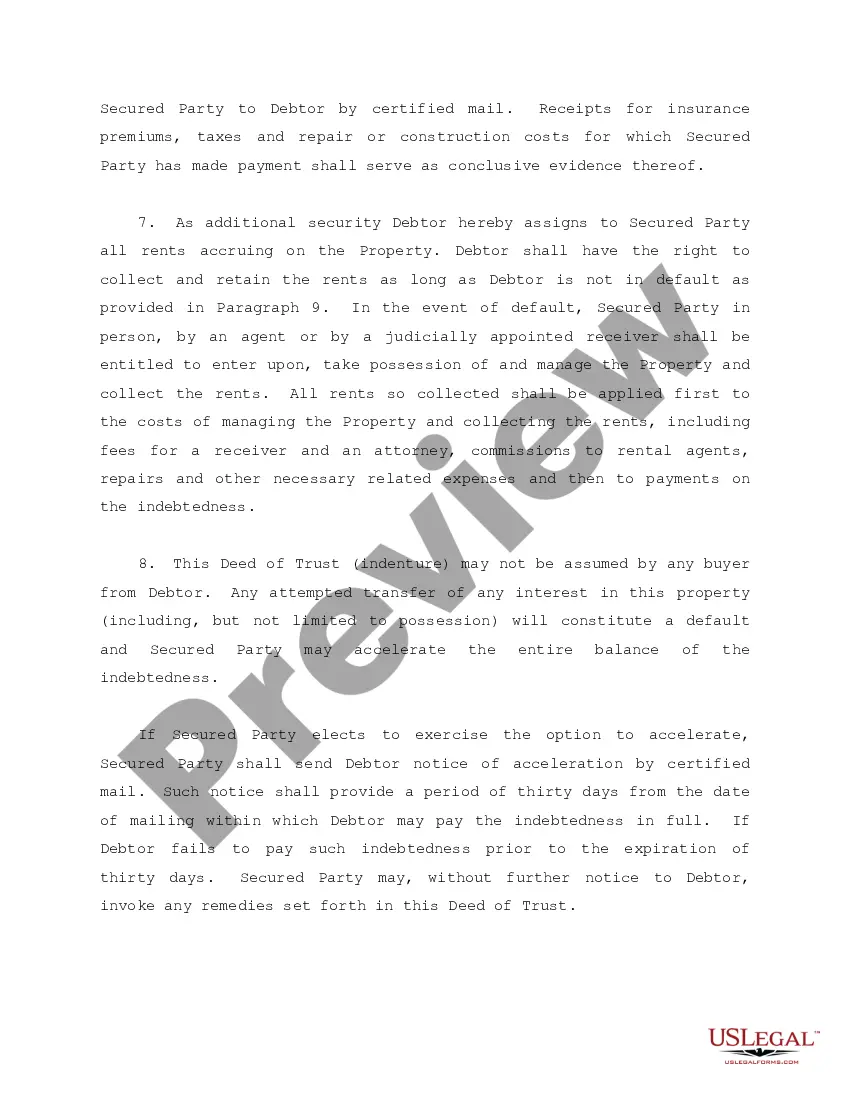
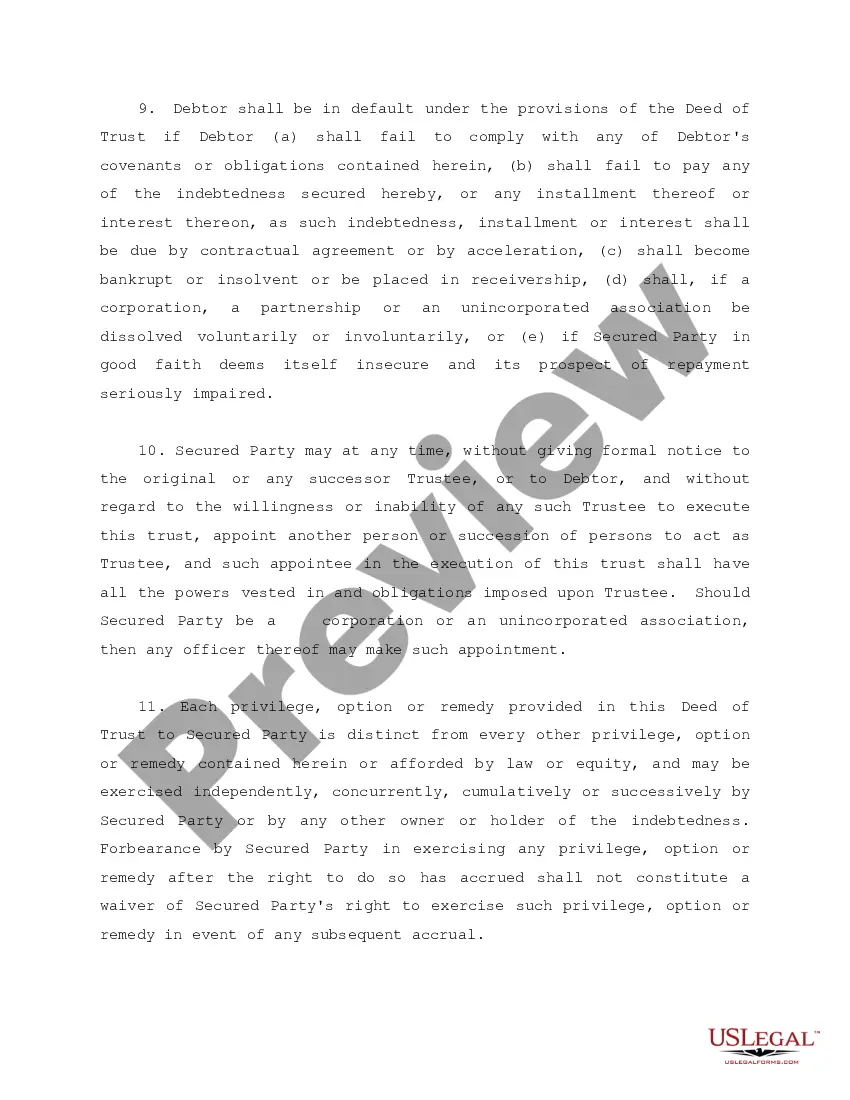
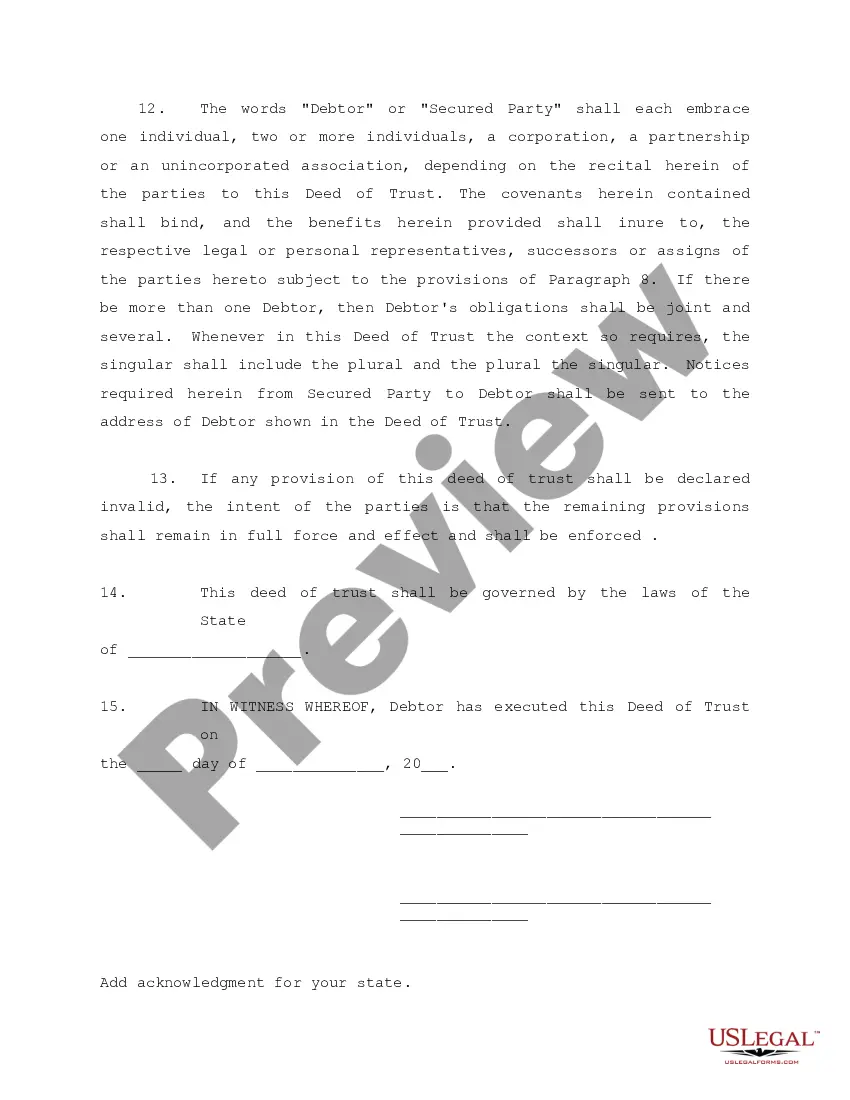
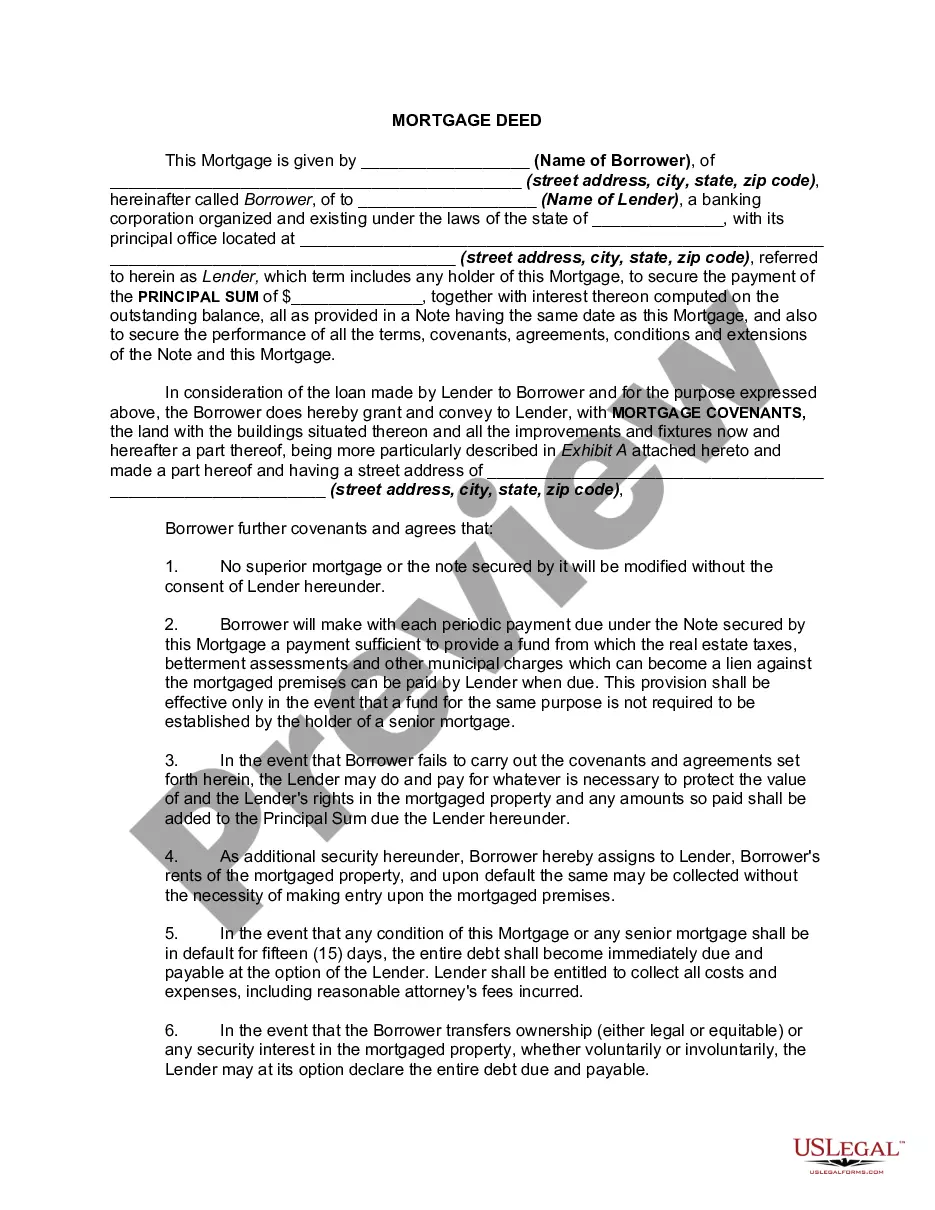

Get your form ready online
Our built-in tools help you complete, sign, share, and store your documents in one place.
Make edits, fill in missing information, and update formatting in US Legal Forms—just like you would in MS Word.
Download a copy, print it, send it by email, or mail it via USPS—whatever works best for your next step.
Sign and collect signatures with our SignNow integration. Send to multiple recipients, set reminders, and more. Go Premium to unlock E-Sign.
If this form requires notarization, complete it online through a secure video call—no need to meet a notary in person or wait for an appointment.
We protect your documents and personal data by following strict security and privacy standards.

Make edits, fill in missing information, and update formatting in US Legal Forms—just like you would in MS Word.

Download a copy, print it, send it by email, or mail it via USPS—whatever works best for your next step.

Sign and collect signatures with our SignNow integration. Send to multiple recipients, set reminders, and more. Go Premium to unlock E-Sign.

If this form requires notarization, complete it online through a secure video call—no need to meet a notary in person or wait for an appointment.

We protect your documents and personal data by following strict security and privacy standards.
Looking for another form?




Form popularity
FAQ
If the landlord doesn't return the entire security deposit within 21 days or the tenant doesn't agree with the deductions they can write a letter asking the landlord to return the security deposit. The tenant should keep a copy of the letter for their records.
Normal wear and tear generally refers to the expected deterioration of a rental unit as a result of the tenant's everyday use. This can include things like loose doorknobs, worn out carpet, and minor scratches on the walls and floors.
If the landlord doesn't return the entire security deposit within 21 days or the tenant doesn't agree with the deductions they can write a letter asking the landlord to return the security deposit. The tenant should keep a copy of the letter for their records.
Failure to return the security deposit as required by law may be considered a bad faith retention of the deposit and may subject you to statutory damages of up to twice the amount of the security deposit, in addition to actual damages. California Civil Code § 1950.5(l).
Deposit Returns After the renter vacates the rental unit in California, the landlord has 21 calendar days to refund the tenant's security deposit. The landlord does not need to return the security deposit earlier than: 60 calendar days before the expiration of the lease.
The law limits the amount of security deposits. o Until July 1, 2024, the limit is two times the monthly rent (or, for furnished units, three times the rent). o After July 1, 2024, the limit is one month's rent.
California. California law stipulates that a holding deposit becomes non-refundable if a prospective tenant fails to occupy the unit after agreeing to do so. However, landlords must provide tenants with a written holding deposit agreement detailing the conditions under which the deposit may be retained.
