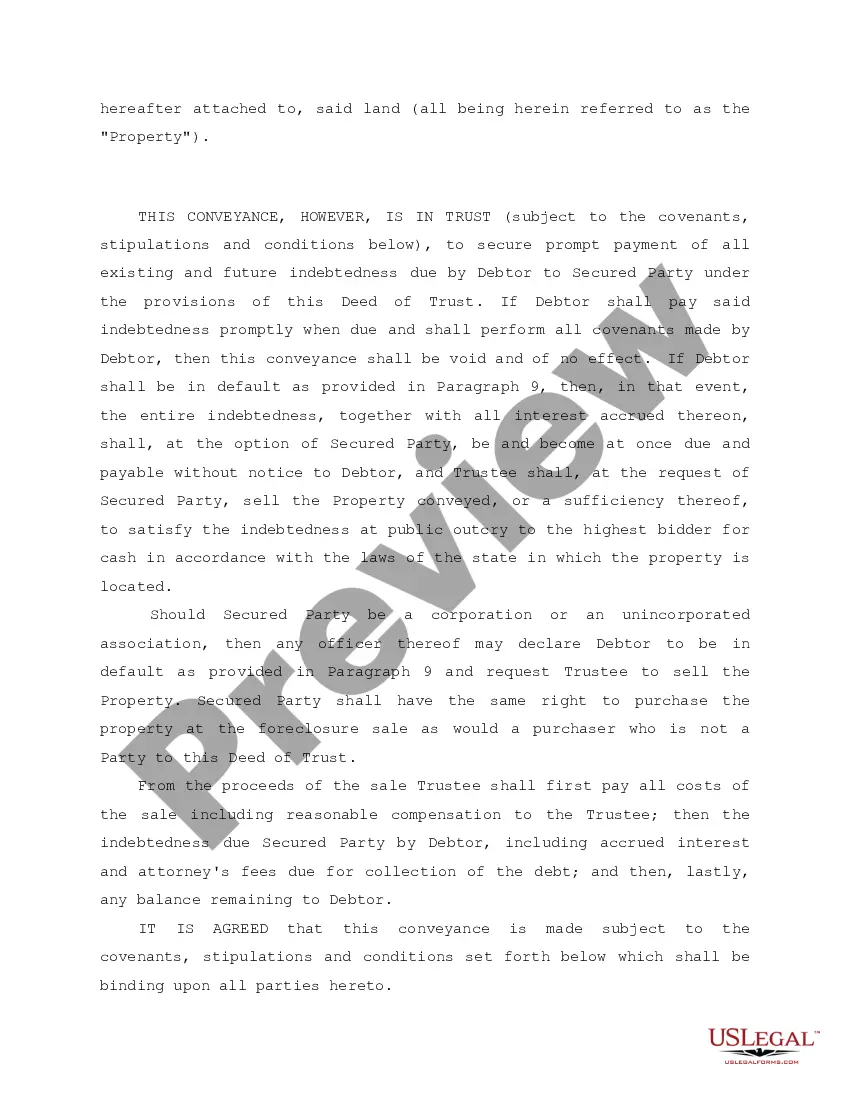
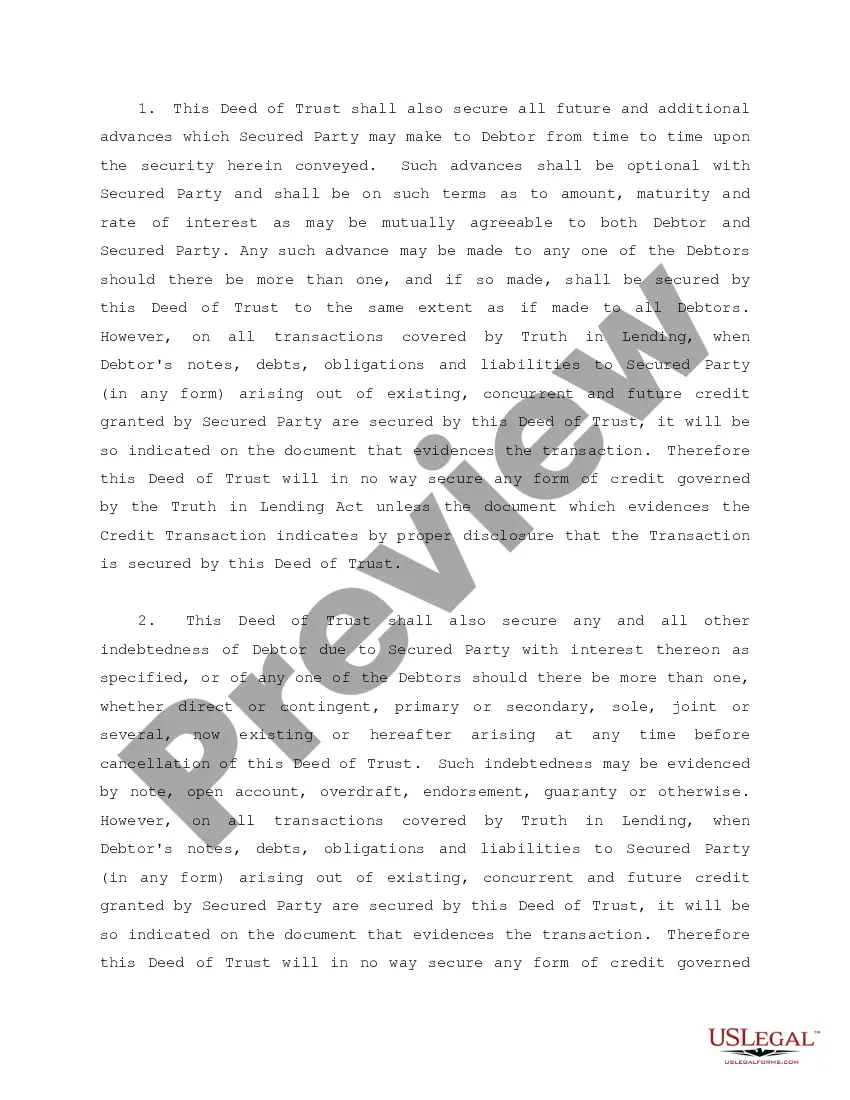
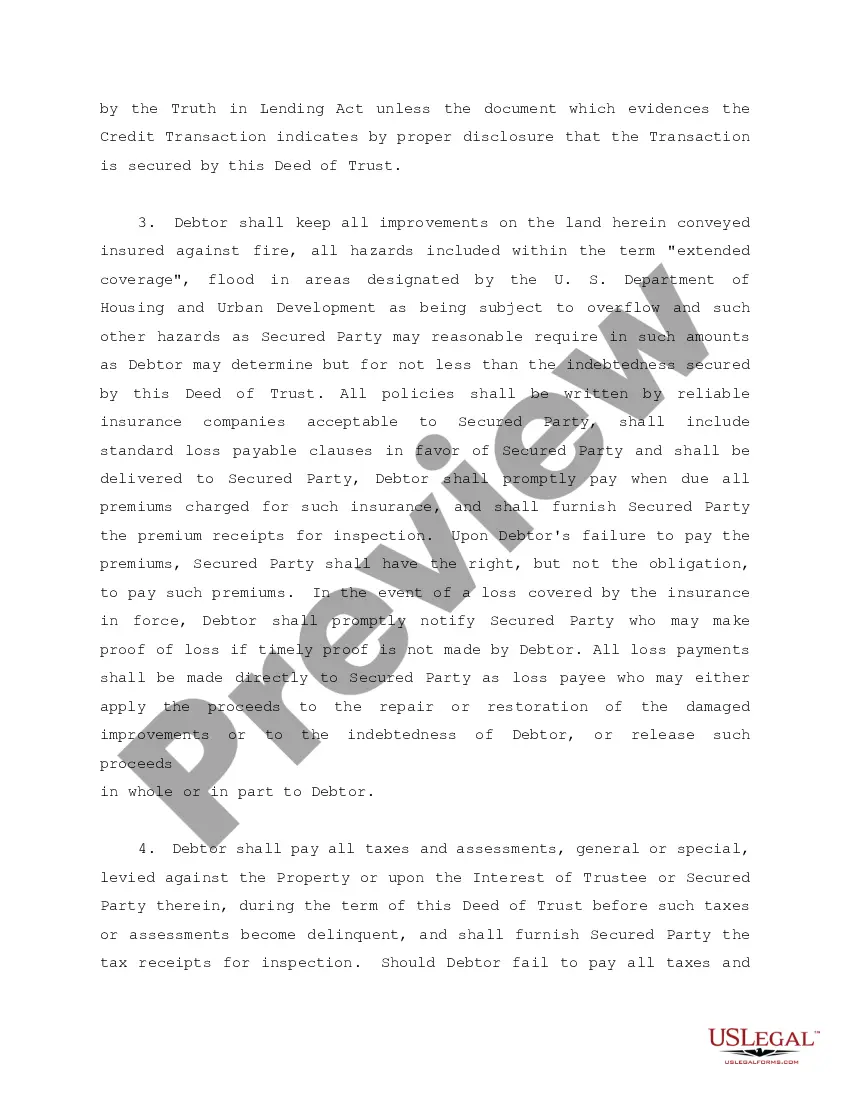
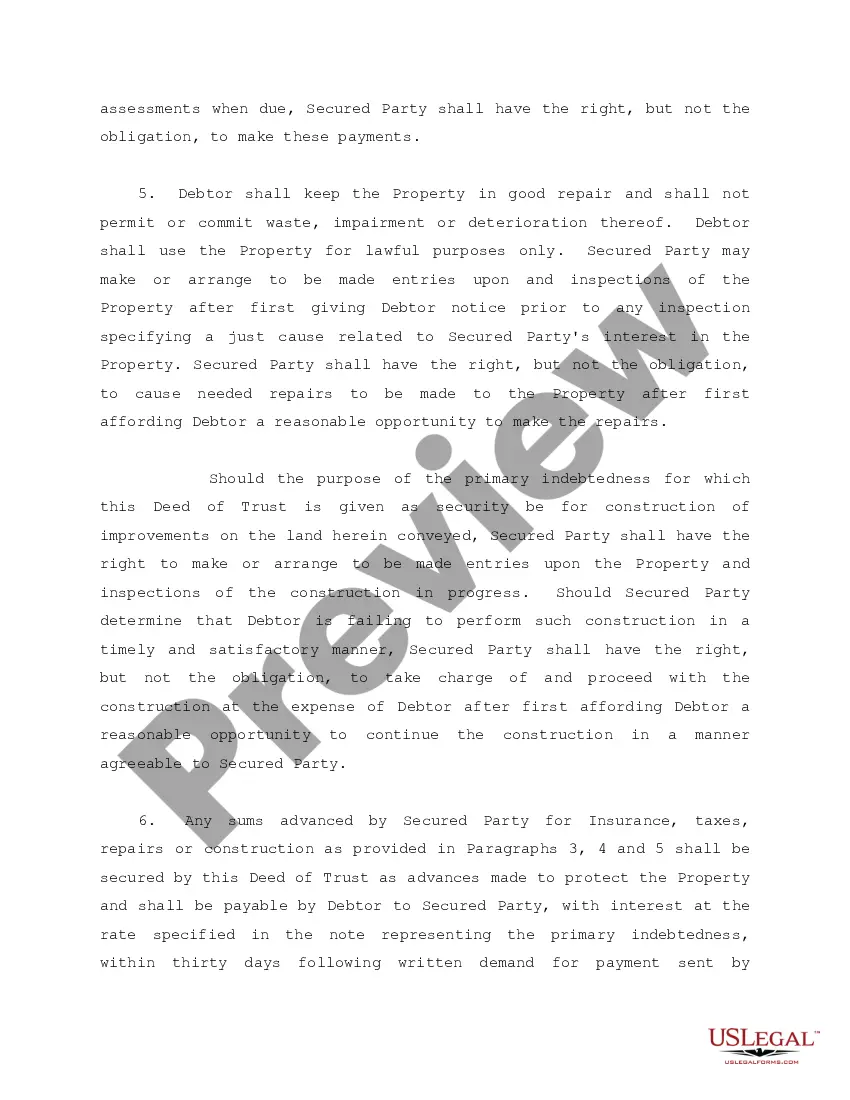
Secured Debt Shall For Bad Credit In Oakland
Description


Get your form ready online
Our built-in tools help you complete, sign, share, and store your documents in one place.
Make edits, fill in missing information, and update formatting in US Legal Forms—just like you would in MS Word.
Download a copy, print it, send it by email, or mail it via USPS—whatever works best for your next step.
Sign and collect signatures with our SignNow integration. Send to multiple recipients, set reminders, and more. Go Premium to unlock E-Sign.
If this form requires notarization, complete it online through a secure video call—no need to meet a notary in person or wait for an appointment.
We protect your documents and personal data by following strict security and privacy standards.

Make edits, fill in missing information, and update formatting in US Legal Forms—just like you would in MS Word.

Download a copy, print it, send it by email, or mail it via USPS—whatever works best for your next step.

Sign and collect signatures with our SignNow integration. Send to multiple recipients, set reminders, and more. Go Premium to unlock E-Sign.

If this form requires notarization, complete it online through a secure video call—no need to meet a notary in person or wait for an appointment.

We protect your documents and personal data by following strict security and privacy standards.
Looking for another form?







Form popularity
FAQ
There is no minimum amount of debt you must be in to file for Chapter 13 bankruptcy. However, your combined secured and unsecured debt cannot exceed $2,750,000 on your filing date, per the United States Courts. Chapter 13 allows you to create a plan to repay your debt given that you make a consistent income.
Chapter 13 Eligibility Any individual, even if self-employed or operating an unincorporated business, is eligible for chapter 13 relief as long as the individual's combined total secured and unsecured debts are less than $2,750,000 as of the date of filing for bankruptcy relief.
An individual cannot file under chapter 13 or any other chapter if, during the preceding 180 days, a prior bankruptcy petition was dismissed due to the debtor's willful failure to appear before the court or comply with orders of the court or was voluntarily dismissed after creditors sought relief from the bankruptcy ...
The court may deny an individual debtor's discharge in a chapter 7 or 13 case if the debtor fails to complete "an instructional course concerning financial management." The Bankruptcy Code provides limited exceptions to the "financial management" requirement if the U.S. trustee or bankruptcy administrator determines ...
You could be disqualified from filing bankruptcy if: The court dismissed your bankruptcy in the past 180 days. You committed fraud. You received a bankruptcy discharge in the past.
If you file for a Chapter 7 bankruptcy, your secured debt may be discharged, but the lender is also able to repossess the property that secured the debt. In other words, if you have a mortgage on your home and file a Chapter 7 bankruptcy, the mortgage debt may be discharged but the lender can take back your home.
Unlike Chapter 7 bankruptcy, there is no means test to see whether your income is too high to file for a Chapter 13 bankruptcy. Rather, the courts will see if your income is too low to repay the debt (more on this below).
While no minimum amount of debt is required to file bankruptcy, the fees and financial ramifications make this an unappealing option for smaller debts. Bankruptcy is typically best reserved for borrowers with over $10,000 in dischargeable debt — and only after considering less invasive debt relief options.
Yes, debt consolidation with bad credit is possible, but it may be more difficult to obtain than if you had good credit. With bad credit, you may have limited options for debt consolidation, as lenders may view you as a higher risk borrower.
Yes, debt consolidation with bad credit is possible, but it may be more difficult to obtain than if you had good credit. With bad credit, you may have limited options for debt consolidation, as lenders may view you as a higher risk borrower.