Secured Debt Shall For Loan In Nassau
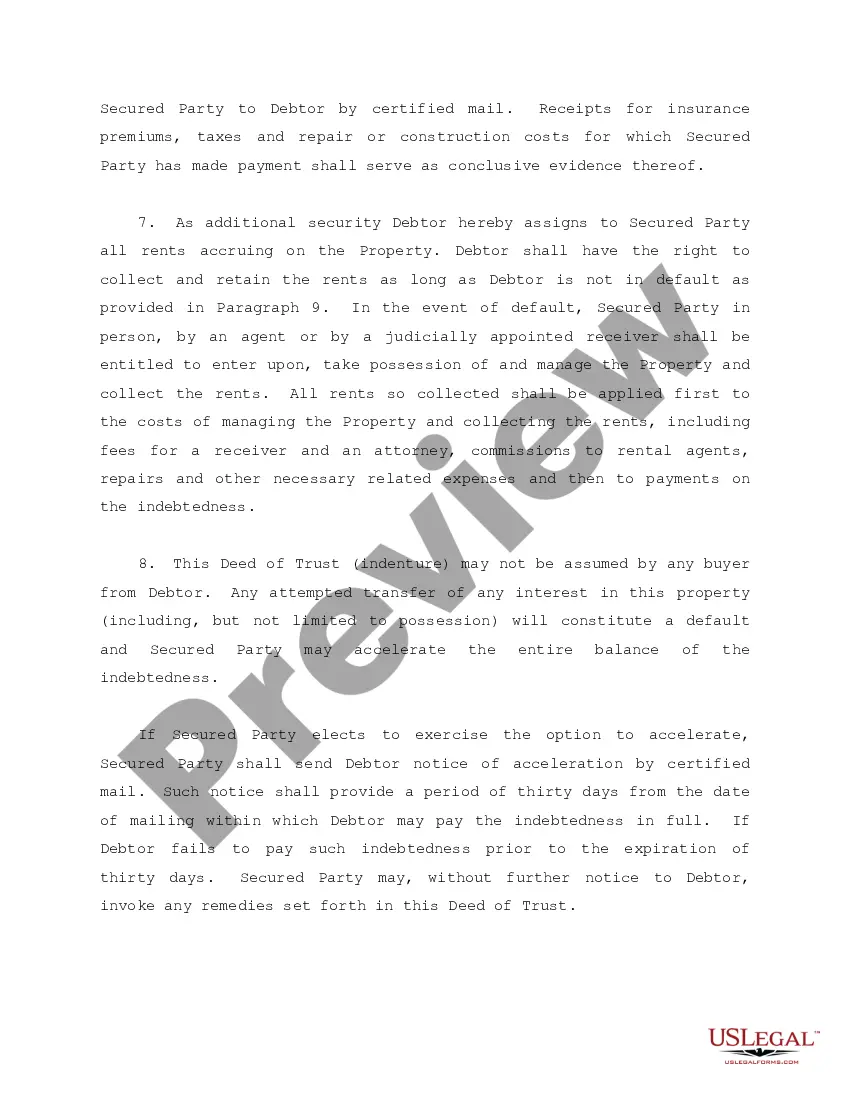
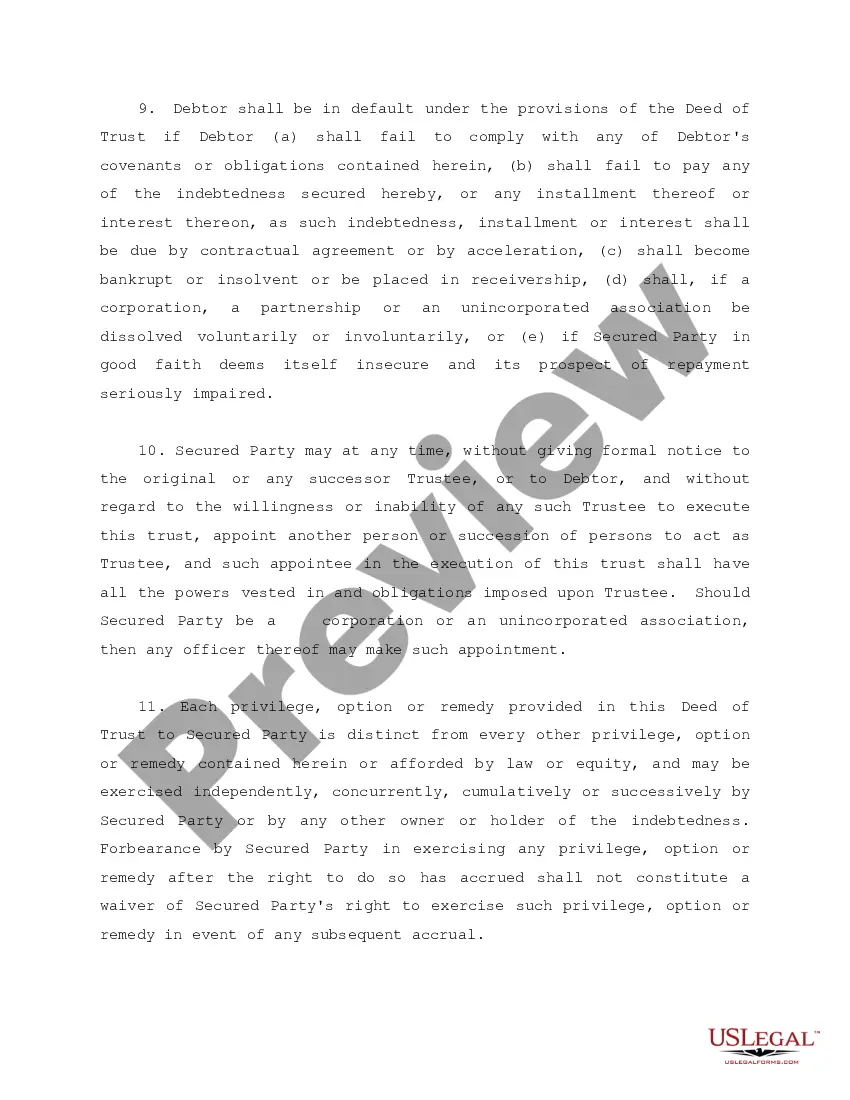
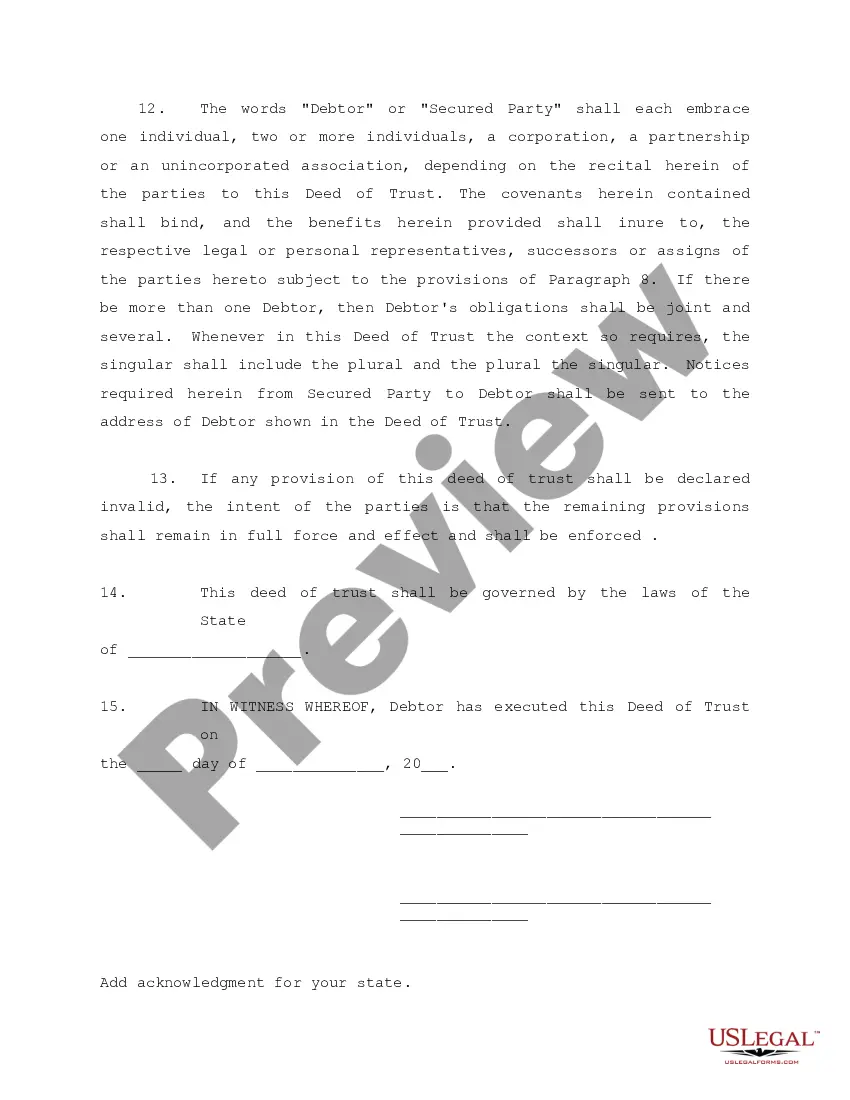
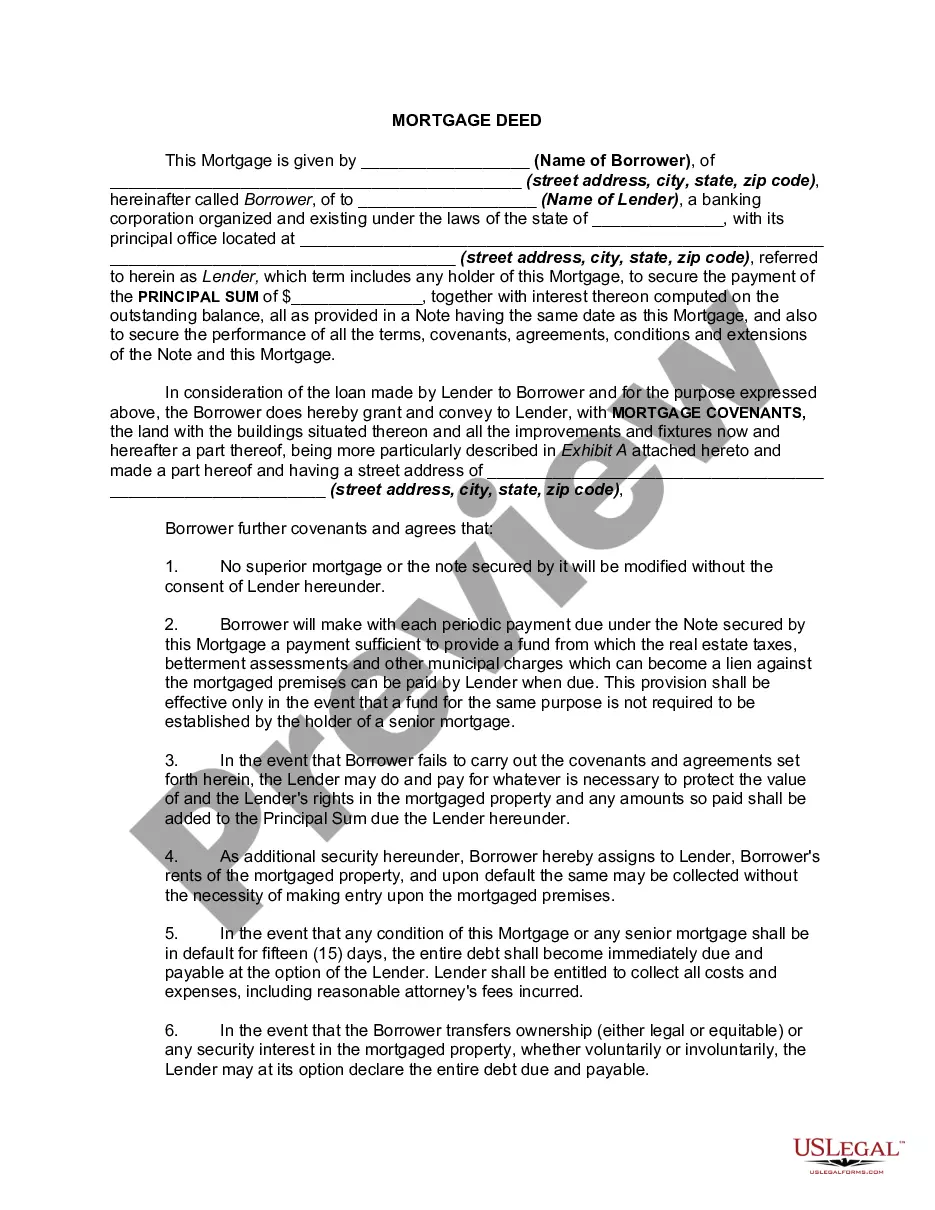
Description


Get your form ready online
Our built-in tools help you complete, sign, share, and store your documents in one place.
Make edits, fill in missing information, and update formatting in US Legal Forms—just like you would in MS Word.
Download a copy, print it, send it by email, or mail it via USPS—whatever works best for your next step.
Sign and collect signatures with our SignNow integration. Send to multiple recipients, set reminders, and more. Go Premium to unlock E-Sign.
If this form requires notarization, complete it online through a secure video call—no need to meet a notary in person or wait for an appointment.
We protect your documents and personal data by following strict security and privacy standards.

Make edits, fill in missing information, and update formatting in US Legal Forms—just like you would in MS Word.

Download a copy, print it, send it by email, or mail it via USPS—whatever works best for your next step.

Sign and collect signatures with our SignNow integration. Send to multiple recipients, set reminders, and more. Go Premium to unlock E-Sign.

If this form requires notarization, complete it online through a secure video call—no need to meet a notary in person or wait for an appointment.

We protect your documents and personal data by following strict security and privacy standards.
Looking for another form?








Form popularity
FAQ
It often is done with the help of a debt settlement specialist, who can speak to your creditors on your behalf and often negotiate reduced balances. If you are saddled with more debt than you can handle, a debt consolidation plan might be the way out.
So, creditors may be more likely to extend credit to you because you are less of a risk than someone who can decide tomorrow they want to file bankruptcy. Either way, once you get your discharge in a Chapter 7 bankruptcy or a Chapter 13 bankruptcy, you will get credit again and be able to increase your score.
Are secured loans easier to get? Generally speaking, yes. Because you're usually putting your home as a guarantee for payments, the lender will see you as less of a risk, and they'll rely less on your credit history and credit score to make the judgement.
However, the process typically takes two to four years, and clients must stay current with the negotiated monthly payments throughout the settlement period. Despite its success with unsecured debts, National Debt Relief does not work for secured debts, such as mortgages or car loans.
What information is required for a UCC-1 filing? For a filing against an individual person as the debtor, the required information is: Last name, first name. Mailing address, city, state, zip code and country.
Revised Article 9 states that the proper place to file a financing statement for a foreign debtor is in the District of Columbia, UNLESS the foreign jurisdiction in which that debtor is located maintains a system to perfect security interests by filing or recordation.
In addition to filing with the state, the UCC is filed with the County office that holds the county real estate records for the property. Filings for ownership entities are made in the state where the entity is registered. Filings for individuals are made in the state in which the individual resides.
Perfection can be obtained by a creditor by filing a UCC Financing Statement with the Secretary of State. A qualified financing statement should include: Debtor and secured party's name, Collateral describing, and.
Correct filing location: File the fixture filing in the real property records of the county where the real estate is located and, if the collateral includes both personal property and fixtures, also in the central UCC filing office where the debtor is “located” (as per UCC Article 9's definition of debtor location).
UCC-3 party amendments: A UCC-3 amendment is a type of filing used to change or add critical information about the debtor or the secured party. For example, they can be used to change the name or the address.
