Secured Debt Any For Loan In Nassau
Description

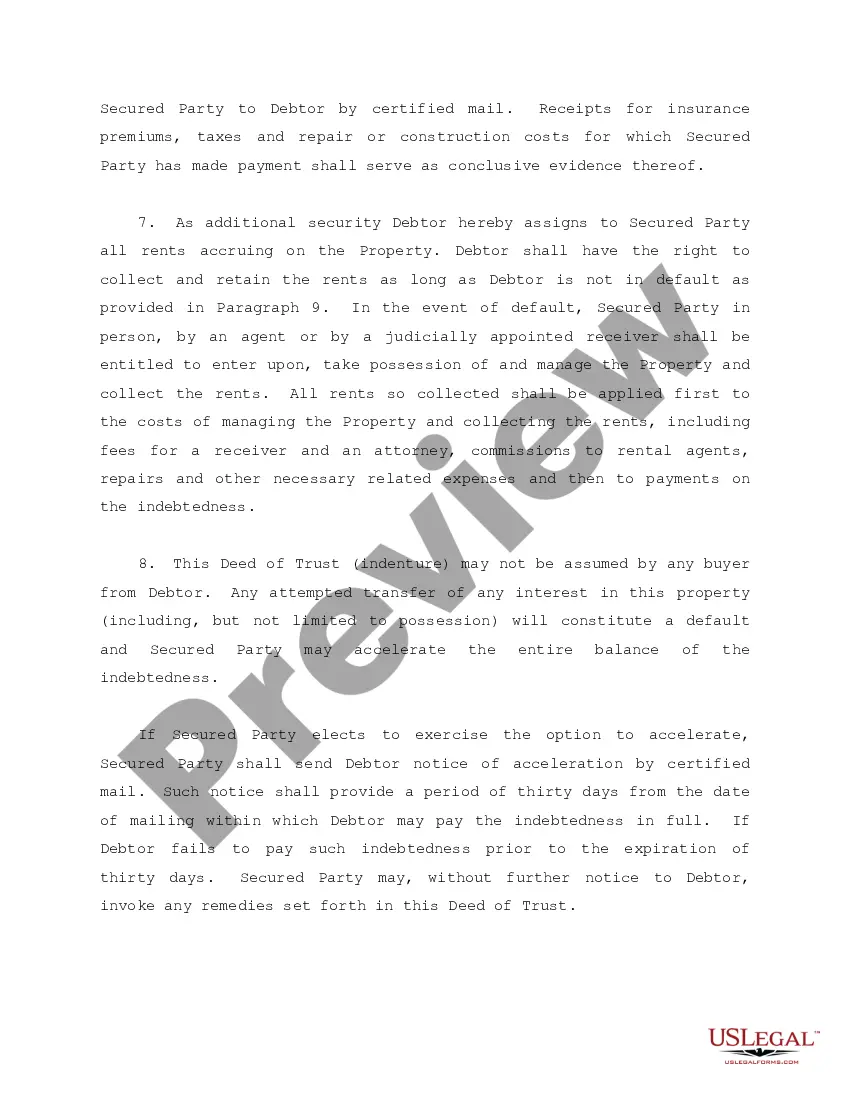
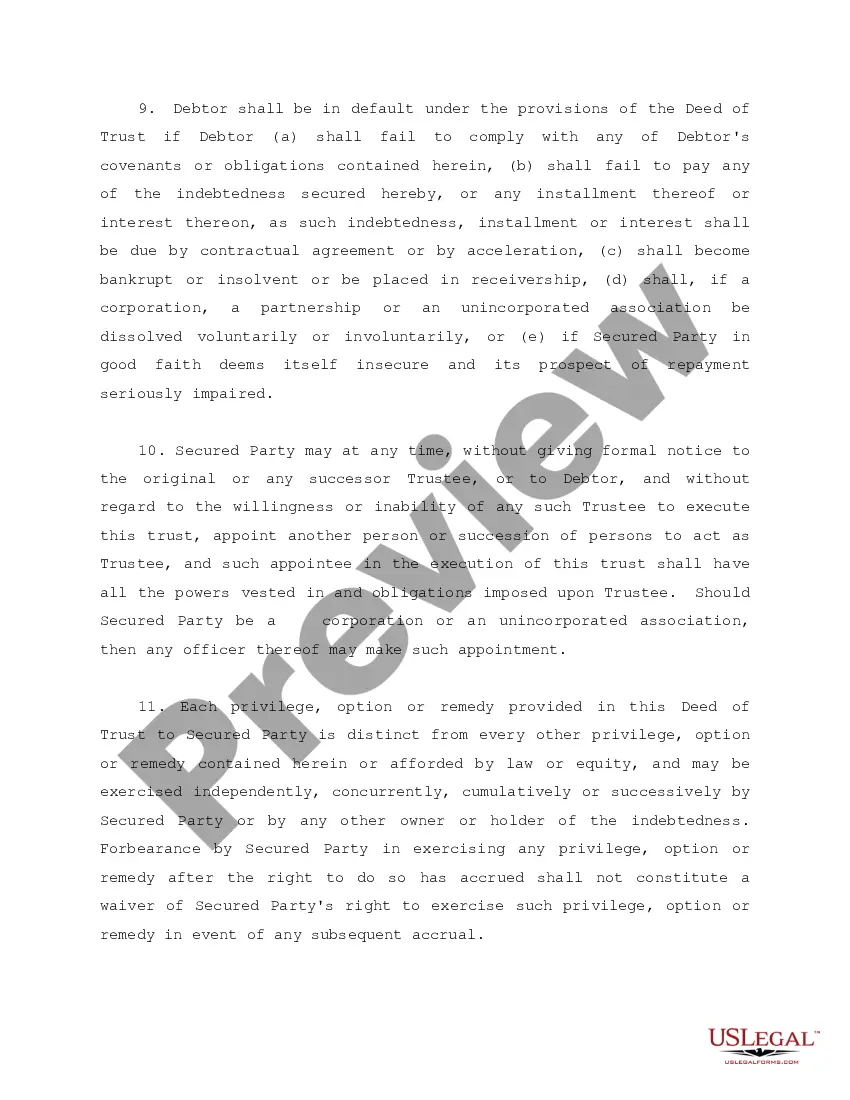
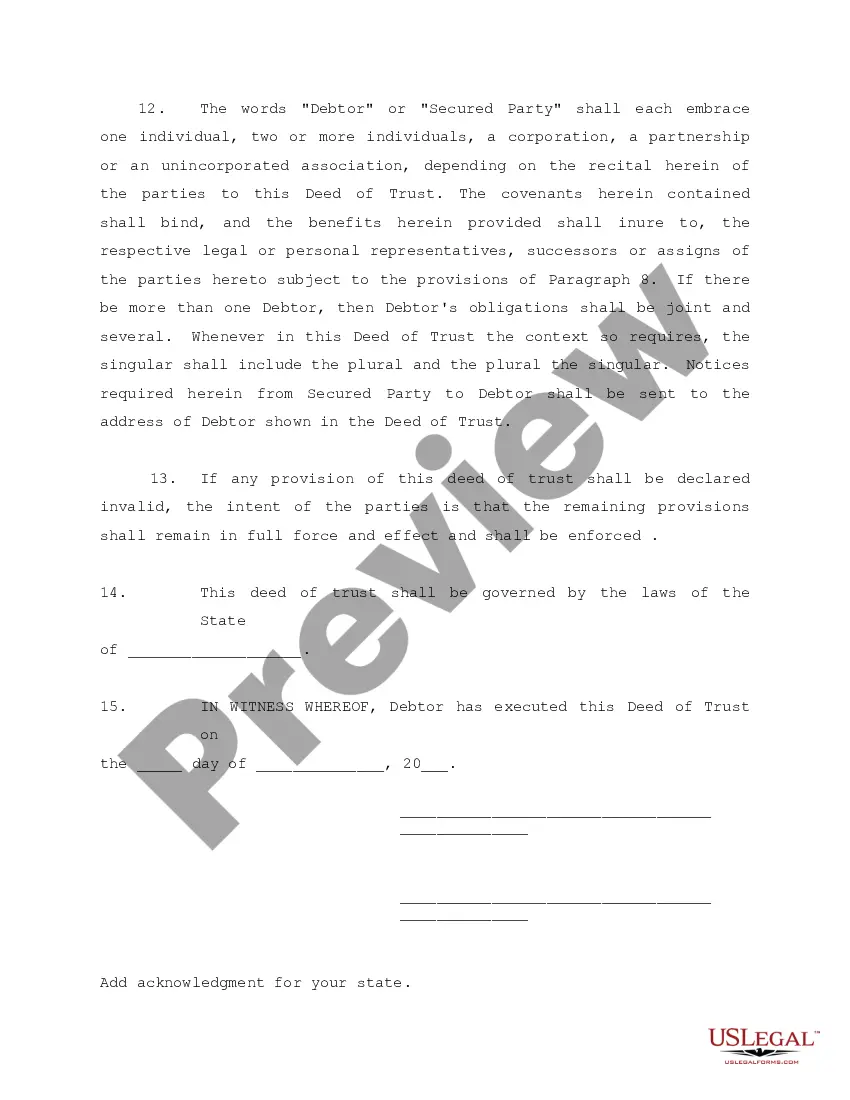
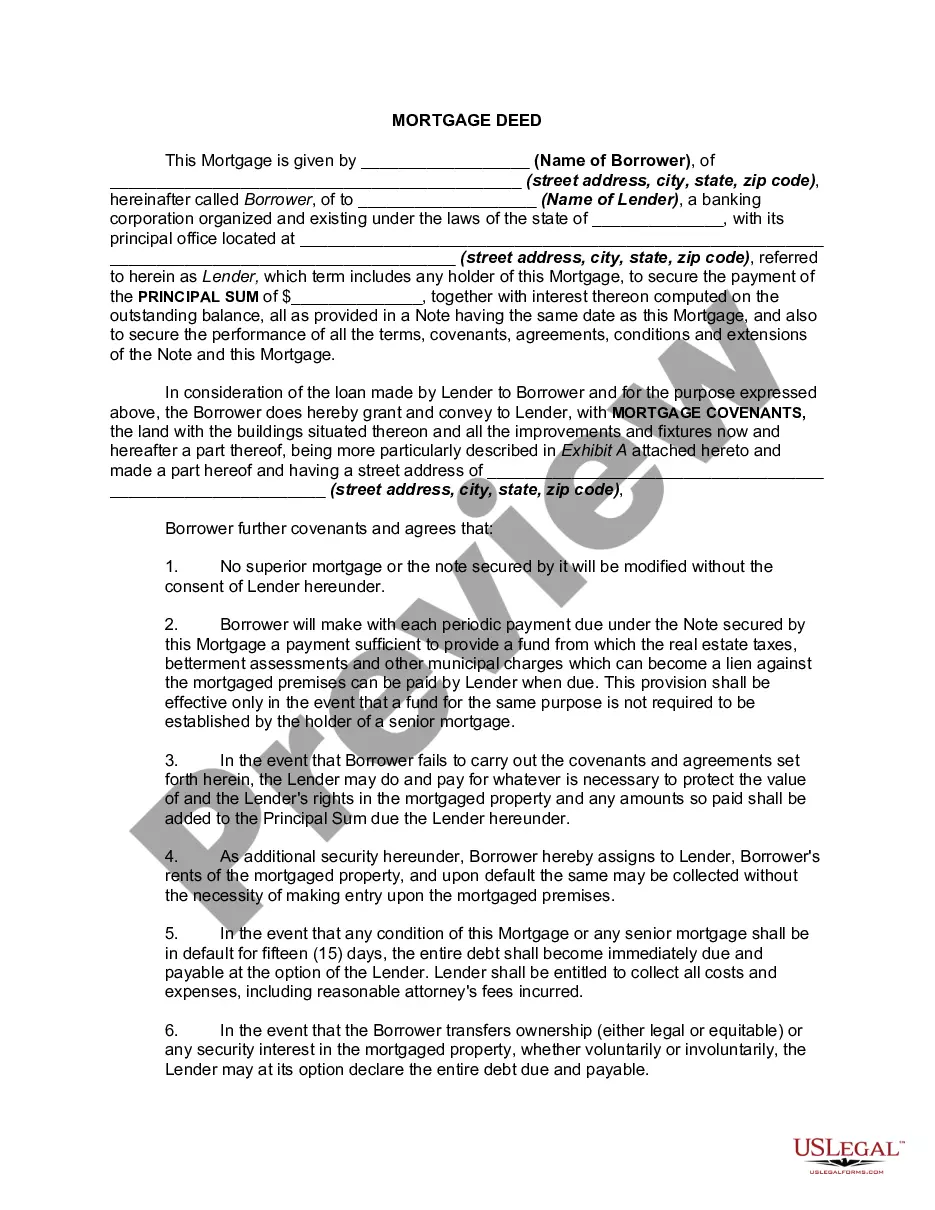

Get your form ready online
Our built-in tools help you complete, sign, share, and store your documents in one place.
Make edits, fill in missing information, and update formatting in US Legal Forms—just like you would in MS Word.
Download a copy, print it, send it by email, or mail it via USPS—whatever works best for your next step.
Sign and collect signatures with our SignNow integration. Send to multiple recipients, set reminders, and more. Go Premium to unlock E-Sign.
If this form requires notarization, complete it online through a secure video call—no need to meet a notary in person or wait for an appointment.
We protect your documents and personal data by following strict security and privacy standards.

Make edits, fill in missing information, and update formatting in US Legal Forms—just like you would in MS Word.

Download a copy, print it, send it by email, or mail it via USPS—whatever works best for your next step.

Sign and collect signatures with our SignNow integration. Send to multiple recipients, set reminders, and more. Go Premium to unlock E-Sign.

If this form requires notarization, complete it online through a secure video call—no need to meet a notary in person or wait for an appointment.

We protect your documents and personal data by following strict security and privacy standards.
Looking for another form?
Form popularity
FAQ
A secured line of credit is guaranteed by collateral, such as a home. An unsecured line of credit is not guaranteed by any asset; one example is a credit card. Unsecured credit always comes with higher interest rates because it is riskier for lenders.
Secured loans are typically easier to qualify for and have lower interest rates because they pose less risk to the lender.
How long does a UCC filing last? A UCC-1 filing is good for five years. After five years, it is considered lapsed and no longer valid. Should your debtor remain in debt to you and encounter financial difficulty or file for bankruptcy, you have no secured interest if your UCC-1 filing has lapsed.
UCC - Frequently Asked Questions - UCC-1 and UCC-3. Most filings last for five (5) years from the date of filing. Filings for a debtor that is a transmitting utility have no expiration date. Manufactured Home filings last 30 years from the date of filing – appropriate box must be marked.
And both of these at the state level or at the county level can be continued for as many additional five-year periods as the secured party desires simply by filing a continuation in the six months before the lapse date of each applicable five-year period. So bear in mind that fixture filings do lapse.
Typically, states require that UCCs be renewed every 5 years; as such, recipients that have recorded UCC documentation for property with a BTOP useful life of more than 5 years will need to file a renewal of that documentation.
UCC-3 party amendments: A UCC-3 amendment is a type of filing used to change or add critical information about the debtor or the secured party. For example, they can be used to change the name or the address.
UCC - Frequently Asked Questions - UCC-1 and UCC-3. Most filings last for five (5) years from the date of filing. Filings for a debtor that is a transmitting utility have no expiration date. Manufactured Home filings last 30 years from the date of filing – appropriate box must be marked.
Here are some common risks associated with using debt relief: Credit Score Impact: Most debt relief methods, such as debt settlement or bankruptcy, can significantly impact your credit score. This can make it more difficult to secure credit in the future, and if you do, you may face higher interest rates.
National Debt Relief is a debt settlement company that works with borrowers who are significantly behind on payments. This company negotiates with major credit card issuers and banks to reduce most types of unsecured debt, including: Credit cards. Personal loans.