Secured Debt Shall Formula In Miami-Dade
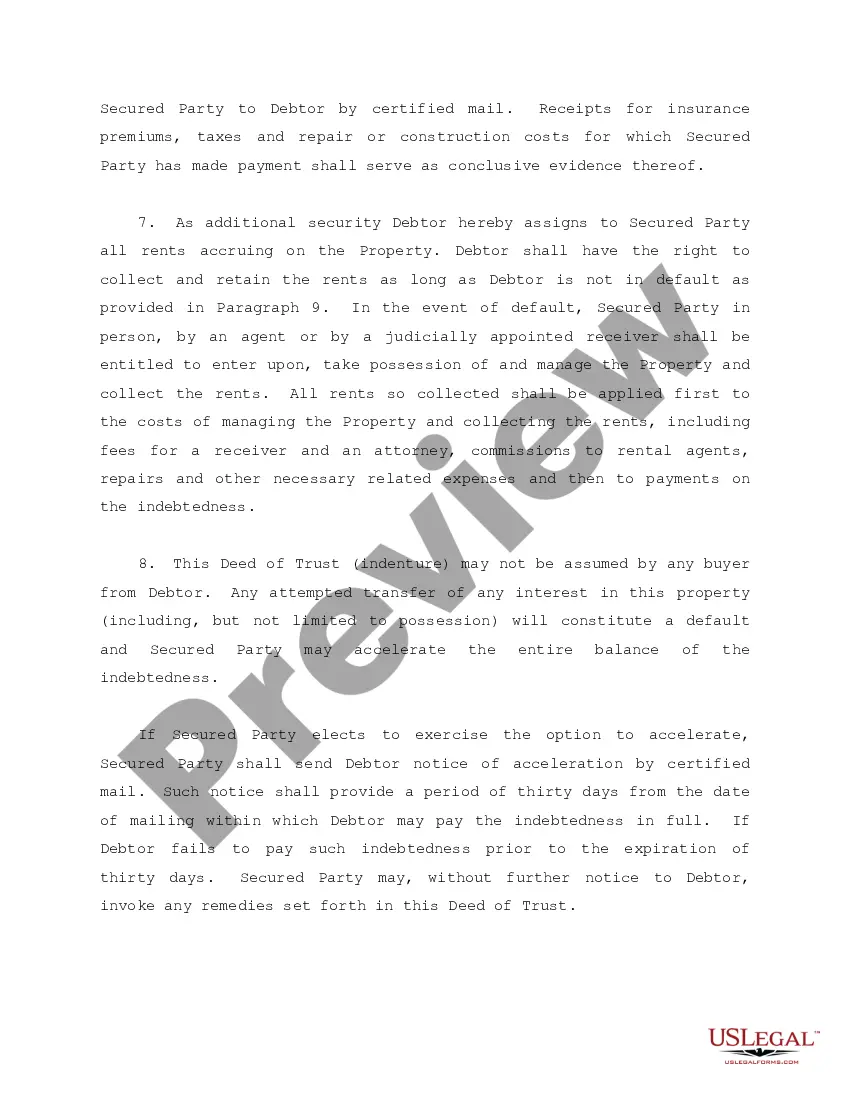
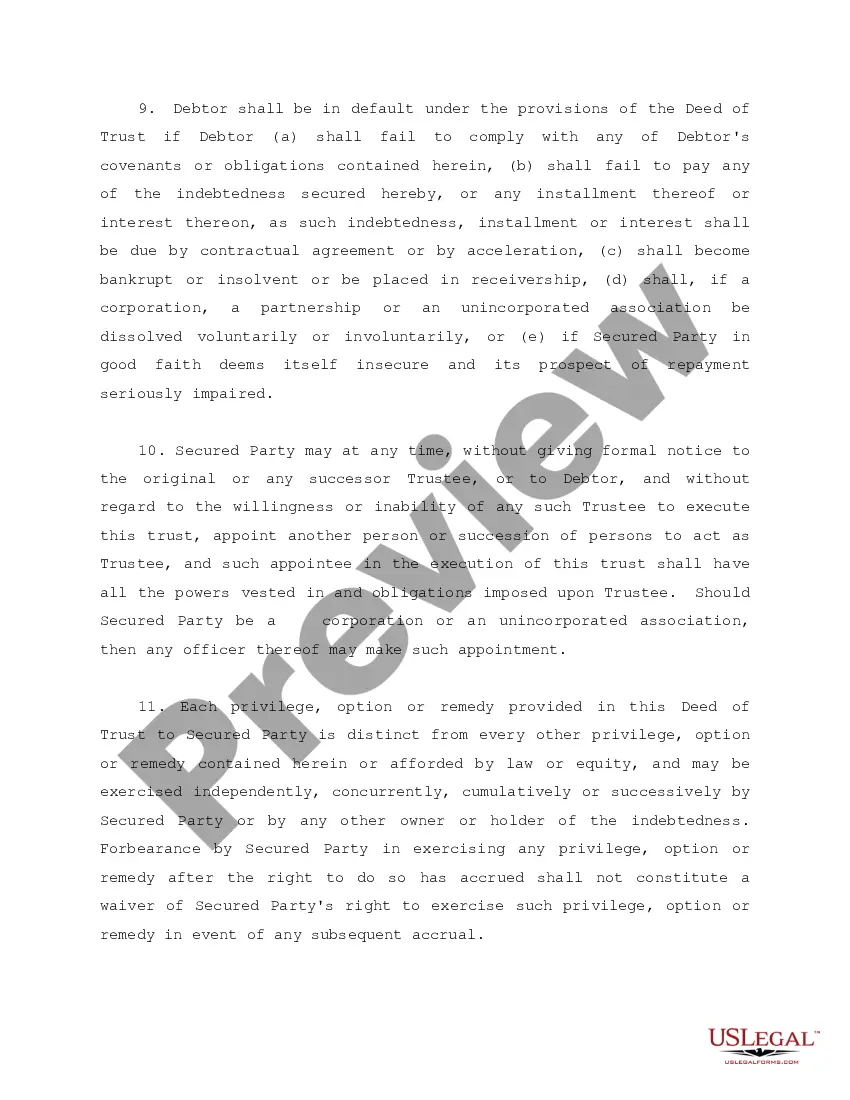
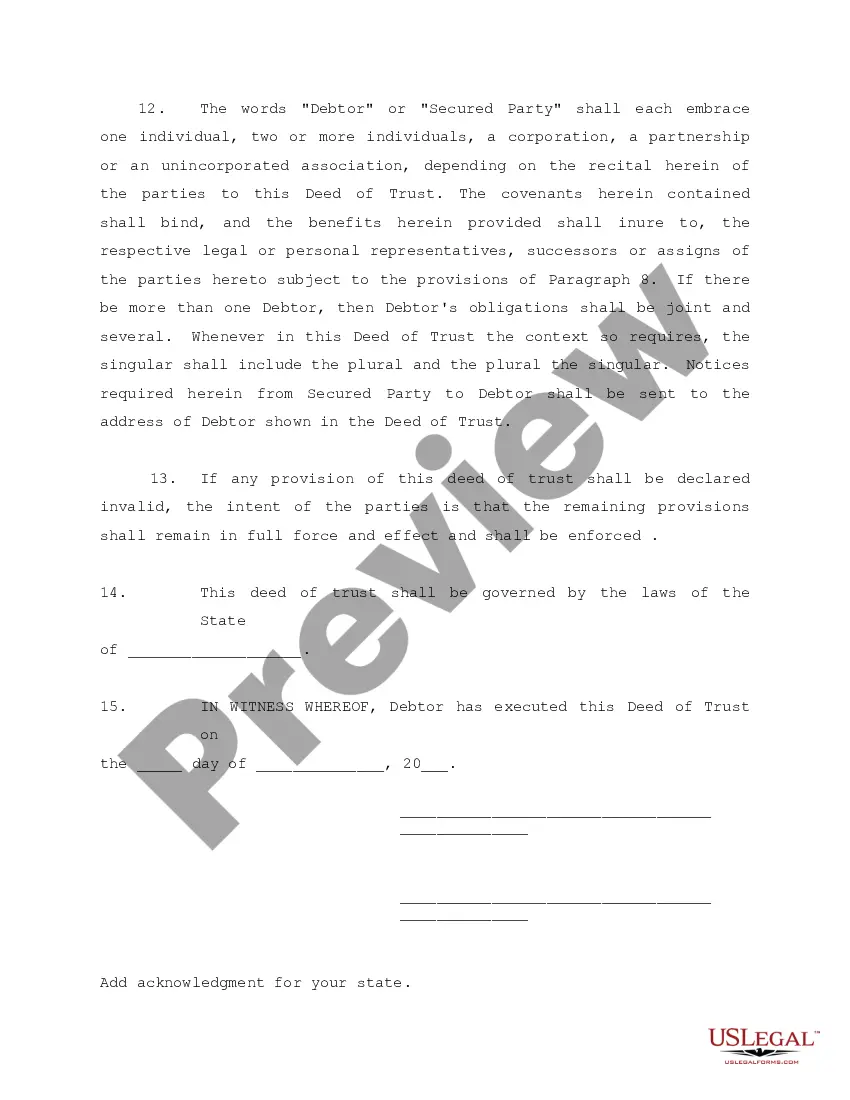
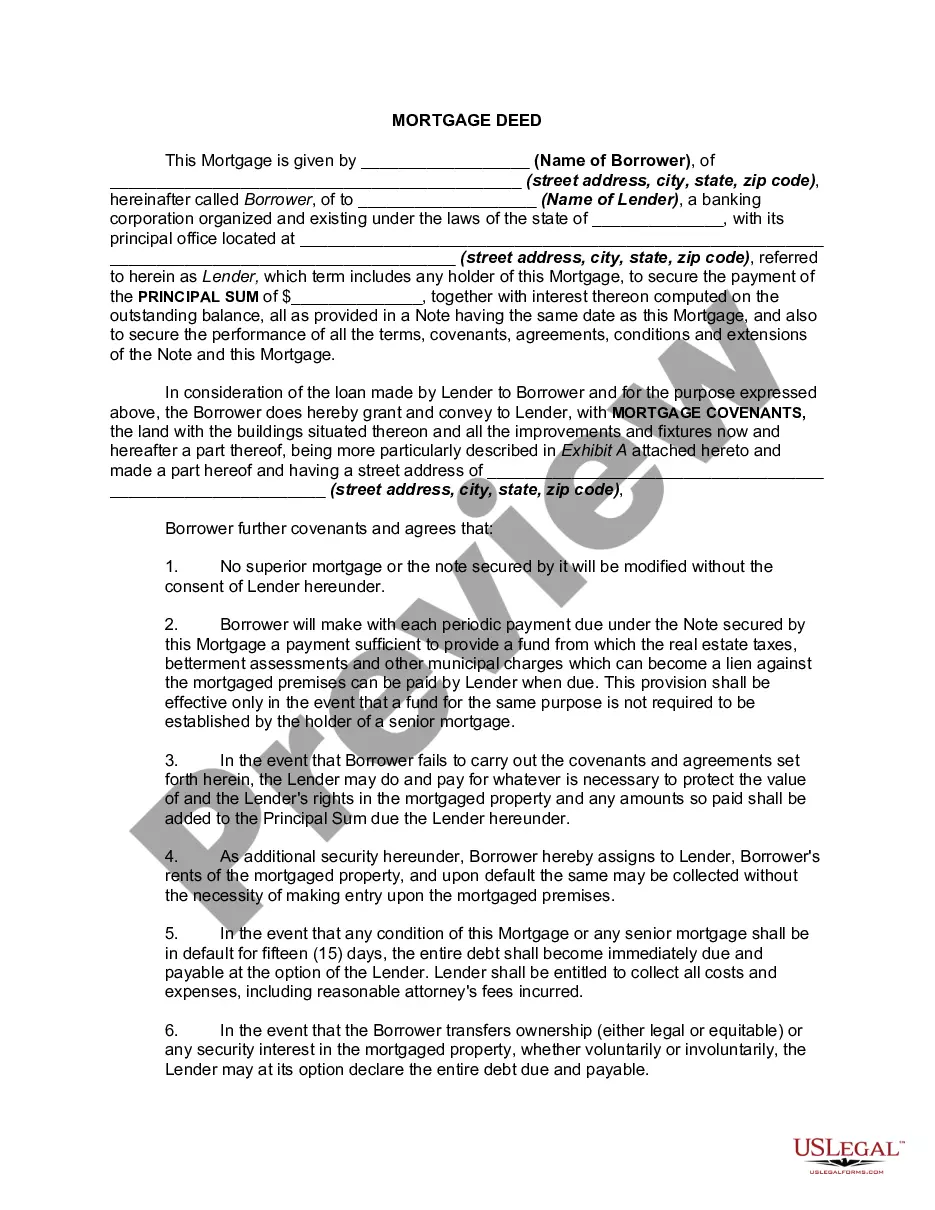
Description


Get your form ready online
Our built-in tools help you complete, sign, share, and store your documents in one place.
Make edits, fill in missing information, and update formatting in US Legal Forms—just like you would in MS Word.
Download a copy, print it, send it by email, or mail it via USPS—whatever works best for your next step.
Sign and collect signatures with our SignNow integration. Send to multiple recipients, set reminders, and more. Go Premium to unlock E-Sign.
If this form requires notarization, complete it online through a secure video call—no need to meet a notary in person or wait for an appointment.
We protect your documents and personal data by following strict security and privacy standards.

Make edits, fill in missing information, and update formatting in US Legal Forms—just like you would in MS Word.

Download a copy, print it, send it by email, or mail it via USPS—whatever works best for your next step.

Sign and collect signatures with our SignNow integration. Send to multiple recipients, set reminders, and more. Go Premium to unlock E-Sign.

If this form requires notarization, complete it online through a secure video call—no need to meet a notary in person or wait for an appointment.

We protect your documents and personal data by following strict security and privacy standards.
Looking for another form?






Form popularity
FAQ
—The writ shall require the garnishee to serve an answer on the plaintiff within 20 days after service of the writ stating whether the garnishee is indebted to the defendant at the time of the answer, or was indebted at the time of service of the writ, plus up to 1 business day for the garnishee to act expeditiously on ...
A creditor can garnish 25% of your disposable income or the amount by which your disposable income exceeds 30 times the federal minimum wage, whichever is less. In Florida, if your disposable income is less than 30 times the federal minimum wage, your wages can't be garnished at all.
Call the Credit and Collection Section at 786-469-5200, Monday to Friday, from 8 a.m. to 7 p.m., excluding holidays.
File a motion to dissolve writ of garnishment, pointing out any procedural mistakes with the Florida wage garnishment statute. Mail a copy of the claim of exemption form and the motion to dissolve to the judgment creditor's attorney.
The statute of limitations in Florida on debt is five years. This means that once the five-year timeline has expired, creditors can no longer file a lawsuit against the borrower to try and recover the debt. This is only true of debts that include a written agreement, though.
The tax rate for Miami-Dade County is 60 cents on each $100, or portion thereof, of the total consideration. Miami-Dade County also has a surtax of 45 cents on each $100, or portion thereof, of the total consideration. The surtax is not due on a document that transfers only a single-family dwelling.
After six years of dormancy on a debt, a debt collector can no longer come after and sue you for an unpaid balance. Keep in mind, though, that a person can inadvertently restart the clock on old debt, which means that the six-year period can start all over again even if a significant amount of time has already lapsed.
A Florida judgment lasts for 20 years. The time runs from the day the final judgment is signed by the judge and entered by the court. This 20-year timeline is established by section 55.081 of the Florida Statutes. A creditor can collect a judgment any time during the 20 years after its issuance.
The statute of limitations in Florida on debt is five years. This means that once the five-year timeline has expired, creditors can no longer file a lawsuit against the borrower to try and recover the debt. This is only true of debts that include a written agreement, though.
