Secured Debt Any For A 6th Grader In Mecklenburg
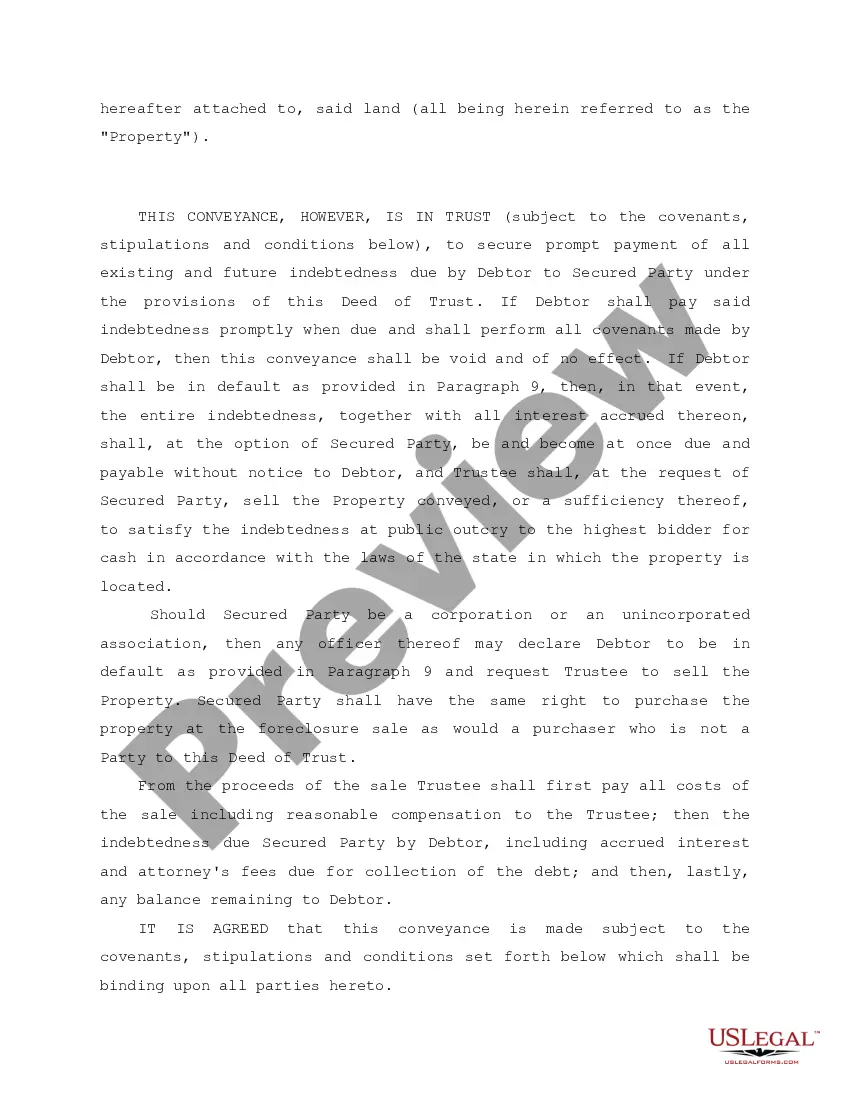
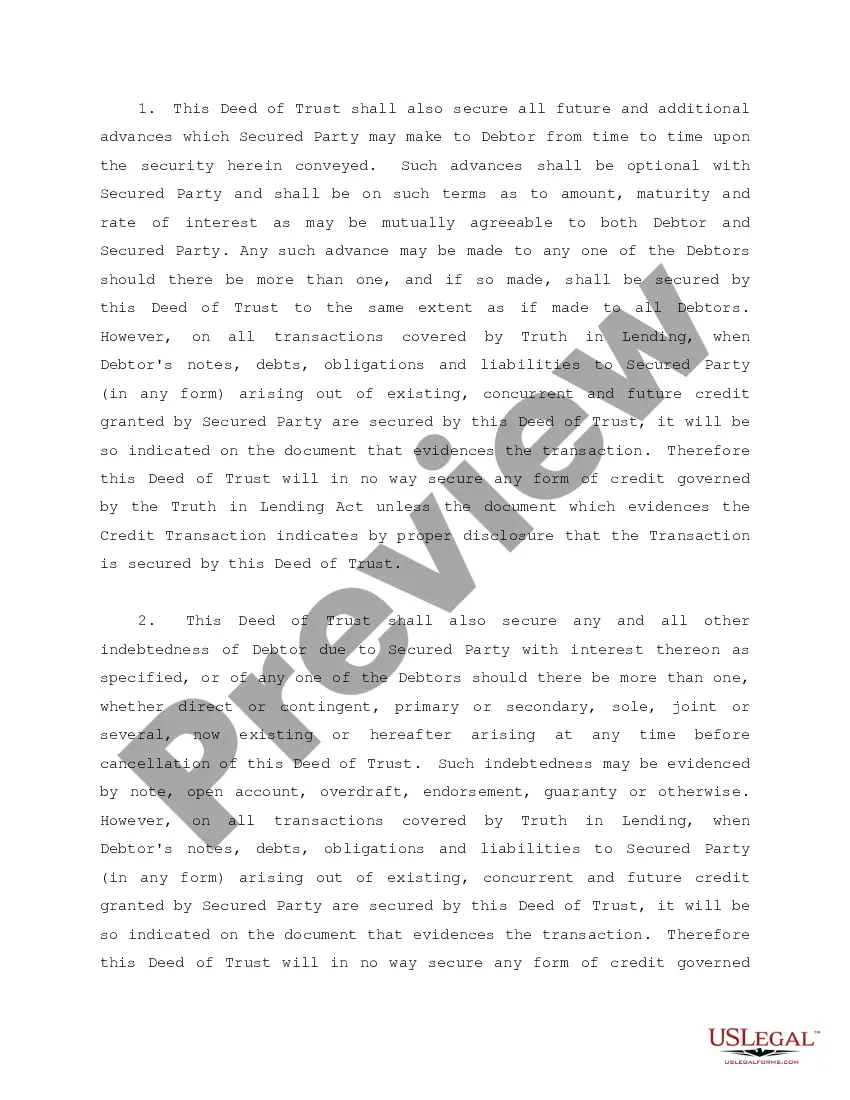
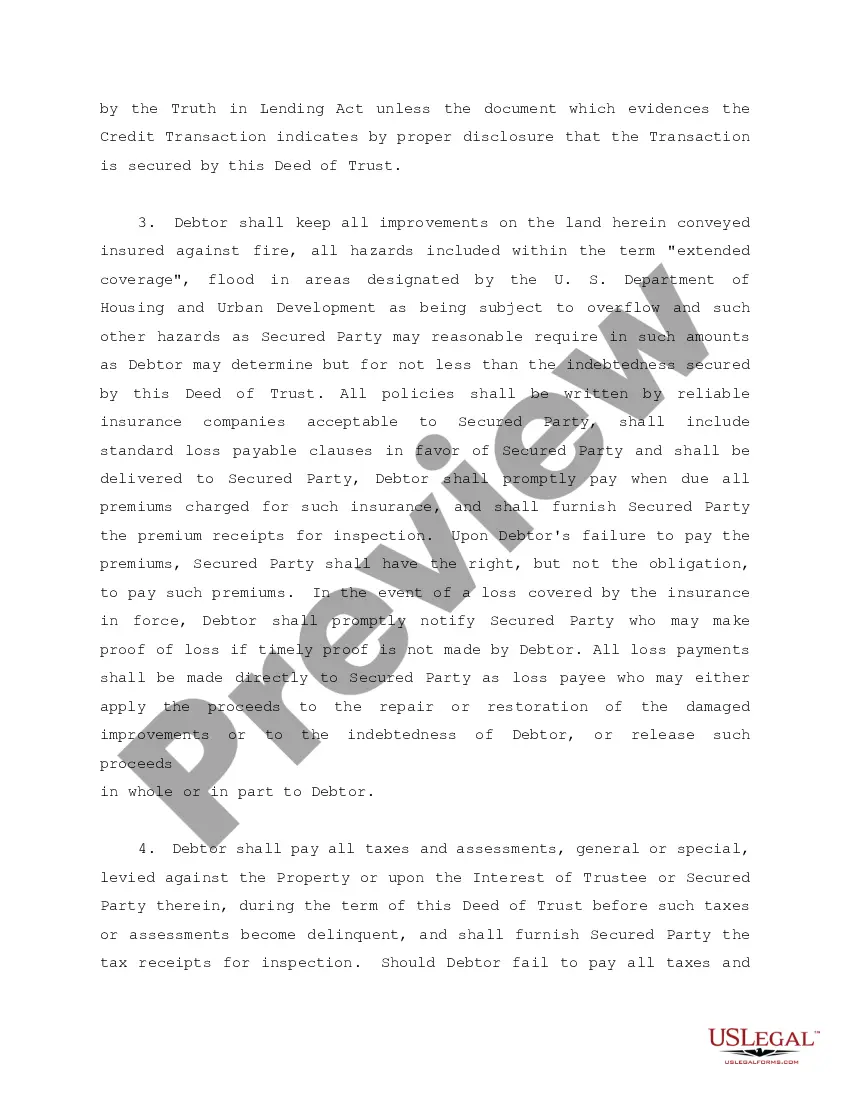
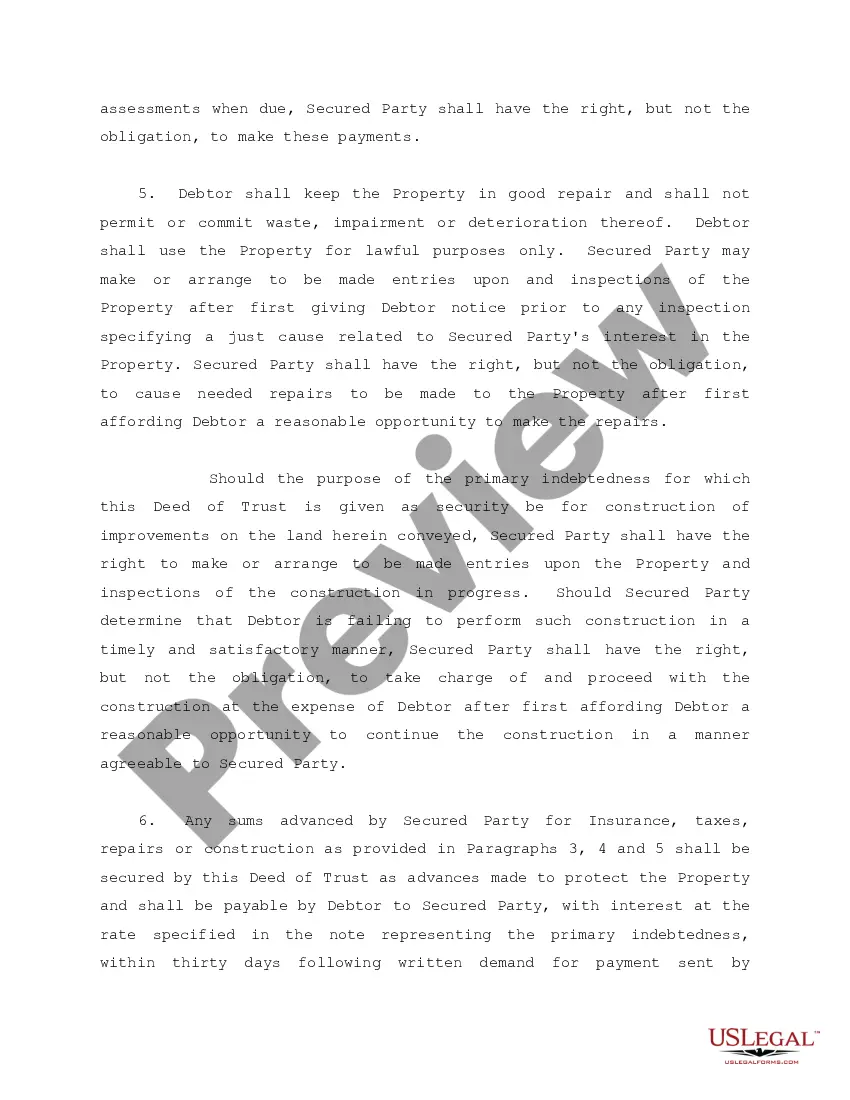
Description

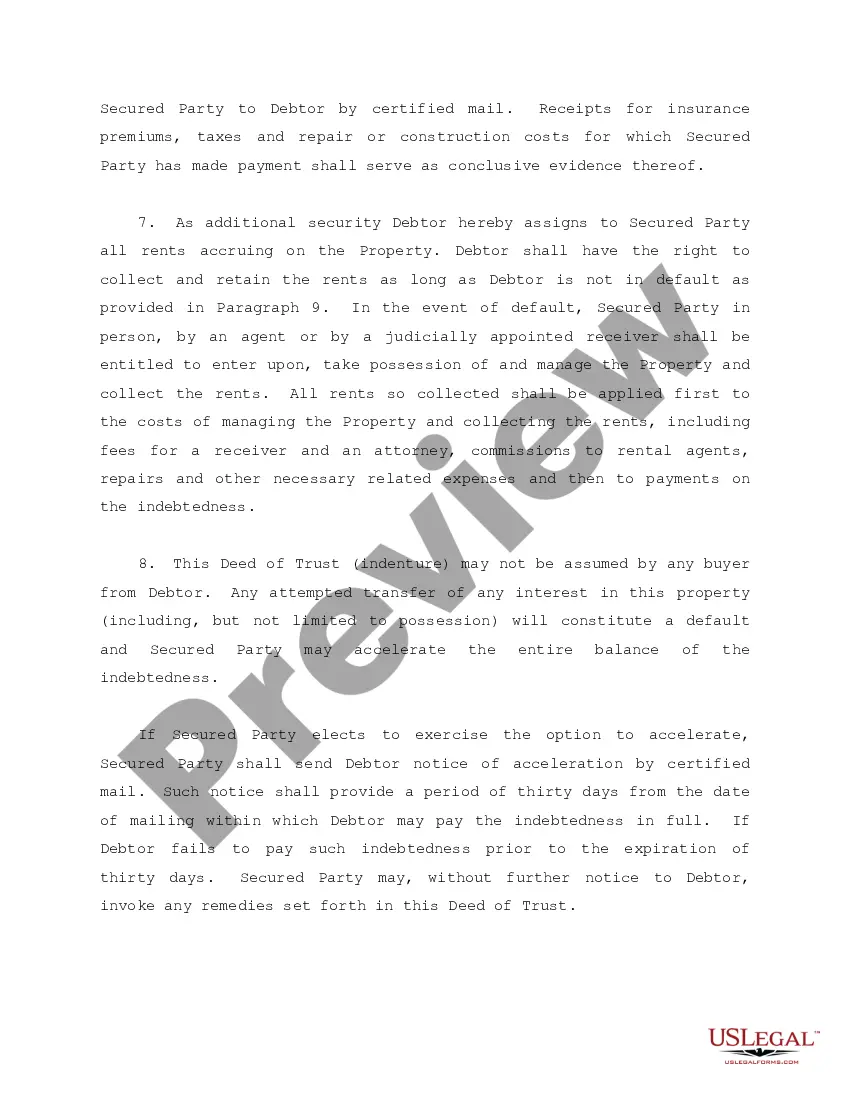
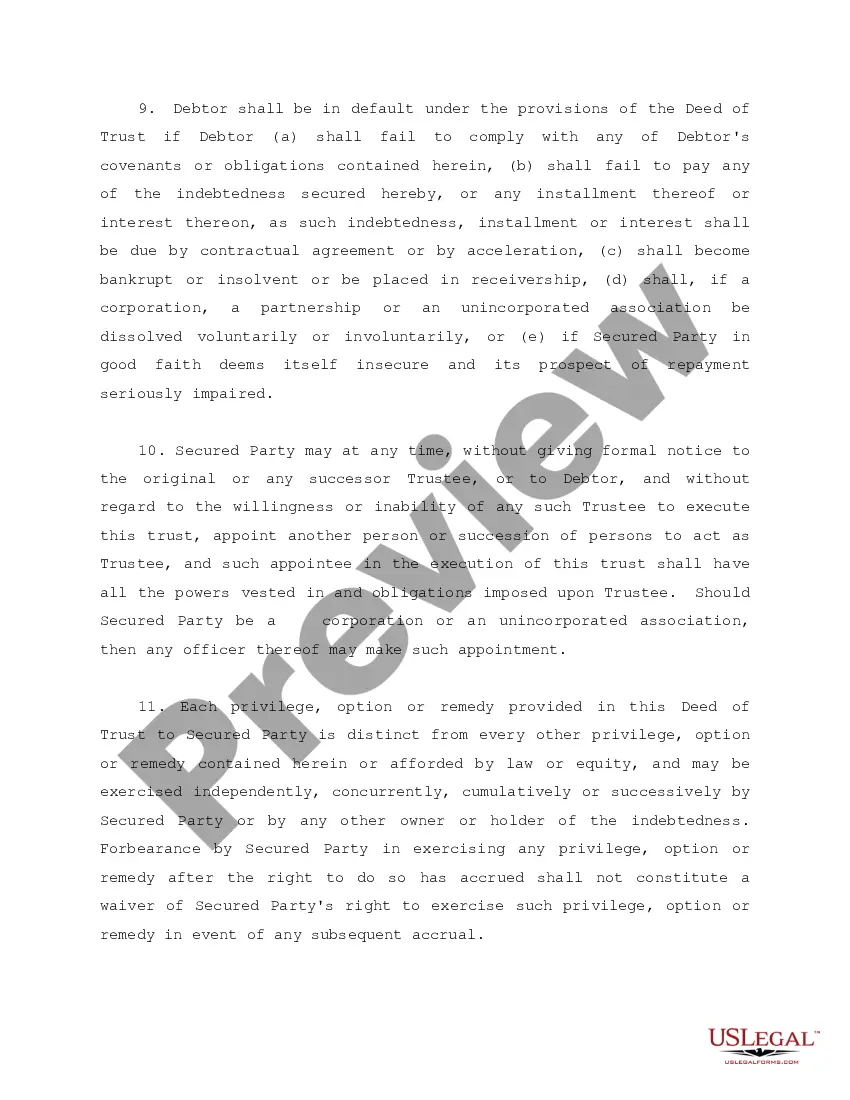
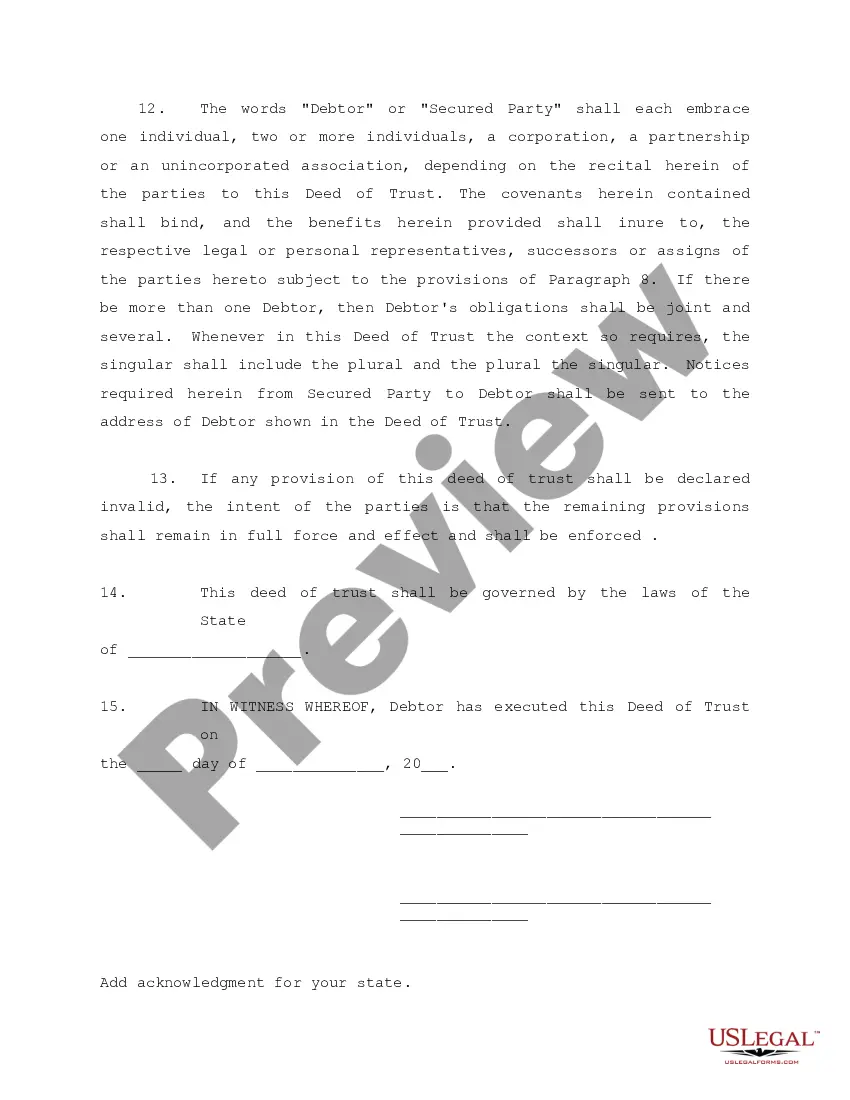
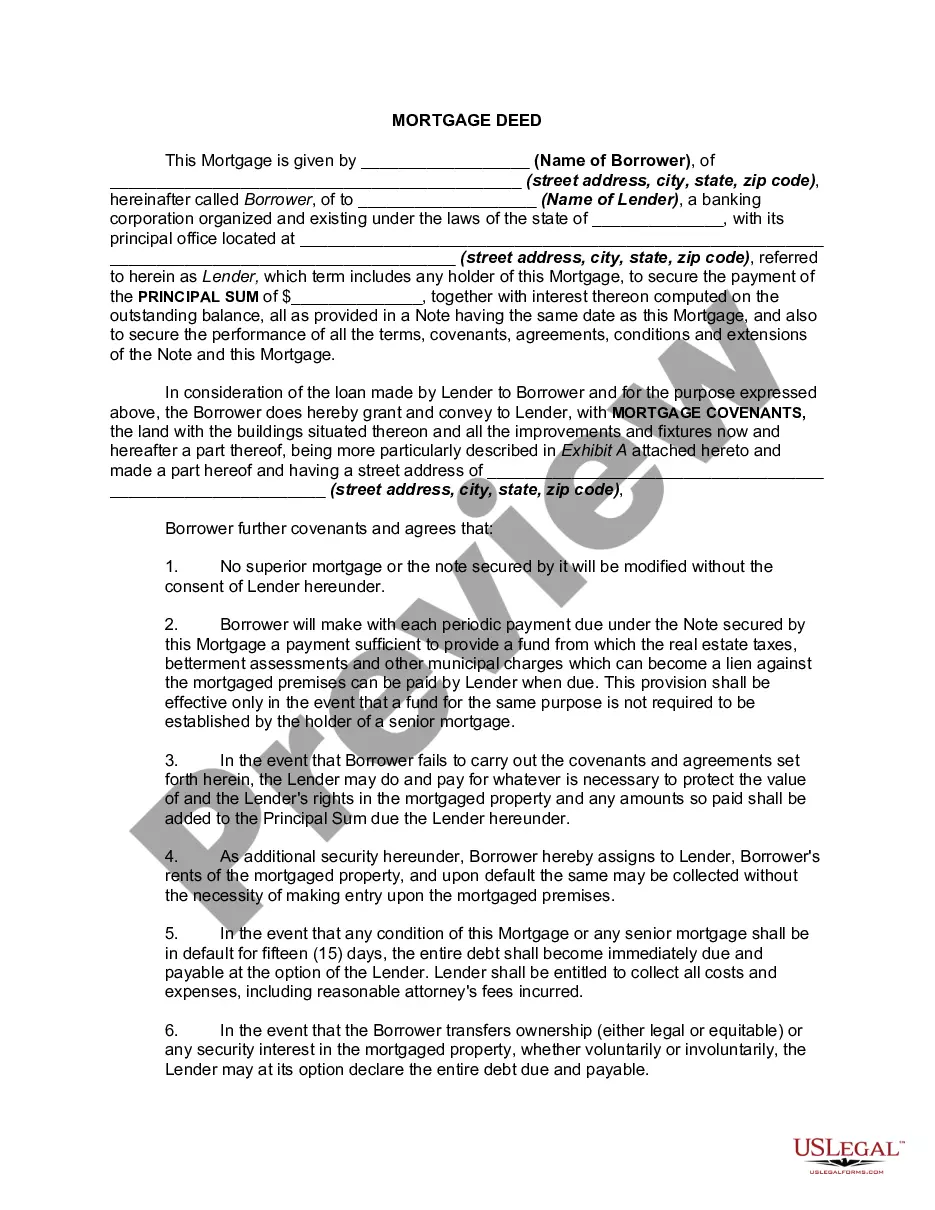

Get your form ready online
Our built-in tools help you complete, sign, share, and store your documents in one place.
Make edits, fill in missing information, and update formatting in US Legal Forms—just like you would in MS Word.
Download a copy, print it, send it by email, or mail it via USPS—whatever works best for your next step.
Sign and collect signatures with our SignNow integration. Send to multiple recipients, set reminders, and more. Go Premium to unlock E-Sign.
If this form requires notarization, complete it online through a secure video call—no need to meet a notary in person or wait for an appointment.
We protect your documents and personal data by following strict security and privacy standards.

Make edits, fill in missing information, and update formatting in US Legal Forms—just like you would in MS Word.

Download a copy, print it, send it by email, or mail it via USPS—whatever works best for your next step.

Sign and collect signatures with our SignNow integration. Send to multiple recipients, set reminders, and more. Go Premium to unlock E-Sign.

If this form requires notarization, complete it online through a secure video call—no need to meet a notary in person or wait for an appointment.

We protect your documents and personal data by following strict security and privacy standards.
Looking for another form?






Form popularity
FAQ
The General Assembly shall provide for the organization and government and the fixing of boundaries of counties, cities and towns, and other governmental subdivisions, and, except as otherwise prohibited by this Constitution, may give such powers and duties to counties, cities and towns, and other governmental ...
(4) Photo identification for voting in person. Voters offering to vote in person shall present photographic identification before voting. The General Assembly shall enact general laws governing the requirements of such photographic identification, which may include exceptions. (2018-128, s.
14. Freedom of speech and press. Freedom of speech and of the press are two of the great bulwarks of liberty and therefore shall never be restrained, but every person shall be held responsible for their abuse.
North Carolina's compulsory education laws require children between seven and sixteen to attend school, unless they are deemed mentally or physically unable to attend or have immediate needs at home. Parents who fail to comply may be charged with a Class 3 misdemeanor.
