Secure Debt Shall Withhold In Maryland
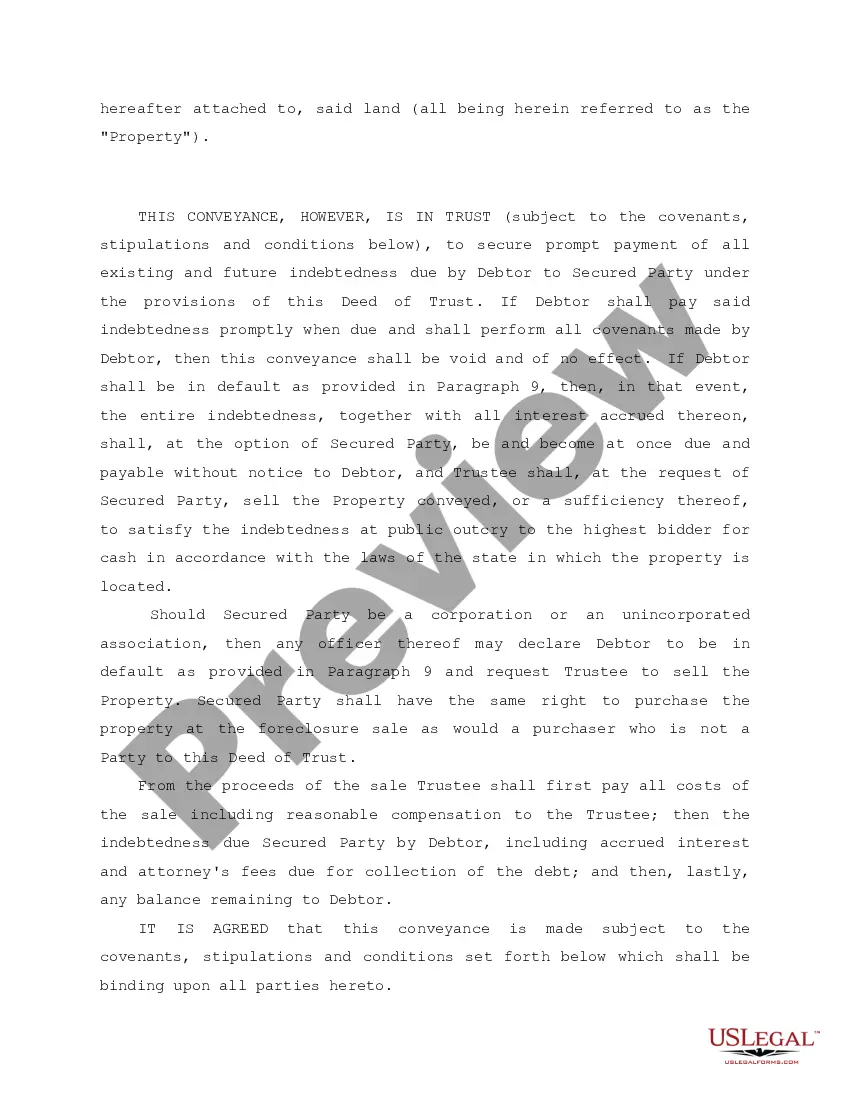
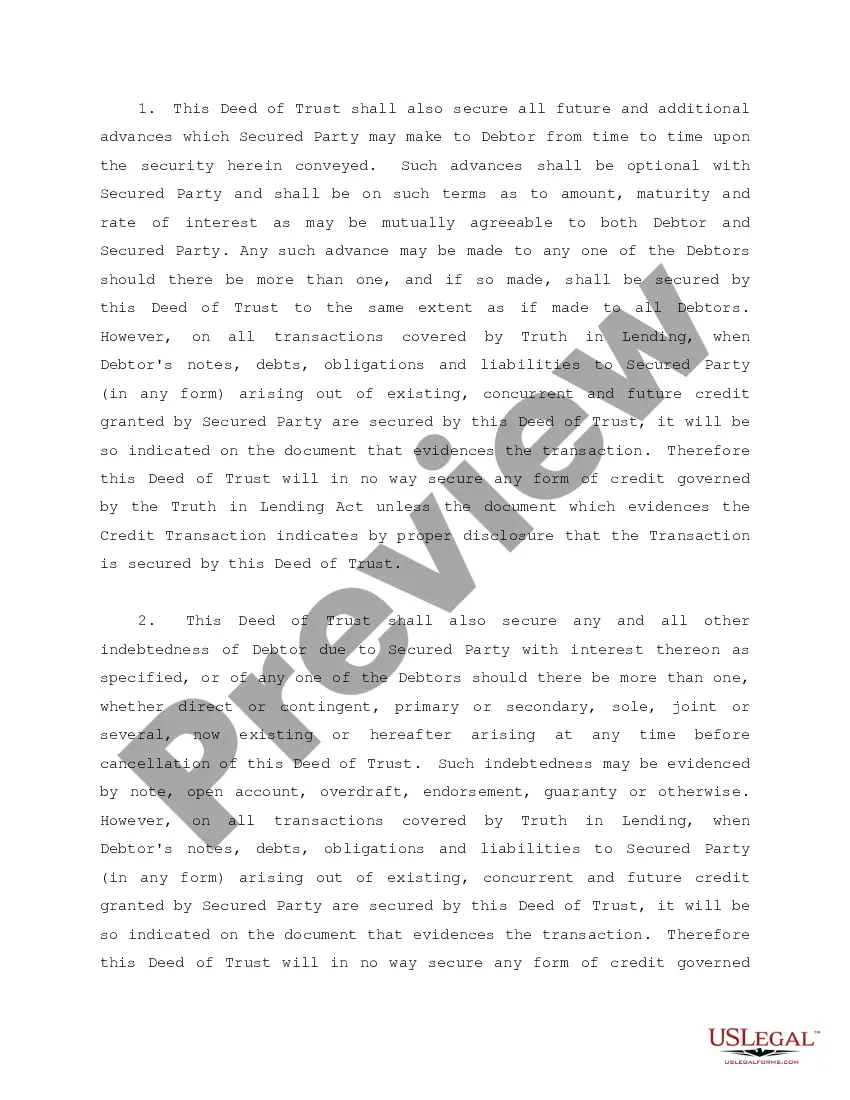
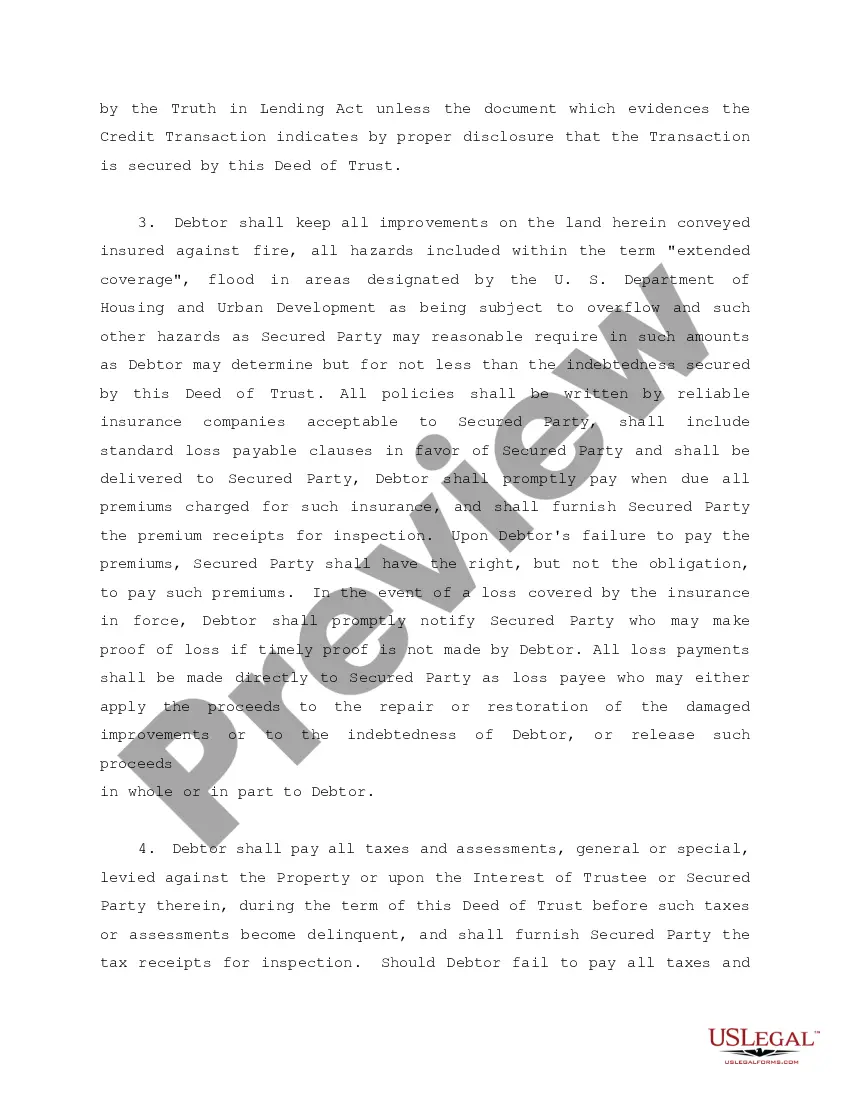
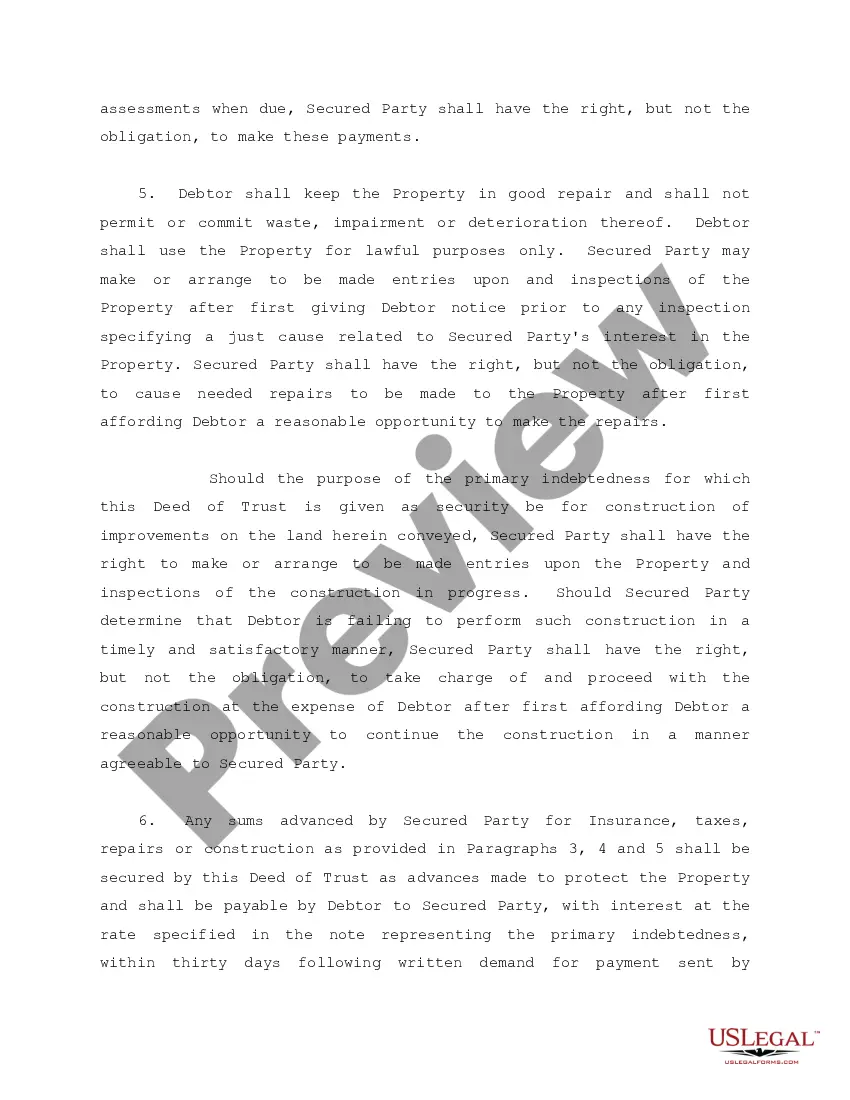
Description



Get your form ready online
Our built-in tools help you complete, sign, share, and store your documents in one place.
Make edits, fill in missing information, and update formatting in US Legal Forms—just like you would in MS Word.
Download a copy, print it, send it by email, or mail it via USPS—whatever works best for your next step.
Sign and collect signatures with our SignNow integration. Send to multiple recipients, set reminders, and more. Go Premium to unlock E-Sign.
If this form requires notarization, complete it online through a secure video call—no need to meet a notary in person or wait for an appointment.
We protect your documents and personal data by following strict security and privacy standards.

Make edits, fill in missing information, and update formatting in US Legal Forms—just like you would in MS Word.

Download a copy, print it, send it by email, or mail it via USPS—whatever works best for your next step.

Sign and collect signatures with our SignNow integration. Send to multiple recipients, set reminders, and more. Go Premium to unlock E-Sign.

If this form requires notarization, complete it online through a secure video call—no need to meet a notary in person or wait for an appointment.

We protect your documents and personal data by following strict security and privacy standards.
Looking for another form?









Form popularity
FAQ
How to Fill MW-507 Form Line 1 – The line includes the total amount of personal exemptions. Line 2 – Review additional withholdings. Line 3 – Employees mark line 3 if they did not owe any Maryland income tax in the previous year and earned a full refund.
To establish a lien, a contractor or subcontractor must file a petition in the circuit court for the county where the property is located within 180 days after completing work on the property or providing materials.
If somebody wrongfully records a lien against your property, you can file a lawsuit for what's called “quiet title” to ask to have the court order that the lien be removed.
How long does a judgment lien last in Maryland? A judgment lien in Maryland will remain attached to the debtor's property (even if the property changes hands) for 12 years.
But generally, you have two courses of action. 1) Filing for an Exemption Can Help. Under Maryland law, you can file an injunction for exemption relief under certain circumstances to protect or “exempt” some or all of your wages. 2) Bankruptcy Can Stop Wage Garnishment in Maryland. 3) Recovering Garnishments.
Old (Time-Barred) Debts In California, there is generally a four-year limit for filing a lawsuit to collect a debt based on a written agreement.
3-year limit on lawsuits for debts To get a judgment, a creditor must bring the claim to court within 3 years after the debt comes due.
Statute of Limitations in Maryland The statute of limitations allows a creditor three years to collect on debts.
Statute of limitations on debt for all states StateWrittenOral Maryland 3 years 3 Massachusetts 6 years 6 Michigan 6 years 6 Minnesota 6 years 646 more rows •
But generally, you have two courses of action. 1) Filing for an Exemption Can Help. Under Maryland law, you can file an injunction for exemption relief under certain circumstances to protect or “exempt” some or all of your wages. 2) Bankruptcy Can Stop Wage Garnishment in Maryland. 3) Recovering Garnishments.
