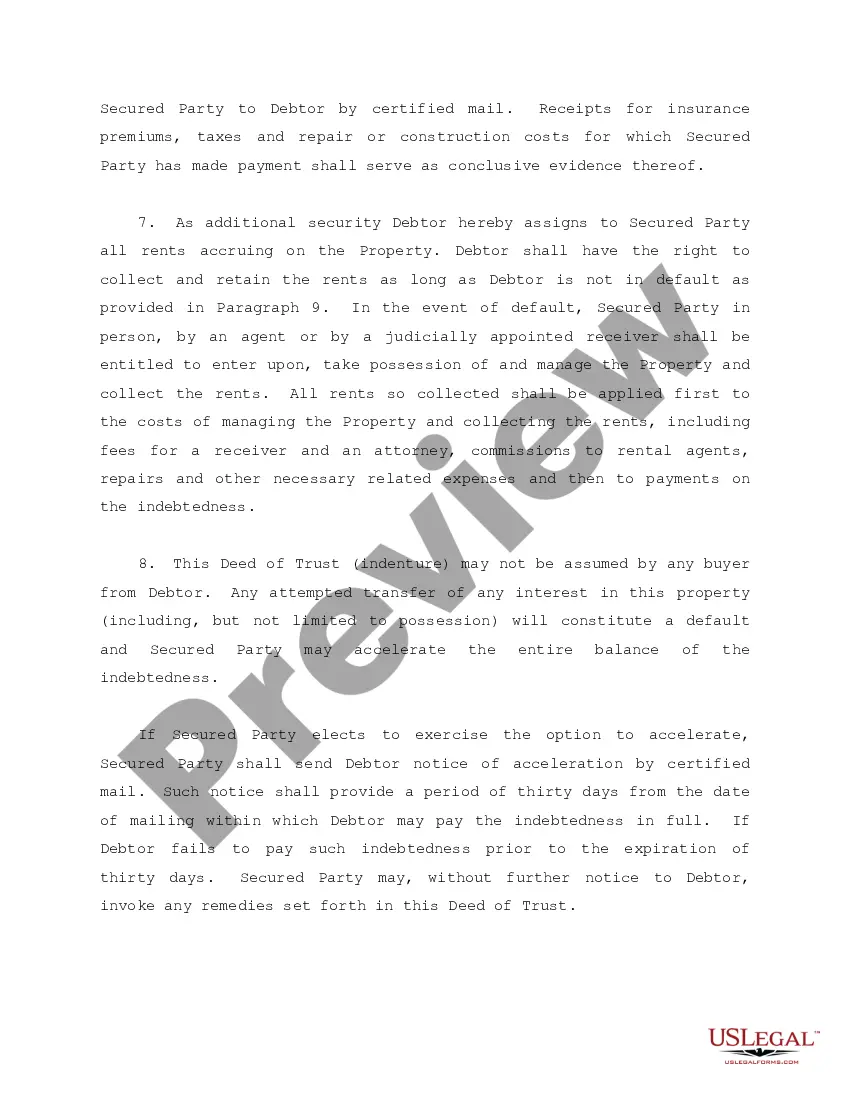
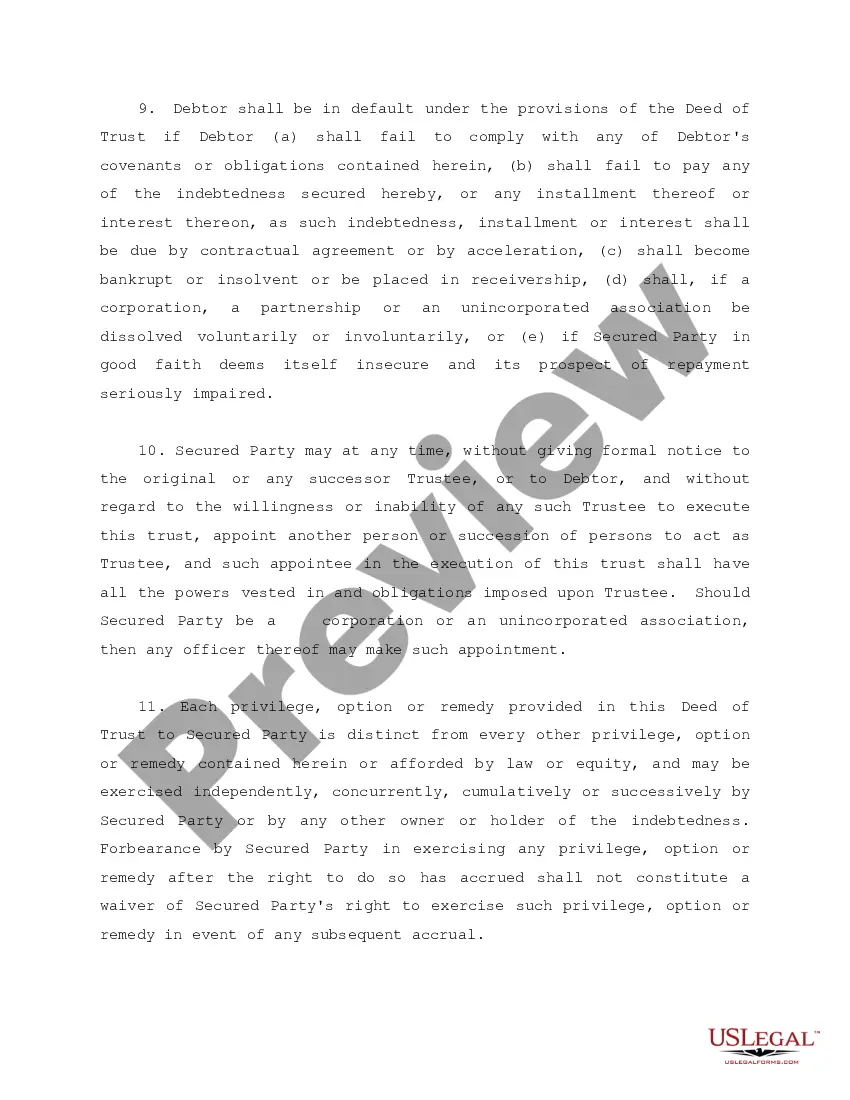
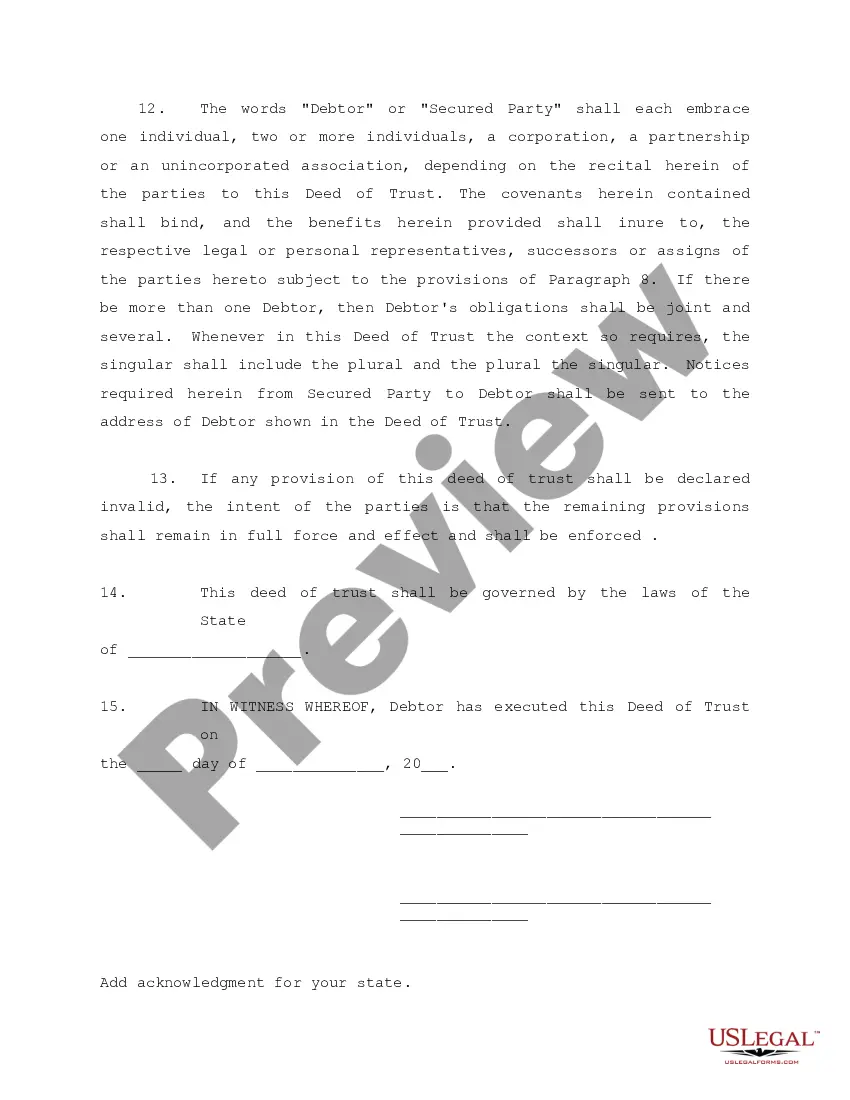
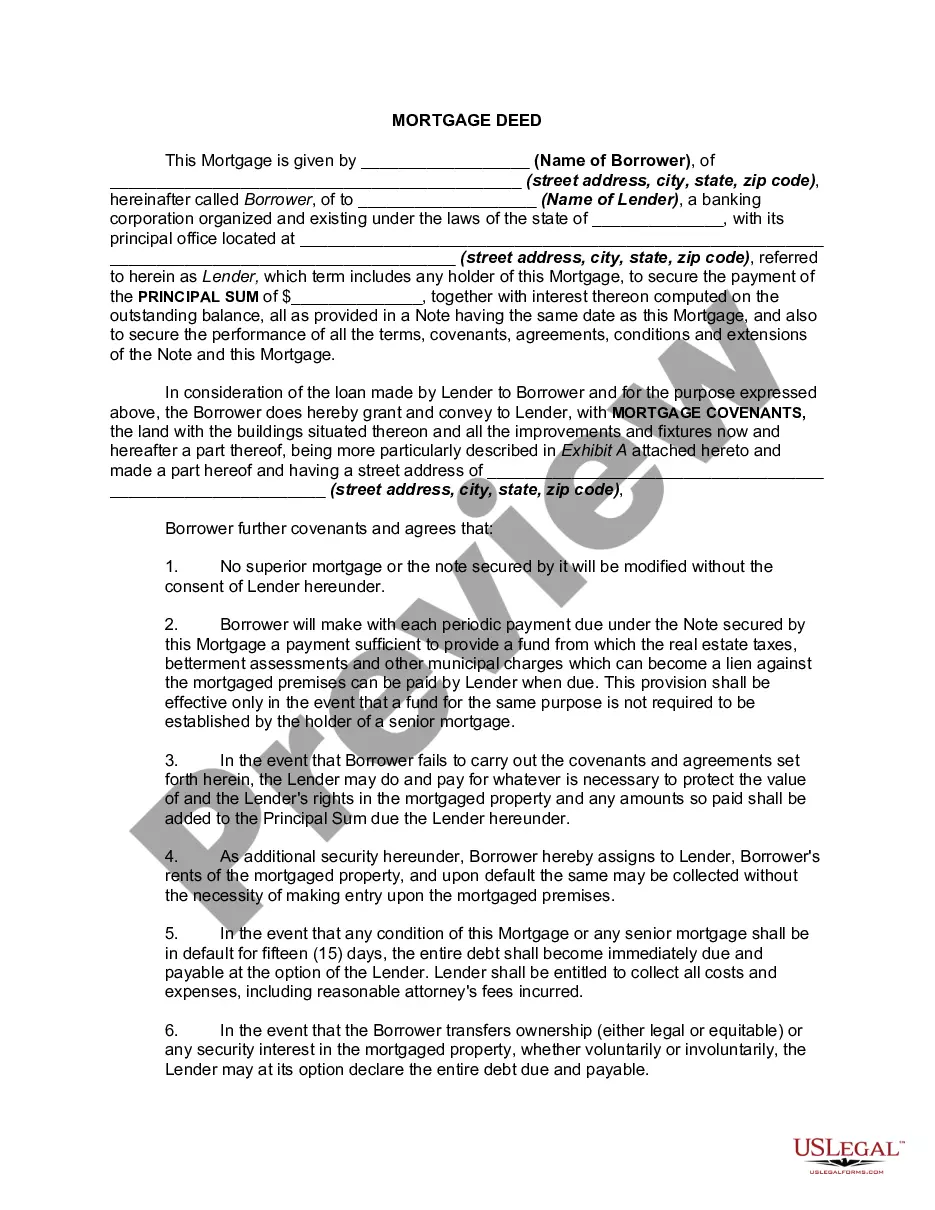
Security Debt Shall With Example In Los Angeles
Description

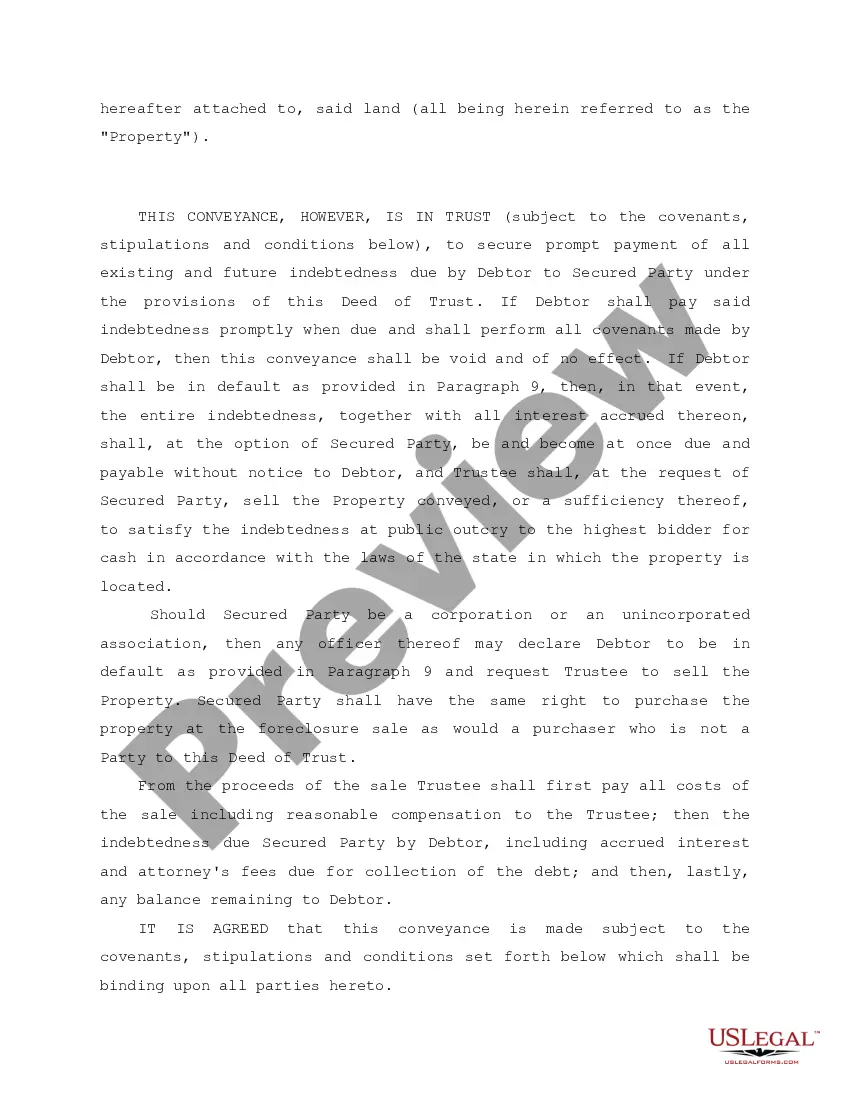
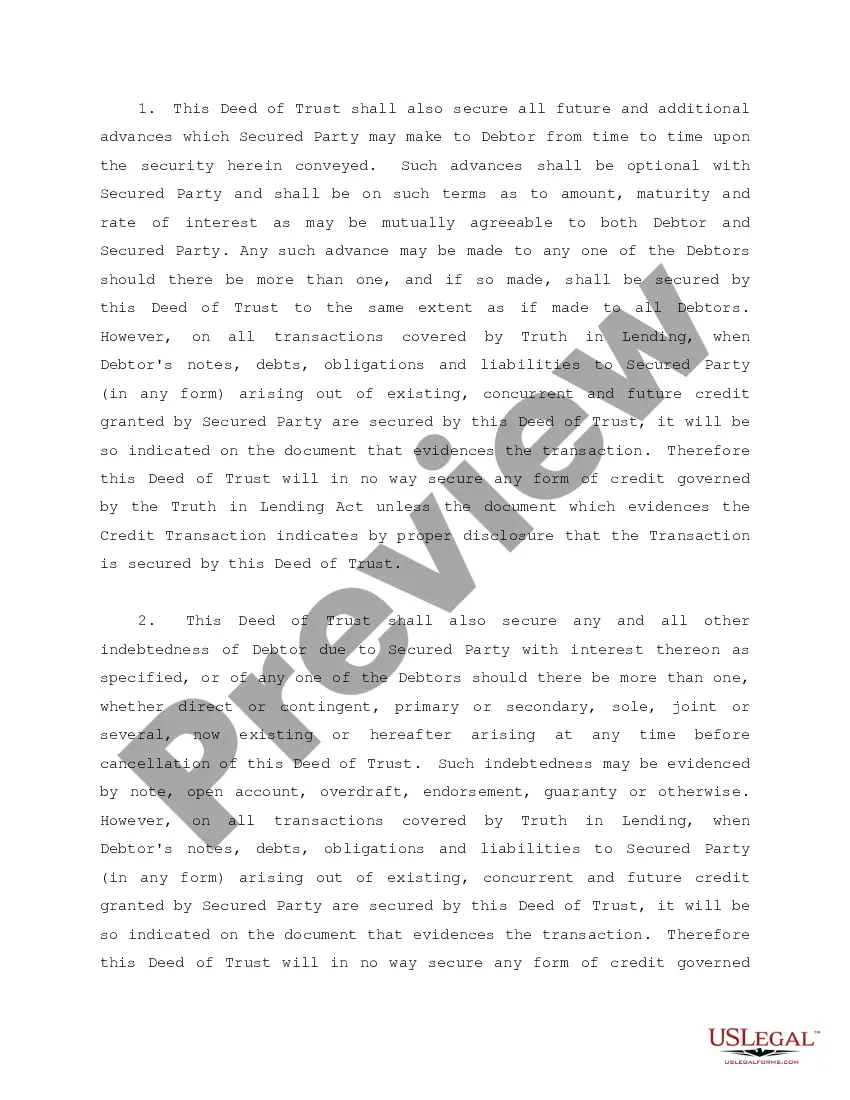
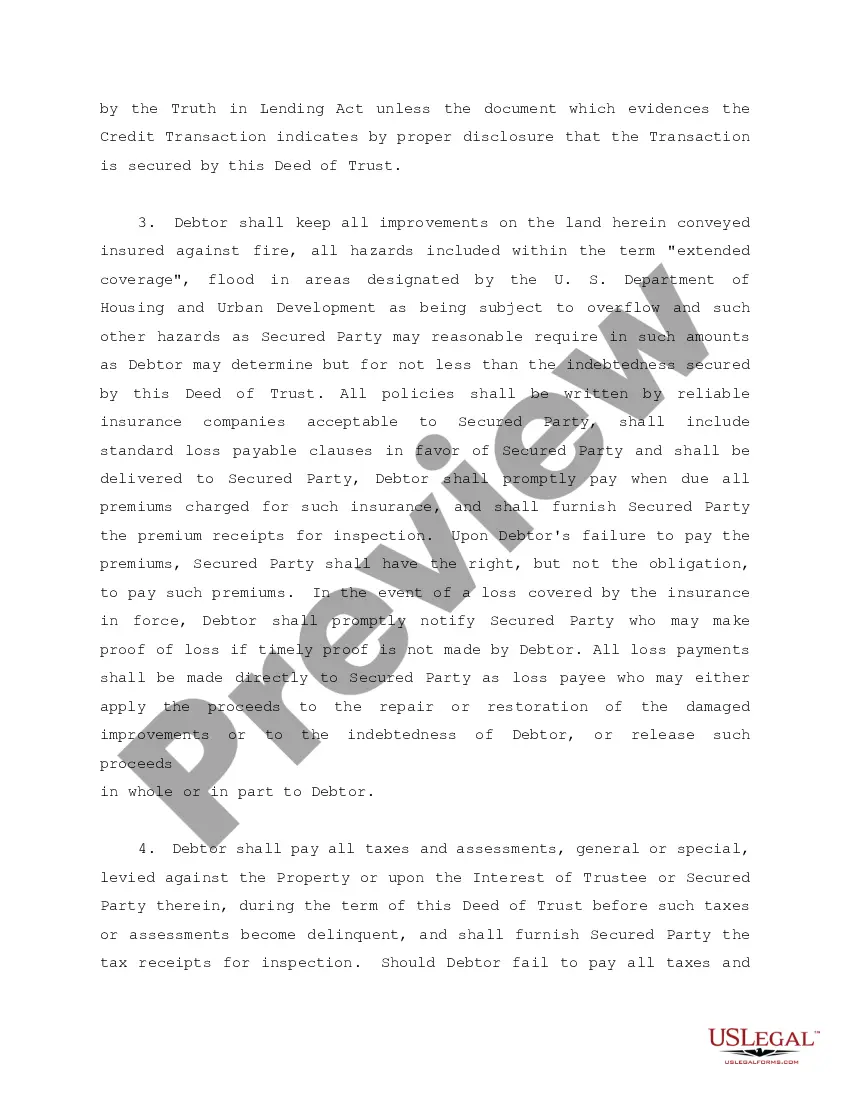
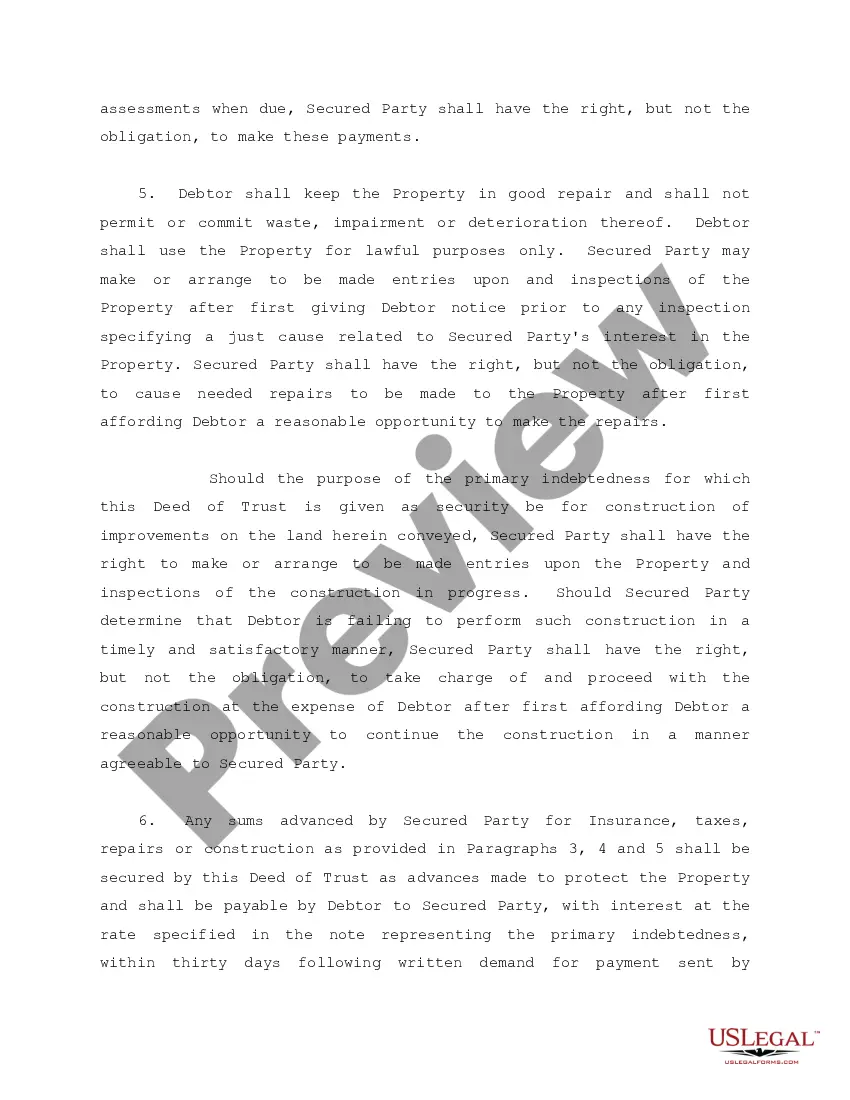

Get your form ready online
Our built-in tools help you complete, sign, share, and store your documents in one place.
Make edits, fill in missing information, and update formatting in US Legal Forms—just like you would in MS Word.
Download a copy, print it, send it by email, or mail it via USPS—whatever works best for your next step.
Sign and collect signatures with our SignNow integration. Send to multiple recipients, set reminders, and more. Go Premium to unlock E-Sign.
If this form requires notarization, complete it online through a secure video call—no need to meet a notary in person or wait for an appointment.
We protect your documents and personal data by following strict security and privacy standards.

Make edits, fill in missing information, and update formatting in US Legal Forms—just like you would in MS Word.

Download a copy, print it, send it by email, or mail it via USPS—whatever works best for your next step.

Sign and collect signatures with our SignNow integration. Send to multiple recipients, set reminders, and more. Go Premium to unlock E-Sign.

If this form requires notarization, complete it online through a secure video call—no need to meet a notary in person or wait for an appointment.

We protect your documents and personal data by following strict security and privacy standards.
Looking for another form?









Form popularity
FAQ
California Law Regarding Tenant Security Deposits YearsAnnual Interest Rate 2018 .07% 2019 .23% 2020 .23% 2021 .06%19 more rows
Are you entitled to the interest accrued on your security deposit? In the City of Los Angeles, a security deposit for a rent controlled unit must be returned with interest if the property owner has held it for more than one year. Interest can range from 0.29% to 5%.
Normal wear and tear generally refers to the expected deterioration of a rental unit as a result of the tenant's everyday use. This can include things like loose doorknobs, worn out carpet, and minor scratches on the walls and floors.
By law, security deposits must be returned when the tenant moves out, minus allowed expenses. The law limits the amount of security deposits. o Until July 1, 2024, the limit is two times the monthly rent (or, for furnished units, three times the rent). o After July 1, 2024, the limit is one month's rent.
A landlord can only deduct certain items from a security deposit. The landlord can deduct for: Cleaning the rental unit when a tenant moves out, but only to make it as clean as when the tenant first moved in. Repairing damage, other than normal wear and tear, caused by the tenant and the tenant's guests.
It's expected that a rental property will not look exactly the same after a tenant moves out as when they moved in, due to the typical effects of aging and everyday living. Examples of normal wear and tear in California might include: Fading of curtains, paint, or wallpaper due to sunlight exposure.
If the landlord doesn't return the entire security deposit within 21 days or the tenant doesn't agree with the deductions they can write a letter asking the landlord to return the security deposit. The tenant should keep a copy of the letter for their records.
If the landlord doesn't return the entire security deposit within 21 days or the tenant doesn't agree with the deductions they can write a letter asking the landlord to return the security deposit. The tenant should keep a copy of the letter for their records.
