Employee Lease Addendum For Emotional Support Animal In Queens
Description

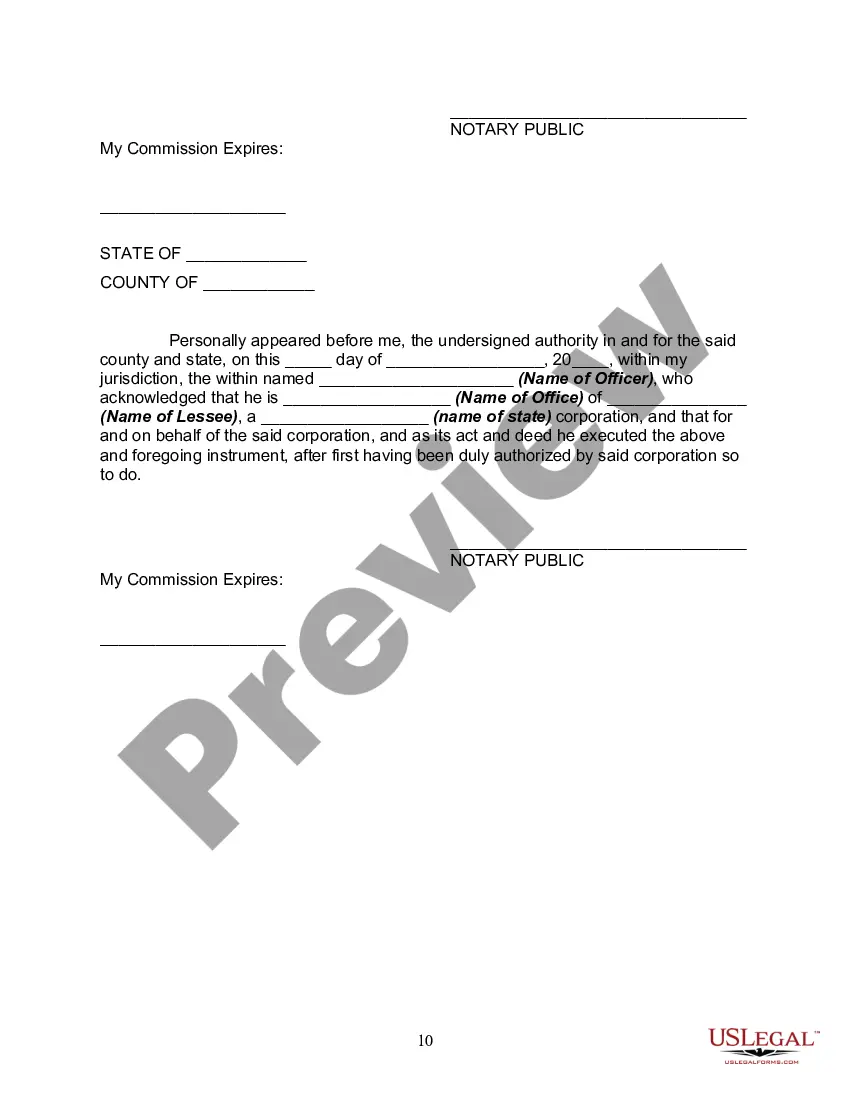
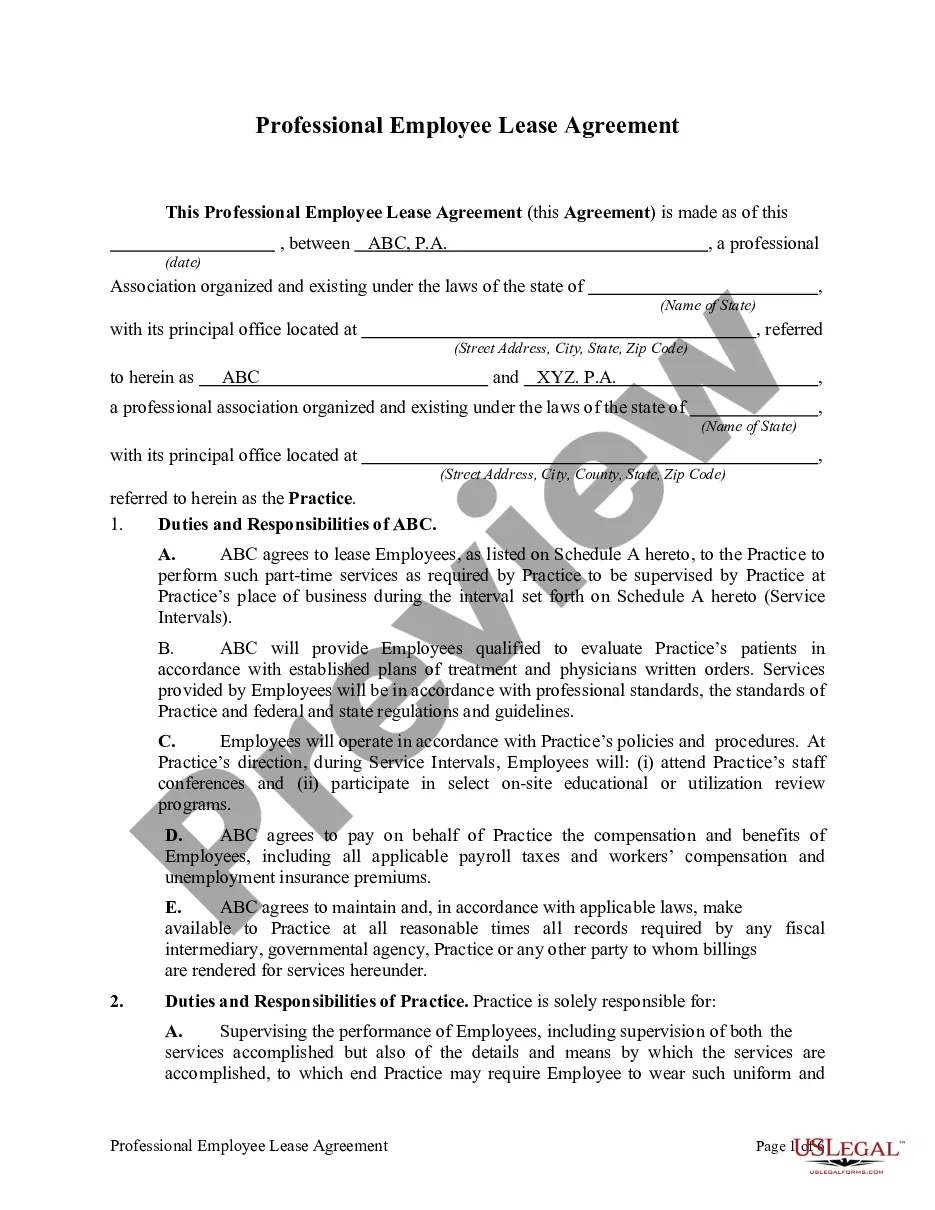
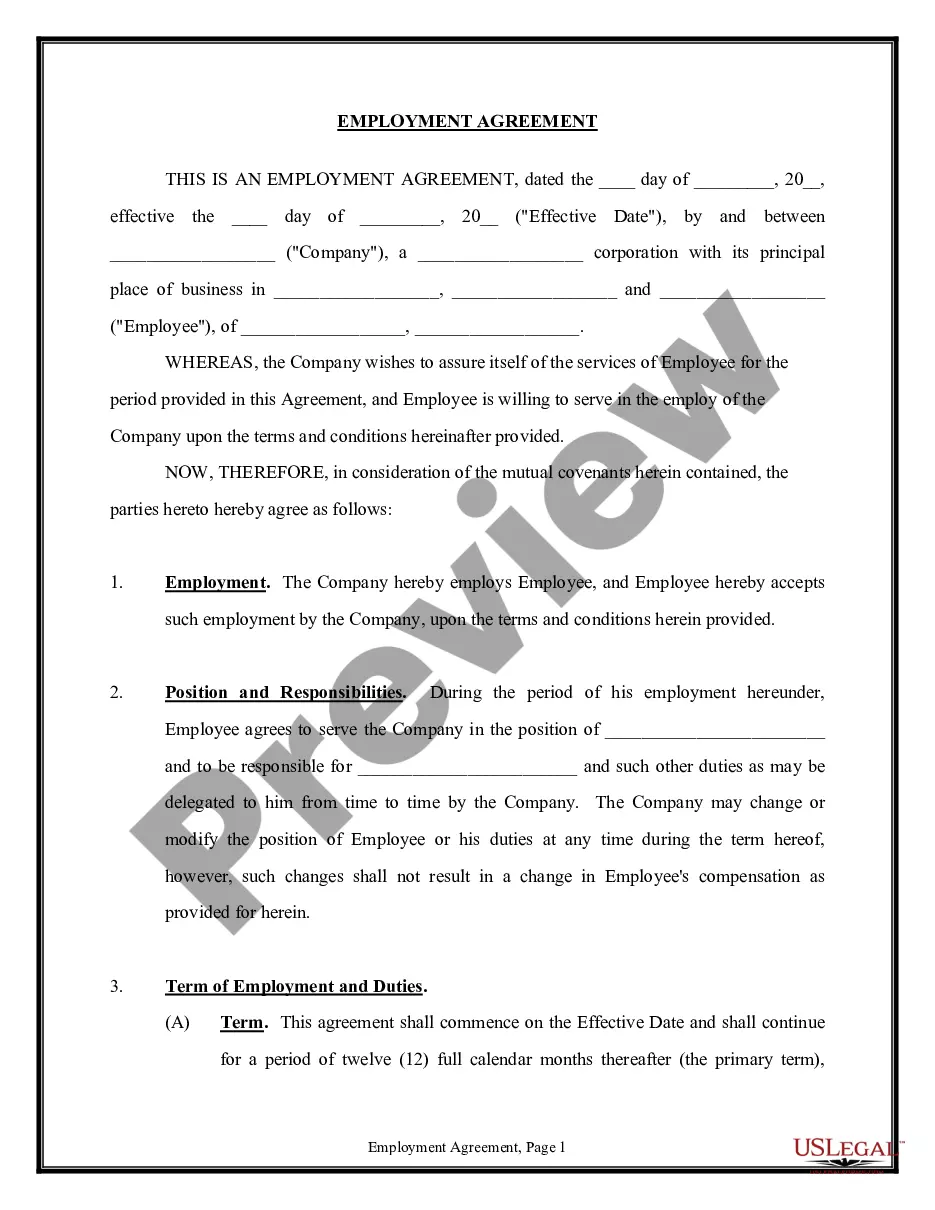
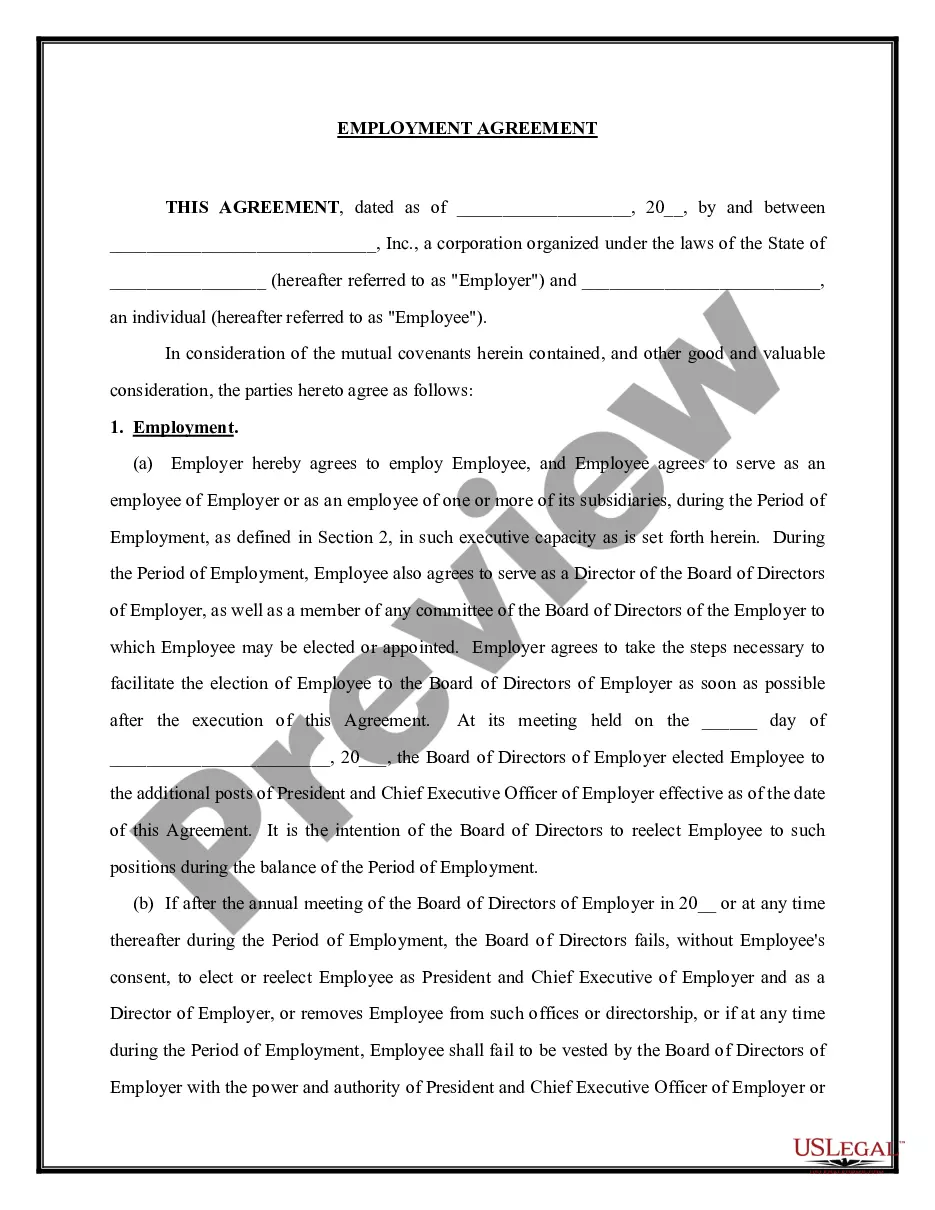
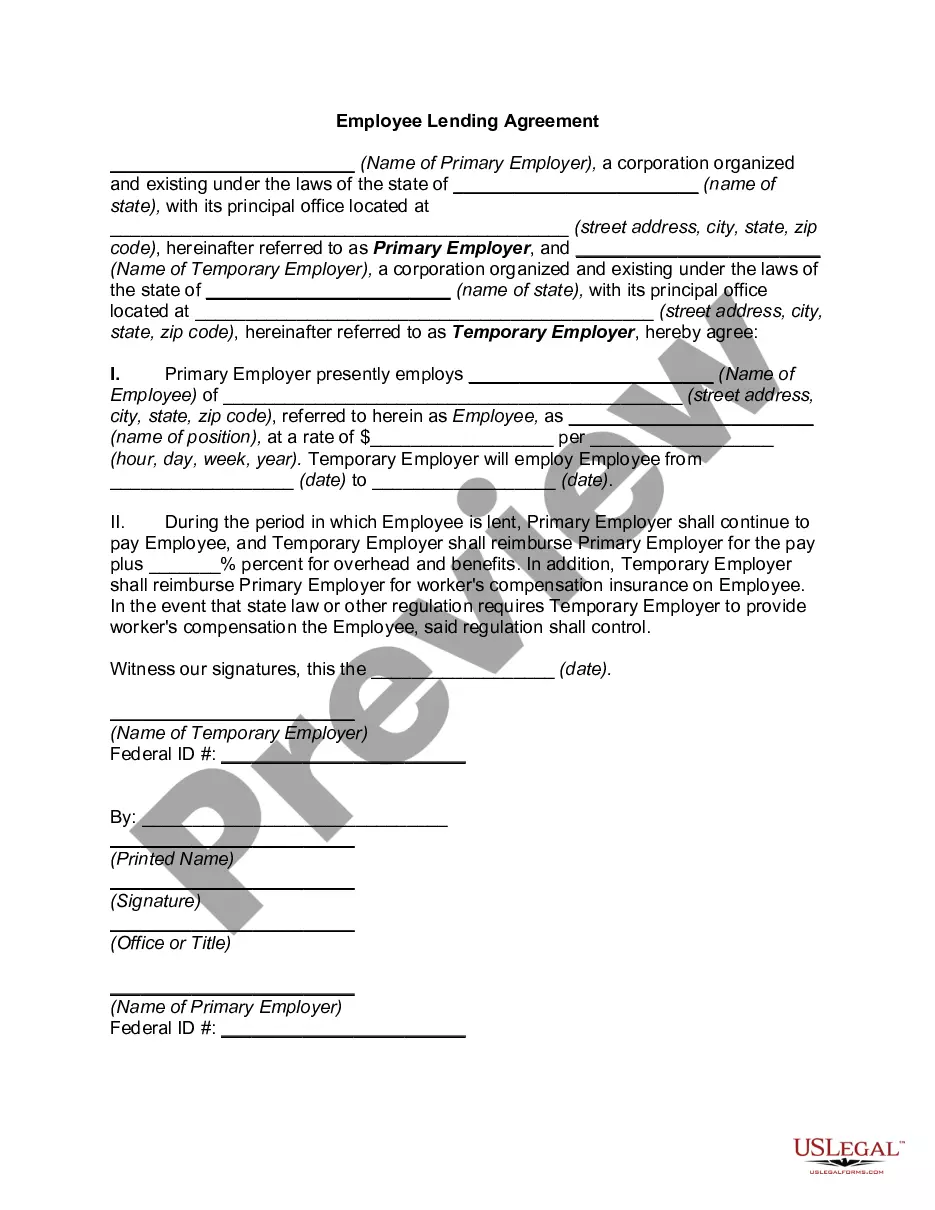
Get your form ready online
Our built-in tools help you complete, sign, share, and store your documents in one place.
Make edits, fill in missing information, and update formatting in US Legal Forms—just like you would in MS Word.
Download a copy, print it, send it by email, or mail it via USPS—whatever works best for your next step.
Sign and collect signatures with our SignNow integration. Send to multiple recipients, set reminders, and more. Go Premium to unlock E-Sign.
If this form requires notarization, complete it online through a secure video call—no need to meet a notary in person or wait for an appointment.
We protect your documents and personal data by following strict security and privacy standards.

Make edits, fill in missing information, and update formatting in US Legal Forms—just like you would in MS Word.

Download a copy, print it, send it by email, or mail it via USPS—whatever works best for your next step.

Sign and collect signatures with our SignNow integration. Send to multiple recipients, set reminders, and more. Go Premium to unlock E-Sign.

If this form requires notarization, complete it online through a secure video call—no need to meet a notary in person or wait for an appointment.

We protect your documents and personal data by following strict security and privacy standards.
Looking for another form?




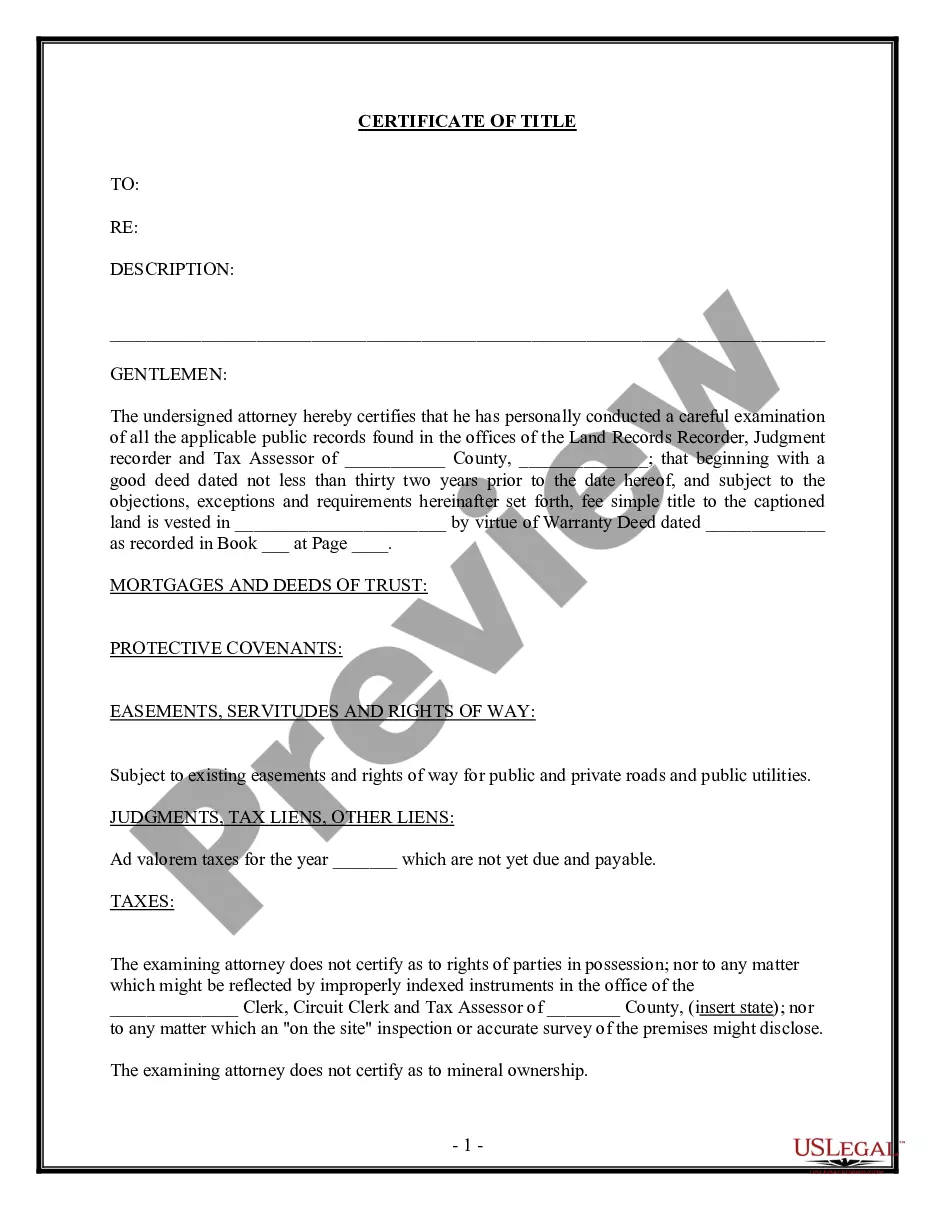





Form popularity
FAQ
Identification and Inquiry of Assistive Animals Under the FHA, a landlord is not required to automatically allow a tenant to have an assistive animal. Instead, the tenant must request the reasonable accommodation and the landlord must consider the request.
Under the federal Fair Housing Act, Utah landlords may not discriminate against those who require the use of service animals or emotional support animals, although Utah only recognizes dogs as service animals.
``I'm writing this email to inform you that I have recently received a prescription for an emotional support animal from my therapist, which I intend to live with me in my rental unit, and to request reasonable accommodation. I have been diagnosed with an ongoing disability and require assistance in my daily life.
As a landlord, you can verify the letter in a number of ways. Keep in mind, however, that you may not, for any reason, have direct contact with your tenant's therapist. Attempting to do so may be considered a violation of federal law and the client could have cause to report you or your business to HUD.
A. Yes. Housing providers, including shelters and other forms of temporary or supportive housing, must permit residents to keep emotional support animals as a reasonable accommodation for a disability, unless it would cause an undue hardship to the housing provider.
For a person to legally have an emotional support animal (ESA), the owner must be considered to have a qualifying mental health or psychiatric disability by a licensed mental health professional (e.g., therapist, psychologist, psychiatrist, etc.), which is documented by a properly formatted prescription letter.
Wait until a landlord accepts your application and offers you the place, then tell them you have an ESA and ask if that should be reflected in the lease or not. If they withdraw the offer you have a pretty strong case of housing discrimination (assuming you can prove the animal has ESA bona fides).
Immediately write an email and request that all communication concerning the ESA be kept through email. Do not answer any phone calls from your landlords after this. You want a clear paper trail.
The letter should provide sufficient details about the individual's disability and the animal that is providing emotional support. The letter should include the individual's name, age, and contact information. It should also include the mental health diagnosis and the type of emotional support animal.
Be Polite and Professional: Write a formal email or letter. Here's a template you can use: Subject: Request for Permission to Have a Dog Dear (Landlord's Name), I hope this message finds you well. I am writing to request your permission to have a dog in my apartment at (Your Address).
