Secure Debt Shall Forget The Day Lyrics In Illinois
Description

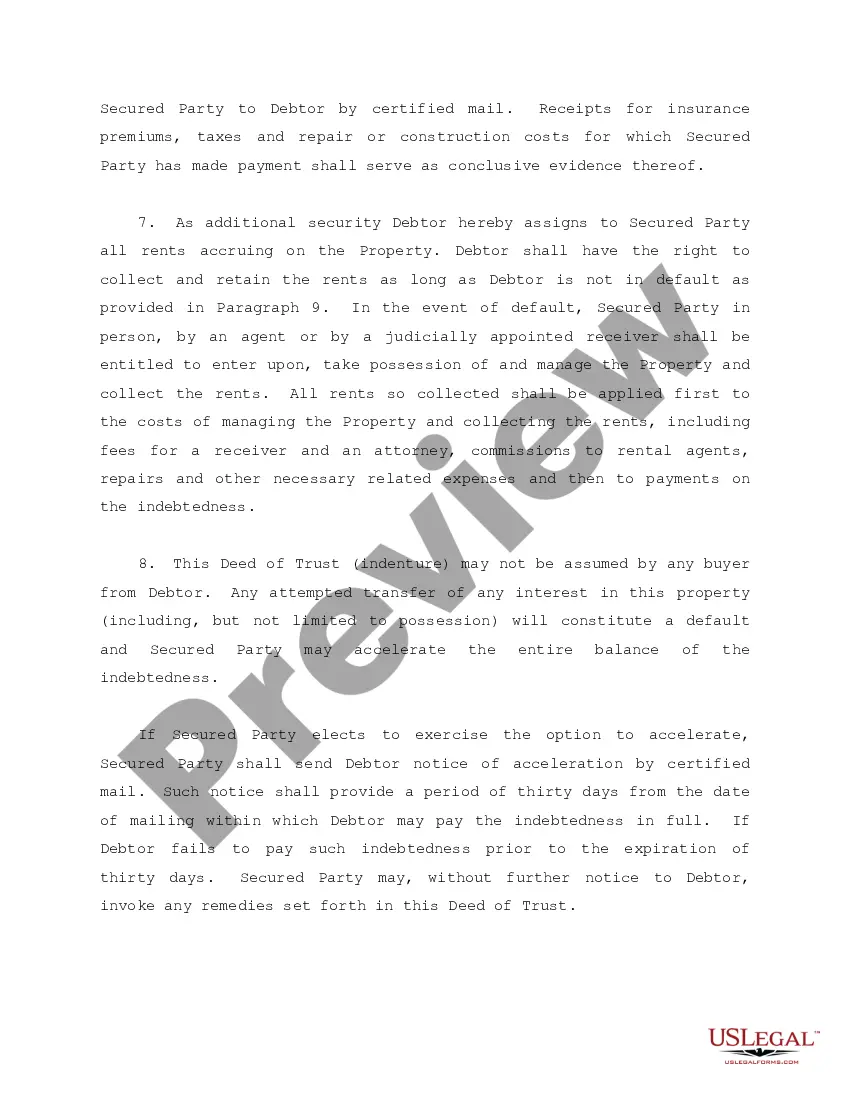
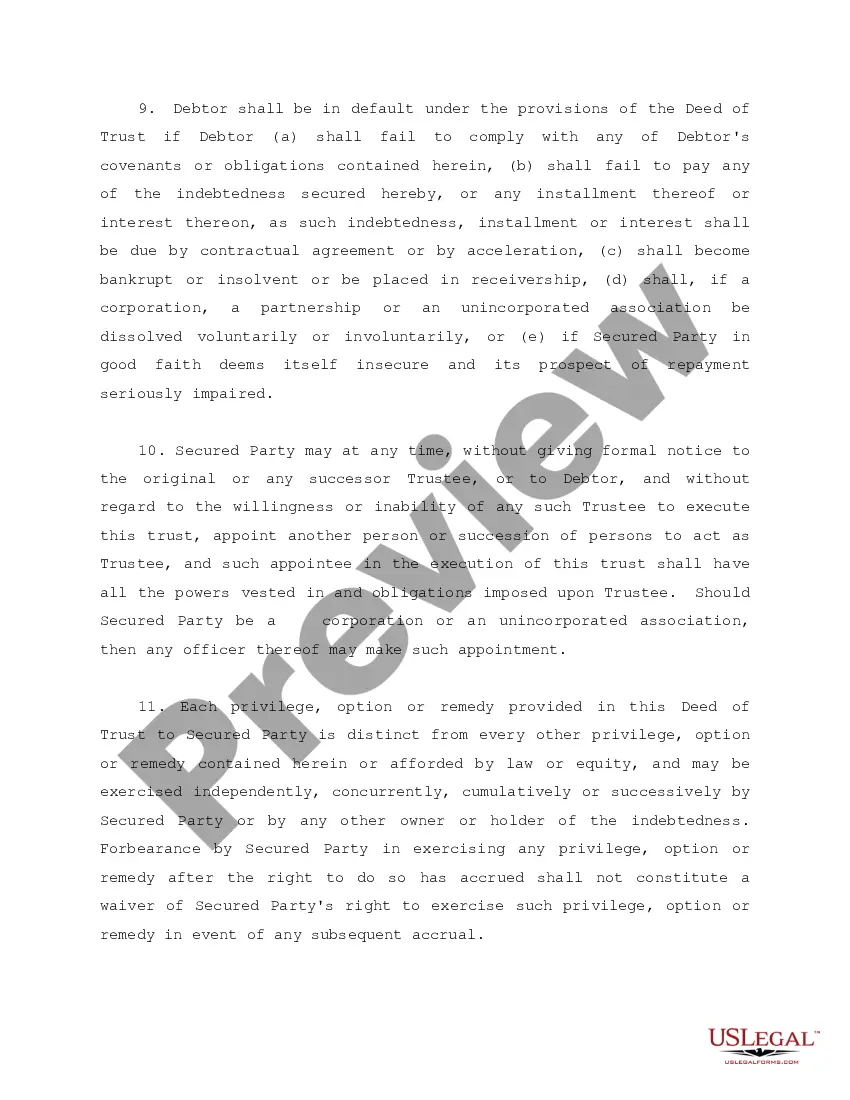
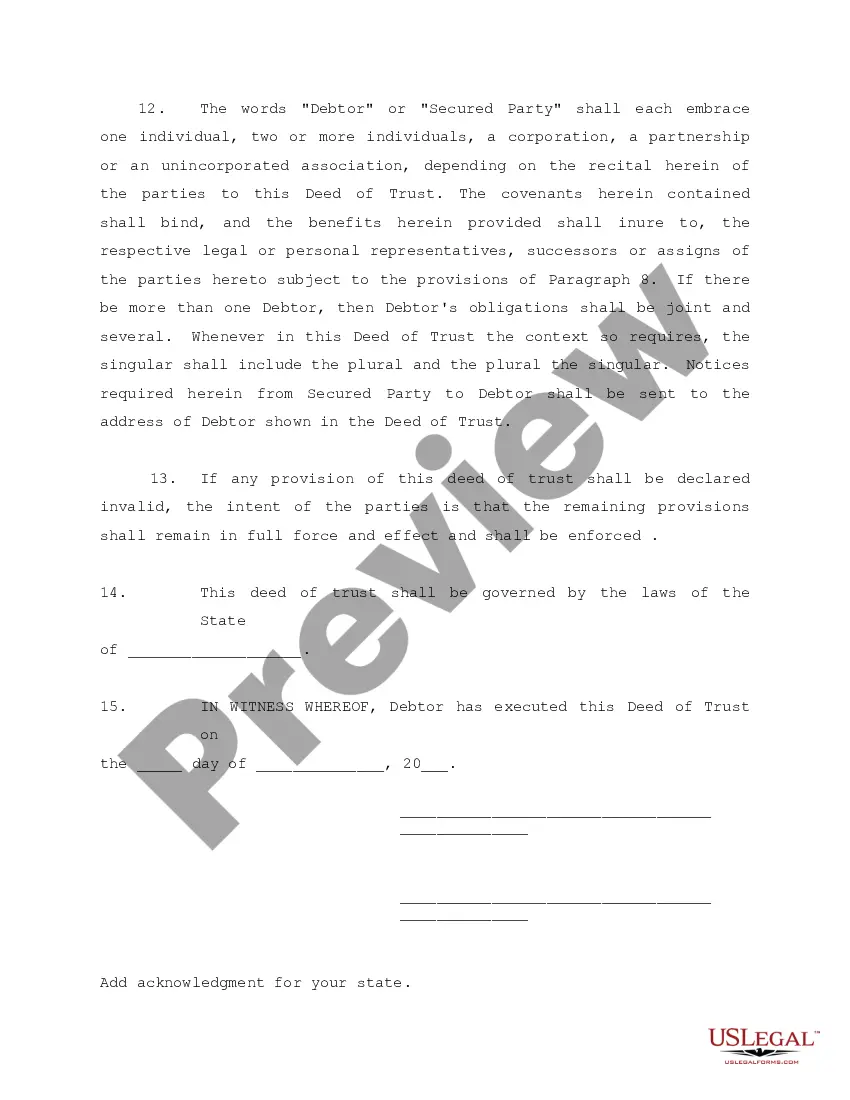
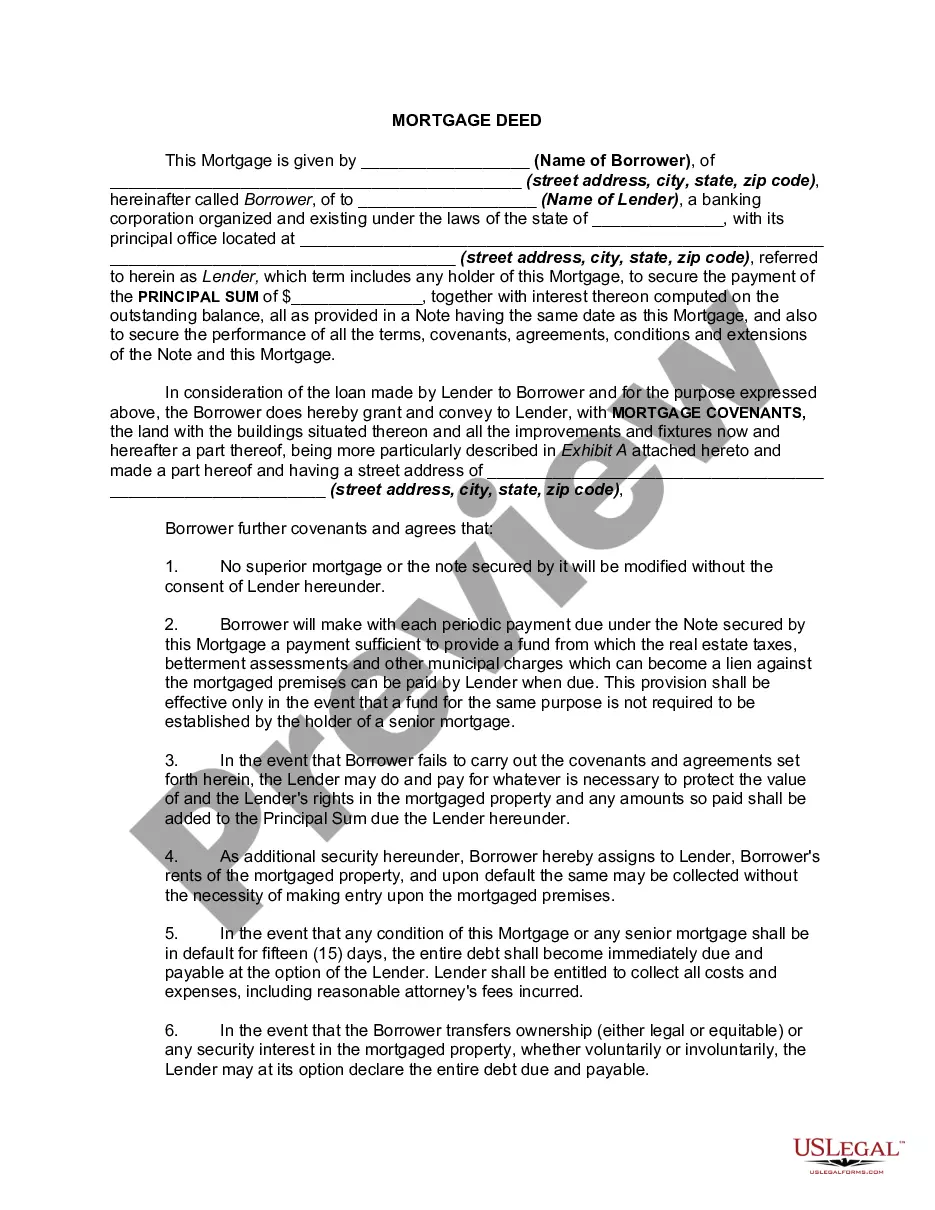

Get your form ready online
Our built-in tools help you complete, sign, share, and store your documents in one place.
Make edits, fill in missing information, and update formatting in US Legal Forms—just like you would in MS Word.
Download a copy, print it, send it by email, or mail it via USPS—whatever works best for your next step.
Sign and collect signatures with our SignNow integration. Send to multiple recipients, set reminders, and more. Go Premium to unlock E-Sign.
If this form requires notarization, complete it online through a secure video call—no need to meet a notary in person or wait for an appointment.
We protect your documents and personal data by following strict security and privacy standards.

Make edits, fill in missing information, and update formatting in US Legal Forms—just like you would in MS Word.

Download a copy, print it, send it by email, or mail it via USPS—whatever works best for your next step.

Sign and collect signatures with our SignNow integration. Send to multiple recipients, set reminders, and more. Go Premium to unlock E-Sign.

If this form requires notarization, complete it online through a secure video call—no need to meet a notary in person or wait for an appointment.

We protect your documents and personal data by following strict security and privacy standards.
Looking for another form?








Form popularity
FAQ
Some collectors want 75%–80% of what you owe. Others will take 50%, while others might settle for one-third or less. So, it makes sense to start low with your first offer and see what happens. And be aware that some collectors won't accept anything less than the total debt amount.
Defenses you can use in a debt lawsuit Defense: Running the statute of limitations. The plaintiff must file a lawsuit within a set amount of time. Breach of contract by Plaintiff. No breach by Defendant. Discharge by bankruptcy. Statute of frauds. Satisfaction. Cancelation of contract. Lack of Consideration.
If you go to court, the judge will tell you when you need to file your Answer. Be sure to file the Answer on or before the judge's deadline. For some lawsuits, the Summons will state that you must file an Appearance and Answer within 30 days after the day you are served. You may want to talk to a lawyer before filing.
Specifically, the rule states that a debt collector cannot: Make more than seven calls within a seven-day period to a consumer regarding a specific debt. Call a consumer within seven days after having a telephone conversation about that debt.
Statute of Limitations in Illinois Illinois statute of limitations on “unwritten debt,” which includes credit cards, is five years.
Getting your debt lawsuit dismissed Validate the debt. Your first step is to ensure the debt is actually valid. Check for statute of limitations. Lack of standing. Errors in documentation. Settlement negotiations. Counterclaims and defenses. Seek legal counsel. Mediation and arbitration.
If you agree to make payments over time Draft a new contract and dismiss the case. You and the plaintiff could draft a new contract describing your agreement for making payments and then dismiss the case. Draft a settlement agreement and conditionally dismiss the case. Draft a stipulated judgment.
