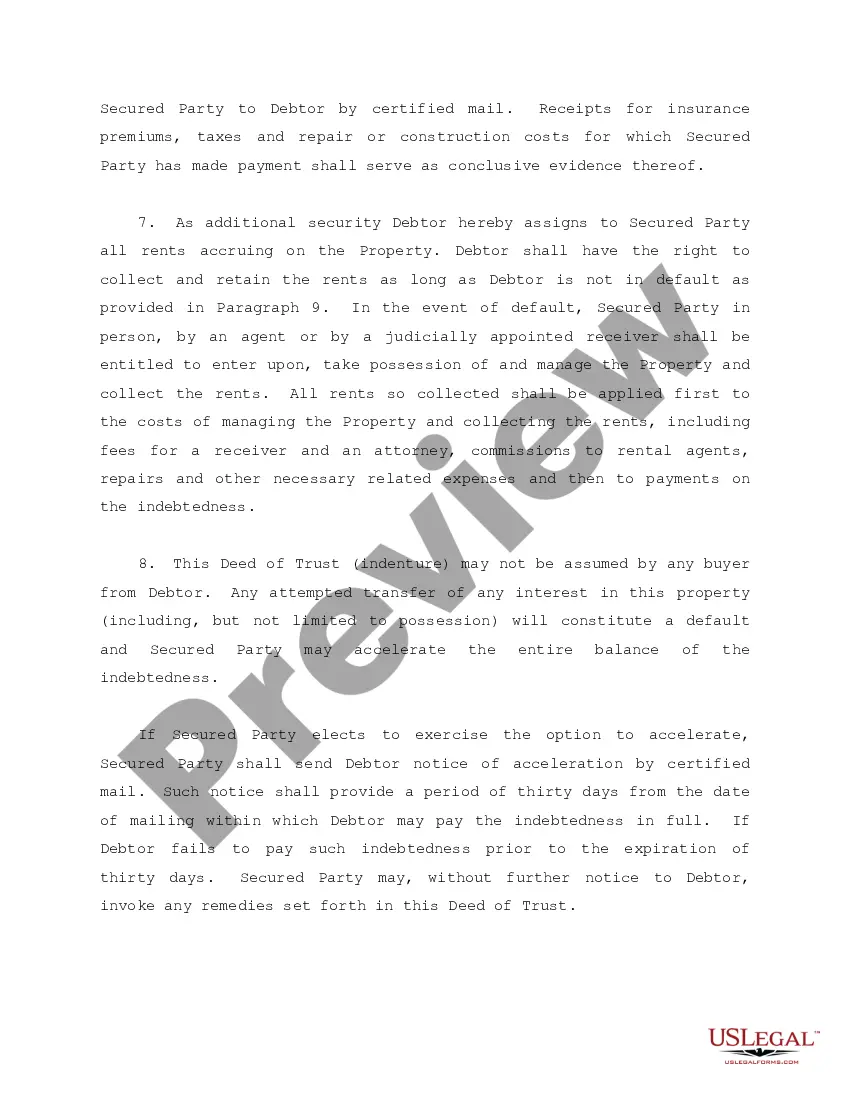
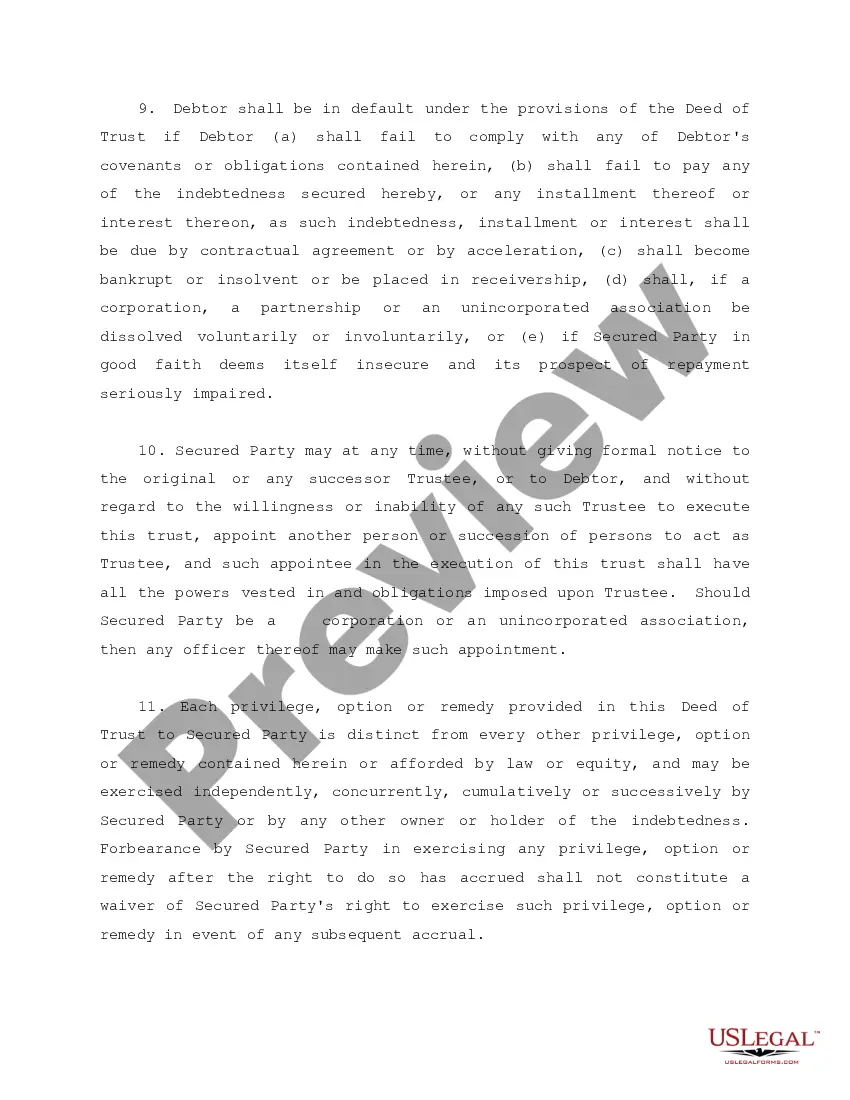
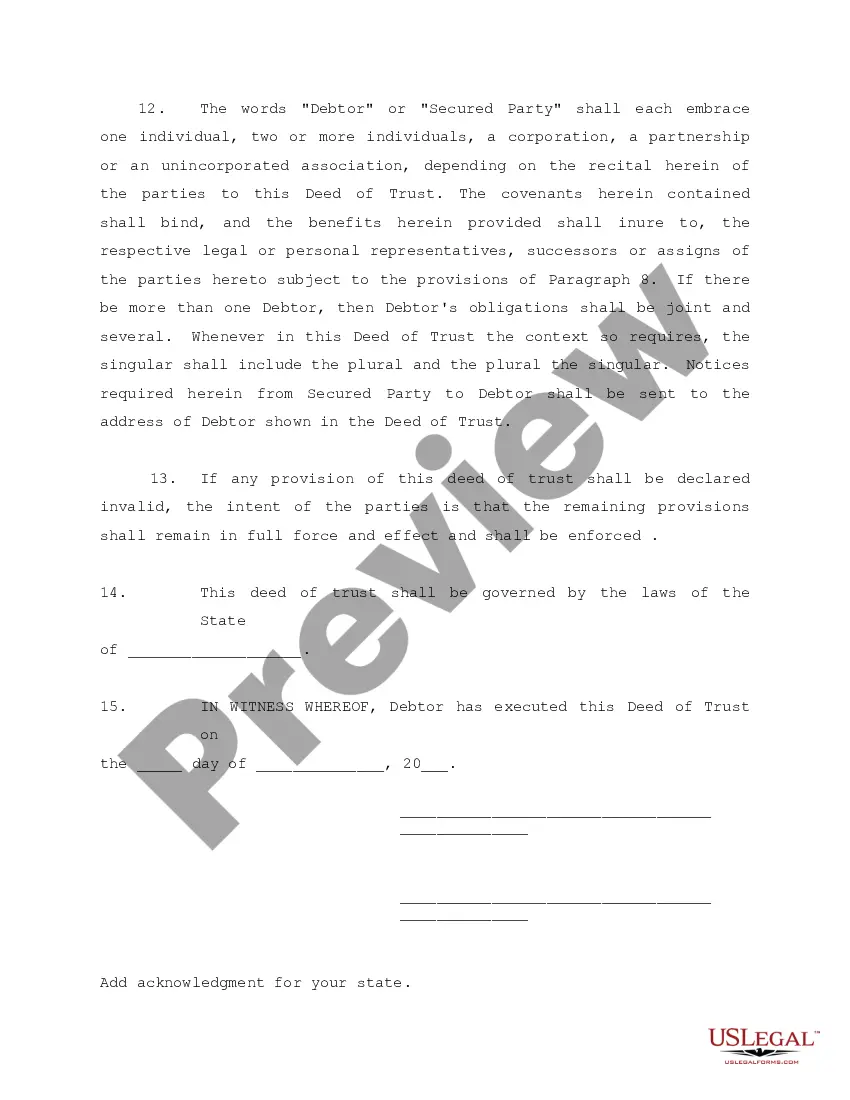
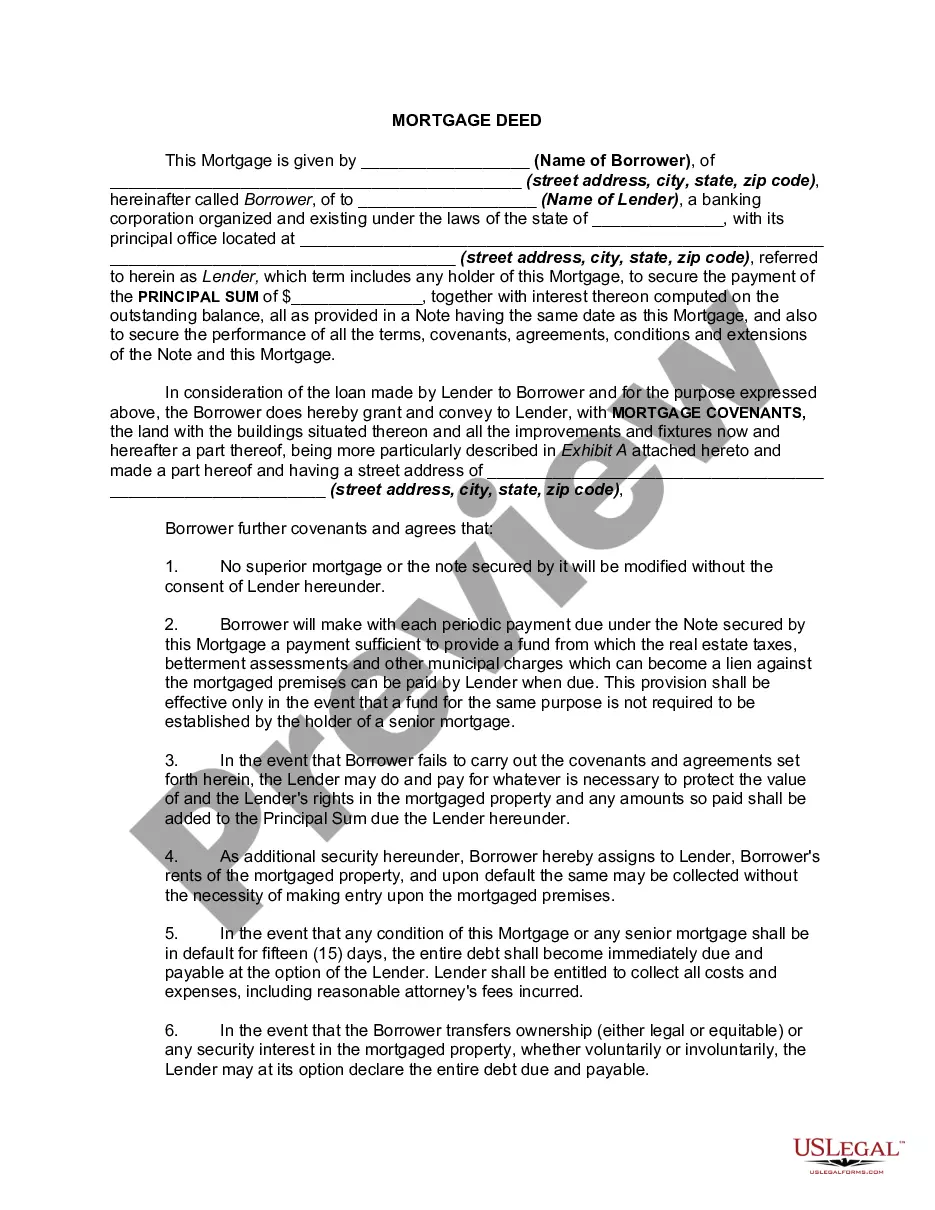
Secured Debt Any Formula In Florida
Description


Get your form ready online
Our built-in tools help you complete, sign, share, and store your documents in one place.
Make edits, fill in missing information, and update formatting in US Legal Forms—just like you would in MS Word.
Download a copy, print it, send it by email, or mail it via USPS—whatever works best for your next step.
Sign and collect signatures with our SignNow integration. Send to multiple recipients, set reminders, and more. Go Premium to unlock E-Sign.
If this form requires notarization, complete it online through a secure video call—no need to meet a notary in person or wait for an appointment.
We protect your documents and personal data by following strict security and privacy standards.

Make edits, fill in missing information, and update formatting in US Legal Forms—just like you would in MS Word.

Download a copy, print it, send it by email, or mail it via USPS—whatever works best for your next step.

Sign and collect signatures with our SignNow integration. Send to multiple recipients, set reminders, and more. Go Premium to unlock E-Sign.

If this form requires notarization, complete it online through a secure video call—no need to meet a notary in person or wait for an appointment.

We protect your documents and personal data by following strict security and privacy standards.
Looking for another form?
Form popularity
FAQ
Credit card debt is by far the most common type of unsecured debt. If you fail to make credit card payments, the card issuer cannot repossess the items you purchased.
A Chapter 7 bankruptcy is typically removed from your credit report 10 years after the date you filed, and this is done automatically, so you don't have to initiate that removal.
That being said, here's what you're not allowed to do with a Chapter 7: Lie under oath about your financial or property assets. Keep property that must be used to discharge your debts. Miss payments to certain creditors in order to keep your home.
Unsecured debt is any debt where there is no collateral, such as student loans, credit cards, and personal loans. A lender will figure out your unsecured debt ratio by calculating all your unsecured debts and dividing this figure by your annual income and multiplying it by 100 to get a percentage.
Unsecured debt is any debt where there is no collateral, such as student loans, credit cards, and personal loans. A lender will figure out your unsecured debt ratio by calculating all your unsecured debts and dividing this figure by your annual income and multiplying it by 100 to get a percentage.
Other than tenants by entireties and homestead, the major protection from creditors in Florida is the unlimited head of household wage exemption. The wages of a debtor who is head of household are exempt from creditor collection. This exemption extends to wages deposited in a bank account for up to six months.
If you file for a Chapter 7 bankruptcy, your secured debt may be discharged, but the lender is also able to repossess the property that secured the debt. In other words, if you have a mortgage on your home and file a Chapter 7 bankruptcy, the mortgage debt may be discharged but the lender can take back your home.
What Are the Current Chapter 13 Debt Limits? The debt limitations set for cases filed between April 1, 2022, and March 31, 2025, are $1,395,875 of secured debt, and $465,275 of unsecured debt.
Secured Debt Ratio means the quotient (expressed as a percentage) of (a) all Secured Debt divided by (b) Total Asset Value.