Security Debt Any With Example In Fairfax
Description


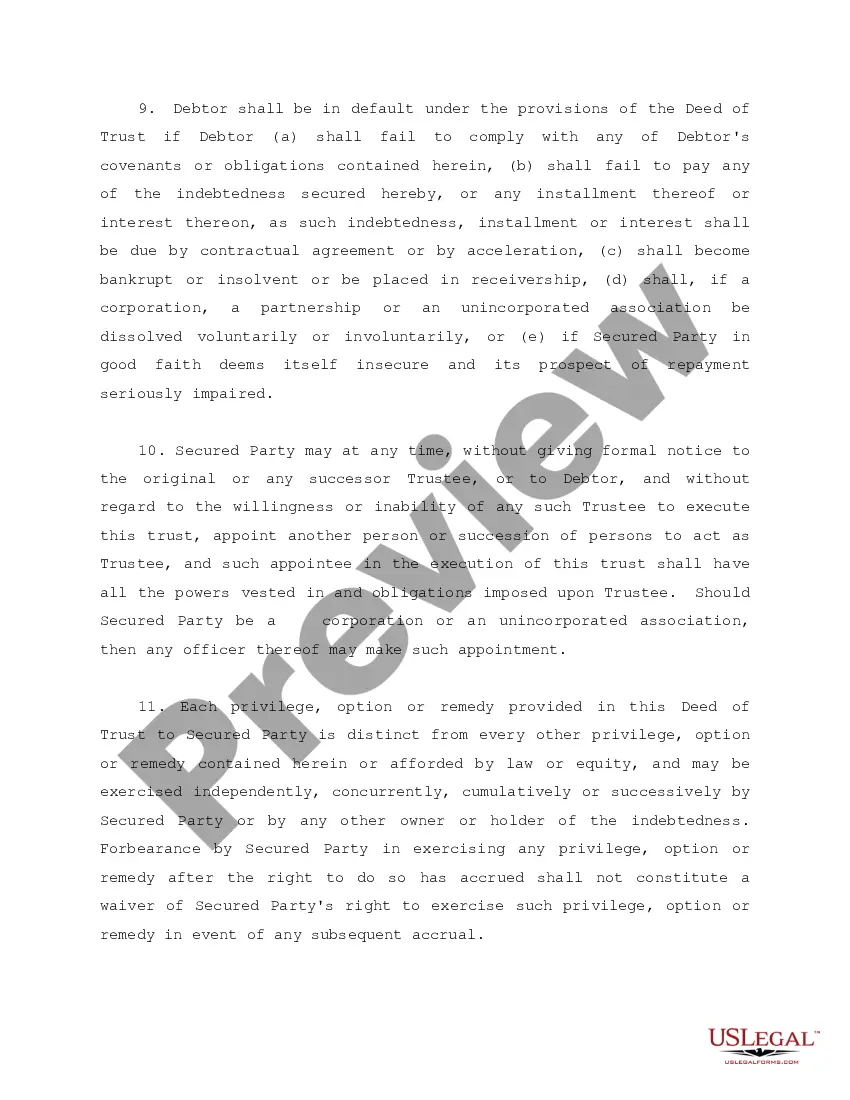
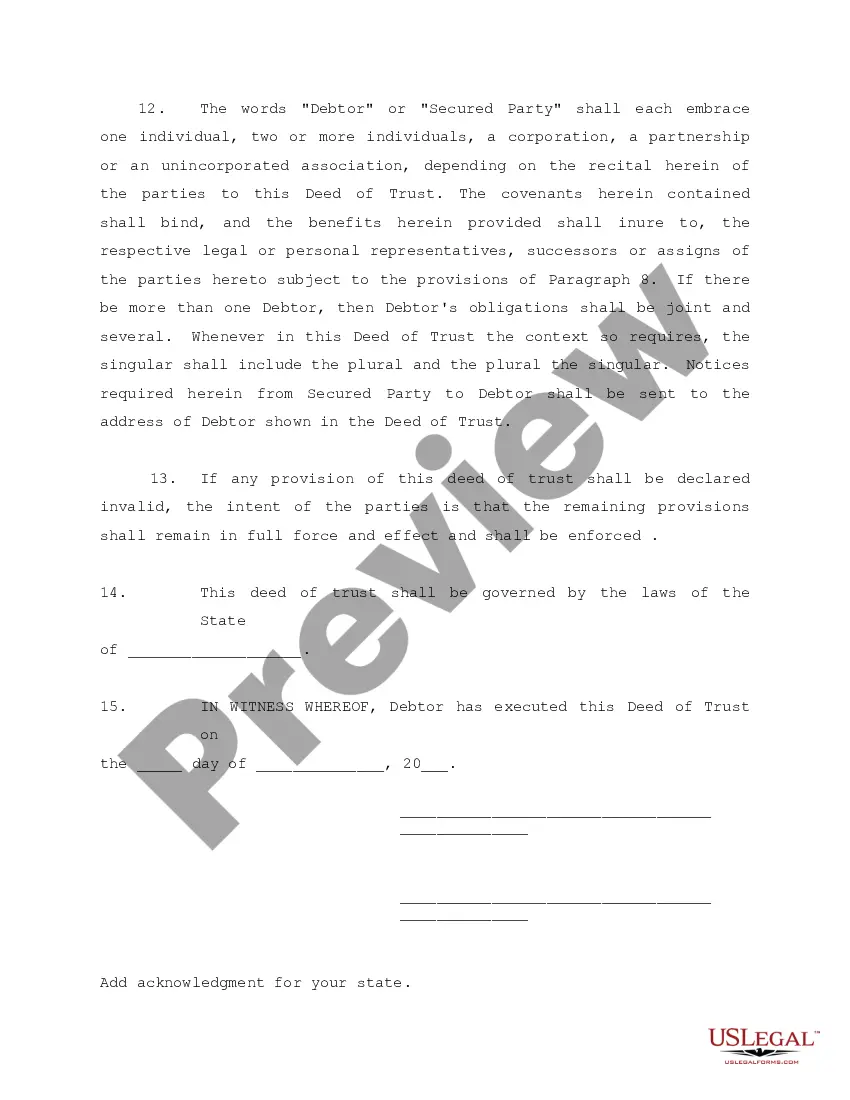
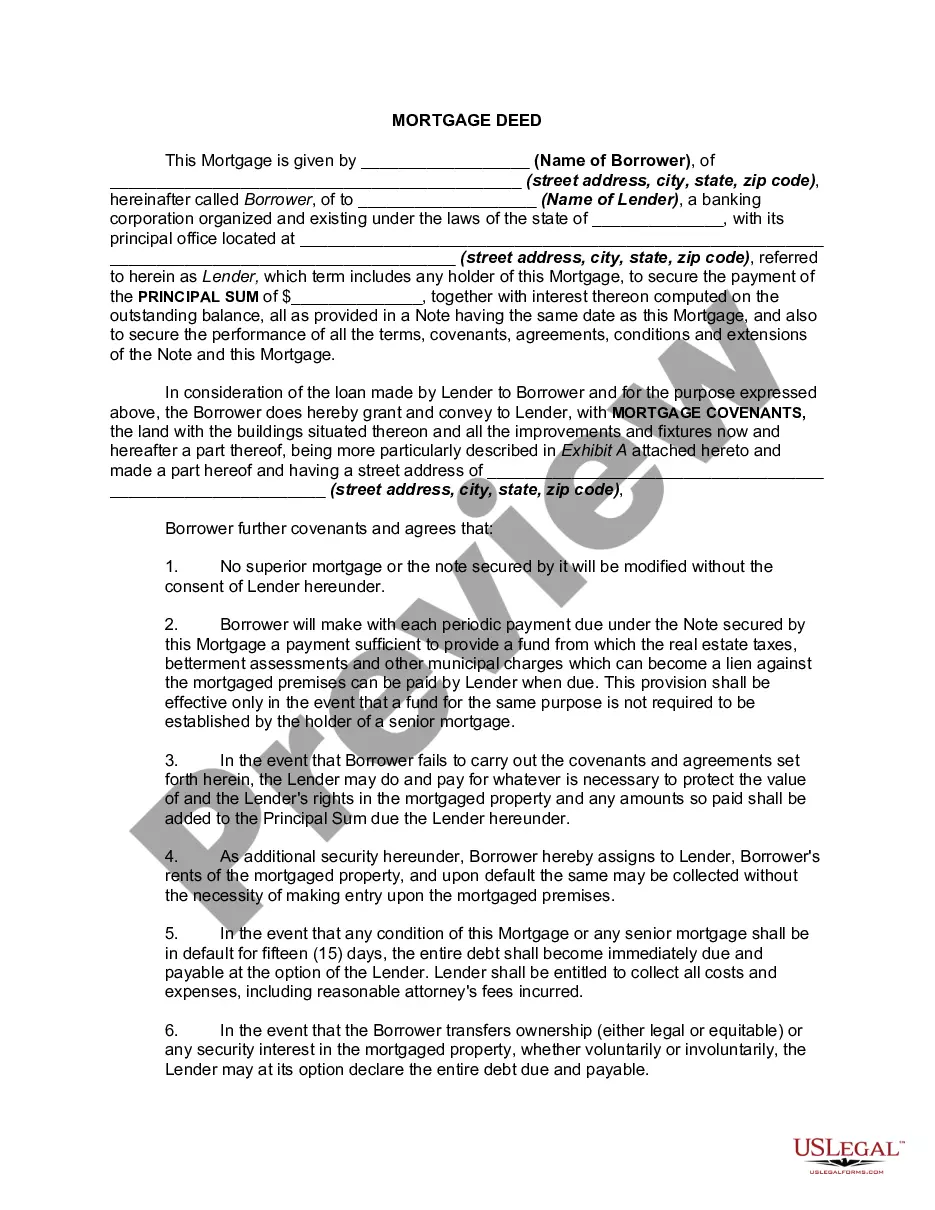

Get your form ready online
Our built-in tools help you complete, sign, share, and store your documents in one place.
Make edits, fill in missing information, and update formatting in US Legal Forms—just like you would in MS Word.
Download a copy, print it, send it by email, or mail it via USPS—whatever works best for your next step.
Sign and collect signatures with our SignNow integration. Send to multiple recipients, set reminders, and more. Go Premium to unlock E-Sign.
If this form requires notarization, complete it online through a secure video call—no need to meet a notary in person or wait for an appointment.
We protect your documents and personal data by following strict security and privacy standards.

Make edits, fill in missing information, and update formatting in US Legal Forms—just like you would in MS Word.

Download a copy, print it, send it by email, or mail it via USPS—whatever works best for your next step.

Sign and collect signatures with our SignNow integration. Send to multiple recipients, set reminders, and more. Go Premium to unlock E-Sign.

If this form requires notarization, complete it online through a secure video call—no need to meet a notary in person or wait for an appointment.

We protect your documents and personal data by following strict security and privacy standards.
Looking for another form?






Form popularity
FAQ
How do I fill this out? Gather all necessary information regarding the debt. Fill in the plaintiff's and defendant's details accurately. Specify the amount owed, including interest and fees. Indicate any claims regarding the homestead exemption. Submit the completed form to the appropriate court.
Conclusion: Going to small claims court may be worth it for $500, but it will determine how you weigh your costs versus benefits. At a minimum, it is worth it to send a demand letter.
All motions, except motions for the qualification of attorneys at law to practice in this Court, shall be in writing and filed with the clerk of this Court. All motions shall contain a statement by the movant that the other parties to the appeal have been informed of the intended filing of the motion.
Small claims cases take less time than civil litigation. The streamlined process ensures laypeople can file the case without an attorney. Filing fees are lower, and judges give litigants more latitude in following court rules.
You really need an attorney to review the facts of your case, appear on your behalf, negotiate with the plaintiff and generally defend your legal rights.
