Secured Debt Any With A Sinking Fund In Cuyahoga
Description

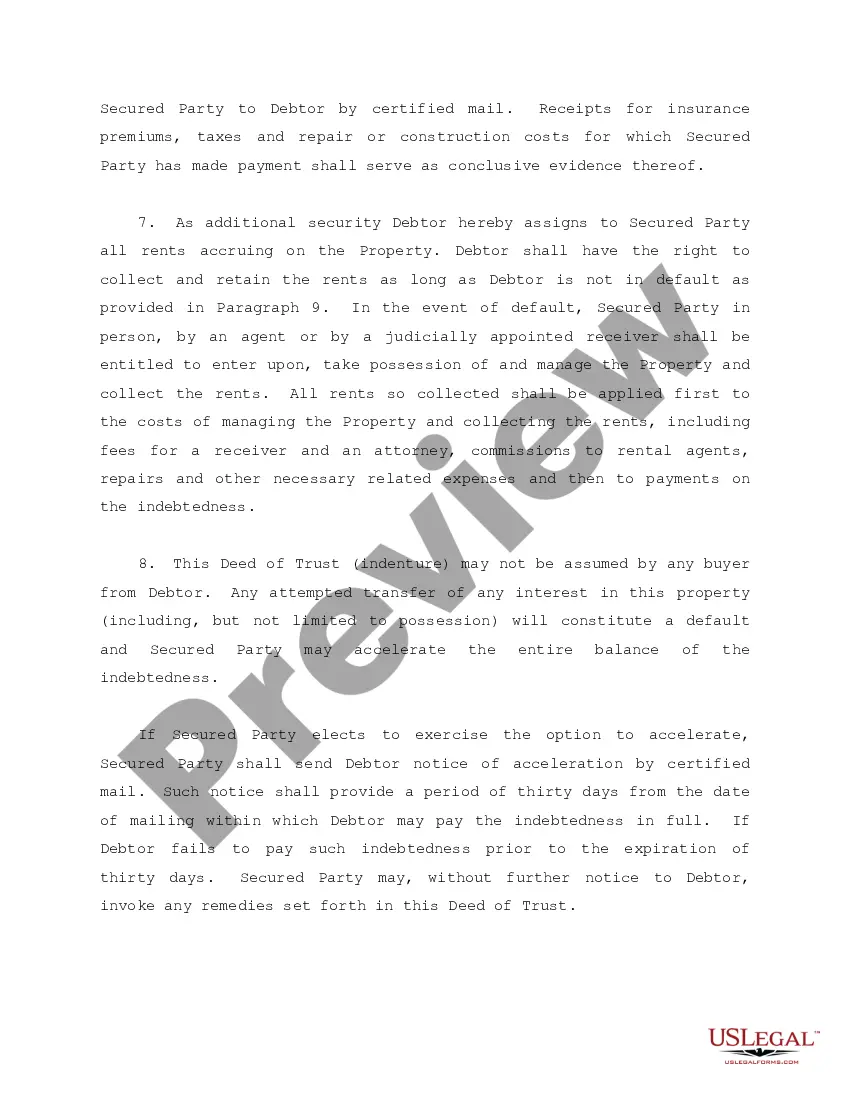
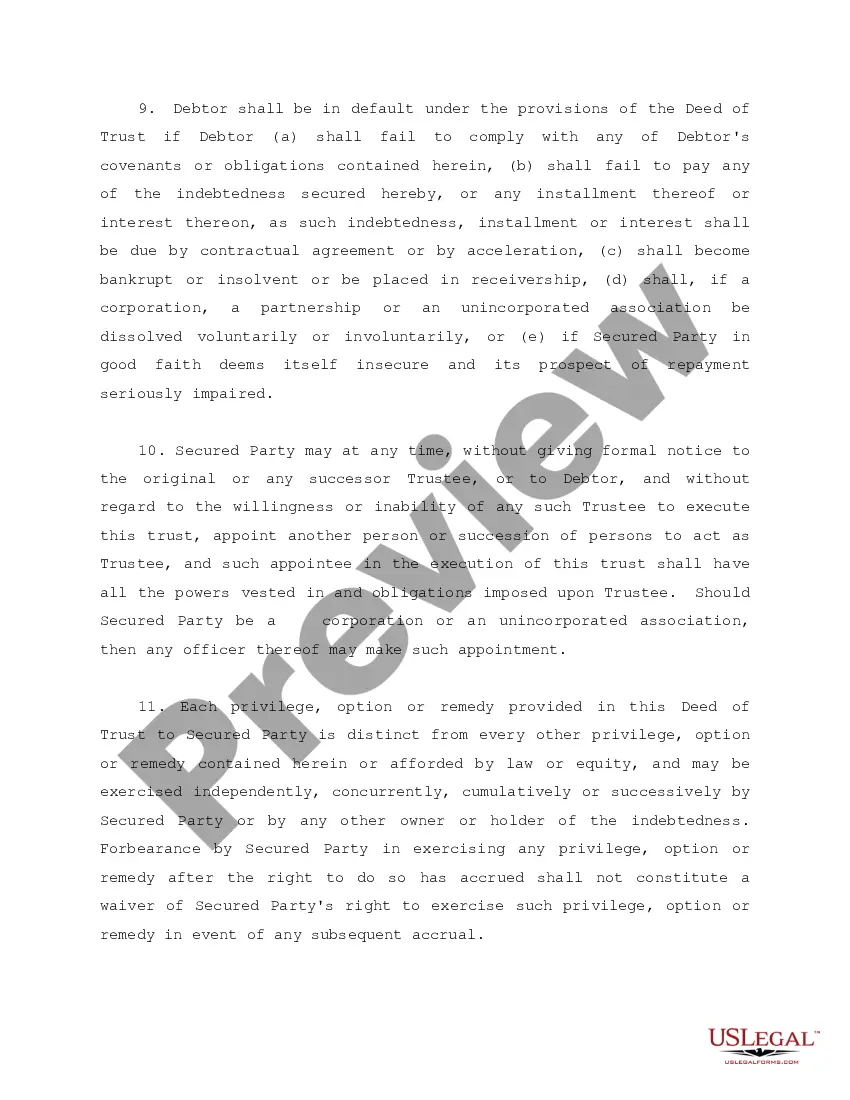
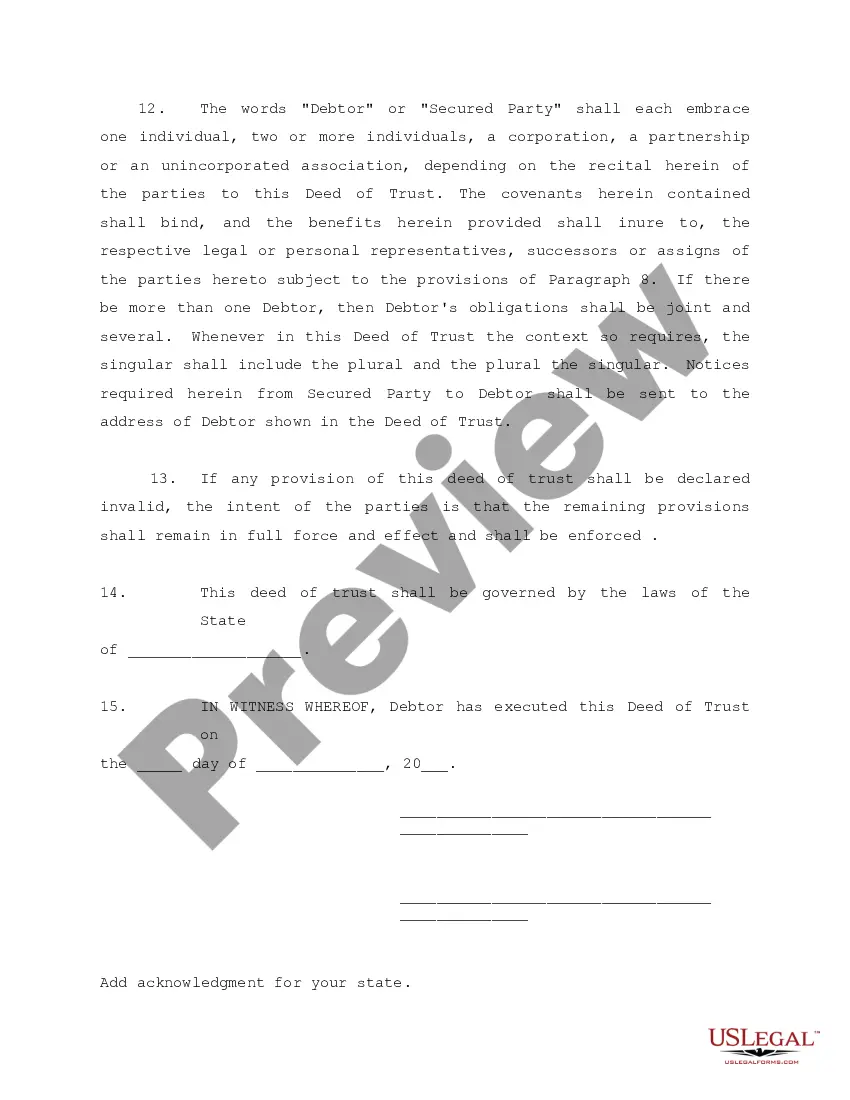
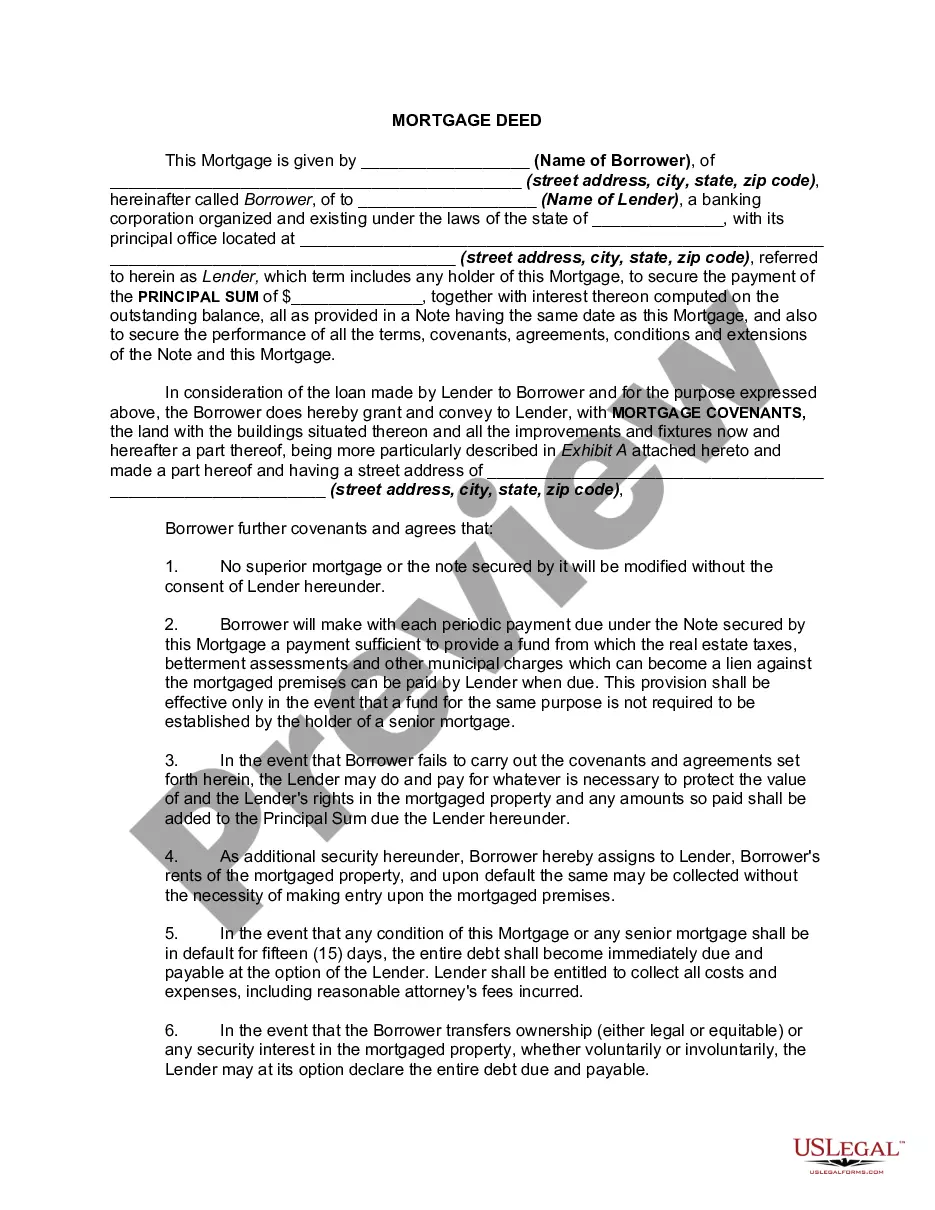

Get your form ready online
Our built-in tools help you complete, sign, share, and store your documents in one place.
Make edits, fill in missing information, and update formatting in US Legal Forms—just like you would in MS Word.
Download a copy, print it, send it by email, or mail it via USPS—whatever works best for your next step.
Sign and collect signatures with our SignNow integration. Send to multiple recipients, set reminders, and more. Go Premium to unlock E-Sign.
If this form requires notarization, complete it online through a secure video call—no need to meet a notary in person or wait for an appointment.
We protect your documents and personal data by following strict security and privacy standards.

Make edits, fill in missing information, and update formatting in US Legal Forms—just like you would in MS Word.

Download a copy, print it, send it by email, or mail it via USPS—whatever works best for your next step.

Sign and collect signatures with our SignNow integration. Send to multiple recipients, set reminders, and more. Go Premium to unlock E-Sign.

If this form requires notarization, complete it online through a secure video call—no need to meet a notary in person or wait for an appointment.

We protect your documents and personal data by following strict security and privacy standards.
Looking for another form?



Form popularity
FAQ
Disadvantages of Sinking Funds Limited Flexibility. Funds set aside in a sinking fund are typically not accessible for other purposes, limiting financial flexibility. Potential Shortfall.
Sinking funds are in 'trust' for the scheme and should not be returned to lessees upon assignment, or at any time. Interest earned on funds should be added to the funds unless the lease states otherwise. If funds are held in 'trust' then a tax will be charged on the interest earned.
A sinking fund can also be set up by private landlords; simply by putting aside a certain amount of the rent received each month. When calculating the amount to be contributed, it is common for landlords to put aside anywhere in the region of five to ten percent of the rental income to allow to be used.
The amount in a strata sinking fund should be sufficient to cover future major capital expenses for the property. This is typically determined by a 10-year plan, accounting for estimated costs of repairs, maintenance, and replacements.
An independent trustee will invest the corporation's annual deposits with the goal of the sinking fund balance growing to approximately $20 million by the time the bonds come due in 20 years. The corporation will report the bond sinking fund balance in the investments section of its balance sheet.
Bonds issued under a SINKING FUND agreement, which requires the debtor organization (obligor) to periodically set aside out of earnings a sum which, with interest, will be sufficient to redeem the issue in whole or part of maturity.
Answer and Explanation: A bond sinking fund would be categorized as an investment on the balance sheet. These are long-term assets.
Disadvantages of Sinking Funds Limited Flexibility. Funds set aside in a sinking fund are typically not accessible for other purposes, limiting financial flexibility. Potential Shortfall.
The Guide to Ohio Municipal Debt (the Guide) has been written by the Ohio Municipal Advisory Council (OMAC) to assist governmental officers and other individuals interested in public finance by providing a quick reference to the types of securities that may be issued by Ohio political subdivisions, the purposes for ...
Some municipal bonds have sinking fund provisions, which require the issuer to periodically retire a predetermined number of bonds. Certain municipal bonds, including housing bonds and certificates of participation, may be callable at any time at the issuer's discretion, despite specific stated call dates.
