Secured Debt Shall For Loan In Cook
Description

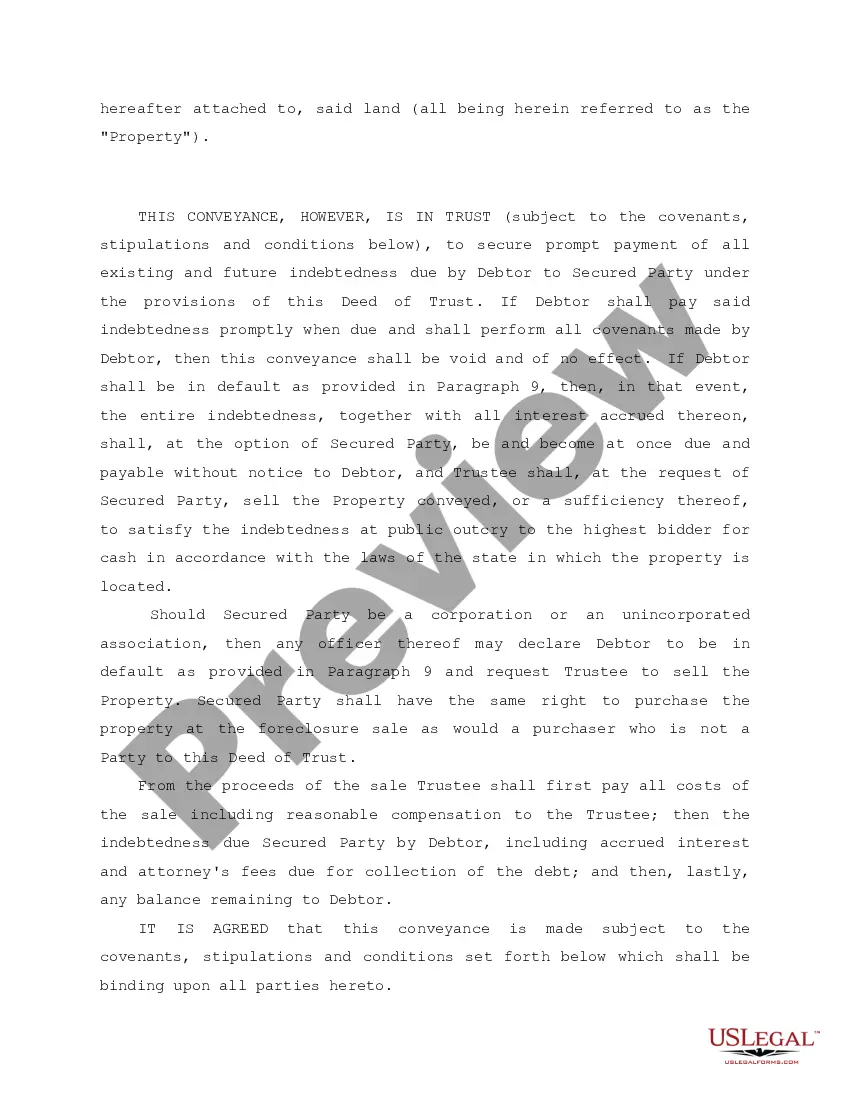
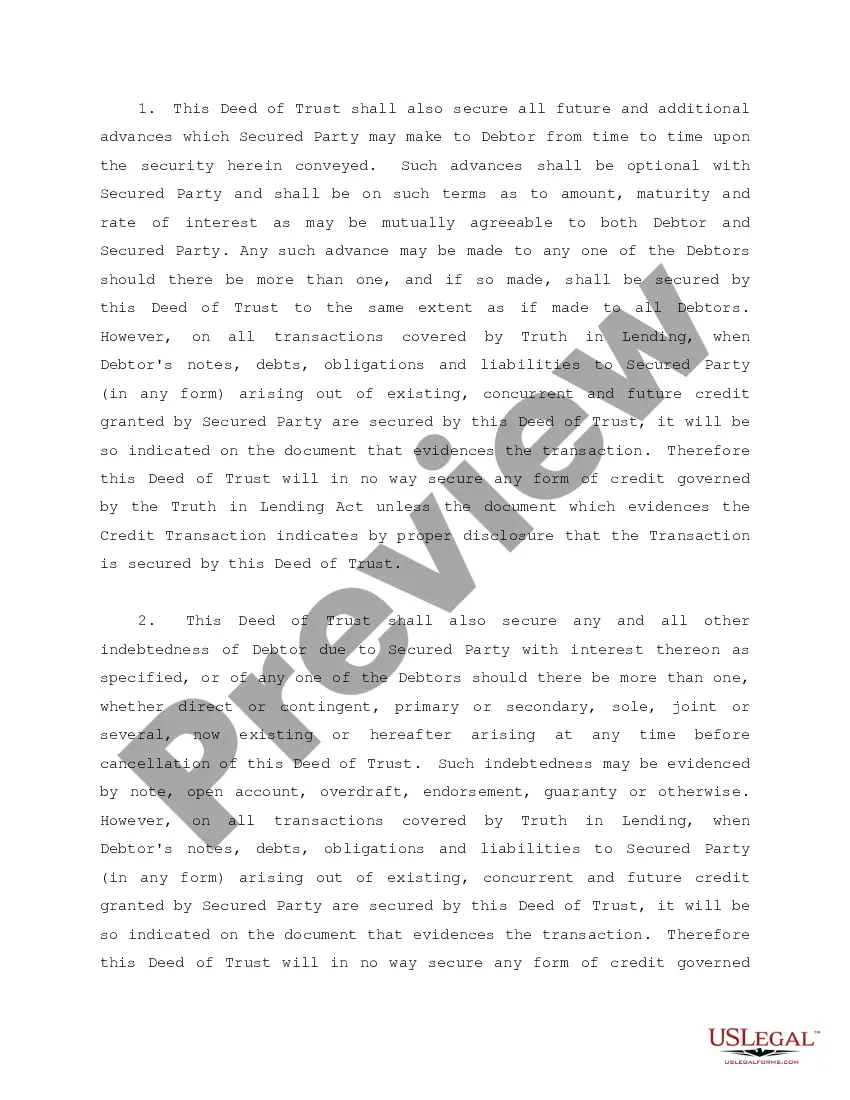
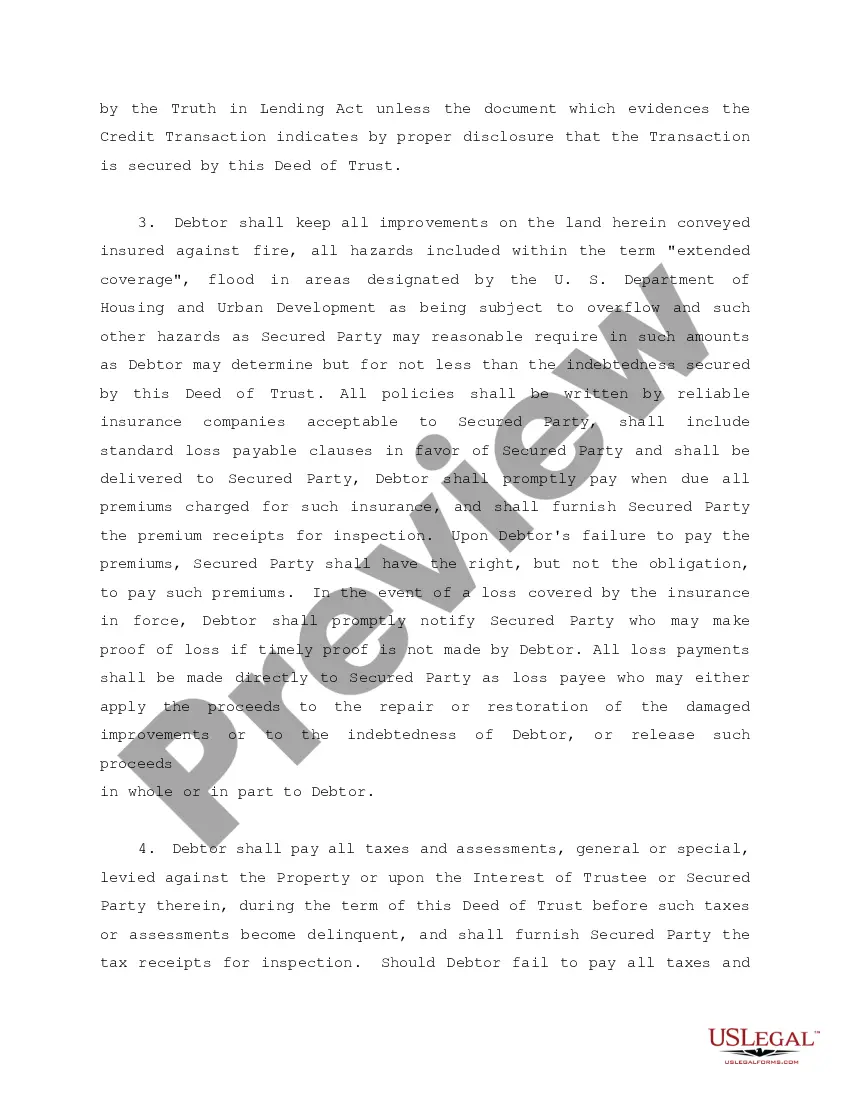
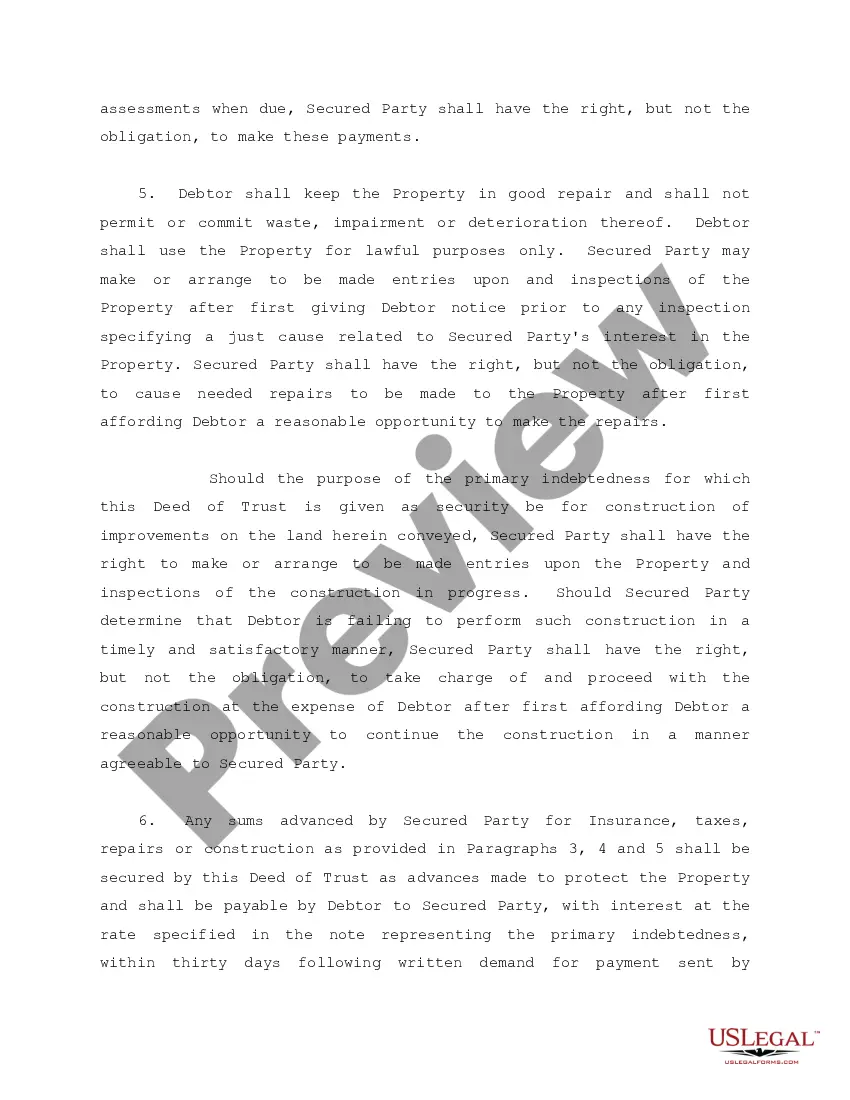
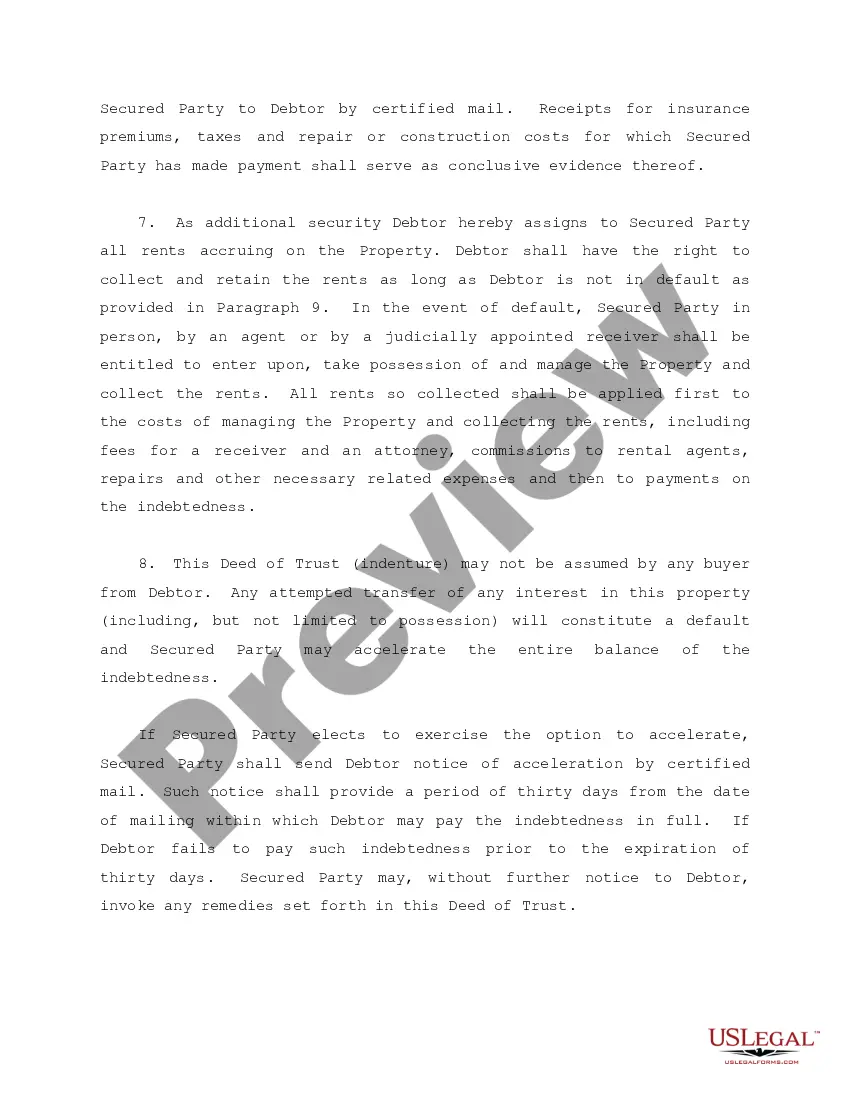
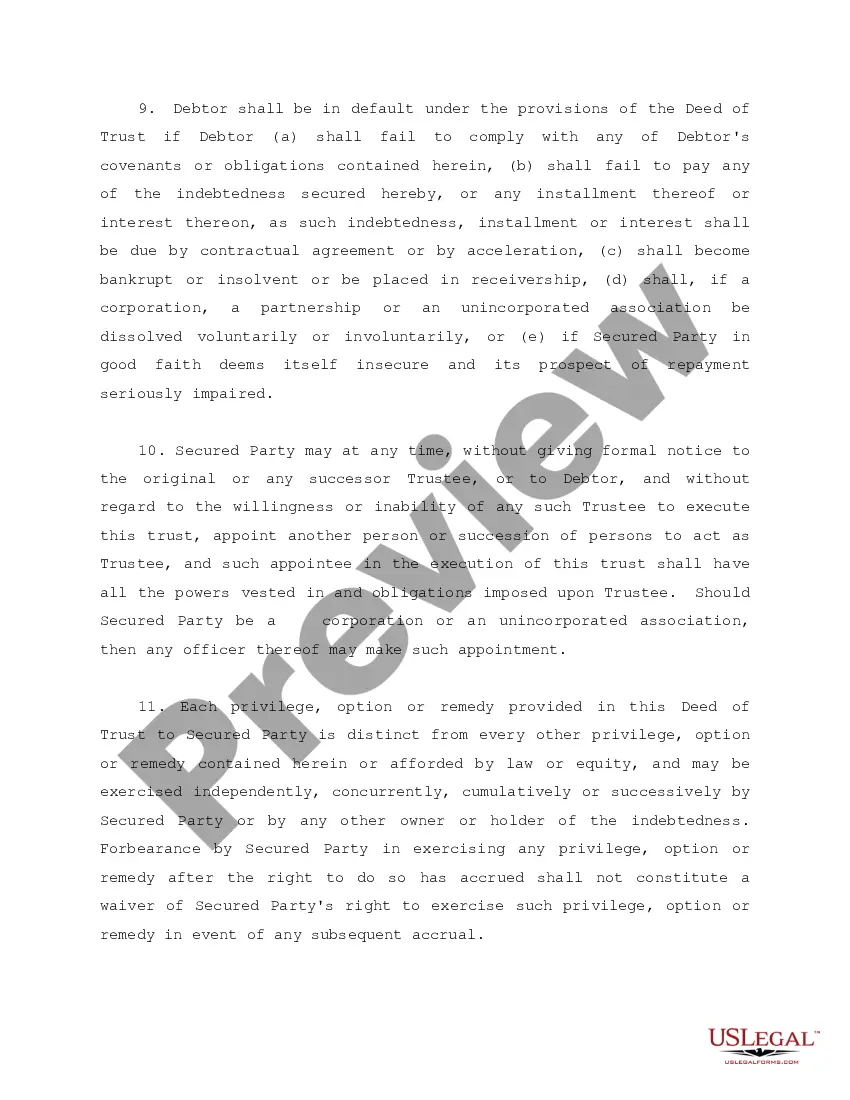
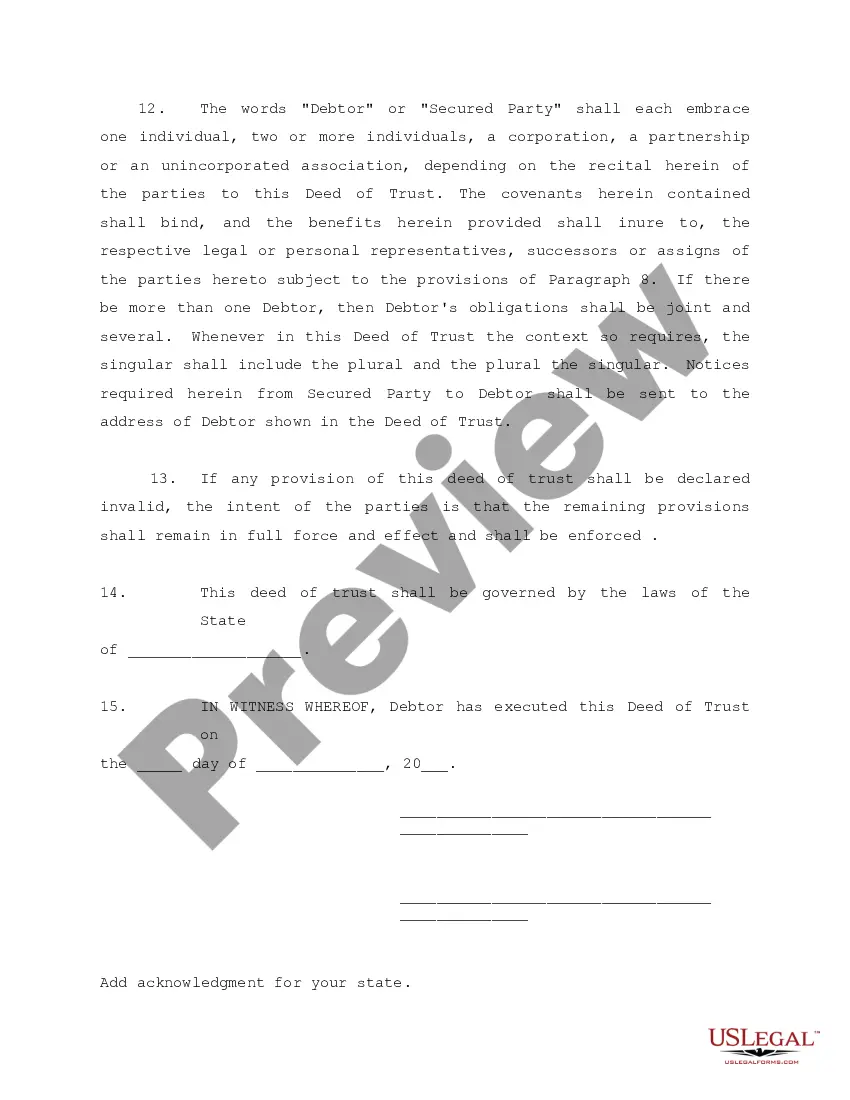
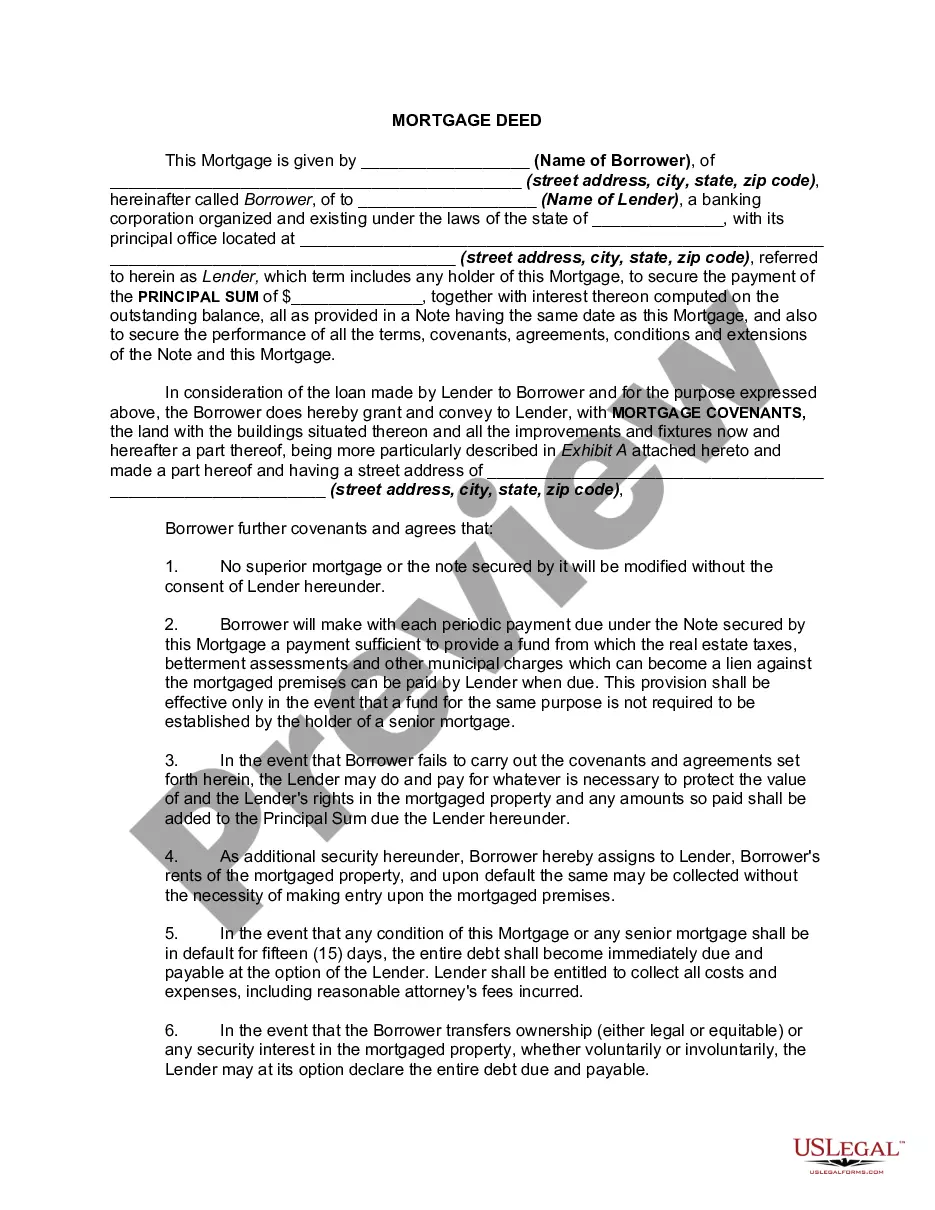

Get your form ready online
Our built-in tools help you complete, sign, share, and store your documents in one place.
Make edits, fill in missing information, and update formatting in US Legal Forms—just like you would in MS Word.
Download a copy, print it, send it by email, or mail it via USPS—whatever works best for your next step.
Sign and collect signatures with our SignNow integration. Send to multiple recipients, set reminders, and more. Go Premium to unlock E-Sign.
If this form requires notarization, complete it online through a secure video call—no need to meet a notary in person or wait for an appointment.
We protect your documents and personal data by following strict security and privacy standards.

Make edits, fill in missing information, and update formatting in US Legal Forms—just like you would in MS Word.

Download a copy, print it, send it by email, or mail it via USPS—whatever works best for your next step.

Sign and collect signatures with our SignNow integration. Send to multiple recipients, set reminders, and more. Go Premium to unlock E-Sign.

If this form requires notarization, complete it online through a secure video call—no need to meet a notary in person or wait for an appointment.

We protect your documents and personal data by following strict security and privacy standards.
Looking for another form?

Form popularity
FAQ
That's why secured debts are generally viewed as having a lower risk for lenders than unsecured debts. As a result, secured loans may offer better interest rates and financing terms. And lenders may be less strict about qualifying criteria, like credit scores.
Your proposal should be simply written and to the point. While it should emphasize your strengths and the upside, it's important to recognize the risks and the downside. This allows you to demonstrate that you understand the risks and know how to cope with them.
Here are strategies and tips for getting out of debt faster. Add Up All Your Debt. Adjust Your Budget. Use a Debt Repayment Strategy. Look for Additional Income. Consider Credit Counseling. Consider Consolidating Your Debt. Don't Forget About Debt in Collections. Stay Accountable.
Secured debts are created with liens. Liens can be voluntary or involuntary. Home mortgages and car loans are examples of secured debts that you incur voluntarily. Real property tax liens, by contrast, are involuntary liens.
Below are the steps you need to take to become a secured creditor: Prepare a security agreement with your customer. File a UCC-1 form or financing statement with the appropriate state office. Search for and notify other secured creditors that you have "perfected" or established priority.
Secured creditors first in line regarding lien claims take the highest priority. Secured Claims (2nd Lien): An asset can theoretically have dozens of lien claims against it. After assessing the priority order, each secured claim still receives top priority to receive liquidation proceeds.
Secured creditors have other rights in bankruptcy, including the right to receive postpetition interest, fees, costs, and charges and to receive adequate protection for any decrease in the value of their interest in the collateral resulting from any use, sale, lease, or grant of a lien.