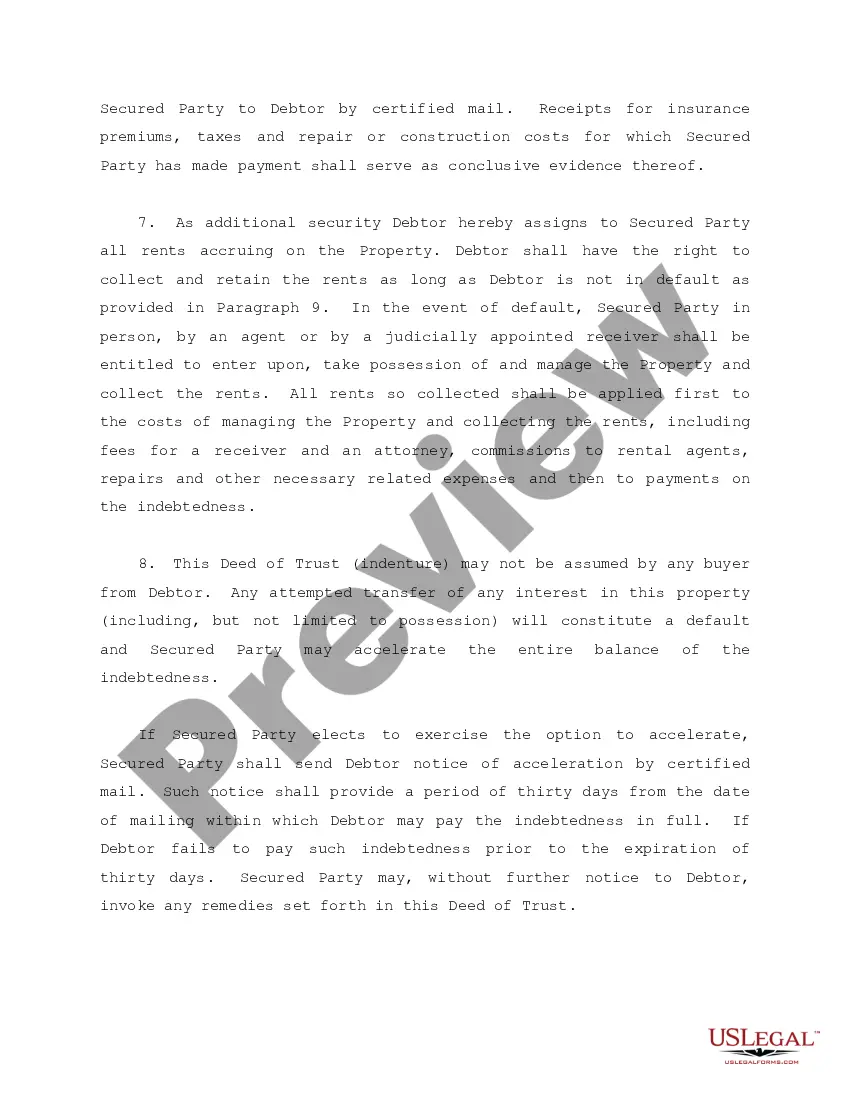
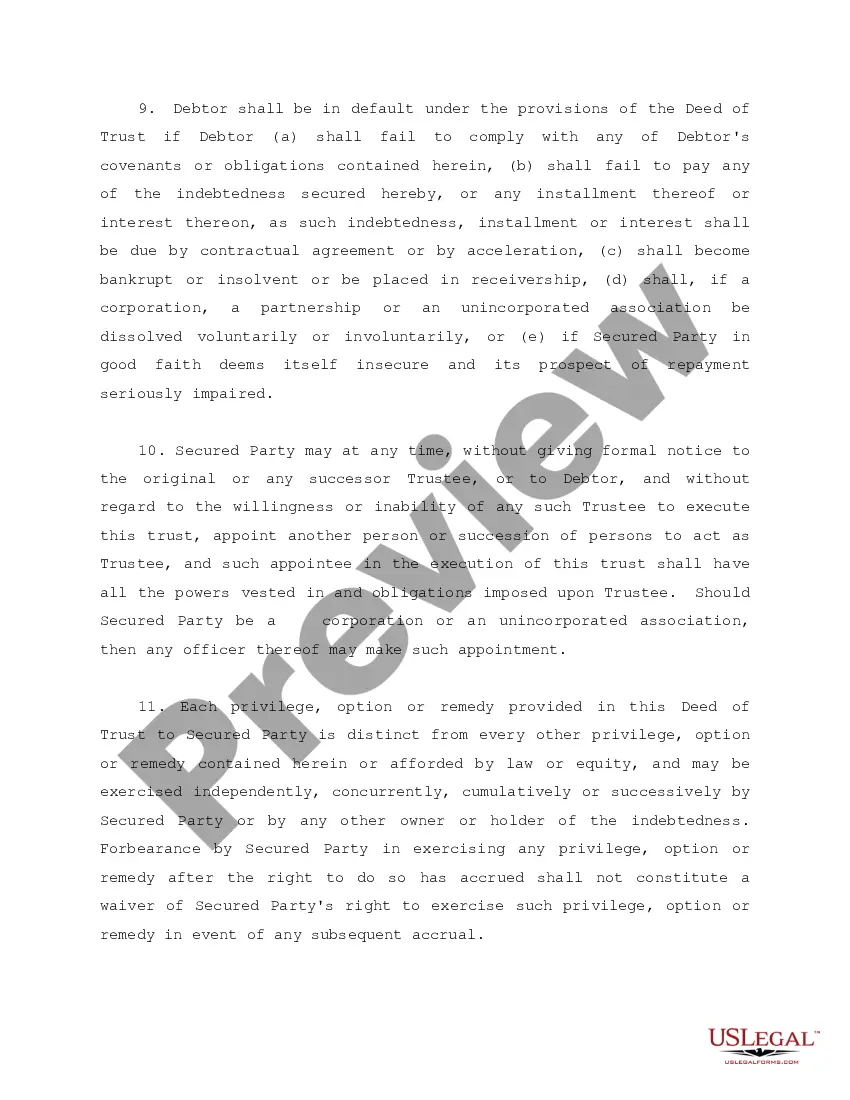
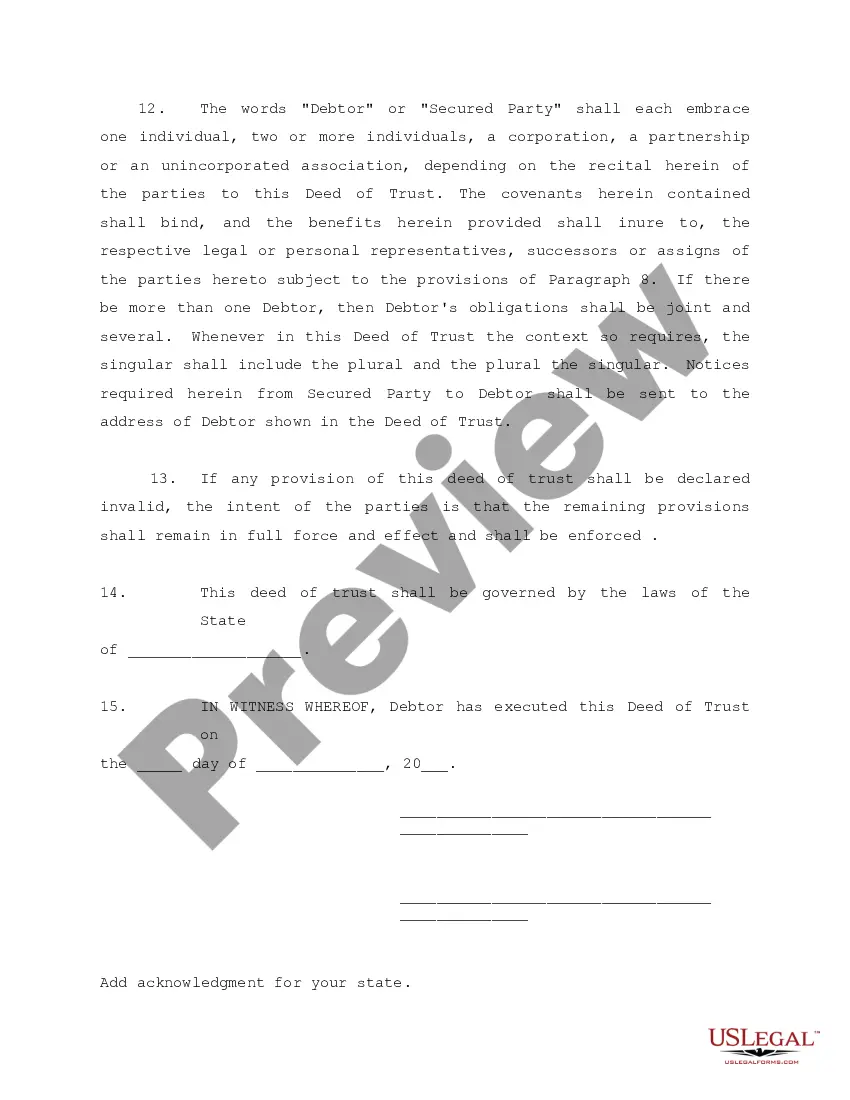
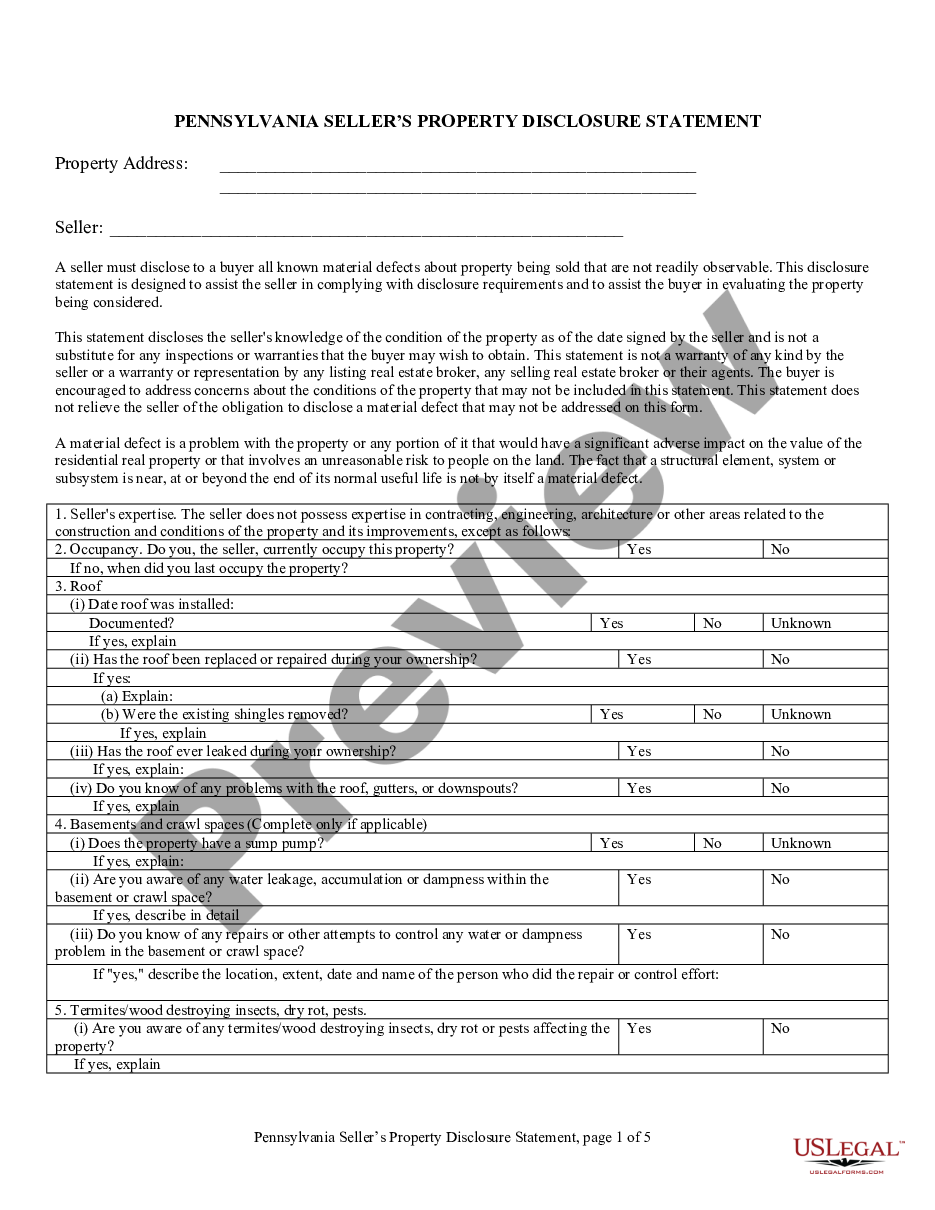
Printable Deed Of Trust Form In Cook
Description

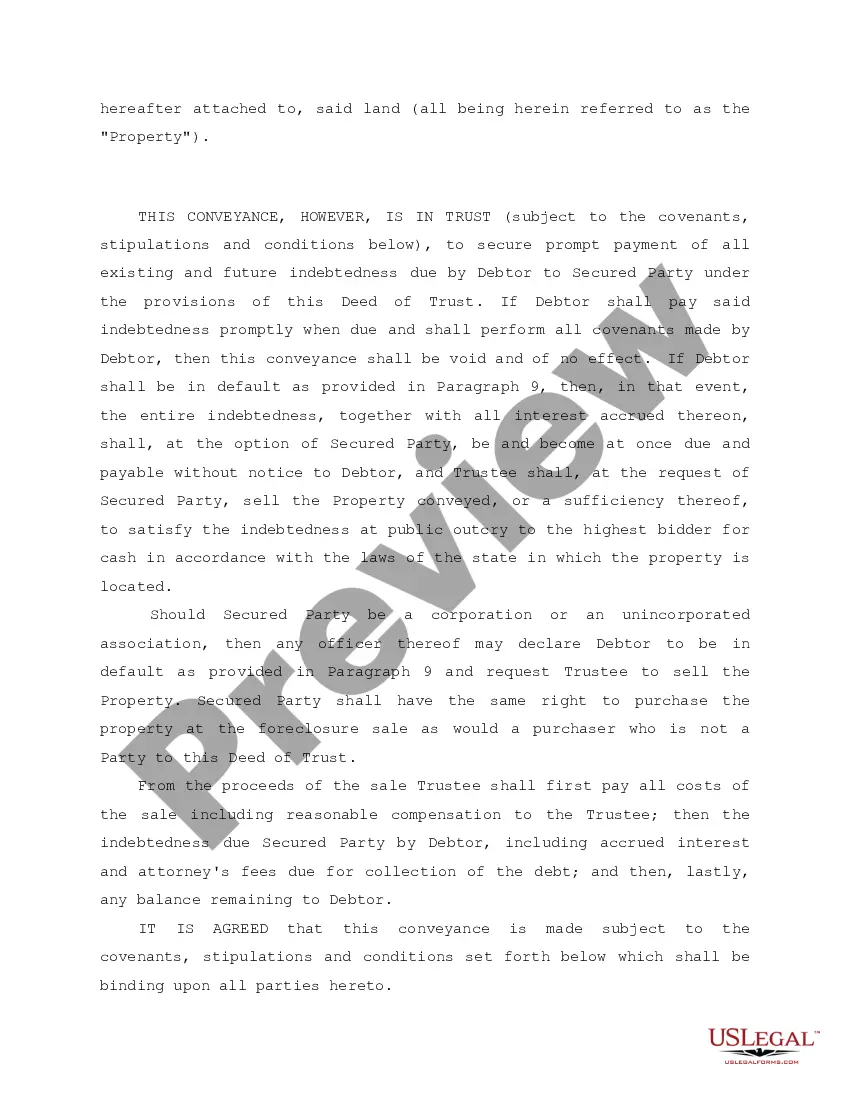
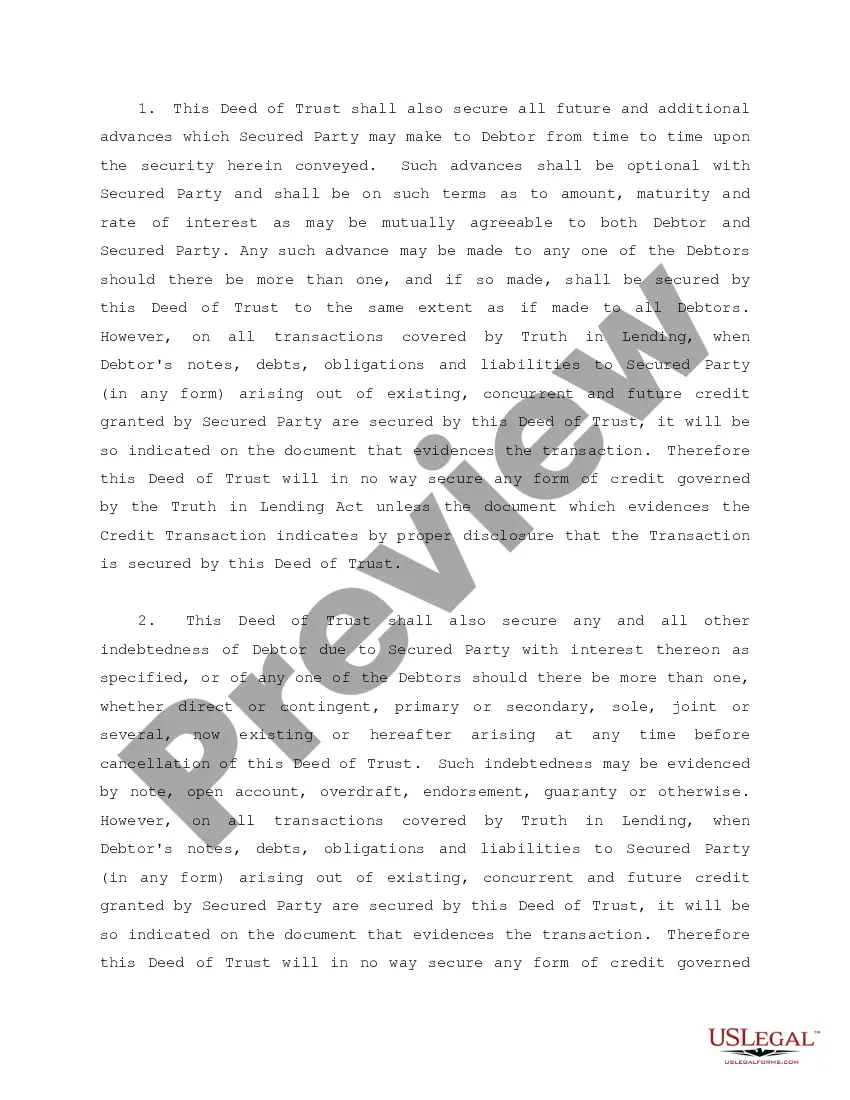
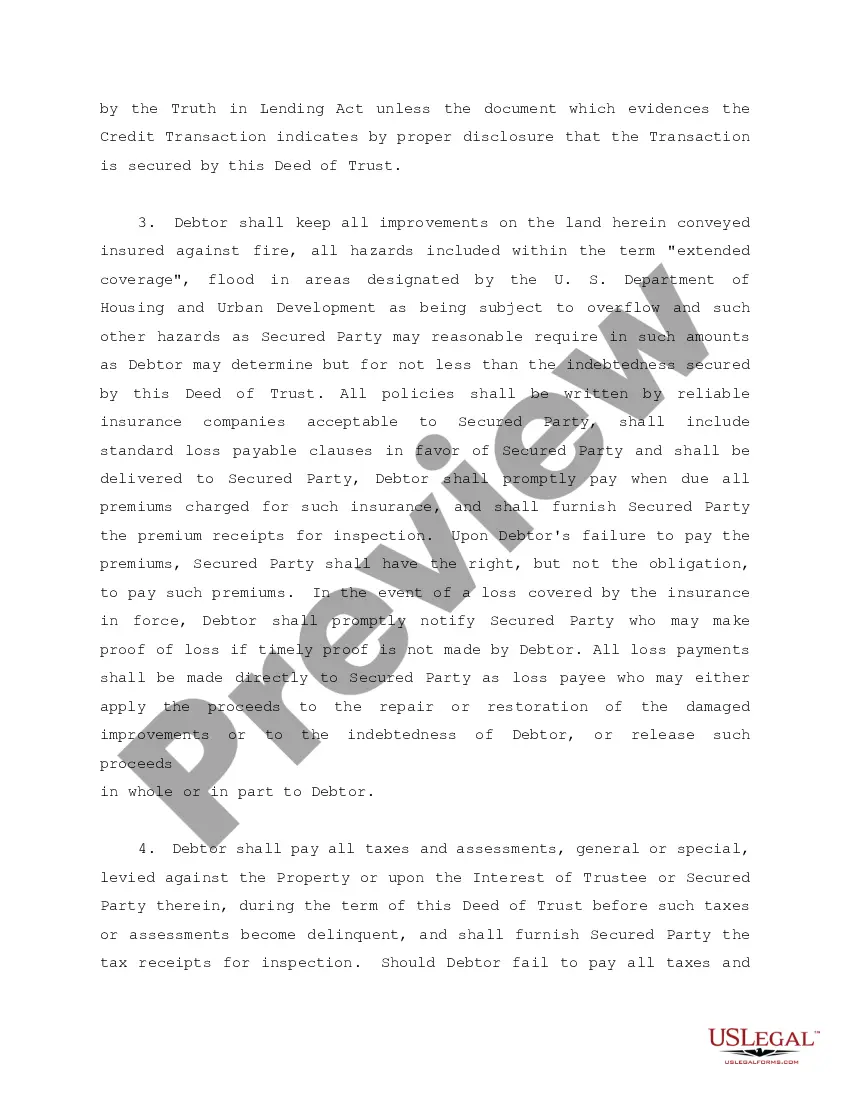
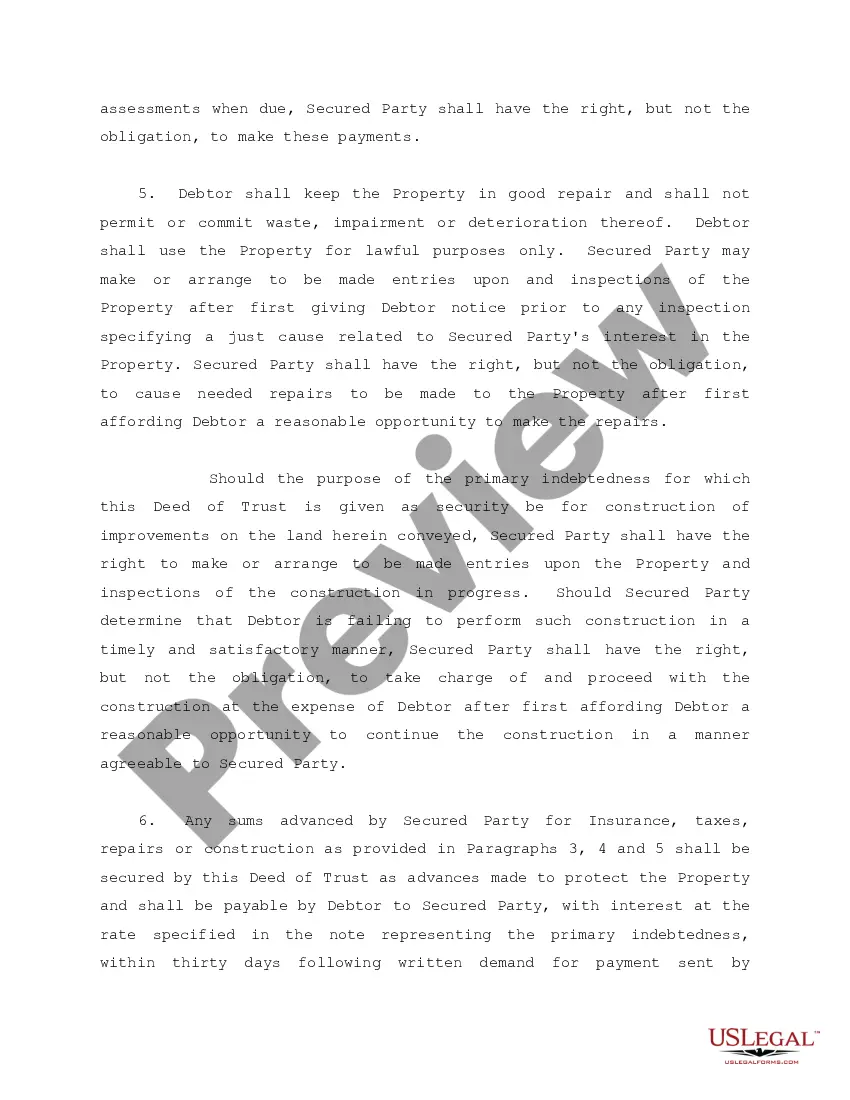


Get your form ready online
Our built-in tools help you complete, sign, share, and store your documents in one place.
Make edits, fill in missing information, and update formatting in US Legal Forms—just like you would in MS Word.
Download a copy, print it, send it by email, or mail it via USPS—whatever works best for your next step.
Sign and collect signatures with our SignNow integration. Send to multiple recipients, set reminders, and more. Go Premium to unlock E-Sign.
If this form requires notarization, complete it online through a secure video call—no need to meet a notary in person or wait for an appointment.
We protect your documents and personal data by following strict security and privacy standards.

Make edits, fill in missing information, and update formatting in US Legal Forms—just like you would in MS Word.

Download a copy, print it, send it by email, or mail it via USPS—whatever works best for your next step.

Sign and collect signatures with our SignNow integration. Send to multiple recipients, set reminders, and more. Go Premium to unlock E-Sign.

If this form requires notarization, complete it online through a secure video call—no need to meet a notary in person or wait for an appointment.

We protect your documents and personal data by following strict security and privacy standards.
Looking for another form?








Form popularity
FAQ
You can obtain one from an online search for “Beneficiary Deed” or “Transfer on Death Deed” or often from the same Recorder's Office that holds copies of the deeds. Ensure that you find one for the state where the property is located. Complete the form, being specific about the beneficiaries.
Can I prepare my own beneficiary deed in Missouri? A Beneficiary Deed must be signed by the Grantor in the presence of a Notary Public and then properly recorded with the local County Recorder of Deeds office (where the real property is located).
Where to Get a Deed of Trust? To get a Deed of Trust, you must file the proper paperwork with the proper court as generally outlined above. These documents must be filed with the county clerk or recorder, and the lender typically sends them to the recording office after the property closing.
Unless you have a complex situation or have specific concerns, you likely won't need a lawyer to create a TOD deed. But you will need to make sure that the TOD deed you make is valid in your state, since each state's rules are a little different.
You can obtain one from an online search for “Beneficiary Deed” or “Transfer on Death Deed” or often from the same Recorder's Office that holds copies of the deeds. Ensure that you find one for the state where the property is located.
As part of the recent budget passage, New York State adopted legislation that allows for Transfer-On-Death (TOD) deeds pursuant to N.Y. Real Property Law §424. The new TOD Deed Law takes effect on July 19, 2024.
A deed of trust will include the same type of information stated in a mortgage document, such as: The identities of the borrower, lender, and trustee. A full description of the property to be placed in trust. Any restrictions or requirements on the use of the property while it is in trust.
A declaration of trust, or nominee declaration, appoints a trustee to oversee assets for the benefit of another person or people. The declaration also describes the assets that are to be held in the trust and how they are to be managed.
declared trust is when someone who owns something declares that they now own it for someone else's benefit. Example 1: John owns a house and declares that he now owns it for the benefit of his daughter, Sarah.
A Declaration of Trust outlines the shares a person has in a property. That Trust document will confirm what a deceased person's share was at the date of their death, and that their interest in the property, is to go as per the terms of their Will. This is why it is very important to have an up to date Will.
