Secured Debt Shall Formula In Contra Costa
Description

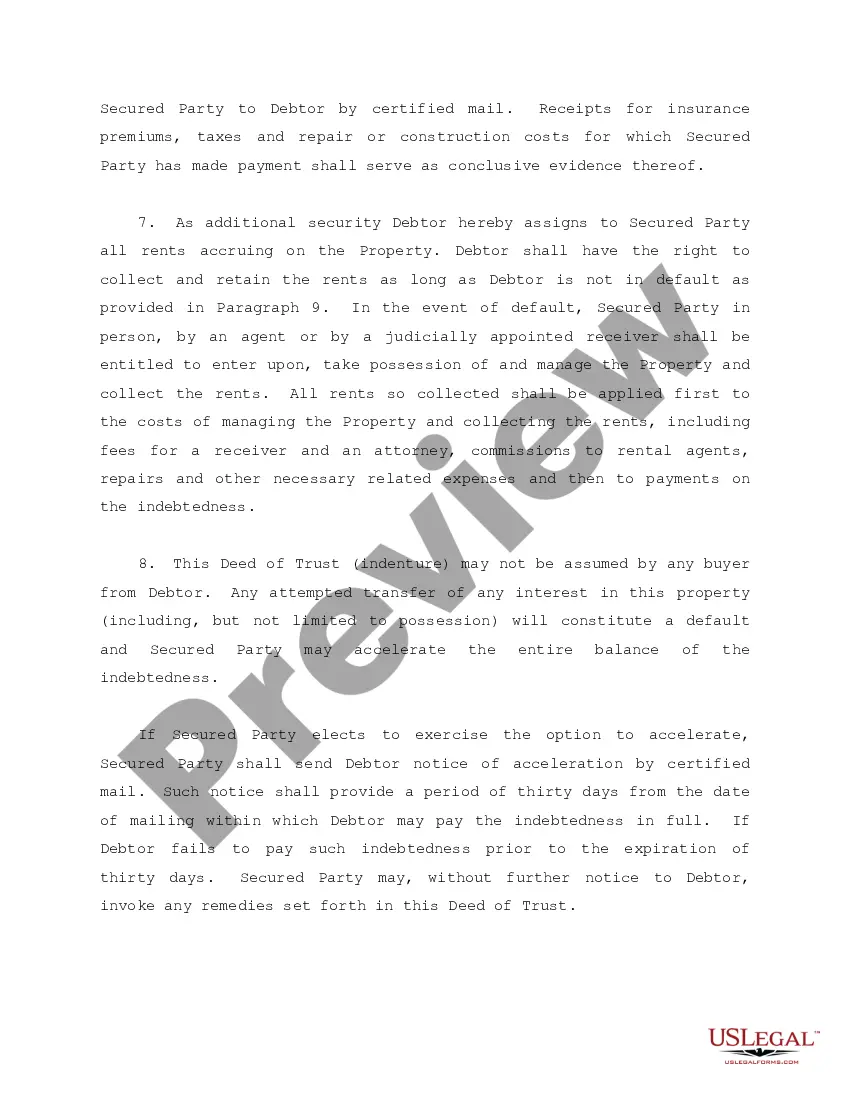
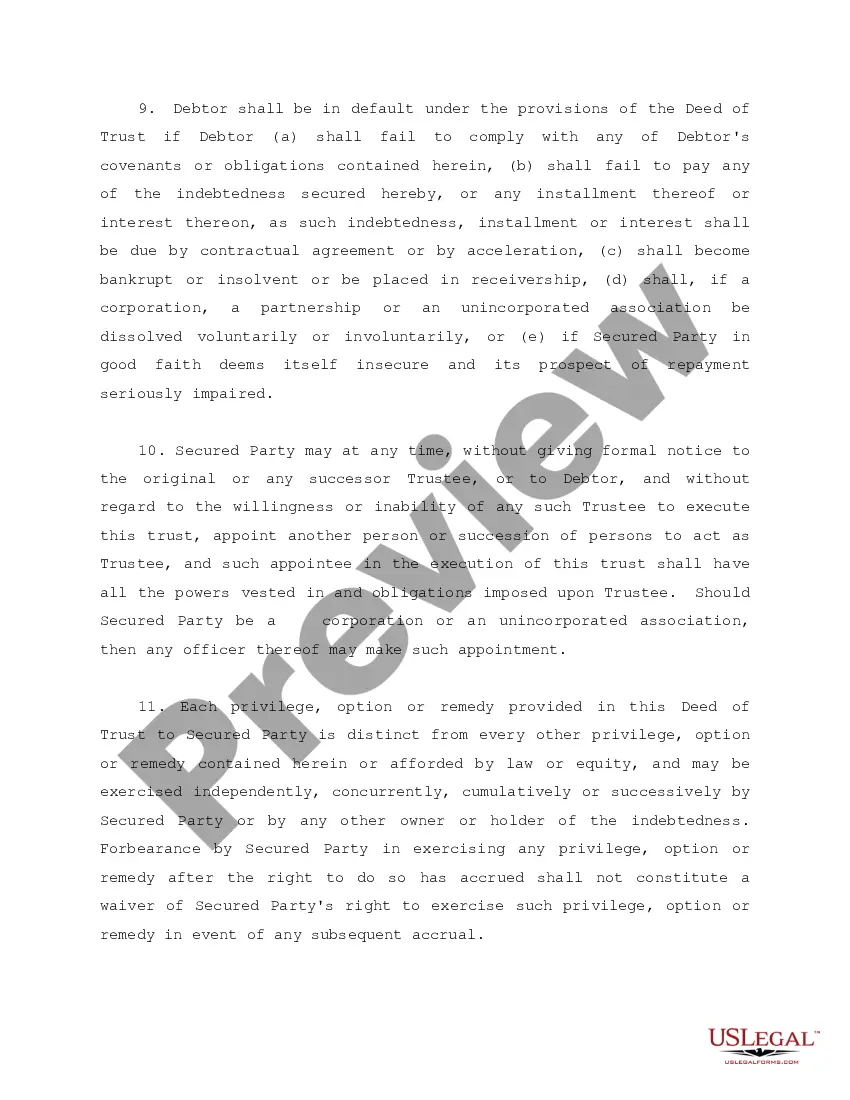
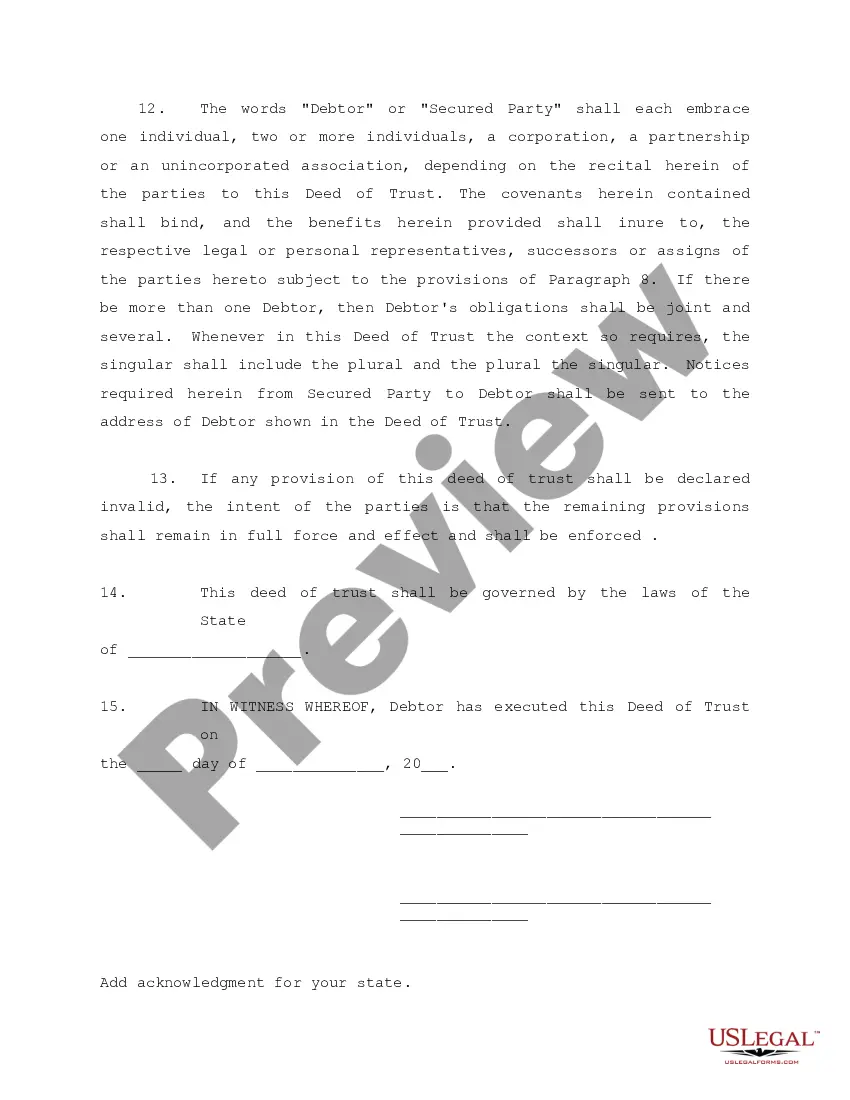
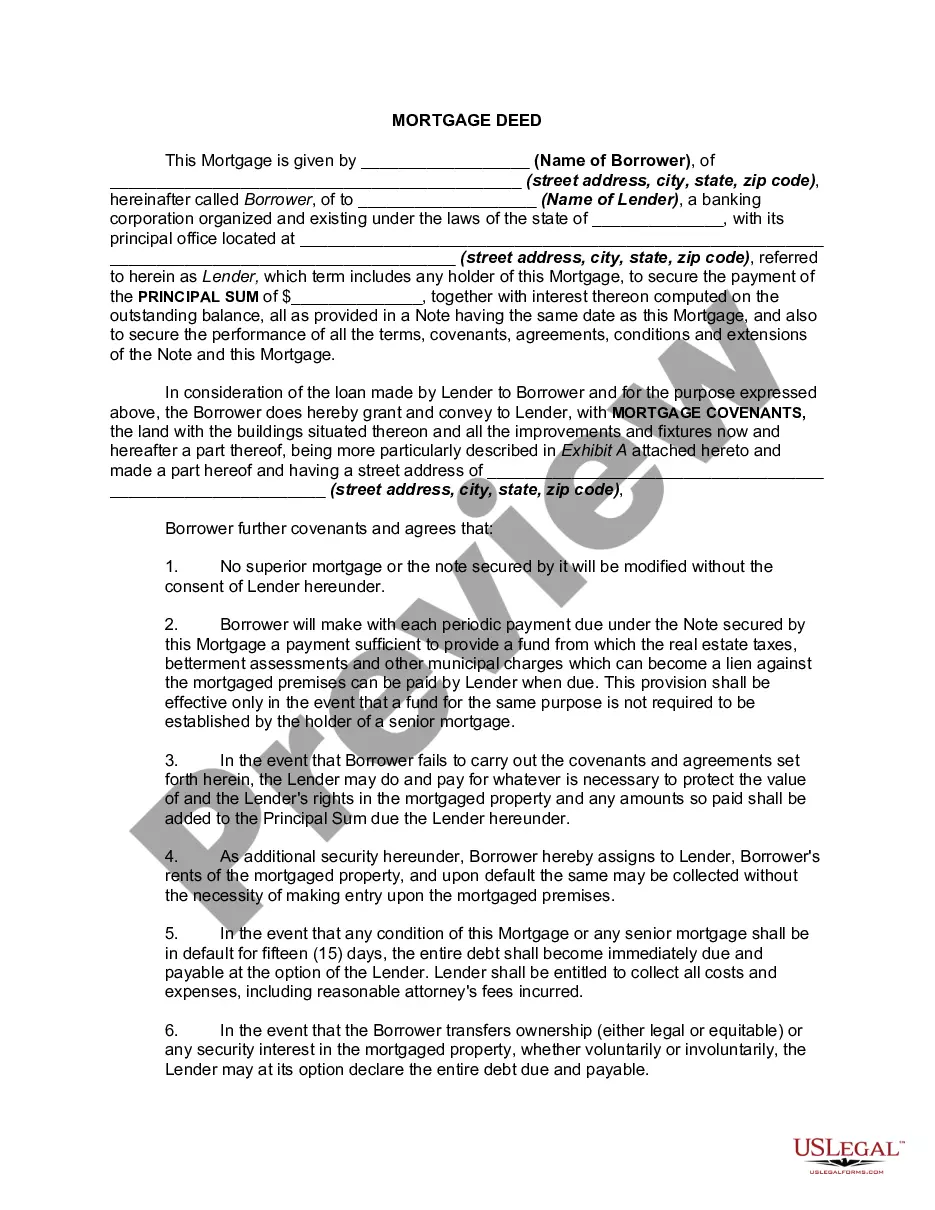

Get your form ready online
Our built-in tools help you complete, sign, share, and store your documents in one place.
Make edits, fill in missing information, and update formatting in US Legal Forms—just like you would in MS Word.
Download a copy, print it, send it by email, or mail it via USPS—whatever works best for your next step.
Sign and collect signatures with our SignNow integration. Send to multiple recipients, set reminders, and more. Go Premium to unlock E-Sign.
If this form requires notarization, complete it online through a secure video call—no need to meet a notary in person or wait for an appointment.
We protect your documents and personal data by following strict security and privacy standards.

Make edits, fill in missing information, and update formatting in US Legal Forms—just like you would in MS Word.

Download a copy, print it, send it by email, or mail it via USPS—whatever works best for your next step.

Sign and collect signatures with our SignNow integration. Send to multiple recipients, set reminders, and more. Go Premium to unlock E-Sign.

If this form requires notarization, complete it online through a secure video call—no need to meet a notary in person or wait for an appointment.

We protect your documents and personal data by following strict security and privacy standards.
Looking for another form?








Form popularity
FAQ
A homestead declaration protects your home's equity from both to forced and voluntary sales of the property. Exempt proceeds from a voluntary sale are protected if another home is purchased within 6 months.
You must occupy the dwelling as your principal residence as of January 1 of each year to qualify for the Homeowners' Exemption for that year.
Declaration of Homestead – A document recorded by either a homeowner or head of household on his primary residence to protect his home from forced sale in satisfaction of certain types of creditors' claims. Decree of Distribution – Evidences the distribution of real property from the estate of a deceased person.
If you own and occupy your home as your principal place of residence on January 1, you may apply for an exemption of $7,000 off your assessed value for an annual savings of approximately $70 on your property taxes. New property owners will automatically receive an exemption application.
Documents are recorded within two (2) business days of receipt of the document. The average turnaround time for a document submitted for recording is 30 days.
If you file for a Chapter 7 bankruptcy, your secured debt may be discharged, but the lender is also able to repossess the property that secured the debt. In other words, if you have a mortgage on your home and file a Chapter 7 bankruptcy, the mortgage debt may be discharged but the lender can take back your home.
Take your monthly debt payments total and divide it by your monthly income. 4. Move the decimal point two digits to the right to make it a percentage — that's your debt/income ratio.
Specifically, the rule states that a debt collector cannot: Make more than seven calls within a seven-day period to a consumer regarding a specific debt. Call a consumer within seven days after having a telephone conversation about that debt.
Starting March 30, 2023, these agencies have also agreed to stop reporting medical debts under a certain dollar threshold (at least $500) on credit reports, even if the alleged medical debt is unpaid and in collection.
The 11-word phrase often cited to stop debt collectors is: ``I do not acknowledge this debt and request verification of it.'' This phrase requests that the debt collector provide verification of the debt, which they are legally obligated to do under the Fair Debt Collection Practices Act (FDCPA) in the United States.
