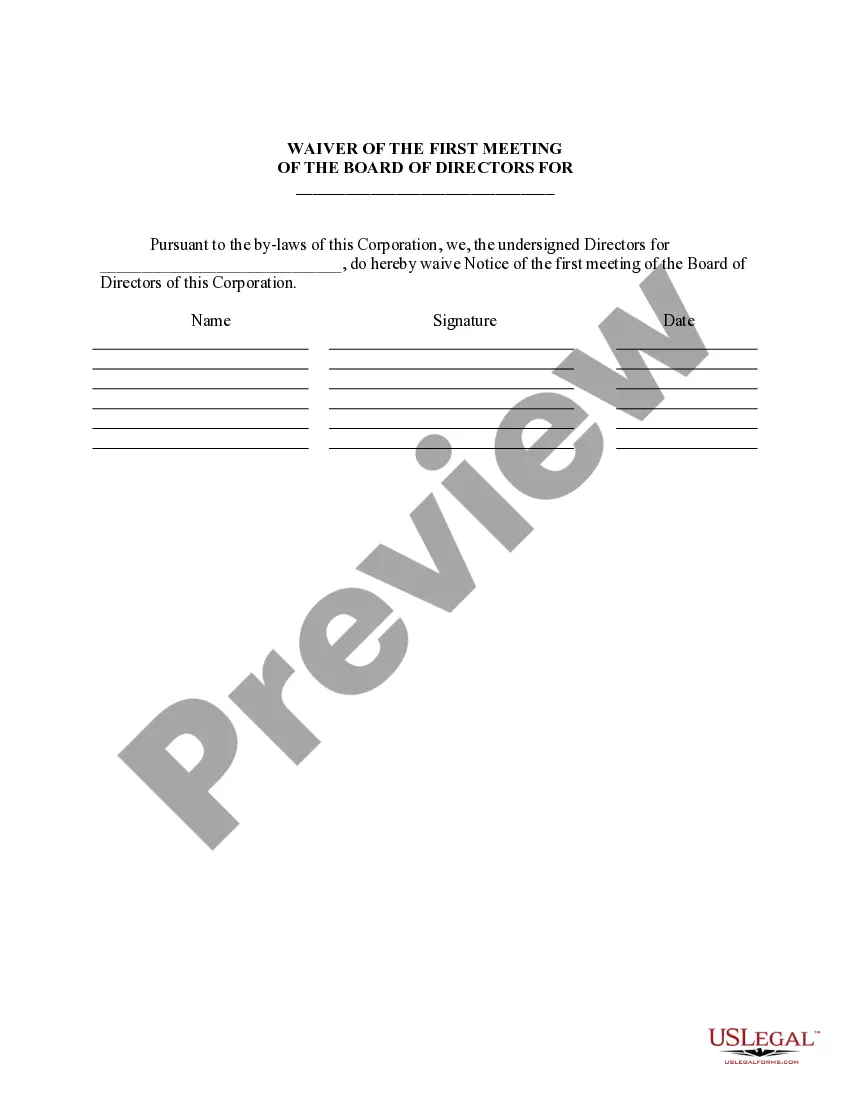
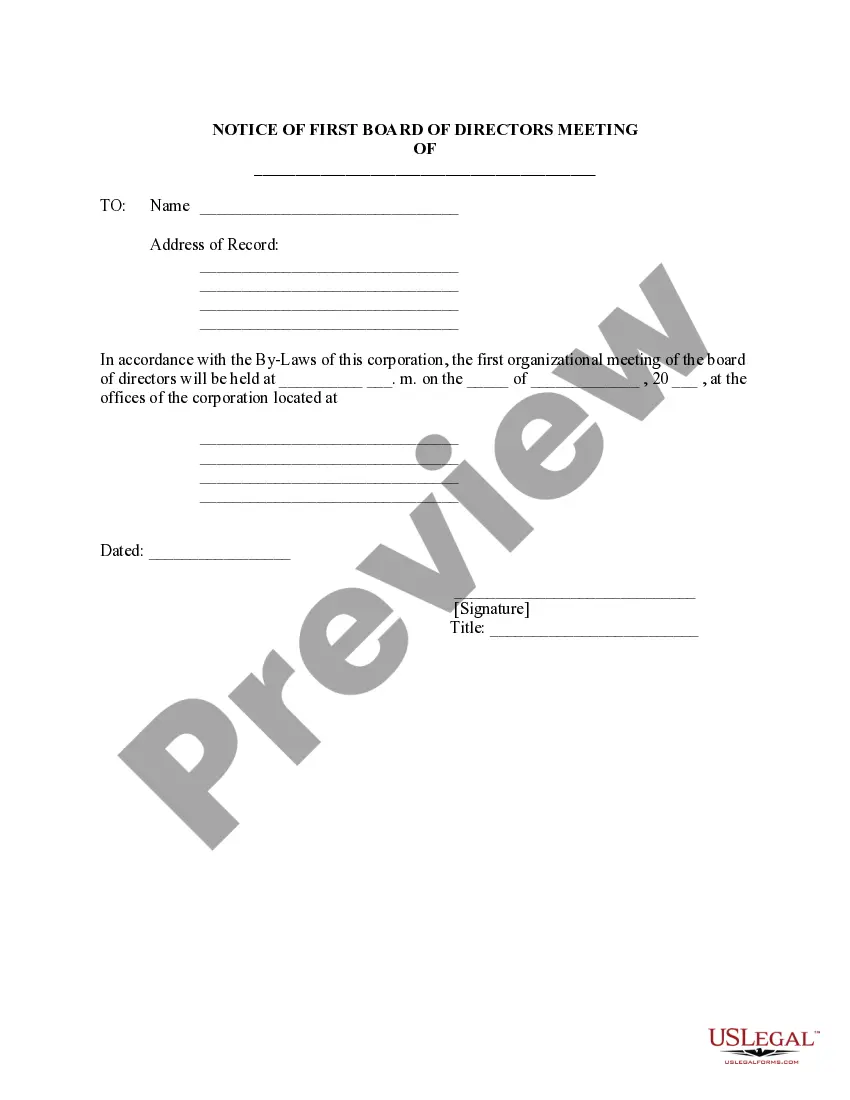
Board Directors Corporate With Shareholders In Riverside
Description


Get your form ready online
Our built-in tools help you complete, sign, share, and store your documents in one place.
Make edits, fill in missing information, and update formatting in US Legal Forms—just like you would in MS Word.
Download a copy, print it, send it by email, or mail it via USPS—whatever works best for your next step.
Sign and collect signatures with our SignNow integration. Send to multiple recipients, set reminders, and more. Go Premium to unlock E-Sign.
If this form requires notarization, complete it online through a secure video call—no need to meet a notary in person or wait for an appointment.
We protect your documents and personal data by following strict security and privacy standards.

Make edits, fill in missing information, and update formatting in US Legal Forms—just like you would in MS Word.

Download a copy, print it, send it by email, or mail it via USPS—whatever works best for your next step.

Sign and collect signatures with our SignNow integration. Send to multiple recipients, set reminders, and more. Go Premium to unlock E-Sign.

If this form requires notarization, complete it online through a secure video call—no need to meet a notary in person or wait for an appointment.

We protect your documents and personal data by following strict security and privacy standards.
Looking for another form?









Form popularity
FAQ
Shareholders and directors have two completely different roles in a company. The shareholders (also called members) own the company by owning its shares and the directors manage it. Unless the articles say so (and most do not) a director does not need to be a shareholder and a shareholder has no right to be a director.
Who should the board be accountable to? The board should be accountable to shareholders (the owners) regulators, the courts, accreditation bodies, clients, customers, and financial institutions.
Who do I owe my general duties to? Your general duties are owed to the company which you are a director of and not any other group companies or individual shareholders.
Directors are responsible for day-to-day management of the business and its operations. Being a shareholder does not automatically confer the right to have a say in how that company is run on a day-to-day basis.
While every board member is a shareholder, not every shareholder is automatically a board member. Shareholders who own a certain percentage of the company's shares (usually 10 percent or more) are eligible to serve on the board. However, they must be nominated and elected by the other shareholders.
Directors have a duty to act in the best interests of the company and its shareholders. Their fiduciary responsibilities include making informed decisions, exercising due care and diligence, and avoiding conflicts of interest.
The minutes or consents of meetings must list out the actions considered, the resolution passed, and the vote of each director or shareholder regarding each decision. Shareholders must sign the minutes of shareholder meetings, while directors sign the minutes for board of directors meetings.
Certain shareholders, by virtue of a shareholders' agreement or voting trust, may have the right to appoint directors to a board. The directors are accountable to all shareholders and must act in the best interests of the company. Furthermore, directors are not protected by those that appoint them.
While every board member is a shareholder, not every shareholder is automatically a board member. Shareholders who own a certain percentage of the company's shares (usually 10 percent or more) are eligible to serve on the board. However, they must be nominated and elected by the other shareholders.
The steps include: Build Relevant Experience. Develop a Strong Professional Network. Develop a Value Proposition. Identify Open Positions. Participate in the Selection Process.