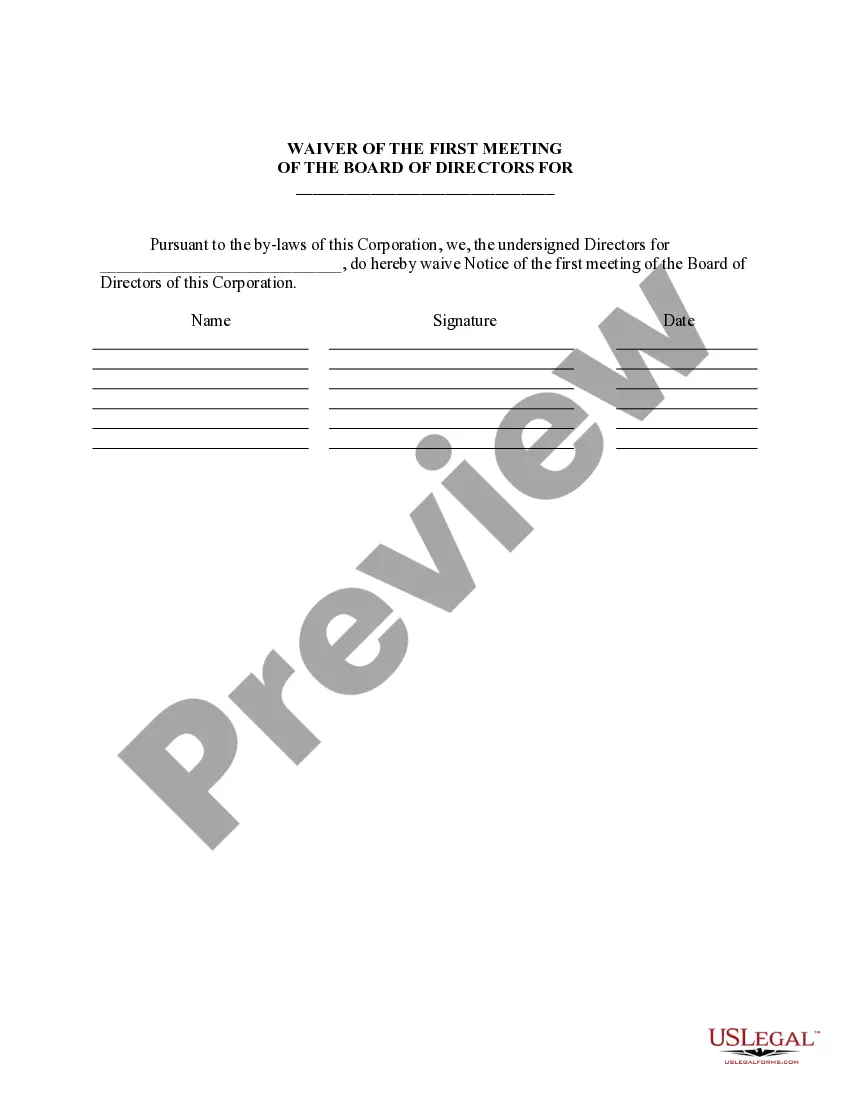
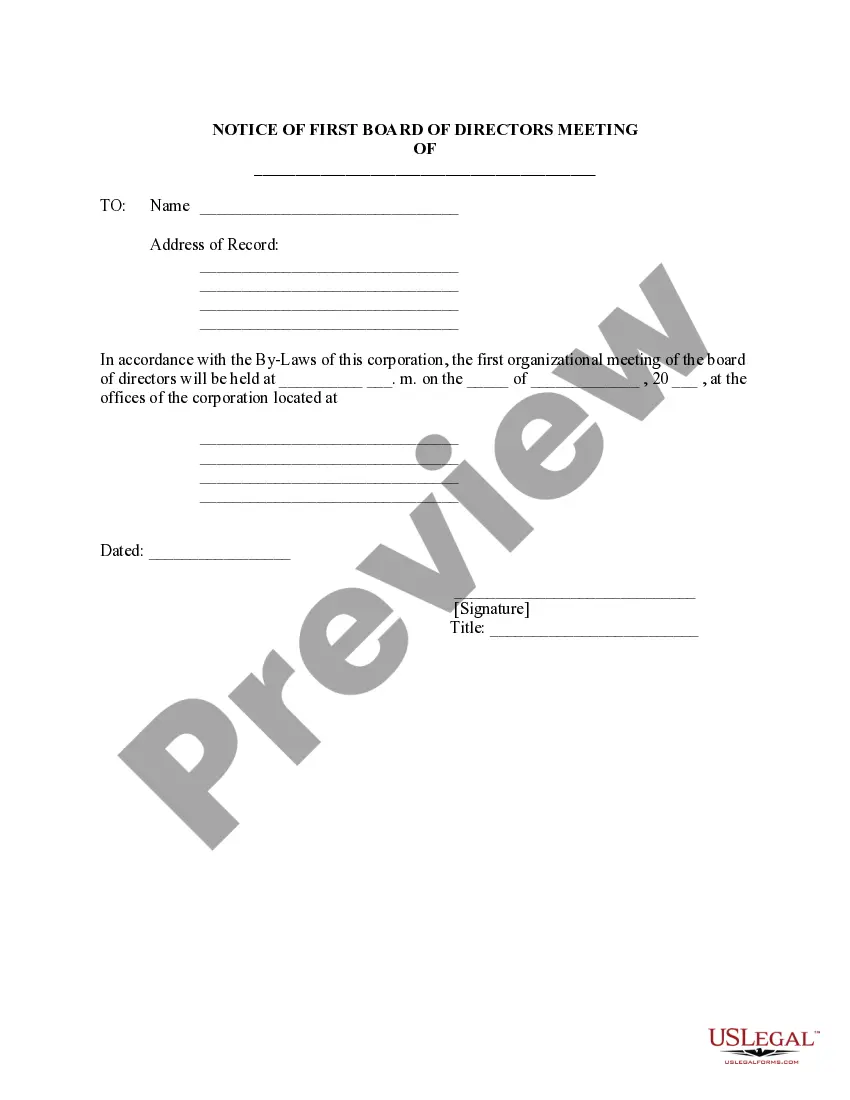
Board Directors Corporate With Shareholders In Philadelphia
Description


Get your form ready online
Our built-in tools help you complete, sign, share, and store your documents in one place.
Make edits, fill in missing information, and update formatting in US Legal Forms—just like you would in MS Word.
Download a copy, print it, send it by email, or mail it via USPS—whatever works best for your next step.
Sign and collect signatures with our SignNow integration. Send to multiple recipients, set reminders, and more. Go Premium to unlock E-Sign.
If this form requires notarization, complete it online through a secure video call—no need to meet a notary in person or wait for an appointment.
We protect your documents and personal data by following strict security and privacy standards.

Make edits, fill in missing information, and update formatting in US Legal Forms—just like you would in MS Word.

Download a copy, print it, send it by email, or mail it via USPS—whatever works best for your next step.

Sign and collect signatures with our SignNow integration. Send to multiple recipients, set reminders, and more. Go Premium to unlock E-Sign.

If this form requires notarization, complete it online through a secure video call—no need to meet a notary in person or wait for an appointment.

We protect your documents and personal data by following strict security and privacy standards.
Looking for another form?









Form popularity
FAQ
For example, if you work for a public company, company directors are above the CEO. If you work for a private company, it could be owners or board members who rank above the CEO. In most organizations, the positions above the CEO include Chairman of the Board, President and Vice President.
Board of directors: The board of directors should set the direction of the company and monitor management in order that the company will achieve its objectives. The corporate governance framework should underpin the board's accountability to the company and its members.
Boards have numerous responsibilities: they oversee management, finances, and quality; set strategic direction; build community relationships; establish ethical standards, values, and compliance; and select a CEO and monitor his or her progress.
All business corporations—large, medium, and small—have boards of directors as required by the general corporation laws of the states in which the companies are incorporated.
Generally, board of directors are not shareholders. This is because directors are typically elected to represent the interests of all shareholders, not just their own personal interests.
In general, the role of the board is to provide high-level oversight of corporate activities and performance, while some individual board members may take on more involved or activist roles. Directors' actions can have a critical impact on a company's profitability.
Typically, governing boards are responsible for providing direction and oversight of key objectives for nonprofits and corporations. A traditional board of directors or board of trustees, referred to as a governing board, oversees the operations of a nonprofit or corporation.
How to Transfer Ownership of a Corporation Consult your Articles of Incorporation and corporate bylaws. Contact the board of directors or shareholders. Find a buyer. Transfer ownership of stock. Inform the Secretary of State.
In Pennsylvania, a corporation need not adopt bylaws at its formation, but bylaws are sometimes adopted by the incorporator or board of directors at formation or a later time.
While every board member is a shareholder, not every shareholder is automatically a board member. Shareholders who own a certain percentage of the company's shares (usually 10 percent or more) are eligible to serve on the board. However, they must be nominated and elected by the other shareholders.