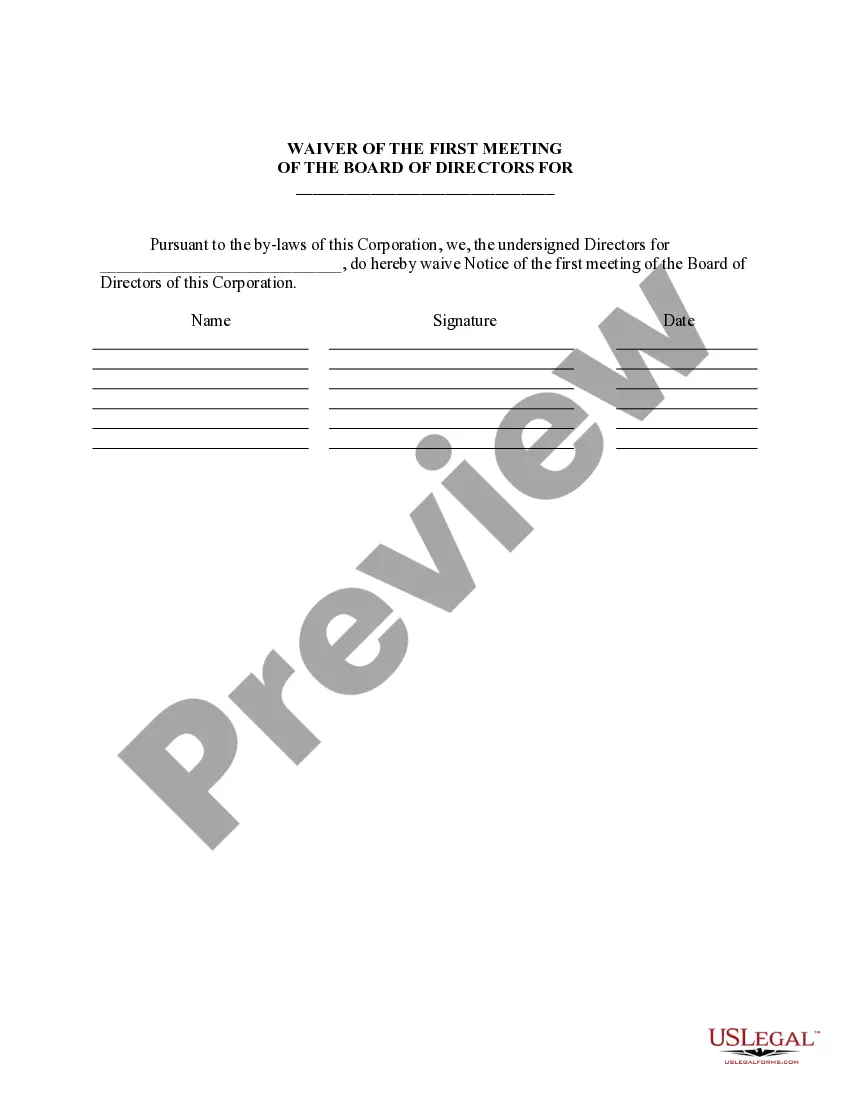
Board Directors Corporate Without In Minnesota
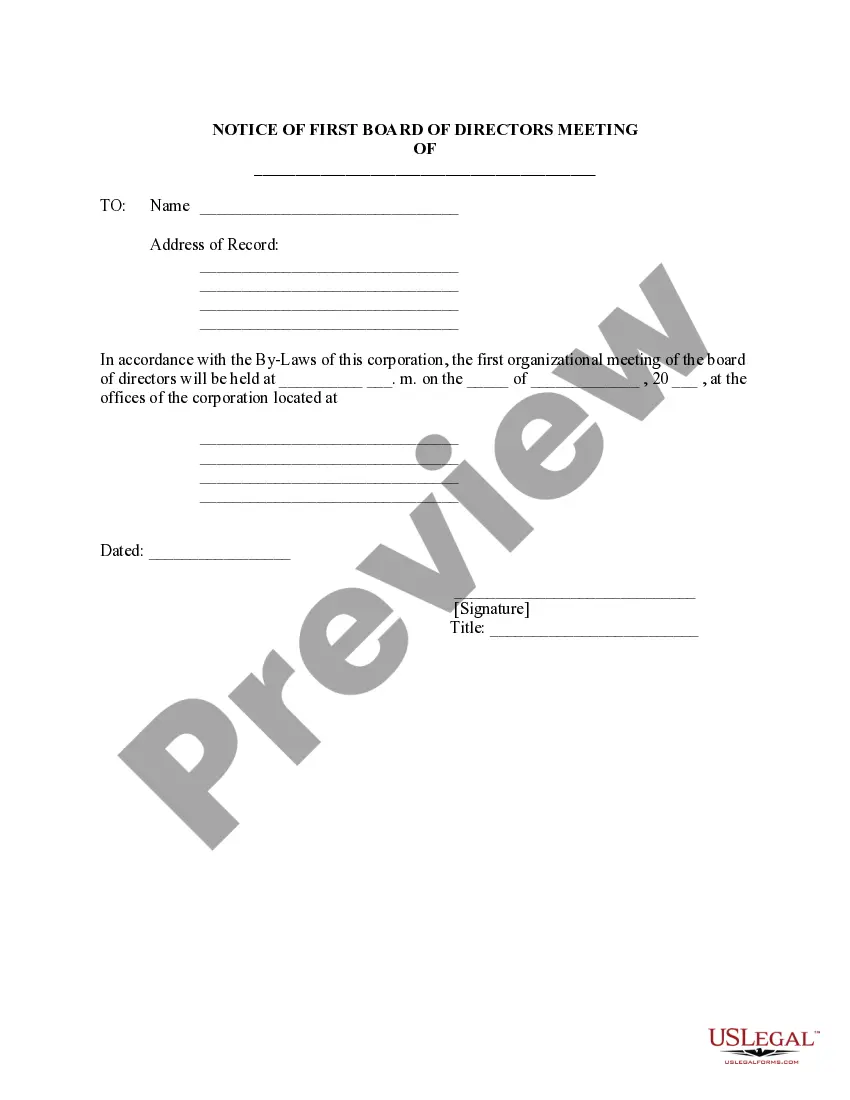
Description


Get your form ready online
Our built-in tools help you complete, sign, share, and store your documents in one place.
Make edits, fill in missing information, and update formatting in US Legal Forms—just like you would in MS Word.
Download a copy, print it, send it by email, or mail it via USPS—whatever works best for your next step.
Sign and collect signatures with our SignNow integration. Send to multiple recipients, set reminders, and more. Go Premium to unlock E-Sign.
If this form requires notarization, complete it online through a secure video call—no need to meet a notary in person or wait for an appointment.
We protect your documents and personal data by following strict security and privacy standards.

Make edits, fill in missing information, and update formatting in US Legal Forms—just like you would in MS Word.

Download a copy, print it, send it by email, or mail it via USPS—whatever works best for your next step.

Sign and collect signatures with our SignNow integration. Send to multiple recipients, set reminders, and more. Go Premium to unlock E-Sign.

If this form requires notarization, complete it online through a secure video call—no need to meet a notary in person or wait for an appointment.

We protect your documents and personal data by following strict security and privacy standards.
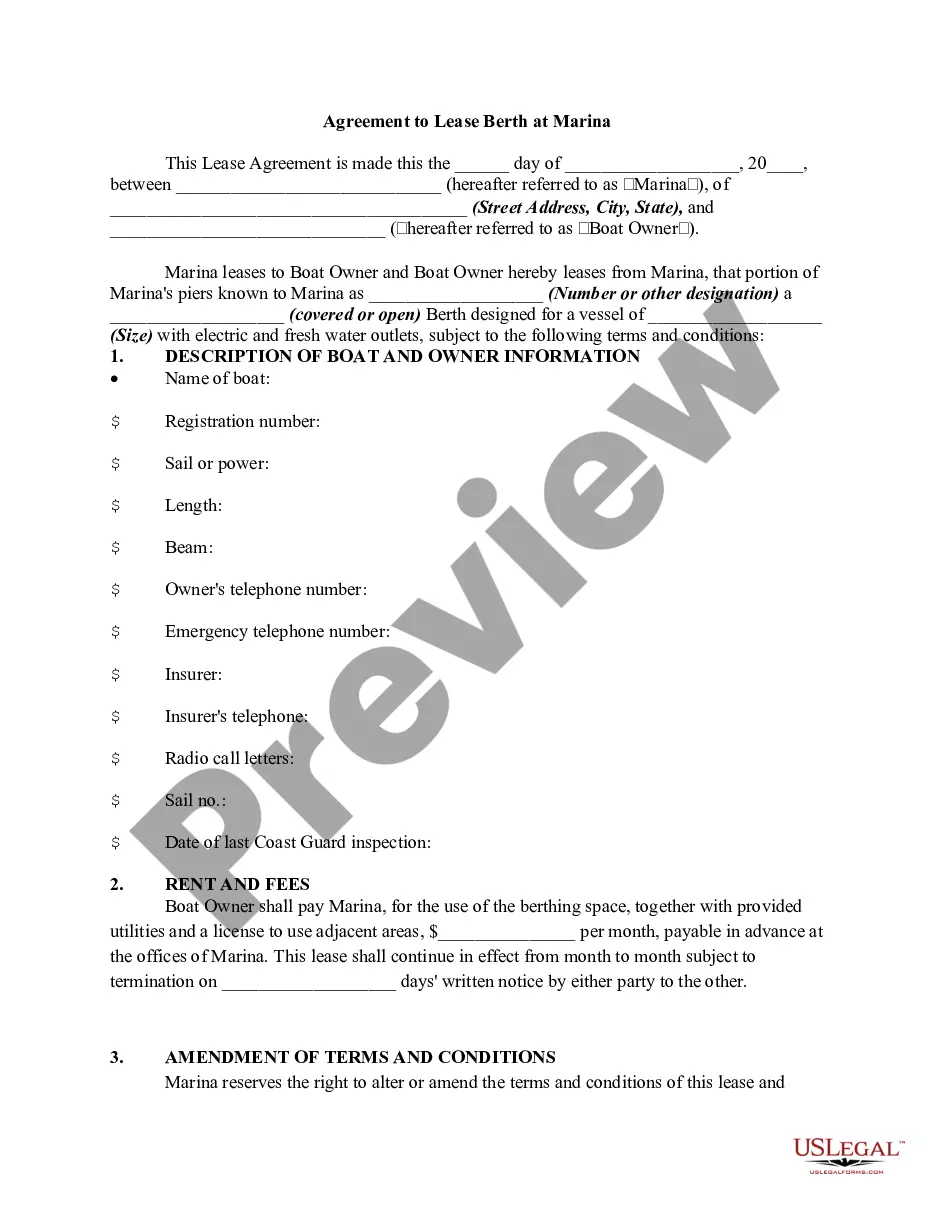
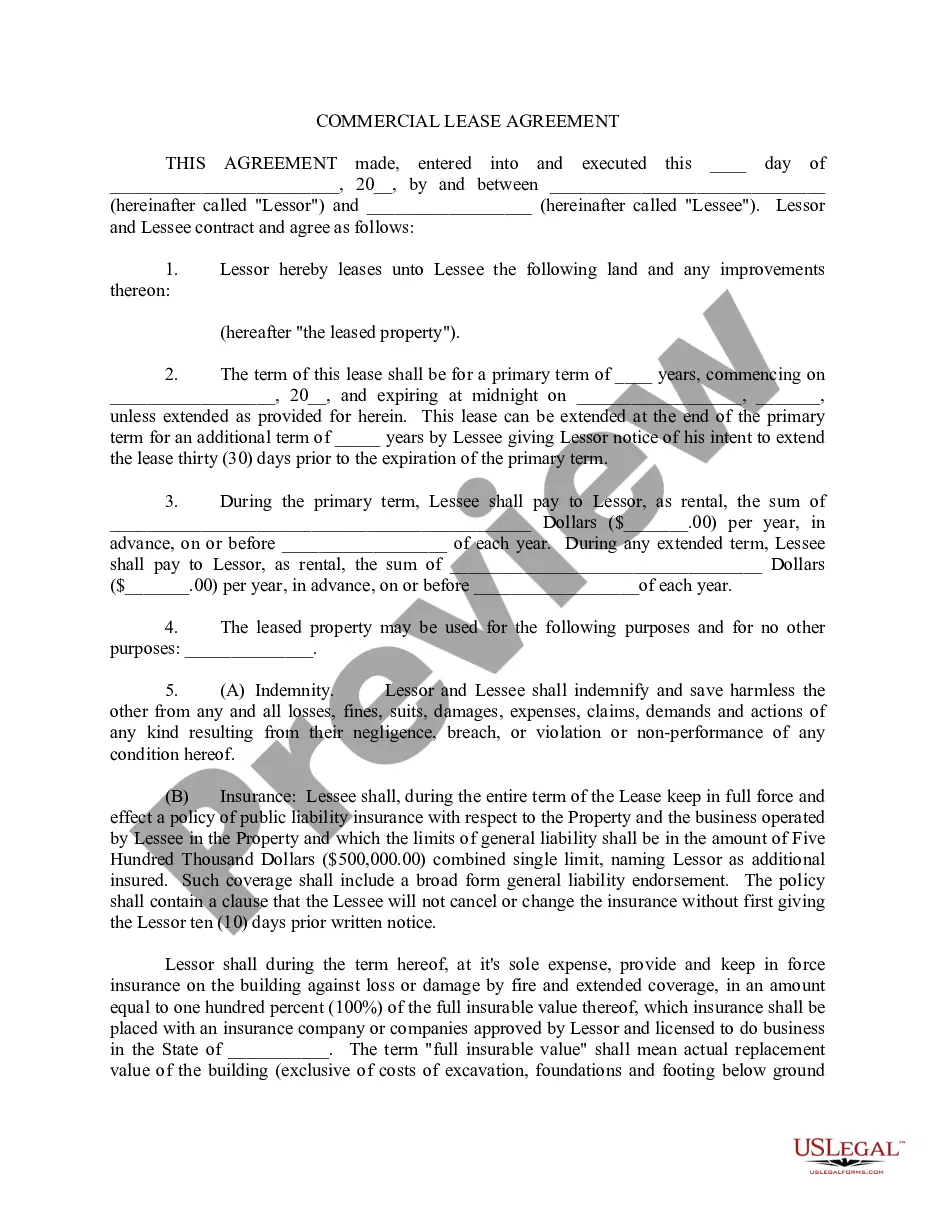
Looking for another form?







Form popularity
FAQ
LEGAL RECOGNITION OF ELECTRONIC RECORDS AND SIGNATURES.
Typically, term limits for board members are outlined within the organization's bylaws. BoardSource recommends two consecutive three-year terms for nonprofits. The National Association of Corporate Directors (NACD) recommends 10 to 15-year terms for for-profit corporate boards.
Minnesota corporate bylaws are rules that define a corporation's internal structure and daily operations. They allow the first board of directors or the incorporators to nominate officers and identify their liabilities, duties, and rights within the corporation.
Boards should have at least six meetings a year and expect regular attendance of members. 20. To ensure broad public participation, vitality, and diversity, the board should establish term limits of no more than nine consecutive years.
MN Statute of Limitations on Back Child Support Payments (Arrears) Minnesota has no statute of limitations on certain enforcement actions including: income withholding, state tax intercept, credit bureau reporting, license suspension, and contempt. The statute of limitations on judgments lasts for 10 years.
If your business is a corporation, then you are required by law to have a board of directors. Depending on your particular corporate structure and your state, one or two directors may be all that's legally required.
An action required or permitted to be taken at a board meeting may be taken by written action signed, or consented to by authenticated electronic communication, by all of the directors.
Minnesota nonprofit organizations are governed by the Minnesota Nonprofit Corporation Act, Minn. Stat. ch. 317A. A nonprofit corporation's purpose and activities must serve the organization's mission to benefit the public, and may not be operated to profit other persons or entities.
It is best to stagger board terms so only a few board members leave each year. You do not want to lose more than one-third of your board at one time. I suggest that the term length be in the two-year to three-year range and that members serve a maximum number of three to four terms.
Some nonprofits boards have two consecutive terms of three years. On the other hand, The National Association of Corporate Directors (NACD) recommends term limits of 10-15 years for for-profit corporate boards. In certain cases, board members serve on one board for 20 to 30 years without term limits.