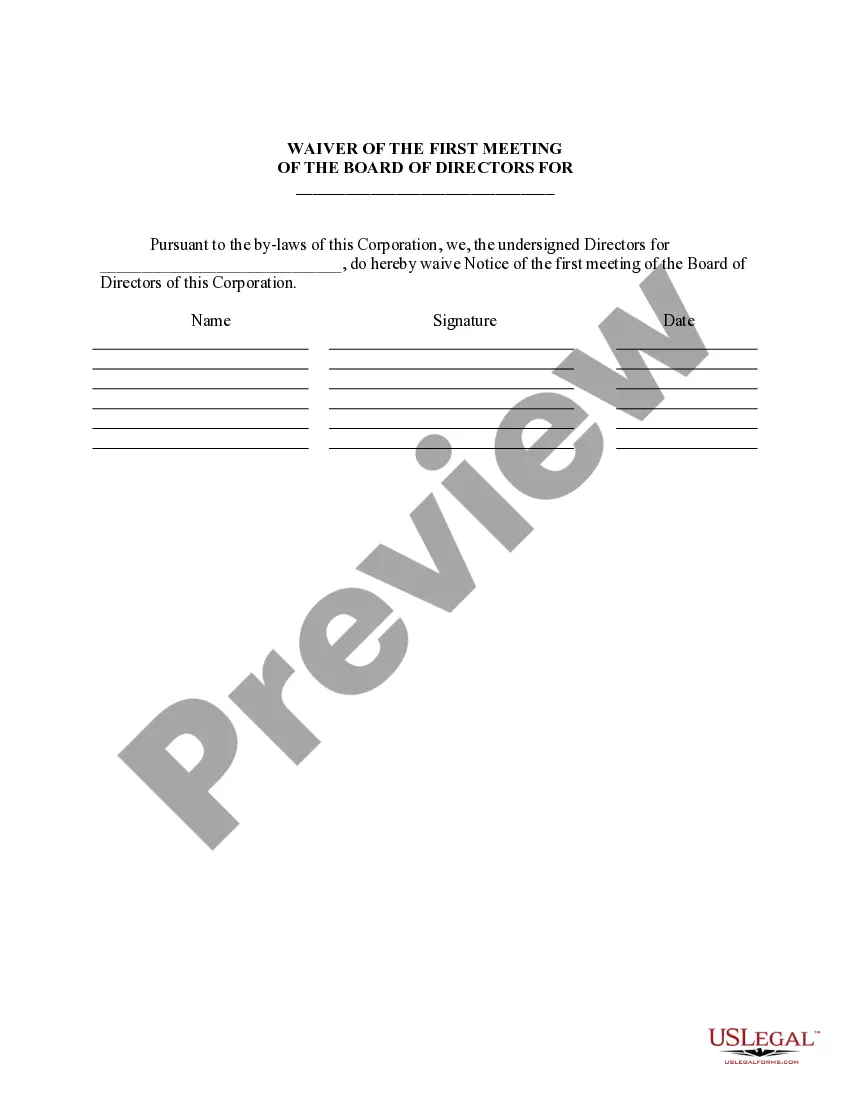
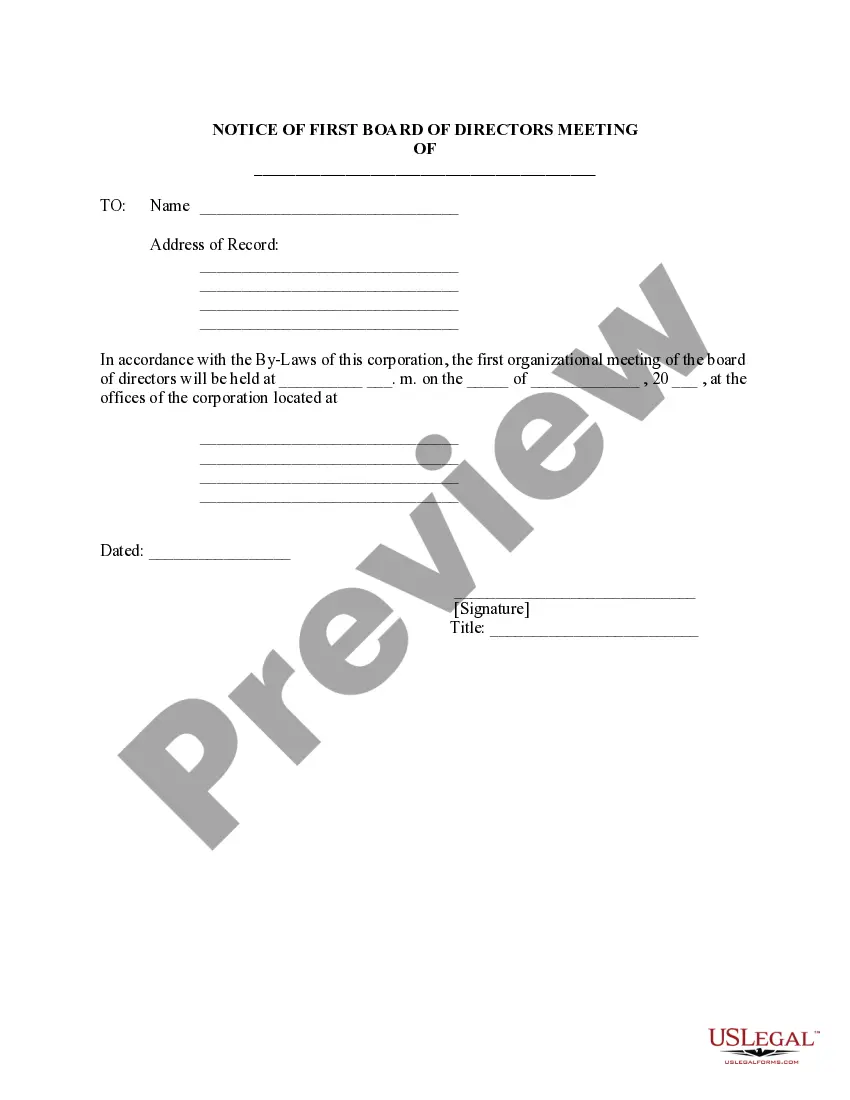
Board Directors Corporate With The Task Of Creating In Florida
Description


Get your form ready online
Our built-in tools help you complete, sign, share, and store your documents in one place.
Make edits, fill in missing information, and update formatting in US Legal Forms—just like you would in MS Word.
Download a copy, print it, send it by email, or mail it via USPS—whatever works best for your next step.
Sign and collect signatures with our SignNow integration. Send to multiple recipients, set reminders, and more. Go Premium to unlock E-Sign.
If this form requires notarization, complete it online through a secure video call—no need to meet a notary in person or wait for an appointment.
We protect your documents and personal data by following strict security and privacy standards.

Make edits, fill in missing information, and update formatting in US Legal Forms—just like you would in MS Word.

Download a copy, print it, send it by email, or mail it via USPS—whatever works best for your next step.

Sign and collect signatures with our SignNow integration. Send to multiple recipients, set reminders, and more. Go Premium to unlock E-Sign.

If this form requires notarization, complete it online through a secure video call—no need to meet a notary in person or wait for an appointment.

We protect your documents and personal data by following strict security and privacy standards.
Looking for another form?










Form popularity
FAQ
The Role of the Board of Directors 1) Recruit, supervise, retain, evaluate and compensate the manager. 2) Provide direction for the organization. 3) Establish a policy based governance system. 4) Govern the organization and the relationship with the CEO.
(1) Directors must be natural persons who are 18 years of age or older but need not be residents of this state or members of the corporation unless the articles of incorporation or bylaws so require. For a corporation organized ing to the provisions of s.
The main role of a board of directors is to perform the duties of strategic planning and oversight. While these terms are used often, it's important not to diminish these duties, as they are the backbone of successful business planning.
There are 3 main areas that a board of directors focuses their work: governance, strategic direction and accountability. Governance. Strategic direction. Accountability. LLC. Duty of care. Duty of loyalty. Duty of obedience.
The Role of the Board of Directors 1) Recruit, supervise, retain, evaluate and compensate the manager. 2) Provide direction for the organization. 3) Establish a policy based governance system. 4) Govern the organization and the relationship with the CEO.
What are four essentials to building a strong board of directors? Broaden the board's scope. Many traditional boards focus solely on oversight of the management team. Deepen directors' commitment. Clarify responsibilities and board composition. Create trust by investing in board dynamics.
To act within powers in ance with the company's constitution and to use those powers only for the purposes for which they were conferred. to promote the success of the company for the benefit of its members. to exercise independent judgement. to exercise reasonable care, skill and diligence.
Small business owners in Florida typically find this flexible structure to be very attractive. Unlike corporations, however, Florida LLCs are not required to hold yearly meetings or even have a board of directors, although they may.
Steps to Building a Strong Board of Directors Step 1: Define the Purpose and Goals of the Board. Step 2: Identify the Skills and Experience Needed. Step 3: Recruit Board Members. Step 4: Provide Orientation and Training. Step 5: Establish Clear Governance Processes. Step 6: Evaluate Board Performance.