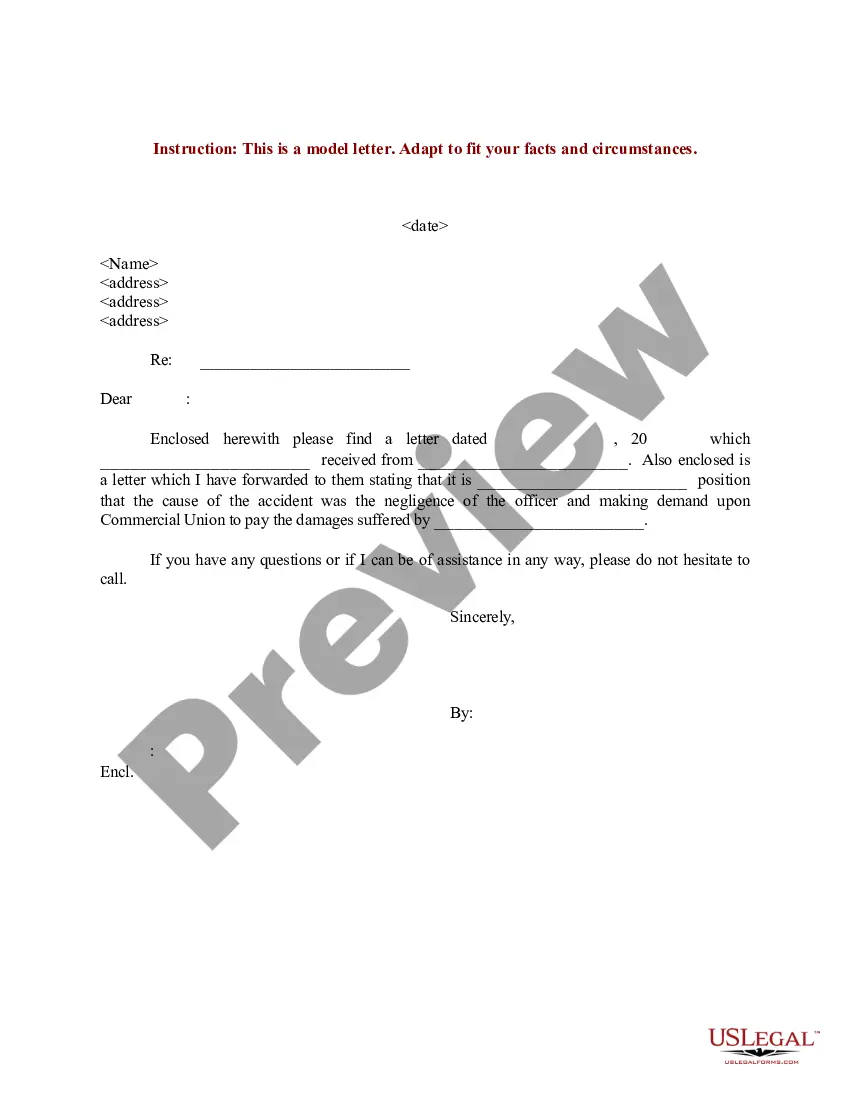
Best Attorney For Insurance Company In Wake
Description
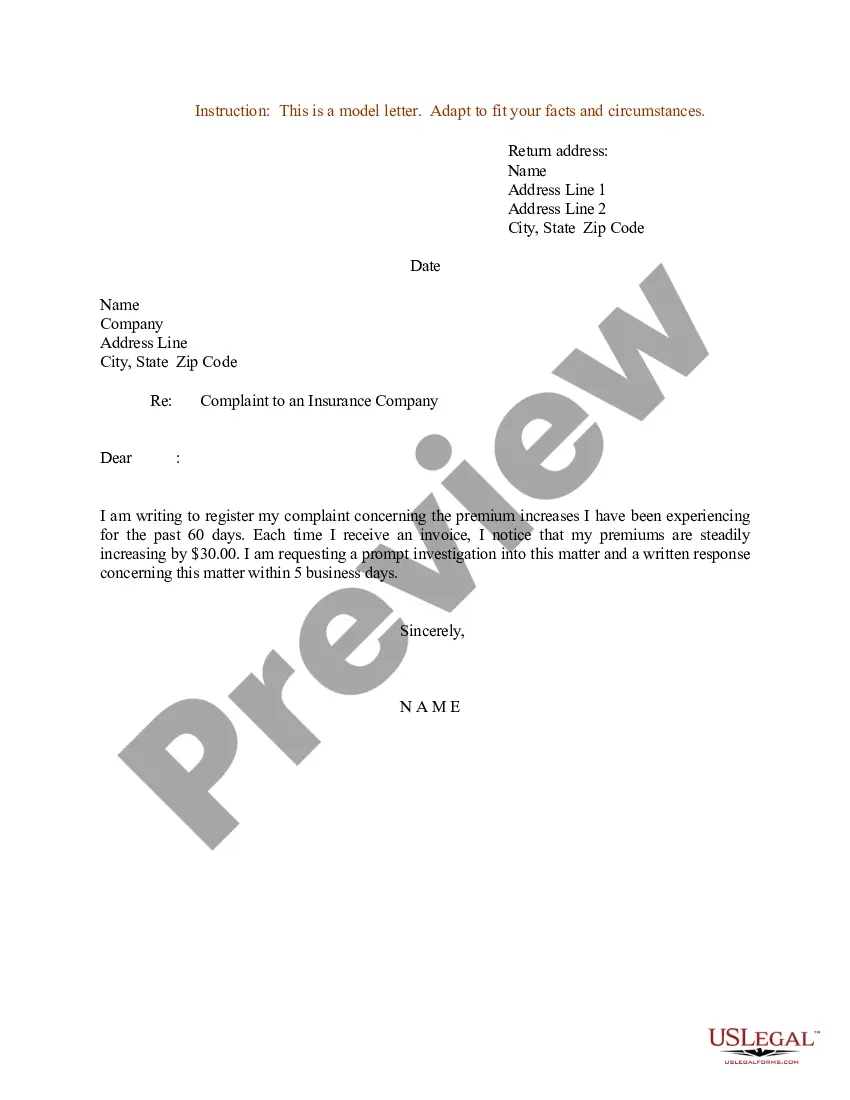
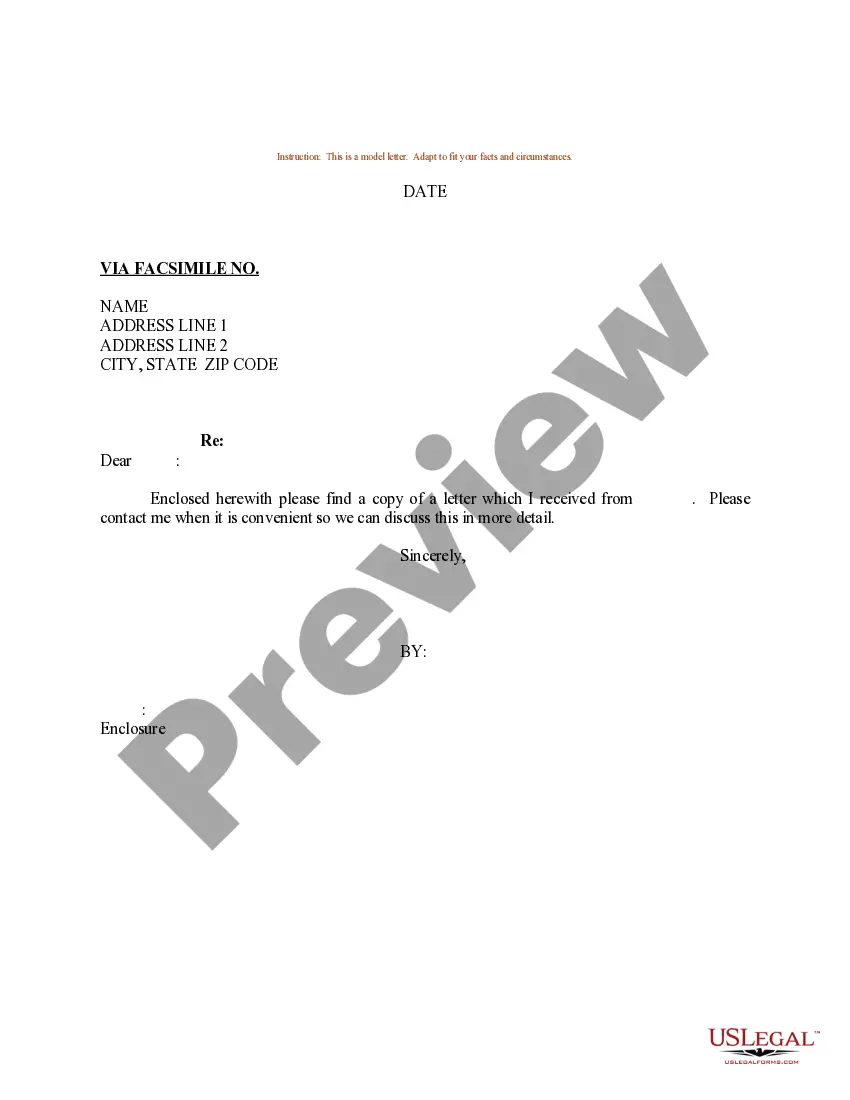
Get your form ready online
Our built-in tools help you complete, sign, share, and store your documents in one place.
Make edits, fill in missing information, and update formatting in US Legal Forms—just like you would in MS Word.
Download a copy, print it, send it by email, or mail it via USPS—whatever works best for your next step.
Sign and collect signatures with our SignNow integration. Send to multiple recipients, set reminders, and more. Go Premium to unlock E-Sign.
If this form requires notarization, complete it online through a secure video call—no need to meet a notary in person or wait for an appointment.
We protect your documents and personal data by following strict security and privacy standards.

Make edits, fill in missing information, and update formatting in US Legal Forms—just like you would in MS Word.

Download a copy, print it, send it by email, or mail it via USPS—whatever works best for your next step.

Sign and collect signatures with our SignNow integration. Send to multiple recipients, set reminders, and more. Go Premium to unlock E-Sign.

If this form requires notarization, complete it online through a secure video call—no need to meet a notary in person or wait for an appointment.

We protect your documents and personal data by following strict security and privacy standards.
Looking for another form?

Form popularity
FAQ
Insurance companies are regulated by the California Department of Insurance. Individuals who have had their claims denied in bad faith can file a consumer complaint with the department. An attorney can help walk you through the process and help to ensure you receive the recovery you deserve after an accident.
If a commercial property damage claim is disputed, insurance companies will notify their legal counsel to help protect their business interests. These insurance defense lawyers may work for independent law firms or as in-house counsel for an insurance company.
You should try to contact the supervisor of the adjuster (if there is one). If not, you can report the company to your state's insurance commission. You may also want to consult with a personal injury lawyer (if you were injured).
Present your case clearly and concisely. Avoid sharing too much personal information or details that are not directly relevant to the claim. Do Not Accept the First Offer: Adjusters often start with a low offer. Politely decline and state that the offer doesn't adequately cover your losses.
Present your case clearly and concisely. Avoid sharing too much personal information or details that are not directly relevant to the claim. Do Not Accept the First Offer: Adjusters often start with a low offer. Politely decline and state that the offer doesn't adequately cover your losses.
If you have been offered an unfair settlement, and the insurance company will not even consider giving you a fair offer, you need to retain experienced legal counsel at once. Attempting to deal with the insurance company on your own is not advised.
You may be able to sue your insurance company for bad faith if they intentionally neglect to perform the duties necessary ing to your policy. If the insurance company knows that the claim is valid but they deny it anyway, you may be able to sue for bad faith.
Some key phrases to avoid saying to an insurance adjuster include: “I'm sorry.” “It was all/partly my fault.” “I did not see the other person/driver.”
Avoiding a Lawsuit or Trial When an insurance company offers you a quick settlement offer, it wants to avoid a lawsuit or going to court. Insurance companies usually want to avoid getting involved in lawsuits and lengthy trials. Litigating a personal injury case can be expensive. Additionally, lawsuits are uncertain.