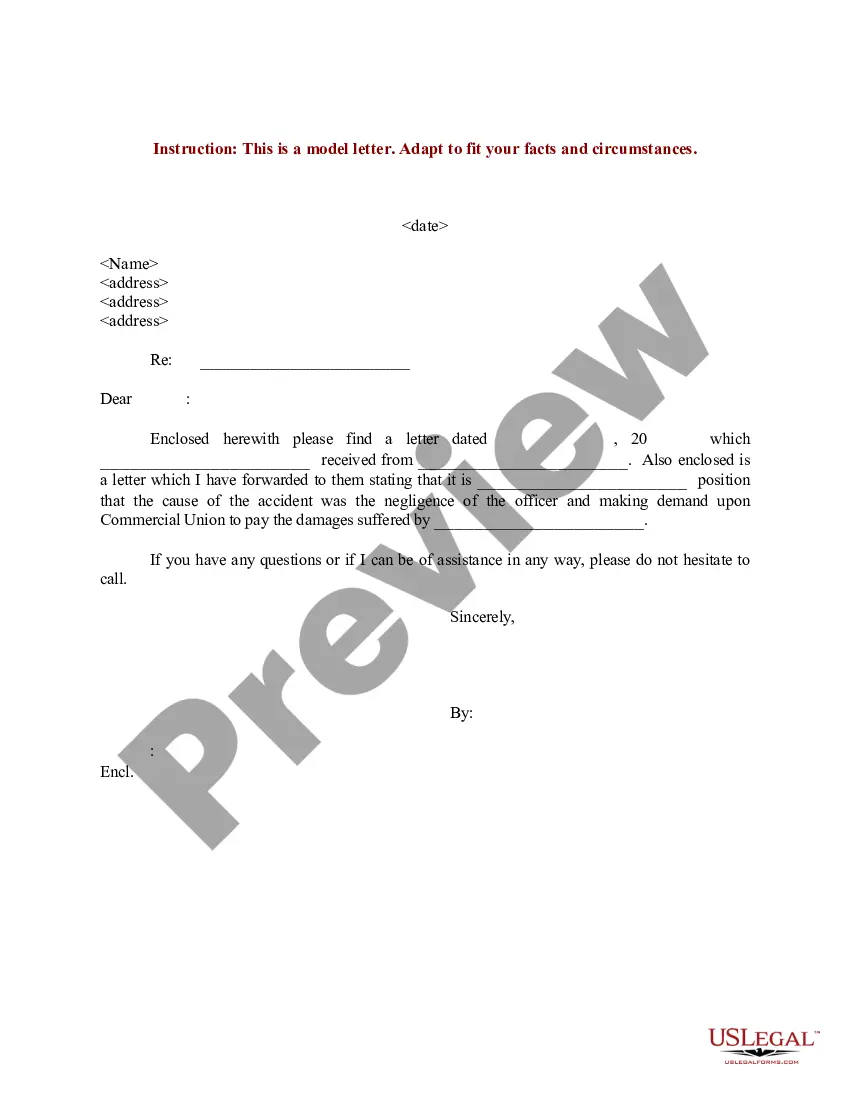
Letter Insurance Form For Claim In Texas
Description
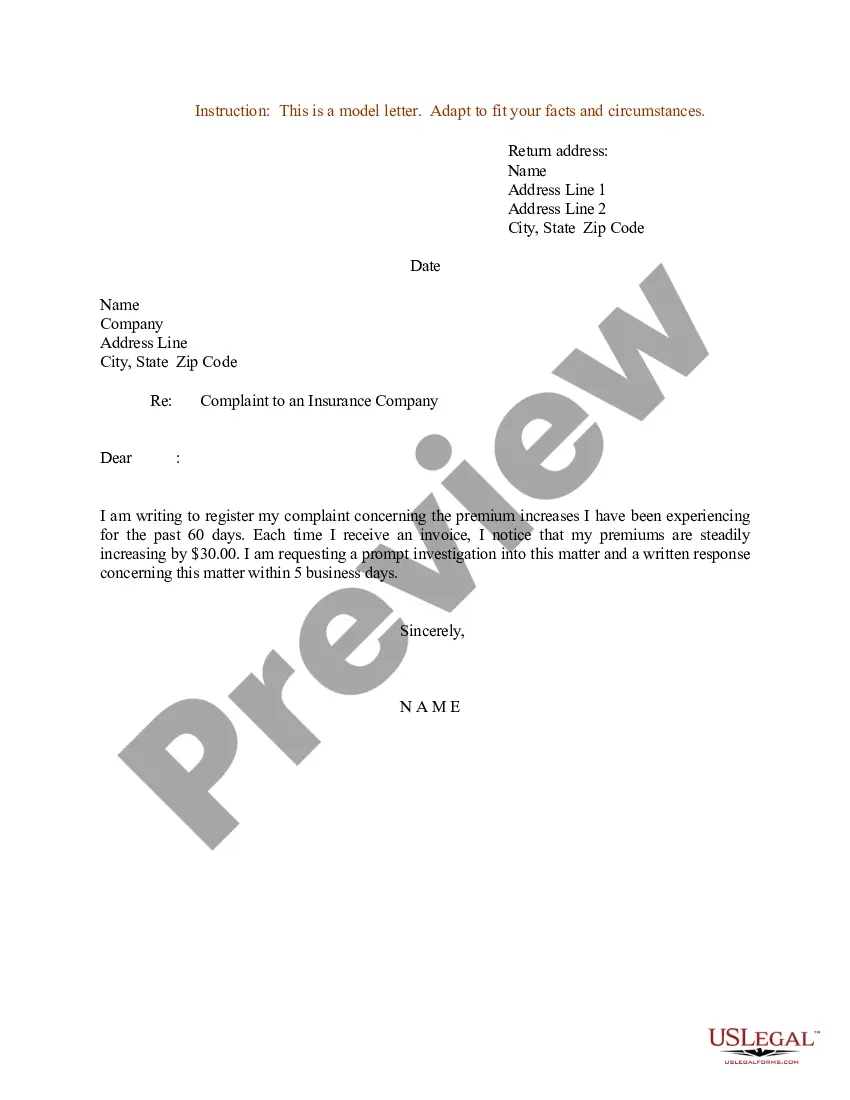
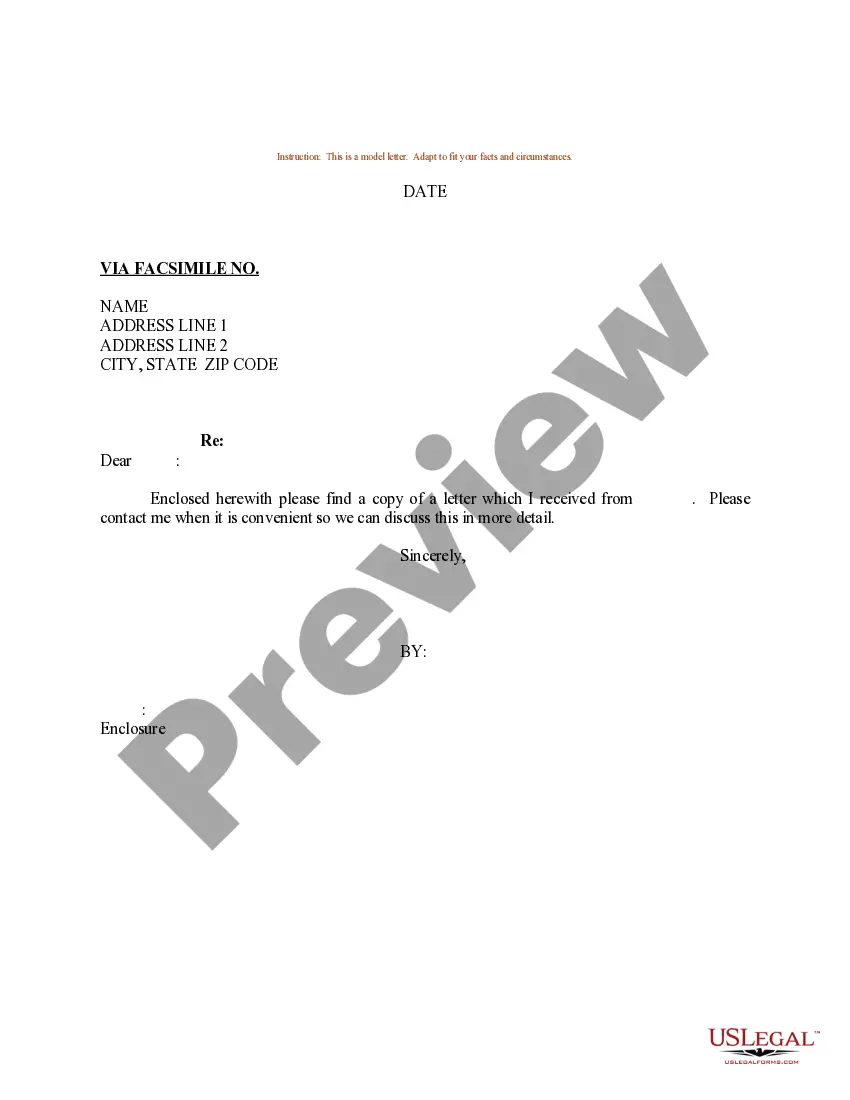
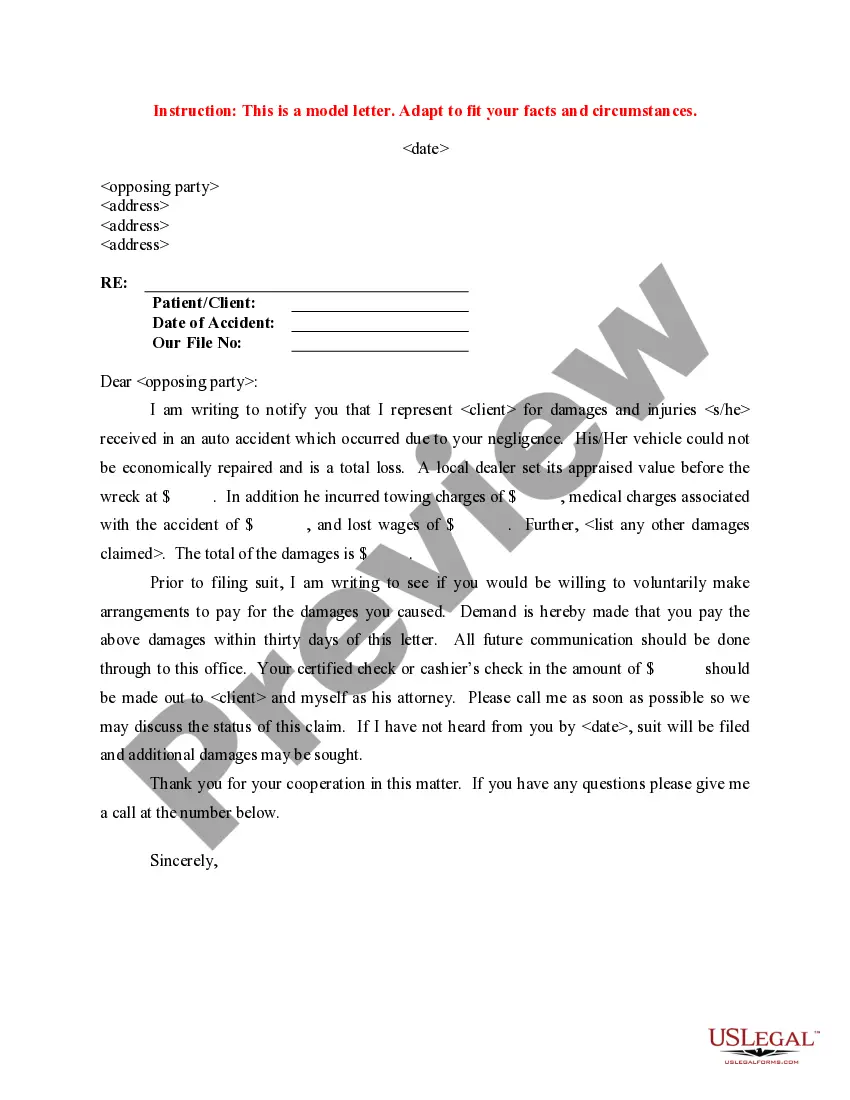
Get your form ready online
Our built-in tools help you complete, sign, share, and store your documents in one place.
Make edits, fill in missing information, and update formatting in US Legal Forms—just like you would in MS Word.
Download a copy, print it, send it by email, or mail it via USPS—whatever works best for your next step.
Sign and collect signatures with our SignNow integration. Send to multiple recipients, set reminders, and more. Go Premium to unlock E-Sign.
If this form requires notarization, complete it online through a secure video call—no need to meet a notary in person or wait for an appointment.
We protect your documents and personal data by following strict security and privacy standards.

Make edits, fill in missing information, and update formatting in US Legal Forms—just like you would in MS Word.

Download a copy, print it, send it by email, or mail it via USPS—whatever works best for your next step.

Sign and collect signatures with our SignNow integration. Send to multiple recipients, set reminders, and more. Go Premium to unlock E-Sign.

If this form requires notarization, complete it online through a secure video call—no need to meet a notary in person or wait for an appointment.

We protect your documents and personal data by following strict security and privacy standards.
Looking for another form?




Form popularity
FAQ
Step-by-Step Guide to Writing an Insurance Claim Letter Gather Information and Documentation: Start with Personal and Insurance Company Details: Introduce Your Claim: Describe the Incident: Detail Your Claim: Conclude with a Call to Action:
Treat the following as a set of general guidelines: Gather complete information before you start writing. Describe your injuries and medical treatment. List your medical expenses, lost wages, and non-economic damages. Make a settlement demand. Include a deadline for legal action if you want to, but don't bluff.
How to write an insurance cover letter Include your contact details. Mention the date and write a greeting. Write your introduction and show enthusiasm for the open position. Highlight your credentials. Convey your gratitude. Include a call to action and end the document. Include unique information.
The opening paragraph of a cover letter or CV typically serves as an introduction to the applicant, highlighting their interest in the position and summarizing their qualifications. ``I am writing to express my interest in the (Job Title) position at (Company Name), as advertised on (where you found the job listing).
Short cover letter template Dear Hiring Manager's Name, As a Position Name with X years of experience Action, I believe that I am the ideal candidate for Company Name. I look forward to hearing from you. I can be reached at Your Email or Your Phone Number.
A health insurance claim form has two sections, i.e., Part A and Part B. While Part A is to be filled out by the policyholder, Part B is for the hospital. 2. In Part A of the form, you must fill out your name, residential address, policy number, email ID, phone number, medical history, details of hospitalisation, etc.
Cover Letter Body As a claim specialist, I am highly knowledgeable in all aspects of claim processing. I have a proven track record of successfully resolving complex claims and providing excellent customer service. With my expertise and experience, I am confident that I can make a positive impact on your organization.
Step-by-Step Guide to Writing an Insurance Claim Letter Gather Information and Documentation: Start with Personal and Insurance Company Details: Introduce Your Claim: Describe the Incident: Detail Your Claim: Conclude with a Call to Action:
Here are a few tips on how to write a professional demand letter that the insurance adjuster will take seriously: Type your letter. Be polite. Keep it short, but not too short. Tell your side of the story. Ask for what you want, but be reasonable. Set a deadline. Keep copies. Use certified mail.
A health insurance claim form has two sections, i.e., Part A and Part B. While Part A is to be filled out by the policyholder, Part B is for the hospital. 2. In Part A of the form, you must fill out your name, residential address, policy number, email ID, phone number, medical history, details of hospitalisation, etc.