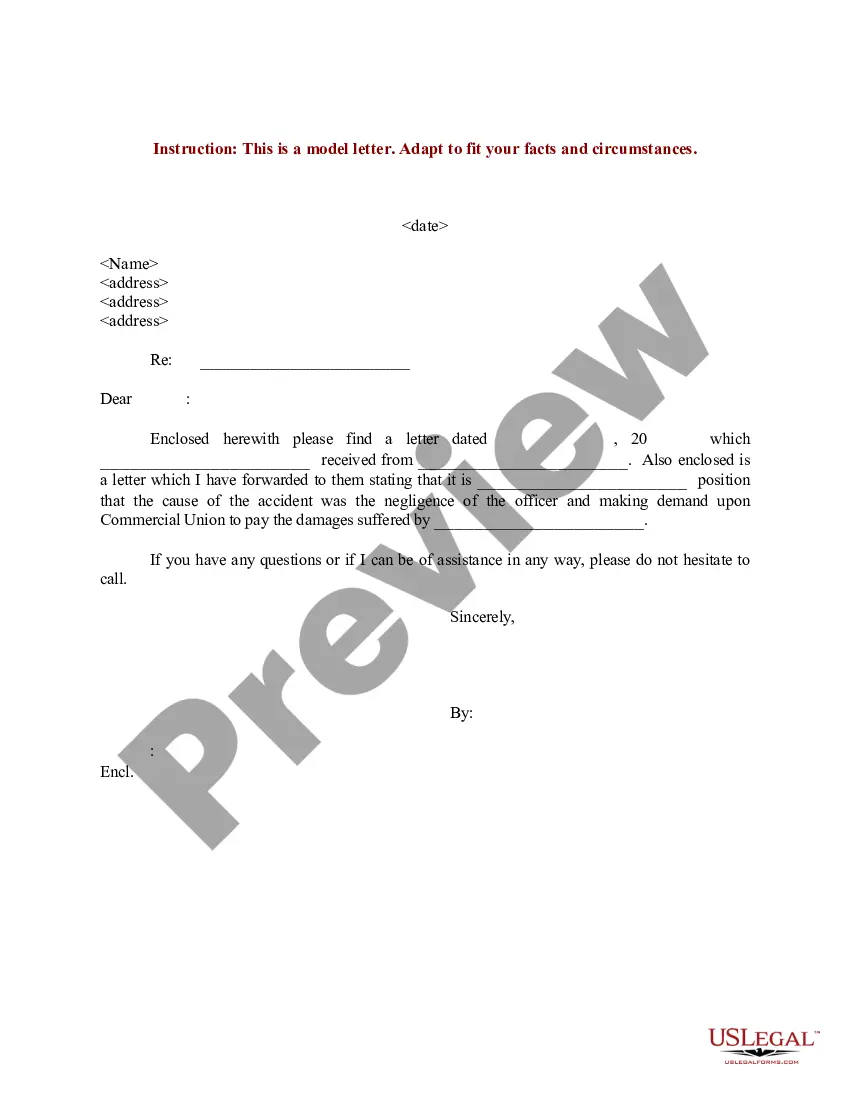
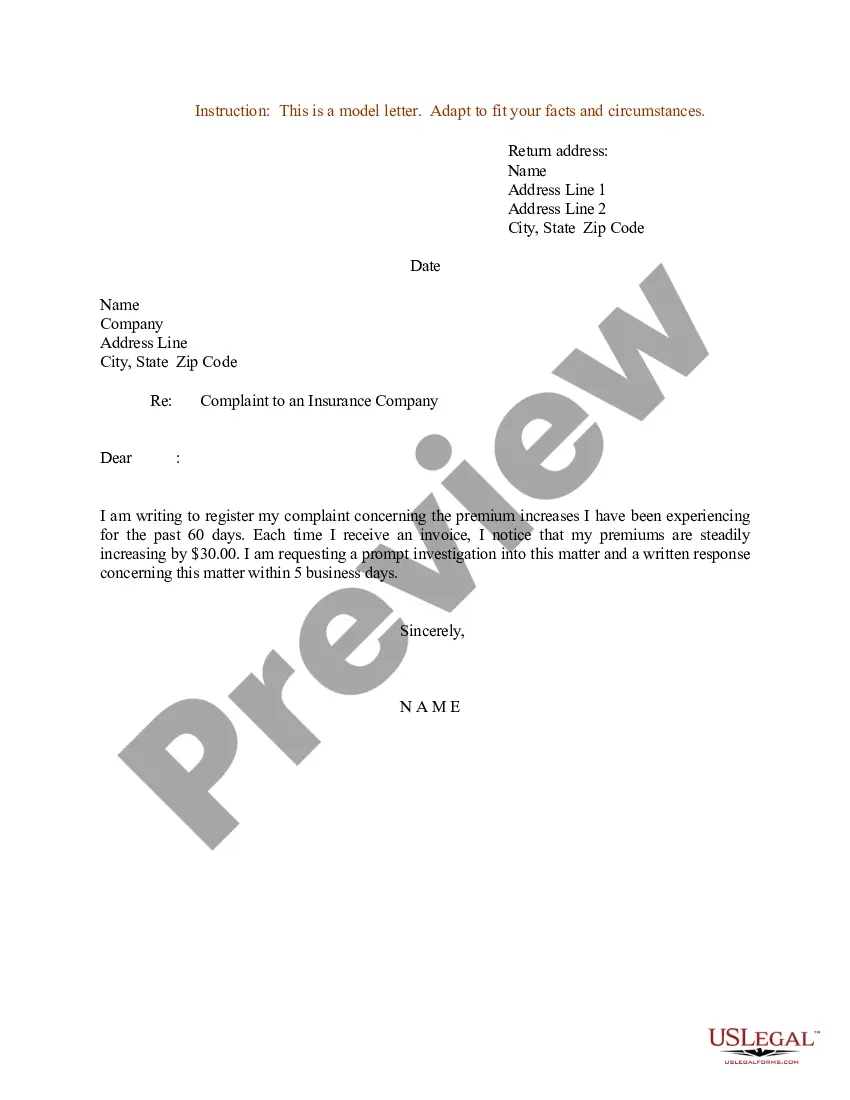
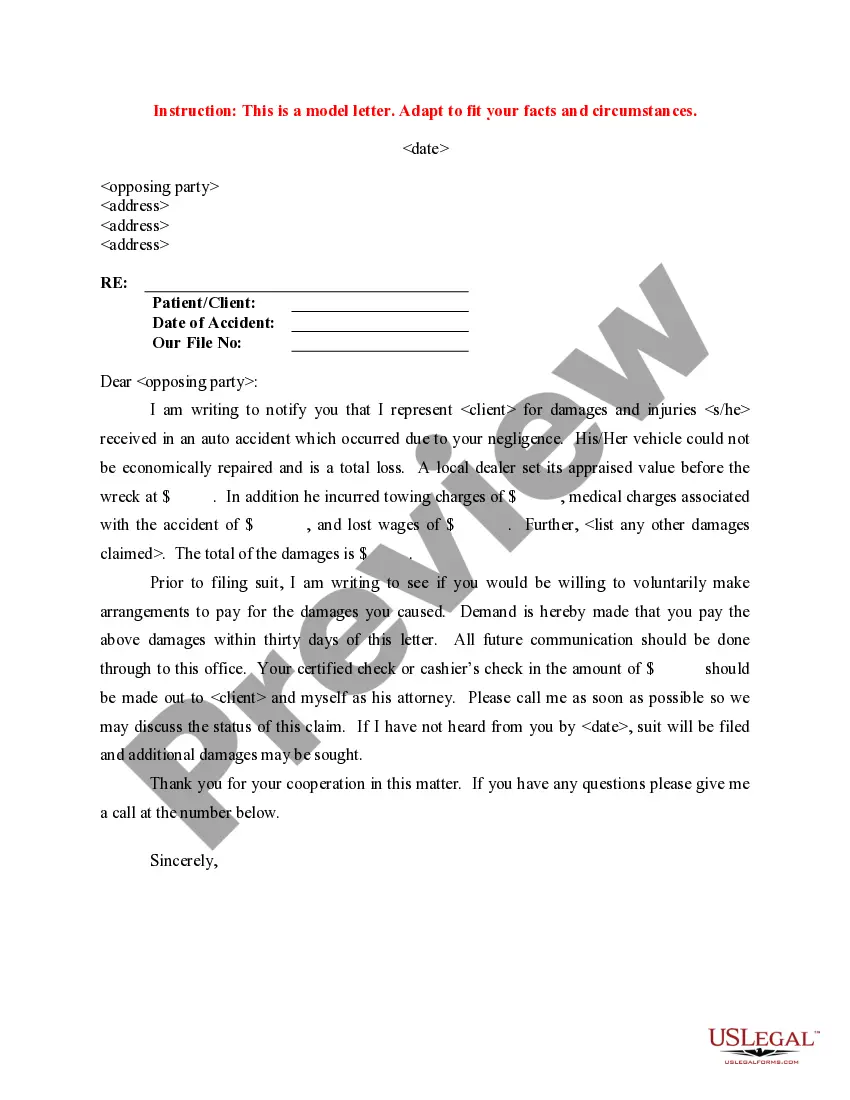
Letter Insurance Form Withdrawal In Nevada
Description
Get your form ready online
Our built-in tools help you complete, sign, share, and store your documents in one place.
Make edits, fill in missing information, and update formatting in US Legal Forms—just like you would in MS Word.
Download a copy, print it, send it by email, or mail it via USPS—whatever works best for your next step.
Sign and collect signatures with our SignNow integration. Send to multiple recipients, set reminders, and more. Go Premium to unlock E-Sign.
If this form requires notarization, complete it online through a secure video call—no need to meet a notary in person or wait for an appointment.
We protect your documents and personal data by following strict security and privacy standards.

Make edits, fill in missing information, and update formatting in US Legal Forms—just like you would in MS Word.

Download a copy, print it, send it by email, or mail it via USPS—whatever works best for your next step.

Sign and collect signatures with our SignNow integration. Send to multiple recipients, set reminders, and more. Go Premium to unlock E-Sign.

If this form requires notarization, complete it online through a secure video call—no need to meet a notary in person or wait for an appointment.

We protect your documents and personal data by following strict security and privacy standards.
Looking for another form?






Form popularity
FAQ
You'll sign an endorsement or agreement that prohibits your insurer from covering this person, thus making it illegal for them to drive your car (if they don't get their own coverage from another insurer). This person would then be named on your policy as an excluded driver.
Your letter should include: Date of notice. Insurance company name and address. Appropriate department name and contact person. Insured's name (found in the declarations page of the policy) Insured's mailing address. Insured's phone number. Policy number. Coverage period (on declarations page)
An exclusion is a provision within an insurance policy that eliminates coverage for certain acts, property, types of damage or locations.
Excluded drivers are not covered by an auto insurance policy, even if they have permission to use the vehicle. If an excluded driver causes an accident, the accident is treated as if the driver had no insurance at all.
Failing to add your teenager to your auto insurance can lead to coverage denial, legal penalties and policy cancellation. Lack of driving experience and perceived higher risk contribute to higher car premiums for teen drivers.
Nevada's minimum auto insurance requirements include: Bodily Injury Coverage: $25,000 per person. Total Bodily Injury Coverage: $50,000 per accident. Property Damage Coverage: $20,000 per accident.
At least one person's or business name on the registration must match a named insured on the policy. An operator policy may be used in lieu of owner's policy of liability. Each registered owner of the vehicle must maintain an operator policy in order to meet Nevada's requirement for liability insurance.
A third party may register the vehicle for you. The person must also present an Application for Vehicle Registration (VP 222) signed by the owner. Or, the third party may present a completed Power of Attorney (VP 136) or a General Power of Attorney instead of a VP 222.
What You Need Nevada Evidence of Insurance. Electronic Dealer Report of Sale (EDRS) Nevada Emission Vehicle Inspection Report. (If needed, this must be issued by the dealer) Current Odometer Reading. Application for Vehicle Registration (VP 222) (If a third party registers the vehicle on behalf of the owner)