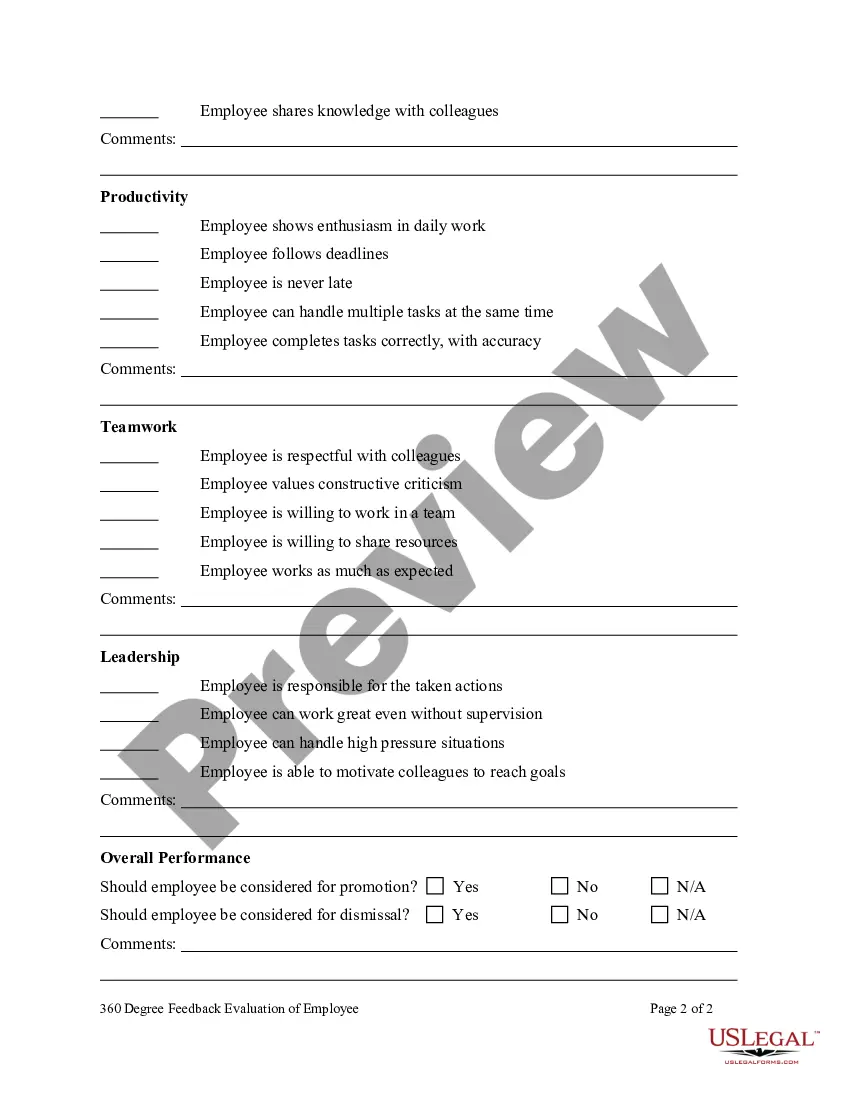
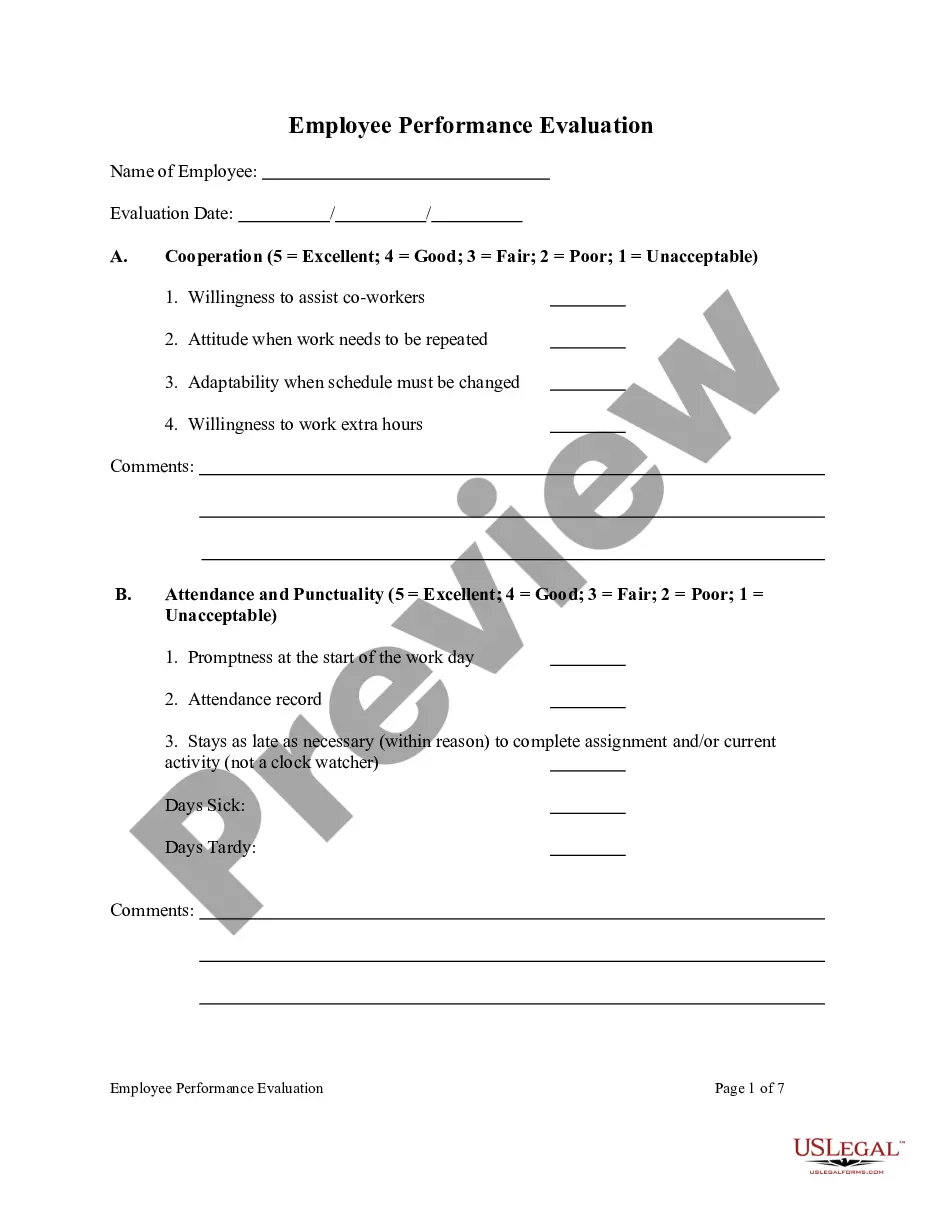
360 Degree Feedback Examples For Peers In Miami-Dade
Description

Get your form ready online
Our built-in tools help you complete, sign, share, and store your documents in one place.
Make edits, fill in missing information, and update formatting in US Legal Forms—just like you would in MS Word.
Download a copy, print it, send it by email, or mail it via USPS—whatever works best for your next step.
Sign and collect signatures with our SignNow integration. Send to multiple recipients, set reminders, and more. Go Premium to unlock E-Sign.
If this form requires notarization, complete it online through a secure video call—no need to meet a notary in person or wait for an appointment.
We protect your documents and personal data by following strict security and privacy standards.

Make edits, fill in missing information, and update formatting in US Legal Forms—just like you would in MS Word.

Download a copy, print it, send it by email, or mail it via USPS—whatever works best for your next step.

Sign and collect signatures with our SignNow integration. Send to multiple recipients, set reminders, and more. Go Premium to unlock E-Sign.

If this form requires notarization, complete it online through a secure video call—no need to meet a notary in person or wait for an appointment.

We protect your documents and personal data by following strict security and privacy standards.
Looking for another form?









Form popularity
FAQ
What is 360 degree feedback? 360 degree feedback (also known as multi-source or multi rater feedback assessment) is a way for individuals to understand their personal strengths and weaknesses, using the constructive feedback of others who work with them the most.
Positive 360 feedback examples The approach you have to resolving conflicts is commendable. Your active listening and tactful communication have helped to transform conflicts into opportunities for growth and team bonding.
Example of constructive feedback: "Helen, I always appreciate how productive and reliable you are, but I have noticed a change in your performance lately. Turning in assignments late is unlike you. I wanted to check in with you to discuss any challenges you have been facing and understand how I can support you better."
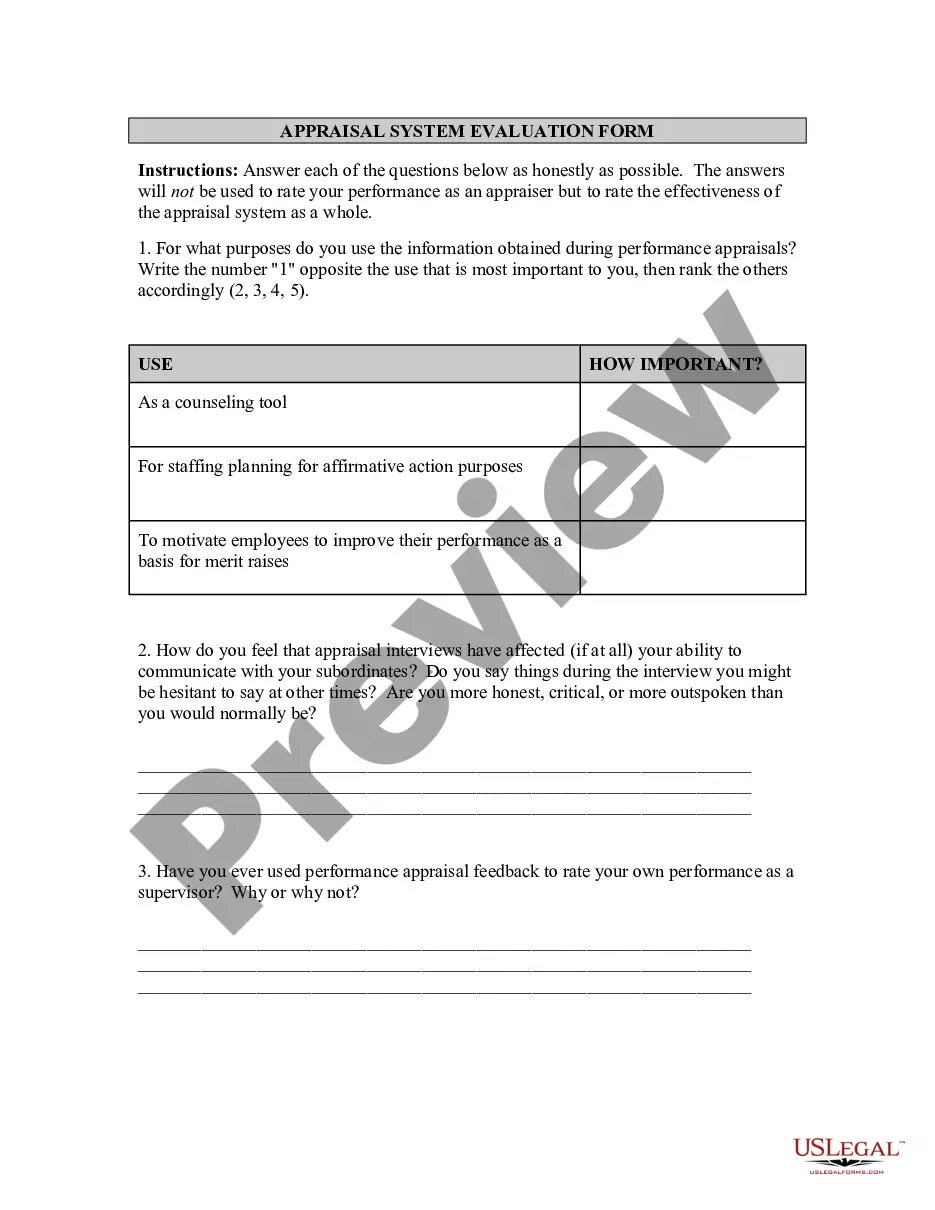
Unlike conventional appraisal techniques, a 360-degree appraisal is a management tool where the manager and an employee evaluate the latter's performance. It is also known as multi-rater feedback. 360-degree feedback also allows you to receive feedback from superiors, peers, clients, and other staff members.
360 Degree Feedback Examples for Decision-Making “The team appreciates how David carefully considers all perspectives before making important decisions that impact the organization.” “Samantha could improve her decision-making by making more decisive choices and communicating the rationale behind them to the team.”
Positive Peer Review Feedback Examples His ability to take initiative in resolving team conflicts is commendable.” “Sarah is a great collaborator. She always listens carefully during brainstorming sessions and brings creative ideas that help the team move forward.”
What should I include in 360 feedback? Start by recognizing their strengths and positive qualities, highlighting specific areas of excellence. Identify specific areas for improvement and offer constructive feedback for their development. Provide behavioral examples for your observations.
Unlike conventional appraisal techniques, a 360-degree appraisal is a management tool where the manager and an employee evaluate the latter's performance. It is also known as multi-rater feedback. 360-degree feedback also allows you to receive feedback from superiors, peers, clients, and other staff members.
What should I include in 360 feedback? Start by recognizing their strengths and positive qualities, highlighting specific areas of excellence. Identify specific areas for improvement and offer constructive feedback for their development. Provide behavioral examples for your observations.
The four integral components of a 360-degree appraisal include the following: Self-appraisal. Subordinate's appraisal. Superior's appraisal. Peer appraisal.