Nondisclosure For Business In Virginia
Description

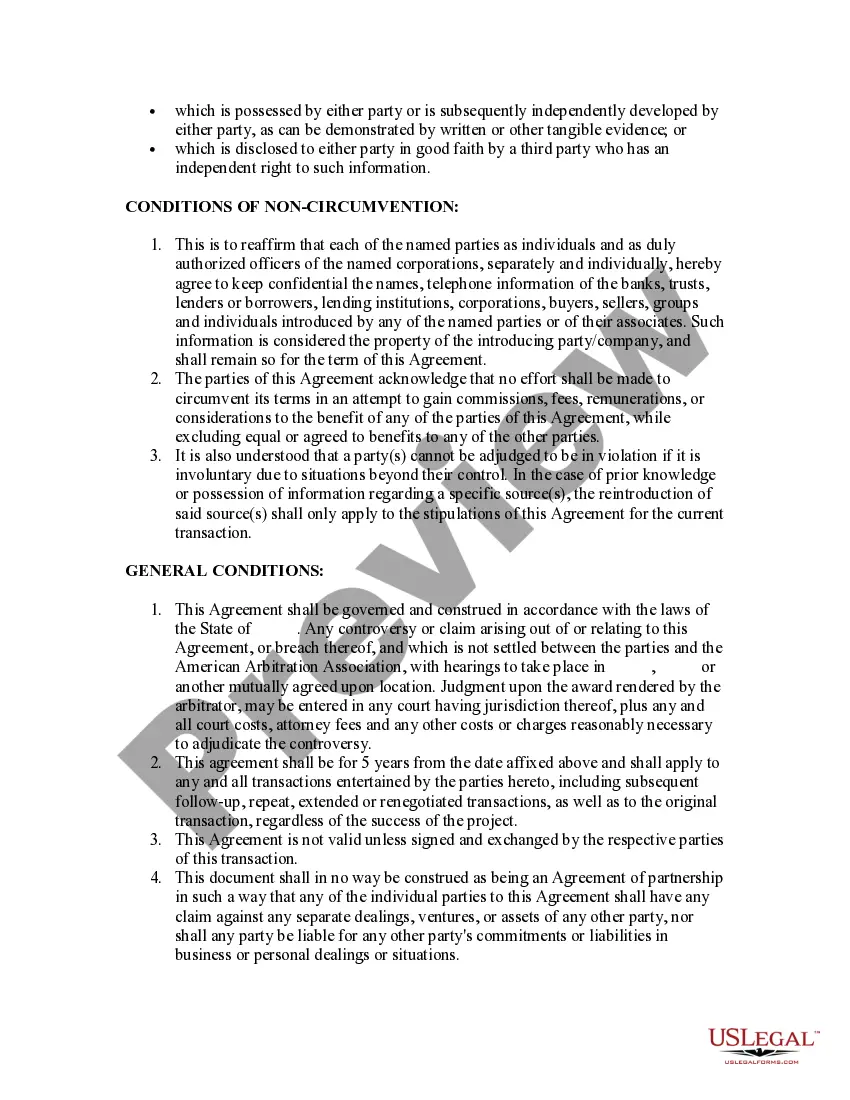
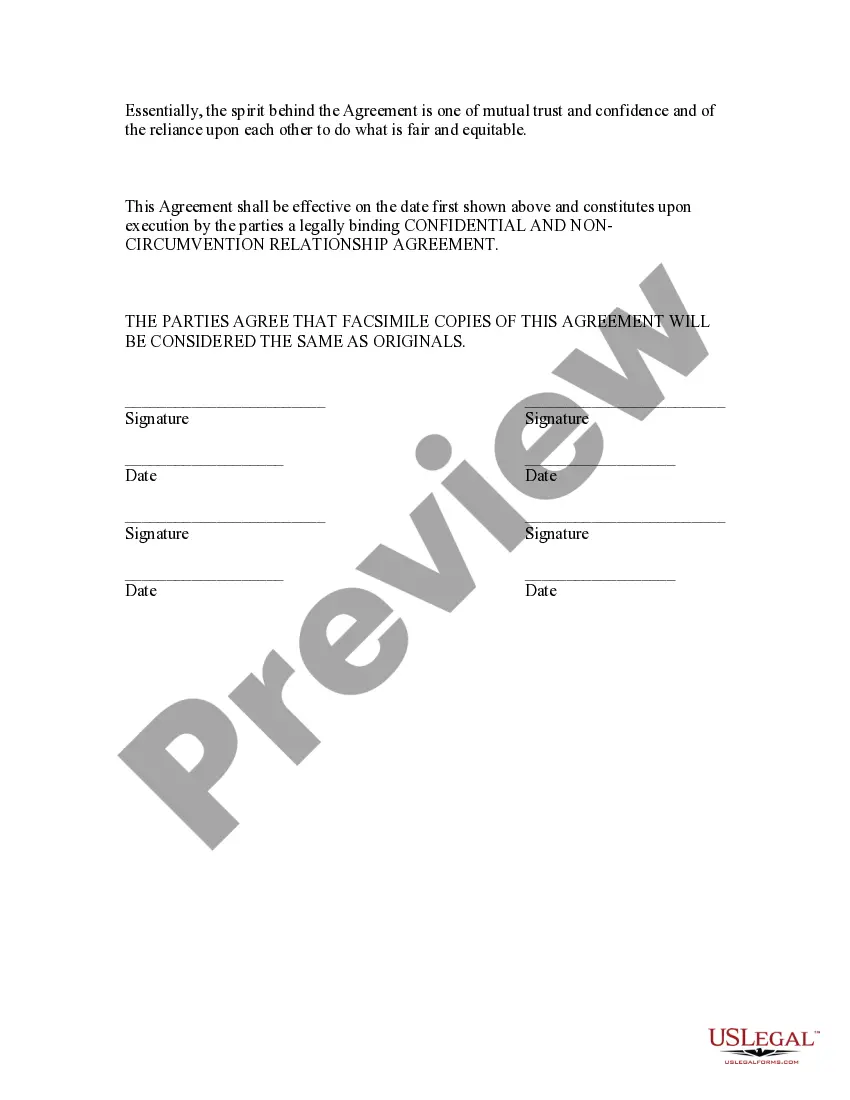
Get your form ready online
Our built-in tools help you complete, sign, share, and store your documents in one place.
Make edits, fill in missing information, and update formatting in US Legal Forms—just like you would in MS Word.
Download a copy, print it, send it by email, or mail it via USPS—whatever works best for your next step.
Sign and collect signatures with our SignNow integration. Send to multiple recipients, set reminders, and more. Go Premium to unlock E-Sign.
If this form requires notarization, complete it online through a secure video call—no need to meet a notary in person or wait for an appointment.
We protect your documents and personal data by following strict security and privacy standards.

Make edits, fill in missing information, and update formatting in US Legal Forms—just like you would in MS Word.

Download a copy, print it, send it by email, or mail it via USPS—whatever works best for your next step.

Sign and collect signatures with our SignNow integration. Send to multiple recipients, set reminders, and more. Go Premium to unlock E-Sign.

If this form requires notarization, complete it online through a secure video call—no need to meet a notary in person or wait for an appointment.

We protect your documents and personal data by following strict security and privacy standards.
Looking for another form?










Form popularity
FAQ
A Virginia Standard Clause limiting an employee's solicitation of employees and customers during the term of the employee's employment and for a specified period after the employment relationship ends. It is intended for use by private employers.
20 CFR § 603.5 - What are the exceptions to the confidentiality requirement? (a) Public domain information. (b) UC appeals records. (c) Individual or employer. (d) Informed consent. (1) Agent—to one who acts for or in the place of an individual or an employer by the authority of that individual or employer if—
Under § 40.1-28.01 of the Virginia Code, employers are prohibited from requiring employees or prospective employees to sign a non-disparagement agreement that has the effect or purpose of concealing the details of a claim related to sexual assault or harassment.
Limitations on Non-Disparagement Clauses Under § 40.1-28.01 of the Virginia Code, employers are prohibited from requiring employees or prospective employees to sign a non-disparagement agreement that has the effect or purpose of concealing the details of a claim related to sexual assault or harassment.
As long as the confidential data in question provides a genuine competitive advantage and the agreement's terms are deemed reasonable, Virginia courts have shown a willingness to uphold NDAs and enforce their provisions.
As to whether the non-disparagement clause is lawful, that depends on whether certain exceptions are provided for. There should be exceptions that allow a party to provide truthful testimony in legal proceedings, communicate truthfully with any government agency, or enforce the agreement the parties signed.
Generally, NDAs will be enforced by a court, but some statutes and public policy may prevent the enforcement of an NDA. For example, many NDAs will be voided or partially so regarding criminal acts. Often NDAs may be unenforceable unless certain procedural requirements are met.
As long as the confidential data in question provides a genuine competitive advantage and the agreement's terms are deemed reasonable, Virginia courts have shown a willingness to uphold NDAs and enforce their provisions.
Non-disclosure agreements (NDAs) are agreements in contract law where parties agree that certain information will remain confidential. As such, an NDA binds a person who has signed it and prevents them from discussing any information included in the contract with anyone not authorized by the NDA.
Before signing an NDA, look out for seven crucial red flags that could limit your freedom or expose you to risks, including broad definitions of confidential information, indefinite duration, lack of mutuality, restrictive non-compete clauses, absence of provisions for legal disclosures, unclear remedies for breach, ...
