With Non-disclosure In Ohio
Description

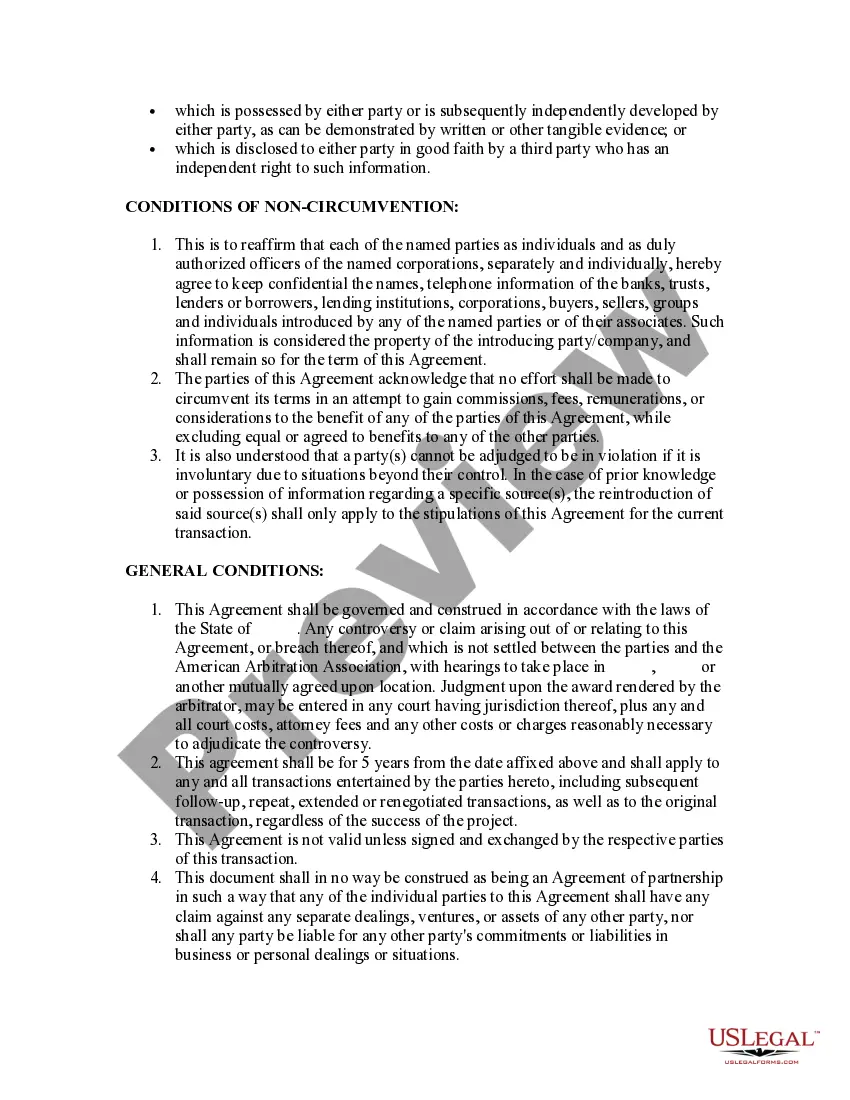
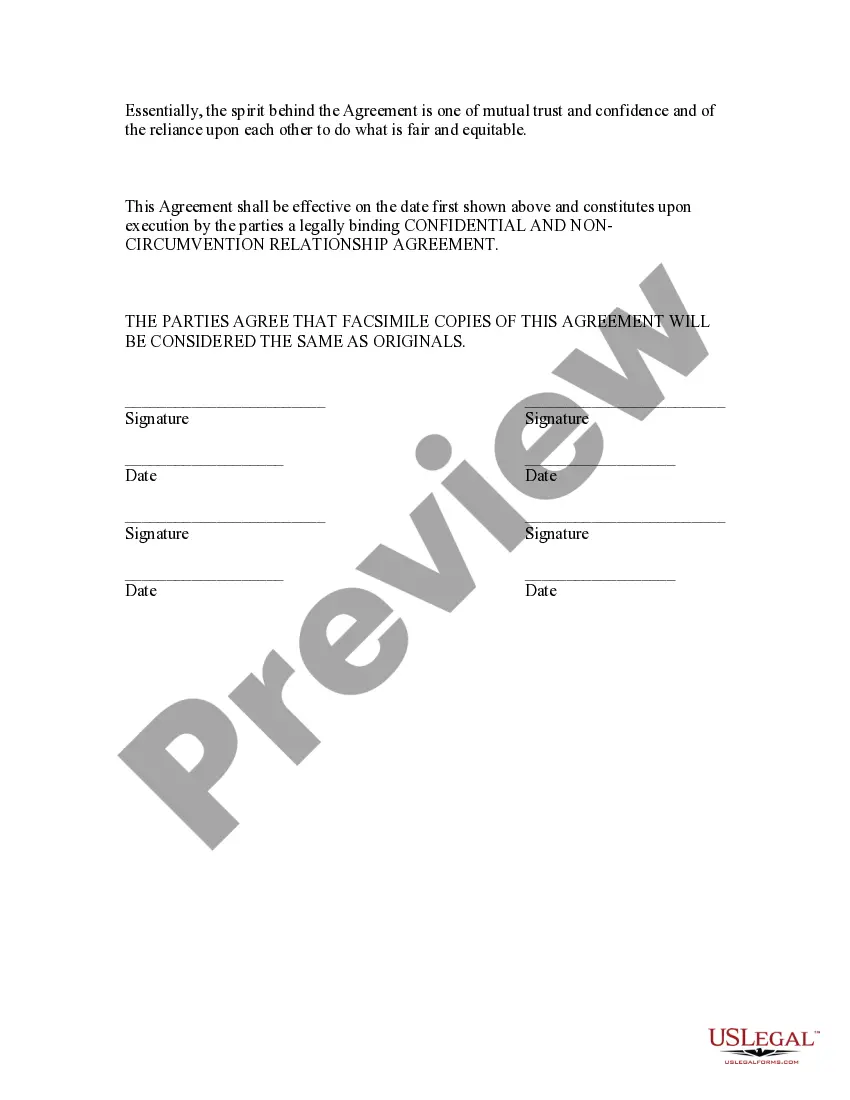
Get your form ready online
Our built-in tools help you complete, sign, share, and store your documents in one place.
Make edits, fill in missing information, and update formatting in US Legal Forms—just like you would in MS Word.
Download a copy, print it, send it by email, or mail it via USPS—whatever works best for your next step.
Sign and collect signatures with our SignNow integration. Send to multiple recipients, set reminders, and more. Go Premium to unlock E-Sign.
If this form requires notarization, complete it online through a secure video call—no need to meet a notary in person or wait for an appointment.
We protect your documents and personal data by following strict security and privacy standards.

Make edits, fill in missing information, and update formatting in US Legal Forms—just like you would in MS Word.

Download a copy, print it, send it by email, or mail it via USPS—whatever works best for your next step.

Sign and collect signatures with our SignNow integration. Send to multiple recipients, set reminders, and more. Go Premium to unlock E-Sign.

If this form requires notarization, complete it online through a secure video call—no need to meet a notary in person or wait for an appointment.

We protect your documents and personal data by following strict security and privacy standards.
Looking for another form?






Form popularity
FAQ
To create a Non-Disclosure Agreement, include the following information: The parties' names and contact information. The length of the non-disclosure period. The scope and definition of the confidential information. The obligations of the Non-Disclosure Agreement. The ownership and return information.
In Ohio, employee NDAs are generally legal—but there are certain limits employers should be aware of, and several best practices that will help make the agreement more likely to be upheld if challenged in court.
An NDA could be unenforceable if it is too broad, is not for a defined time period, covers information that is not confidential, or asks for illegal conduct.
You do not need a lawyer to create and sign a non-disclosure agreement. However, if the information you are trying to protect is important enough to warrant an NDA, you may want to have the document reviewed by someone with legal expertise.
NDAs can be upheld in court if they are well-crafted and meet specific legal requirements. However, several factors can influence their enforceability, and understanding these nuances is crucial for both businesses and individuals.
The following states are currently non-disclosure states: Alabama, Alaska, Idaho, Indiana, Kansas, Kentucky, Louisiana, Mississippi, Missouri, Montana, New Mexico, North Dakota, Ohio, Oklahoma, South Dakota, Texas, Utah, and Wyoming.
NDAs are enforceable when they are signed — if they are properly drafted and executed. NDAs are enforceable once signed, provided they have been drafted and executed properly. Unilateral NDAs need only the signature of the receiving party, whereas mutual non-disclosure agreements need the signatures of both parties.
Enforcement challenges: Enforcing an NDA can be challenging, particularly if the information has already been disclosed or if the scope of the NDA is too broad. Even if a breach of the NDA is identified, it can be difficult to prove damages or to obtain an injunction.
NDAs, or non-disclosure agreements, are legally enforceable contracts that create a confidential relationship between a person who has sensitive information and a person who will gain access to that information. A confidential relationship means one or both parties has a duty not to share that information.
In Ohio, employee NDAs are generally legal—but there are certain limits employers should be aware of, and several best practices that will help make the agreement more likely to be upheld if challenged in court.
