Non Disclosure For Employees In Franklin
Description

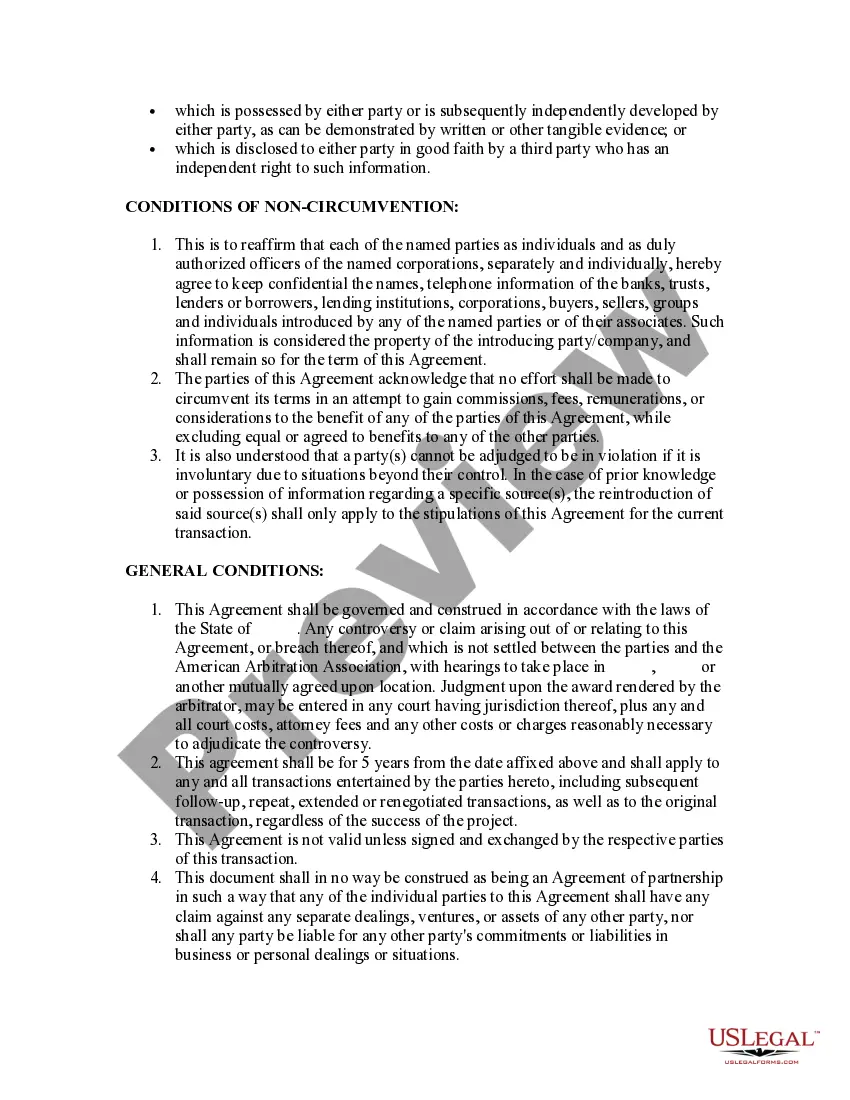
Get your form ready online
Our built-in tools help you complete, sign, share, and store your documents in one place.
Make edits, fill in missing information, and update formatting in US Legal Forms—just like you would in MS Word.
Download a copy, print it, send it by email, or mail it via USPS—whatever works best for your next step.
Sign and collect signatures with our SignNow integration. Send to multiple recipients, set reminders, and more. Go Premium to unlock E-Sign.
If this form requires notarization, complete it online through a secure video call—no need to meet a notary in person or wait for an appointment.
We protect your documents and personal data by following strict security and privacy standards.

Make edits, fill in missing information, and update formatting in US Legal Forms—just like you would in MS Word.

Download a copy, print it, send it by email, or mail it via USPS—whatever works best for your next step.

Sign and collect signatures with our SignNow integration. Send to multiple recipients, set reminders, and more. Go Premium to unlock E-Sign.

If this form requires notarization, complete it online through a secure video call—no need to meet a notary in person or wait for an appointment.

We protect your documents and personal data by following strict security and privacy standards.
Looking for another form?






Form popularity
FAQ
Non-disclosure agreements help employers by protecting valuable, sensitive business information. Workers may need access to such information to do their jobs, and NDAs make it clear that they can use such information for work purposes but cannot share it outside the organization.
Regardless of whether you're being asked to sign an NDA or asking someone else to, a nondisclosure agreement means your secrets will stay underground, and if information leaks, there can be serious legal repercussions.
NDA just means you can't disclose company secrets to another company. Non-compete means you can't go work for a competitor or do same type of work for another business. If youoly had an NDA, you can go work for a competitor, but you can't share inside information you gained at the other company or trade secrets.
Employee agrees that he/she will never use any Confidential Information for his/her own benefit or for the benefit of any person or entity other than the Company, and will not permit or allow any Confidential Information to be used in competition with the Company.
NDAs, or non-disclosure agreements, are legally enforceable contracts that create a confidential relationship between a person who has sensitive information and a person who will gain access to that information. A confidential relationship means one or both parties has a duty not to share that information.
Employment NDA agreement violations. It's illegal to reveal trade secrets or sensitive company information to a competitor. It can carry legal consequences, including fines and even jail time — even if you didn't sign an NDA.
An NDA requires the recipient to take reasonable measures to keep the information confidential and prohibits each recipient from disclosing it to any unauthorized party. This way, your information is only used by those who you want to use it, and then only for the purposes you want it used for.
I hereby undertake to treat as confidential all and any information that I receive while participating in the work of the Evaluator Panel and evaluating project proposals, to use this information solely for the purpose of evaluation of the proposals, not to disclose it to any third party and not to make it ...
Employee namehereby agrees that he/she shall hold in confidence and hereby agrees that he/she shall not use, commercialize or disclose except under terms of employment of Company Name,any confidential information or intellectual property to any person or entity, or else under provision governed by this ...
You don't need a lawyer to create the agreement, but you may need someone with legal expertise to review it. We recommend consulting with a legal expert to ensure your agreement fully protects your organisation's interests when the document is first created.