Business Equity Agreement Forward In Tarrant
Description






Get your form ready online
Our built-in tools help you complete, sign, share, and store your documents in one place.
Make edits, fill in missing information, and update formatting in US Legal Forms—just like you would in MS Word.
Download a copy, print it, send it by email, or mail it via USPS—whatever works best for your next step.
Sign and collect signatures with our SignNow integration. Send to multiple recipients, set reminders, and more. Go Premium to unlock E-Sign.
If this form requires notarization, complete it online through a secure video call—no need to meet a notary in person or wait for an appointment.
We protect your documents and personal data by following strict security and privacy standards.

Make edits, fill in missing information, and update formatting in US Legal Forms—just like you would in MS Word.

Download a copy, print it, send it by email, or mail it via USPS—whatever works best for your next step.

Sign and collect signatures with our SignNow integration. Send to multiple recipients, set reminders, and more. Go Premium to unlock E-Sign.

If this form requires notarization, complete it online through a secure video call—no need to meet a notary in person or wait for an appointment.

We protect your documents and personal data by following strict security and privacy standards.
Looking for another form?

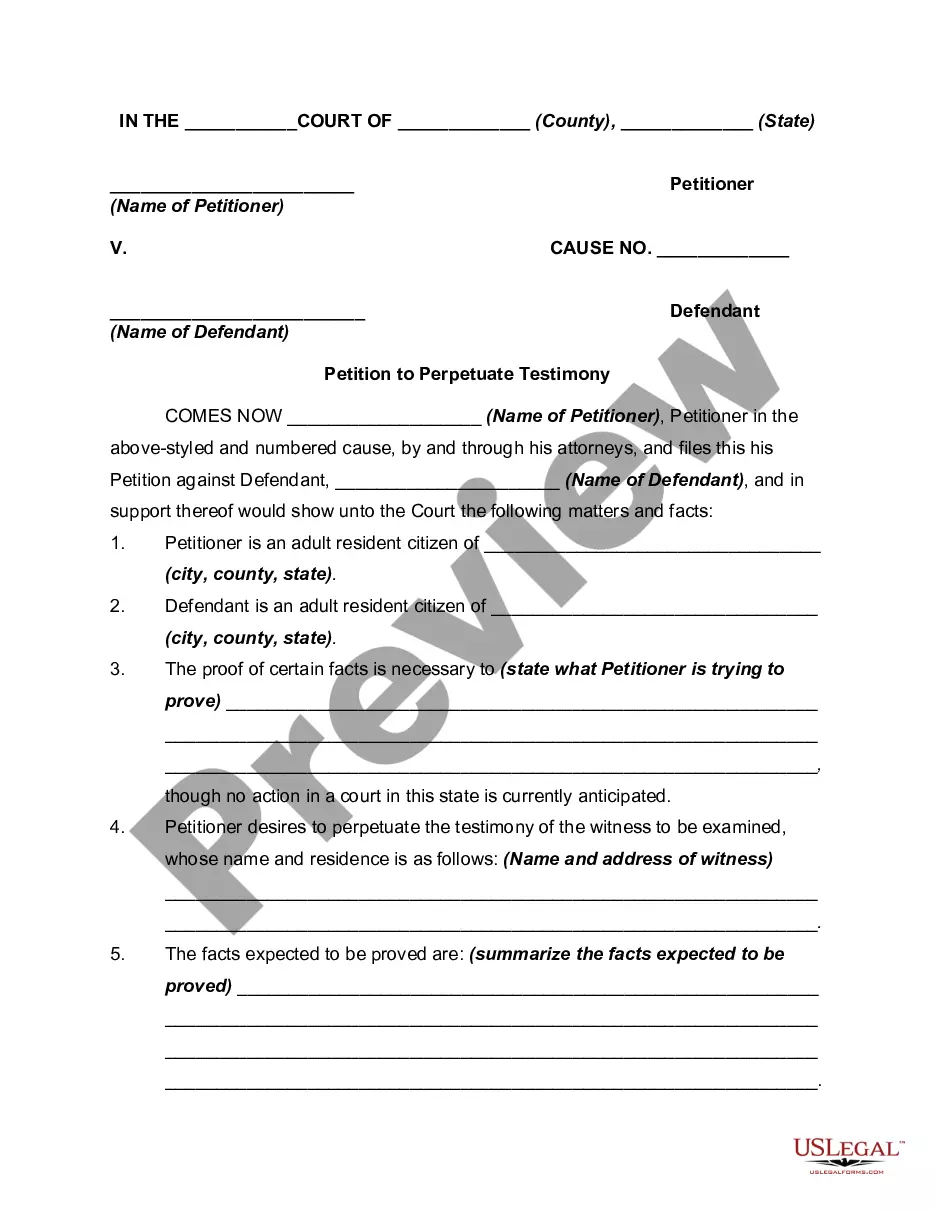



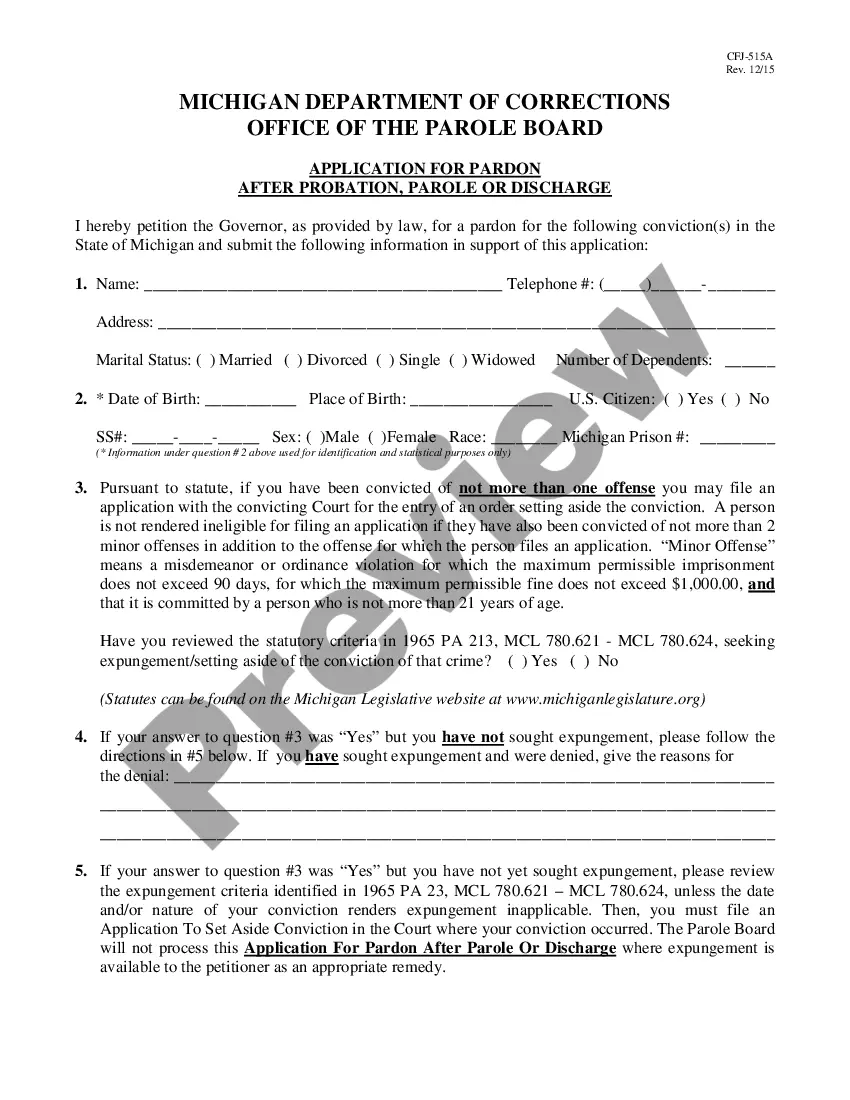

Form popularity
FAQ
A general business license is not required in Texas.
While a general business license is not required in Texas, sole proprietorships and partnerships operating in Fort Worth need to register and file their business name – also known as a DBA ("doing business as") or assumed name – with Tarrant County.
You might also be wondering, “How long can you operate a business without a license?” Judging by real-world examples, you could be shut down in as little as 60 days.
While a general business license is not required in Texas, sole proprietorships and partnerships operating in Fort Worth need to register and file their business name – also known as a DBA ("doing business as") or assumed name – with Tarrant County.
Businesses selling tangible personal property or taxable services will need to obtain a sales and use tax permit from the Texas Comptroller of Public Accounts. Businesses may also have to register with the Secretary of State and file an annual franchise tax report.
Equity agreements commonly contain the following components: Equity program. This section outlines the details of the investment plan, including its purpose, conditions, and objectives. It also serves as a statement of intention to create a legal relationship between both parties.
A business can ``give'' equity any time its articles of incorporation or anti-dilution agreements allow. The IRS requires the business to report the fair market value of the gift of equity if it goes to non-employees . If equity goes to employees it is considered compensation and is reported on their w2.
Let's say a company is looking to raise $50,000 in exchange for a 20% stake in its business. Investing $50,000 in that company could entitle you to 20% of that business's profits going forward.
There are four common methods of granting equity or equity incentives in an LLC: (1) outright membership interest or membership unit grants, (2) LLC incentive units (aka “profit interests”), (3) a phantom or parallel unit plan (aka. synthetic equity), and (4) options to acquire LLC capital interests.
