Special Meeting Sample With Action Items In Philadelphia
Description



Get your form ready online
Our built-in tools help you complete, sign, share, and store your documents in one place.
Make edits, fill in missing information, and update formatting in US Legal Forms—just like you would in MS Word.
Download a copy, print it, send it by email, or mail it via USPS—whatever works best for your next step.
Sign and collect signatures with our SignNow integration. Send to multiple recipients, set reminders, and more. Go Premium to unlock E-Sign.
If this form requires notarization, complete it online through a secure video call—no need to meet a notary in person or wait for an appointment.
We protect your documents and personal data by following strict security and privacy standards.

Make edits, fill in missing information, and update formatting in US Legal Forms—just like you would in MS Word.

Download a copy, print it, send it by email, or mail it via USPS—whatever works best for your next step.

Sign and collect signatures with our SignNow integration. Send to multiple recipients, set reminders, and more. Go Premium to unlock E-Sign.

If this form requires notarization, complete it online through a secure video call—no need to meet a notary in person or wait for an appointment.

We protect your documents and personal data by following strict security and privacy standards.
Looking for another form?





Form popularity
FAQ
The Pennsylvania Sunshine Act, 65 Pa. C.S. §§ 701-716, requires agencies to deliberate and take official action on agency business in an open and public meeting.
The Sunshine Law generally requires all meetings of public bodies to be open. However, a public body may exclude the public from portions of a meeting, commonly referred to as “executive” or “closed” sessions.
What to do if an Agency Violates the PA Sunshine Act. You can object during the meeting if you think there is a violation. You can also file a complaint with the Commonwealth Court for state agencies.
Section 703, 65 Pa. C.S.A. Section 707 identifies the three (3) exceptions to the requirement of open meetings, which are: executive session, conference and certain working sessions. Executive sessions tend to be the most common exception to open meetings.
The Commonwealth Court shall have original jurisdiction of actions involving State agencies and the courts of common pleas shall have original jurisdiction of actions involving other agencies to render declaratory judgments or to enforce this chapter by injunction or other remedy deemed appropriate by the court.
Section 703, 65 Pa. C.S.A. Section 707 identifies the three (3) exceptions to the requirement of open meetings, which are: executive session, conference and certain working sessions. Executive sessions tend to be the most common exception to open meetings.
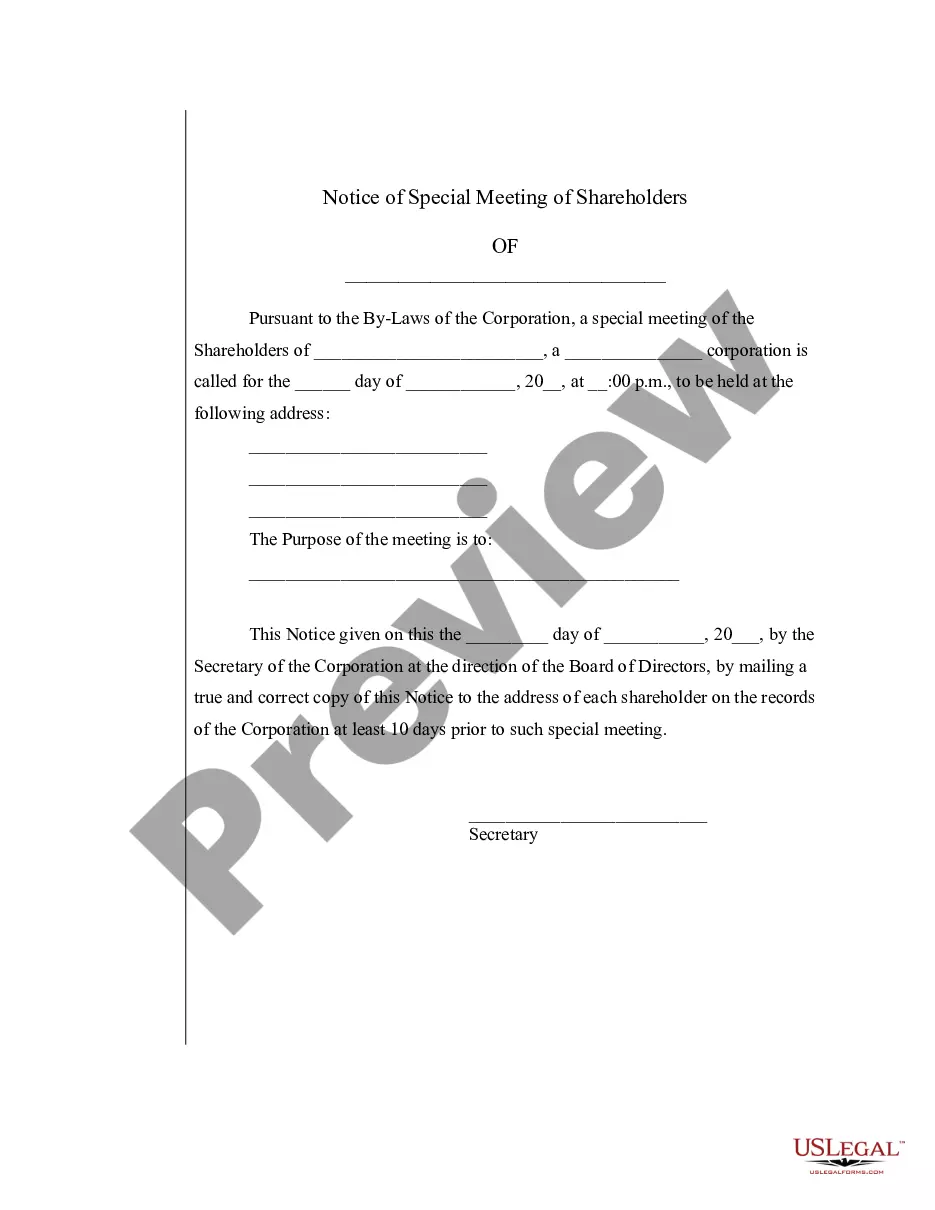
Occasionally, special meetings need to be called because of an urgent or special matter. ing to Robert's Rules of Order, special meetings always require previous notice. Here are a few valid reasons for calling a special meeting: An urgent matter needs to be dealt with before the next regular meeting.
For example, a company may call a special meeting to discuss a major decision, such as a merger or acquisition. A school board may call a special meeting to address a specific issue, such as a budget shortfall.
Meeting action items are discrete, detailed tasks that are assigned to individuals or a team to complete after the meeting. These tasks are discussed and agreed upon by the responsible parties during the meeting.
Special Committee Meetings – Urgent meetings of the committee are called Special Committee Meetings and are usually called to deal with a dispute or grievance or other matters of urgency. Minutes from the committee meeting are not available to the members. General Meetings - General meetings are for all members.

