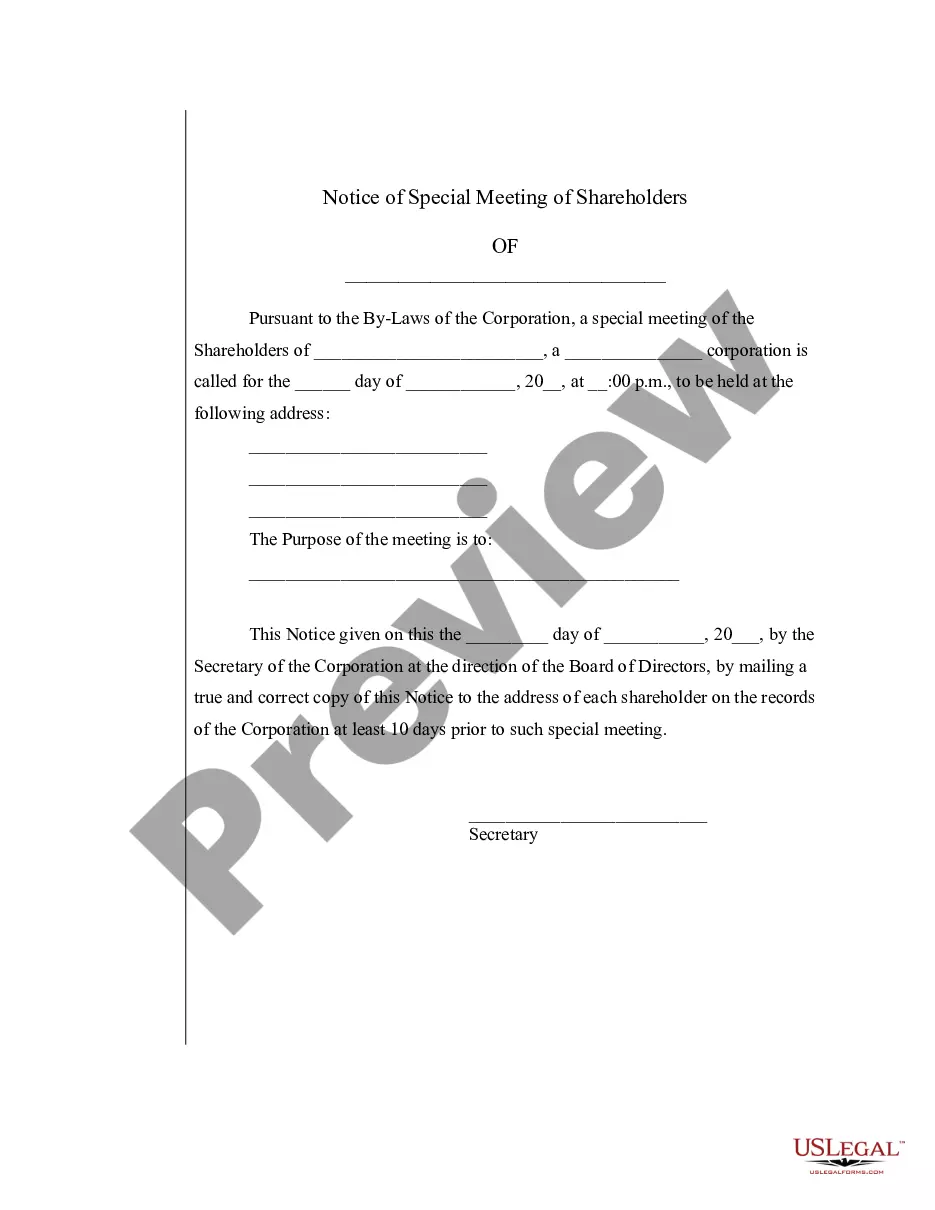
Special Meeting Sample With Client In Nevada
Description



Get your form ready online
Our built-in tools help you complete, sign, share, and store your documents in one place.
Make edits, fill in missing information, and update formatting in US Legal Forms—just like you would in MS Word.
Download a copy, print it, send it by email, or mail it via USPS—whatever works best for your next step.
Sign and collect signatures with our SignNow integration. Send to multiple recipients, set reminders, and more. Go Premium to unlock E-Sign.
If this form requires notarization, complete it online through a secure video call—no need to meet a notary in person or wait for an appointment.
We protect your documents and personal data by following strict security and privacy standards.

Make edits, fill in missing information, and update formatting in US Legal Forms—just like you would in MS Word.

Download a copy, print it, send it by email, or mail it via USPS—whatever works best for your next step.

Sign and collect signatures with our SignNow integration. Send to multiple recipients, set reminders, and more. Go Premium to unlock E-Sign.

If this form requires notarization, complete it online through a secure video call—no need to meet a notary in person or wait for an appointment.

We protect your documents and personal data by following strict security and privacy standards.
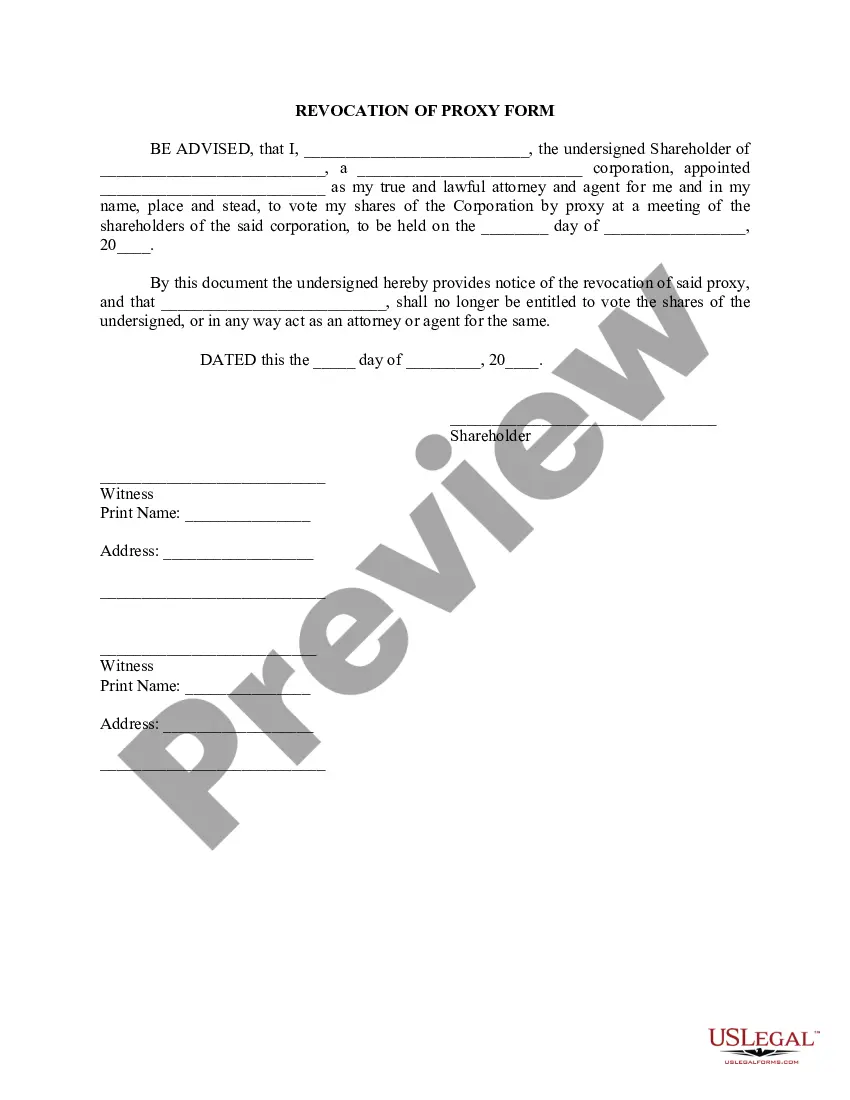
Looking for another form?








Form popularity
FAQ
Upon finding a violation of the Open Meeting Law, the Attorney General may impose a civil penalty upon a public body of not more than $1,000 for each intentional violation.
Open meeting laws, also called sunshine laws, require that, with notable exceptions, most meetings of federal and state government agencies and regulatory bodies be open to the public, along with their decisions and records.
State Open Meeting Act laws, also known as sunshine laws or open meetings laws, are regulations and laws that require government agencies, boards, commissions, and other public bodies to conduct their meetings and decision-making processes transparently and openly.
It is different from a regular meeting, which is held on a regular schedule. For example, a company may call a special meeting to discuss a major decision, such as a merger or acquisition. A school board may call a special meeting to address a specific issue, such as a budget shortfall.
Open Range Defined Open Range is defined by Nevada Statute in NRS 568.355 as used in NRS 568.360 and 568.370 as “all unenclosed land outside of cities and towns upon which cattle, sheep or other domestic animals by custom, license, lease or permit are grazed or permitted to roam” (NRS 568.360 and 568.370).
Content of Notice A proper meeting notice should include: Date, Time, and Venue: Clear details on when and where the meeting will take place. Purpose of the Meeting: A brief description of the meeting's objectives. Agenda: An outline of topics to be discussed; this helps attendees prepare for the meeting.
The notice must provide directors with the date, time, and location of the meeting. Although technically, the purpose of the meeting does not have to be provided, it is generally a good idea to include an agenda or similar information so directors know what to expect and why it is important to attend.
In addition to specifying the date, time and location of the meeting, special meeting notices should make note of all agenda items. Unless the bylaws indicate something different, board members should only be discussing the business that was stated in the notice for the special meeting.
Extraordinary meeting. a special meeting that happens between regular meetings: He presided over an extraordinary meeting of the country's leading clergy. He said he would have to call an extraordinary meeting of the Council of the European Union.

