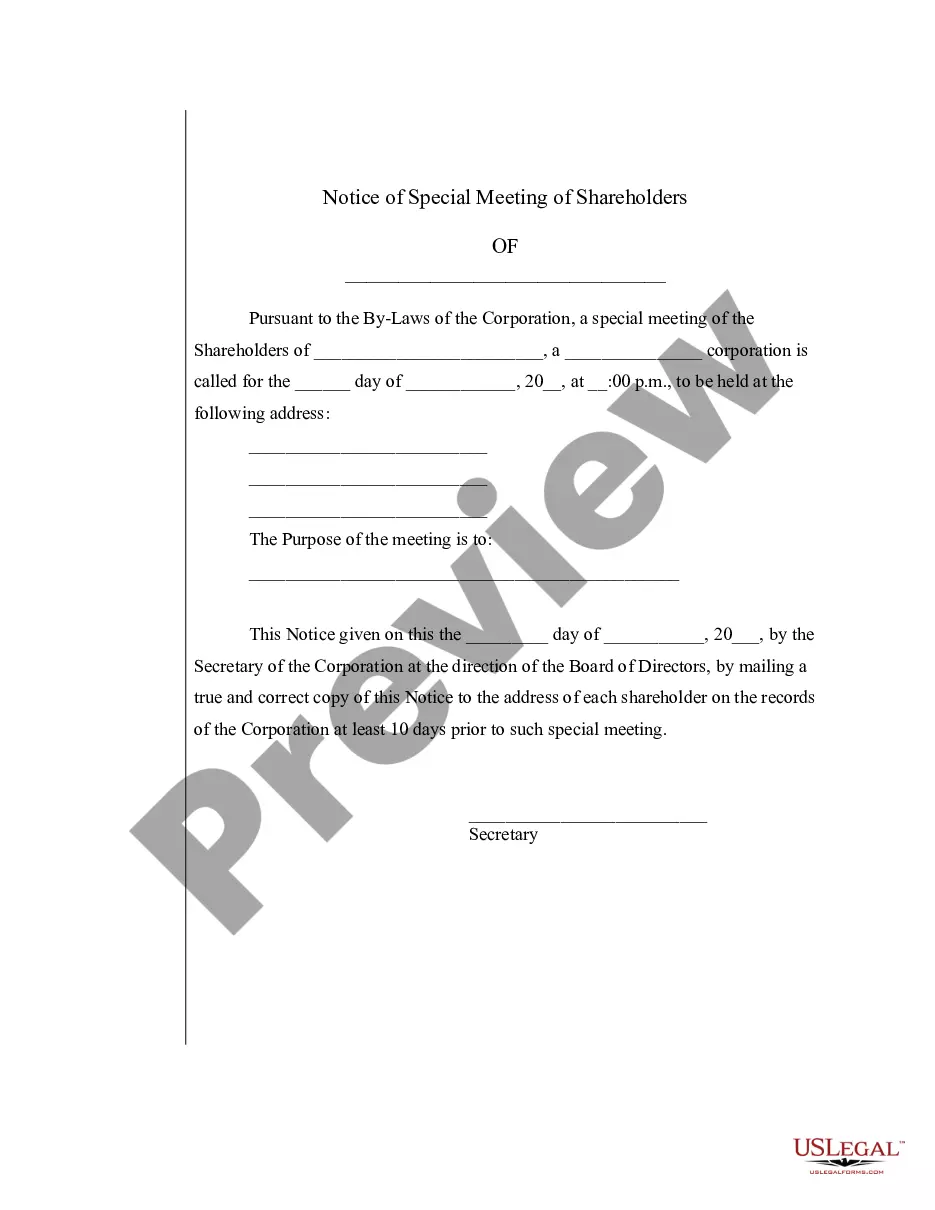
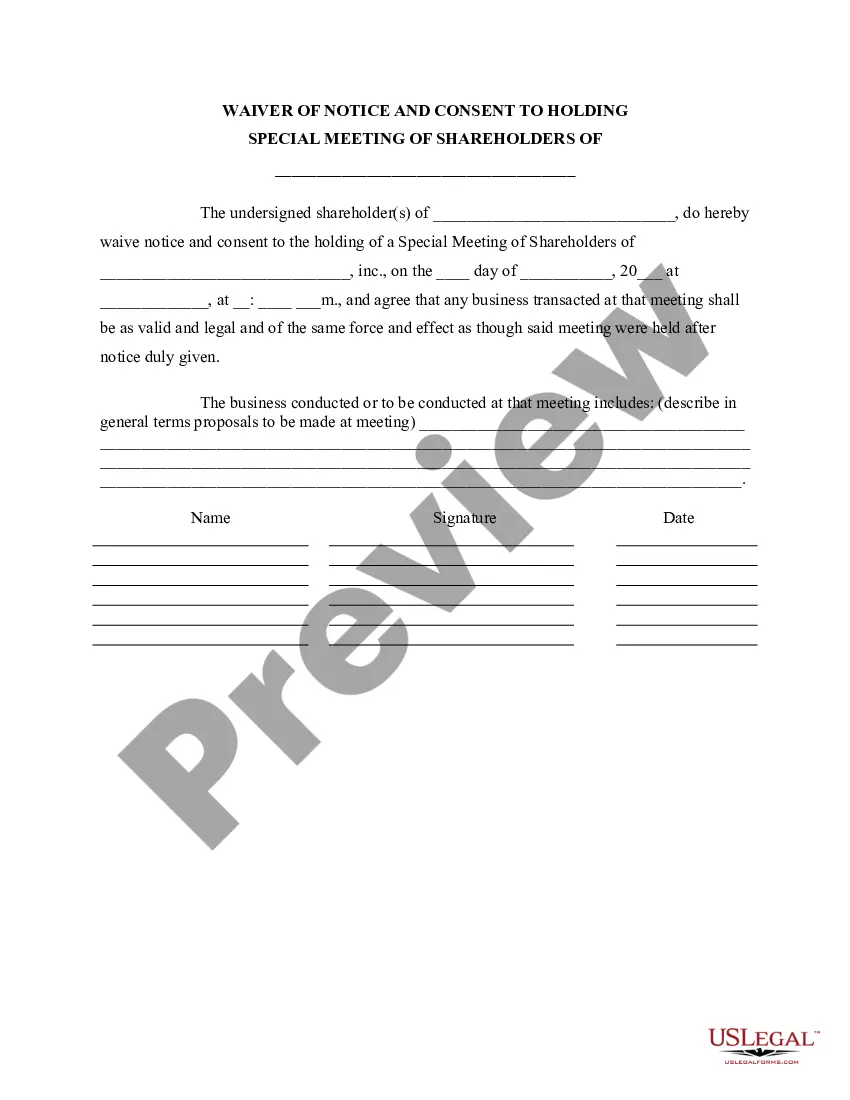
Special Meeting Sample For School In Los Angeles
Description



Get your form ready online
Our built-in tools help you complete, sign, share, and store your documents in one place.
Make edits, fill in missing information, and update formatting in US Legal Forms—just like you would in MS Word.
Download a copy, print it, send it by email, or mail it via USPS—whatever works best for your next step.
Sign and collect signatures with our SignNow integration. Send to multiple recipients, set reminders, and more. Go Premium to unlock E-Sign.
If this form requires notarization, complete it online through a secure video call—no need to meet a notary in person or wait for an appointment.
We protect your documents and personal data by following strict security and privacy standards.

Make edits, fill in missing information, and update formatting in US Legal Forms—just like you would in MS Word.

Download a copy, print it, send it by email, or mail it via USPS—whatever works best for your next step.

Sign and collect signatures with our SignNow integration. Send to multiple recipients, set reminders, and more. Go Premium to unlock E-Sign.

If this form requires notarization, complete it online through a secure video call—no need to meet a notary in person or wait for an appointment.

We protect your documents and personal data by following strict security and privacy standards.
Looking for another form?








Form popularity
FAQ
a special meeting may be called at any time by the presiding officer of the governing body of a public agency or by a majority of the members of the governing body emphasis added…
In addition to requiring the public's business to be conducted in open, noticed meetings, the Brown Act also extends to the public the right to participate in meetings. Individuals, lobbyists, and members of the news media possess the right to attend, record, broadcast, and participate in public meetings.
How to write a meeting agenda Clarify meeting objectives. The first step in writing a meeting agenda is to clearly define any goals. Invite participant input. Outline key questions for discussion. Define each task's purpose. Allocate time for agenda items. Assign topic facilitators. Write the meeting agenda.
Special meetings may be called by posting an agenda at least 24 hours before the meeting. Agendas must contain a brief description of every item to be discussed, including closed session items. Descriptions must be clear enough to be understood by members of the public.
Occasionally, special meetings need to be called because of an urgent or special matter. ing to Robert's Rules of Order, special meetings always require previous notice. Here are a few valid reasons for calling a special meeting: An urgent matter needs to be dealt with before the next regular meeting.
The notice must provide directors with the date, time, and location of the meeting. Although technically, the purpose of the meeting does not have to be provided, it is generally a good idea to include an agenda or similar information so directors know what to expect and why it is important to attend.
A proper meeting notice should include: Date, Time, and Venue: Clear details on when and where the meeting will take place. Purpose of the Meeting: A brief description of the meeting's objectives. Agenda: An outline of topics to be discussed; this helps attendees prepare for the meeting.
The notice must provide directors with the date, time, and location of the meeting. Although technically, the purpose of the meeting does not have to be provided, it is generally a good idea to include an agenda or similar information so directors know what to expect and why it is important to attend.
A meeting notice should include the following key details: Name and contact information of the meeting chair. Name and role of the sender of the meeting notice. Names and roles of all the invitees. Type of meeting — regular, annual, or special. Date, time and location of the meeting (the notice should also be dated)
Content of Notice A proper meeting notice should include: Date, Time, and Venue: Clear details on when and where the meeting will take place. Purpose of the Meeting: A brief description of the meeting's objectives. Agenda: An outline of topics to be discussed; this helps attendees prepare for the meeting.

