Special Meeting Sample For School In Georgia
Description



Get your form ready online
Our built-in tools help you complete, sign, share, and store your documents in one place.
Make edits, fill in missing information, and update formatting in US Legal Forms—just like you would in MS Word.
Download a copy, print it, send it by email, or mail it via USPS—whatever works best for your next step.
Sign and collect signatures with our SignNow integration. Send to multiple recipients, set reminders, and more. Go Premium to unlock E-Sign.
If this form requires notarization, complete it online through a secure video call—no need to meet a notary in person or wait for an appointment.
We protect your documents and personal data by following strict security and privacy standards.

Make edits, fill in missing information, and update formatting in US Legal Forms—just like you would in MS Word.

Download a copy, print it, send it by email, or mail it via USPS—whatever works best for your next step.

Sign and collect signatures with our SignNow integration. Send to multiple recipients, set reminders, and more. Go Premium to unlock E-Sign.

If this form requires notarization, complete it online through a secure video call—no need to meet a notary in person or wait for an appointment.

We protect your documents and personal data by following strict security and privacy standards.
Looking for another form?









Form popularity
FAQ
A special education teacher is a teacher who supports students with disabilities in accessing the general education curriculum by working collaboratively with a team to design individual education plans (IEPs), actively implementing the plans by providing individualized instruction, and monitoring learning progress.
The _________________ Name of Governing Body of the _________________ Name of Public Entity (hereafter referred to as "governing body") will be holding a __________ regular or special meeting on _____________ Date at ________ Time.
The CSE Chairperson introduces parents/guardians to the committee and explains the committee's function. The listing of material and data that is being used by the committee for identification/placement of the child is reviewed. The parents/guardians/students are then asked for their input for committee consideration.
The purpose of an IEP meeting is to discuss, develop, and review a student's IEP. Schools are required to hold an annual IEP meeting each year to look at a student's progress. However, parents can request an IEP meeting at any time for specific issues.
Preparing the presentation Develop a presentation outline. Create an outline or agenda for presenting the transition plan at the IEP meeting. Prepare documentation and materials. Anticipate questions and concerns. Practice and rehearse.
“I hardly know your child” or “I have only had your child for a couple of weeks and am still getting to know him.” As soon as this statement is made it conveys the impression that you should not be part of the IEP team because you do not know the child sufficiently to develop the IEP to meet the child's needs.
The purpose of an IEP meeting is for the IEP team to work collaboratively to identify the special education services and supports that will be delivered to the student, based on her unique needs. This process produces a written record, the IEP itself, which formalizes these services and supports.
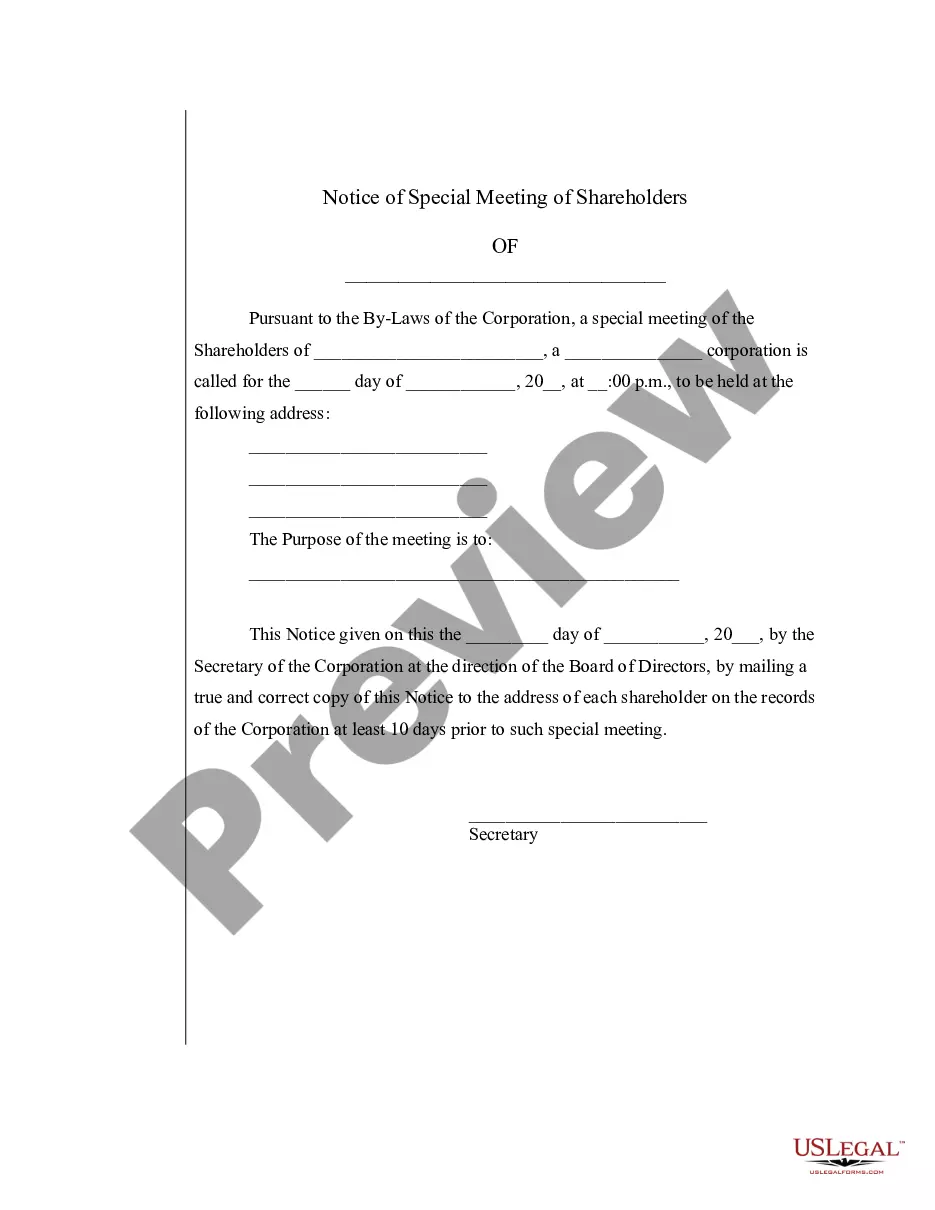
A proper meeting notice should include: Date, Time, and Venue: Clear details on when and where the meeting will take place. Purpose of the Meeting: A brief description of the meeting's objectives. Agenda: An outline of topics to be discussed; this helps attendees prepare for the meeting.
Violations of the Georgia Open Meetings Act are considered misdemeanors and are punishable by up to a $500 fine. Any person, firm, corporation, or other entity may file a suit against a public body or its members if they feel the act has been violated, as long as it is within 90 days of the meeting in question.
(1) Except as otherwise provided by law, all meetings shall be open to the public. All votes at any meeting shall be taken in public after due notice of the meeting and compliance with the posting and agenda requirements of this chapter.

