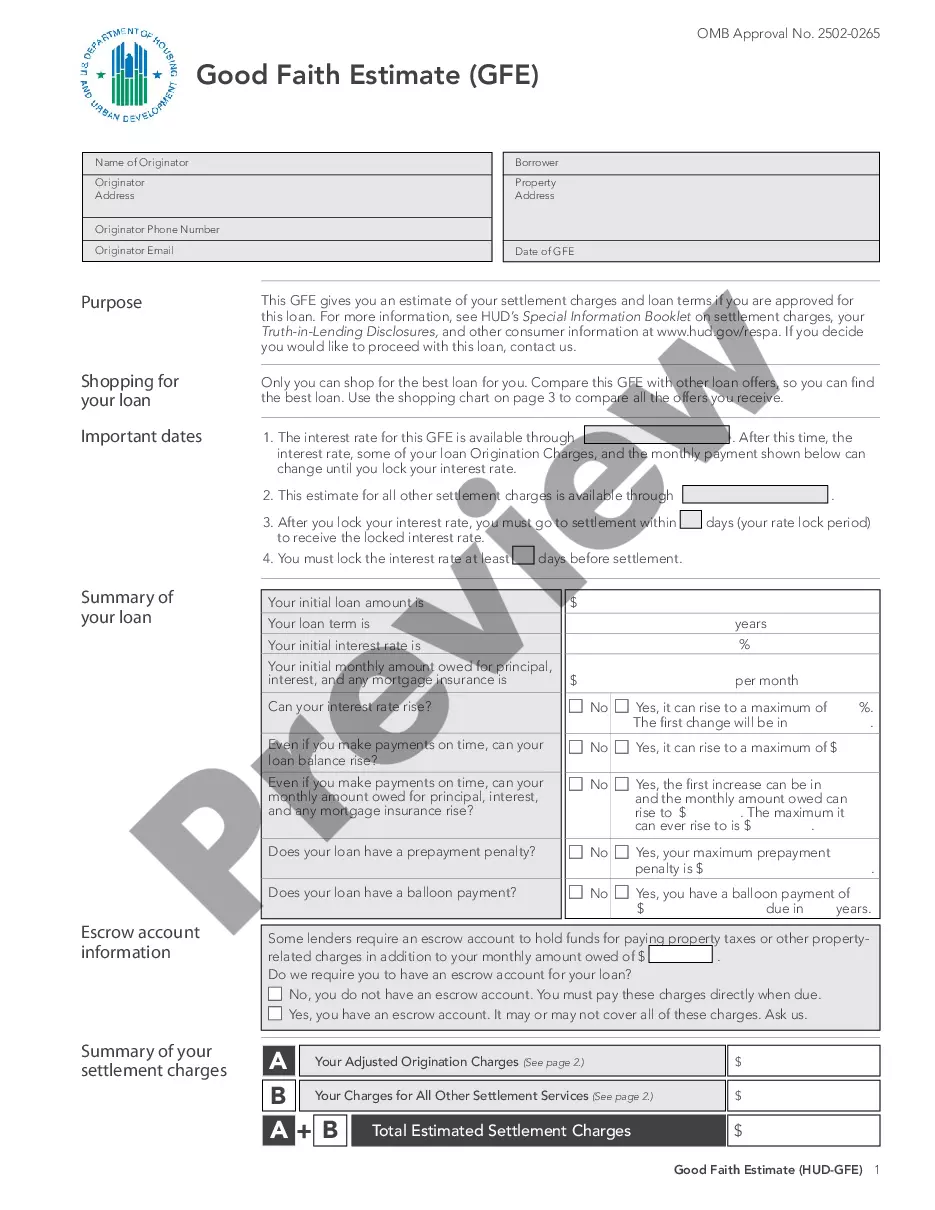
Special Meeting Sample For Staff In Collin
Description



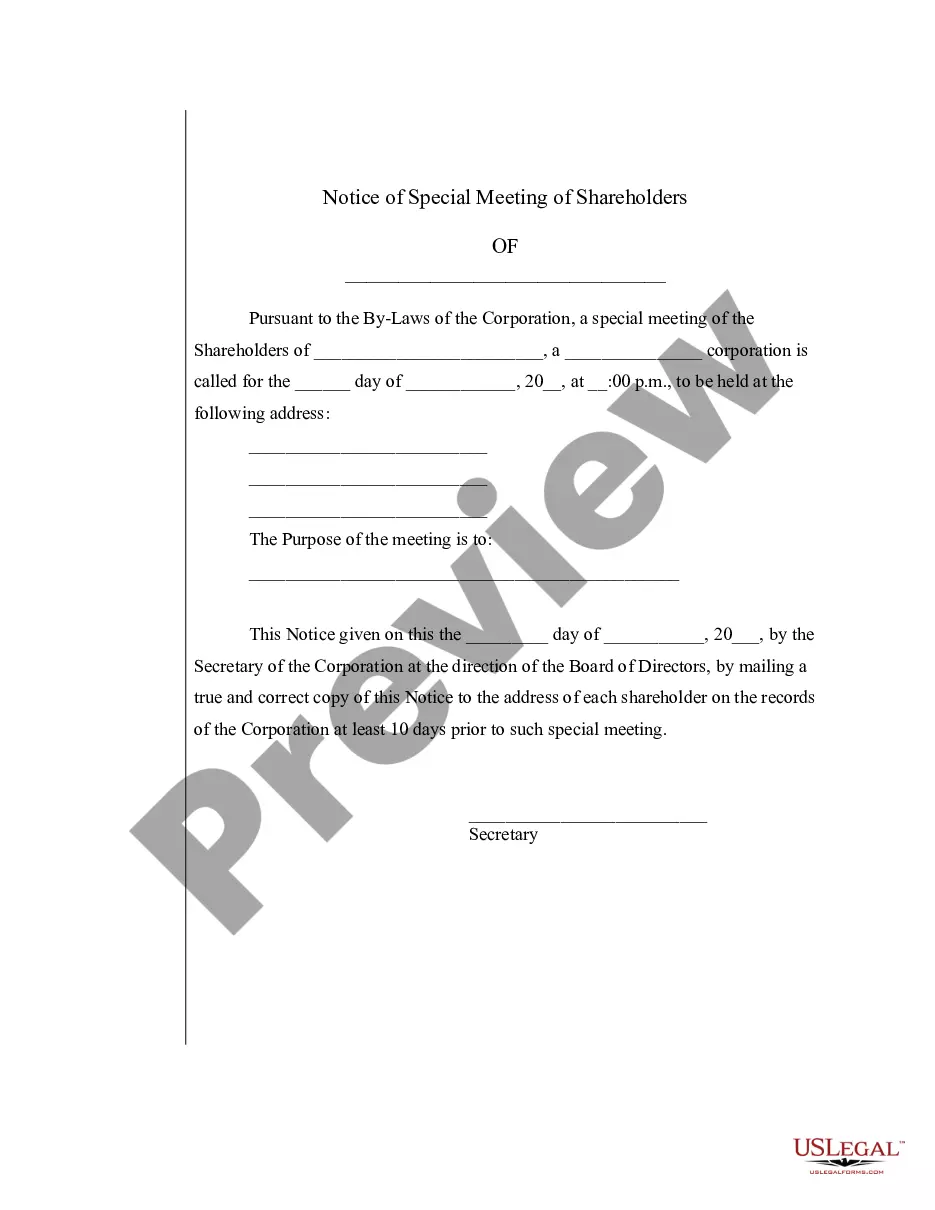
Get your form ready online
Our built-in tools help you complete, sign, share, and store your documents in one place.
Make edits, fill in missing information, and update formatting in US Legal Forms—just like you would in MS Word.
Download a copy, print it, send it by email, or mail it via USPS—whatever works best for your next step.
Sign and collect signatures with our SignNow integration. Send to multiple recipients, set reminders, and more. Go Premium to unlock E-Sign.
If this form requires notarization, complete it online through a secure video call—no need to meet a notary in person or wait for an appointment.
We protect your documents and personal data by following strict security and privacy standards.

Make edits, fill in missing information, and update formatting in US Legal Forms—just like you would in MS Word.

Download a copy, print it, send it by email, or mail it via USPS—whatever works best for your next step.

Sign and collect signatures with our SignNow integration. Send to multiple recipients, set reminders, and more. Go Premium to unlock E-Sign.

If this form requires notarization, complete it online through a secure video call—no need to meet a notary in person or wait for an appointment.

We protect your documents and personal data by following strict security and privacy standards.
Looking for another form?







Form popularity
FAQ
Basic rules of meeting request emails Invite as few people as possible. Check calendars to see potential times. Be clear about why the meeting is needed. Send a meeting agenda in advance. Provide a call to action (CTA) ... State the time and place clearly.
When crafting a meeting invite, make sure you do the following. Create a specific subject line. Begin by showing your intention. Include crucial meeting details in the body of the email. End the email politely. Ask for a one-on-one meeting with the manager. Meeting invitation to employees.
State the purpose of the meeting clearly in the subject line and opening paragraph. Be specific about who needs to attend. Provide the date, time, and location (or virtual meeting details) upfront. Outline any preparation or materials the attendees should have ready.
In addition to specifying the date, time and location of the meeting, special meeting notices should make note of all agenda items. Unless the bylaws indicate something different, board members should only be discussing the business that was stated in the notice for the special meeting.
Any meeting that is not a regular meeting of the governing body (i.e., that falls outside the time established for regular meetings and is not an adjournment or continuation of a regular meeting) is considered a “special meeting.” See RCW 42.30.
How To Write A Meeting Request Email? Start with an explanatory subject line. Use a professional salutation. Introduce yourself. State the purpose of the meeting. Suggest a possible date and time. Request for a reply. Proofread before sending. Follow up and remind.
Use Polite and Friendly Language: Politeness goes a long way. Simple phrases like “Could you let me know your availability?” or “Would you be open to meeting on one of these dates?” set a respectful tone and encourage a positive response.
Content of Notice A proper meeting notice should include: Date, Time, and Venue: Clear details on when and where the meeting will take place. Purpose of the Meeting: A brief description of the meeting's objectives. Agenda: An outline of topics to be discussed; this helps attendees prepare for the meeting.