Letter With Money In Santa Clara
Description
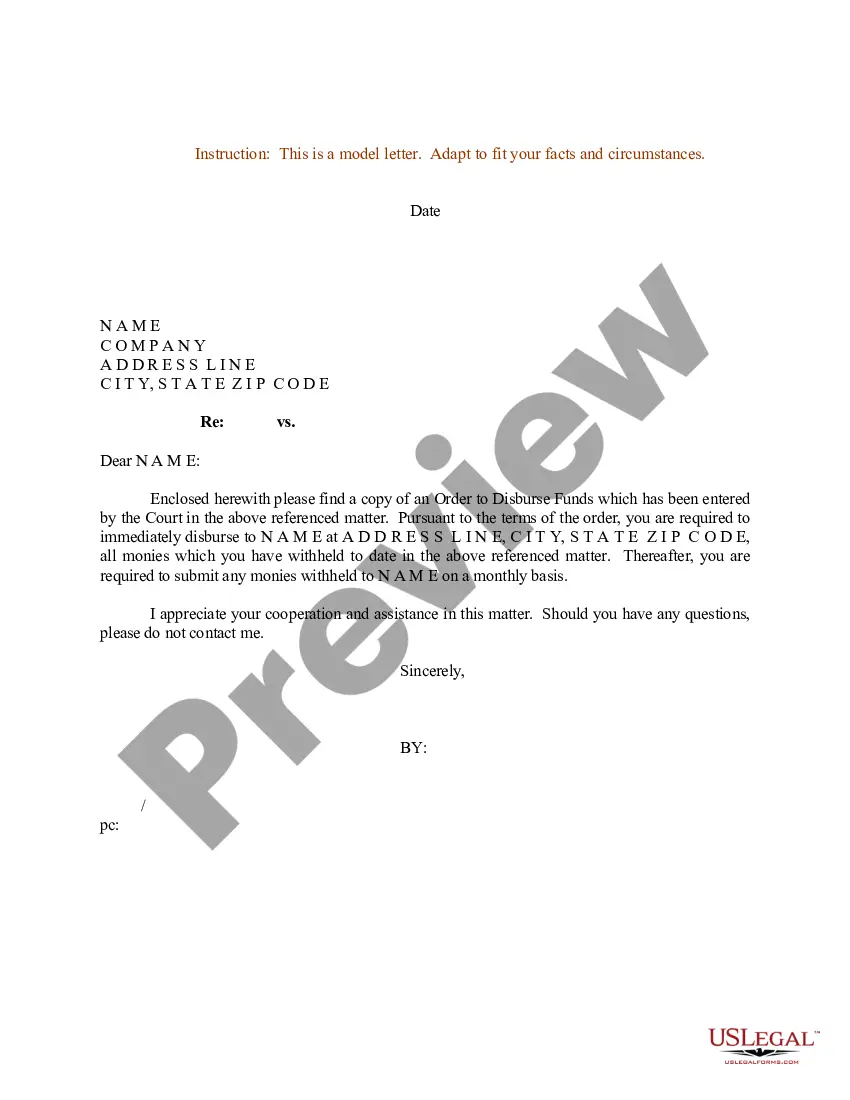
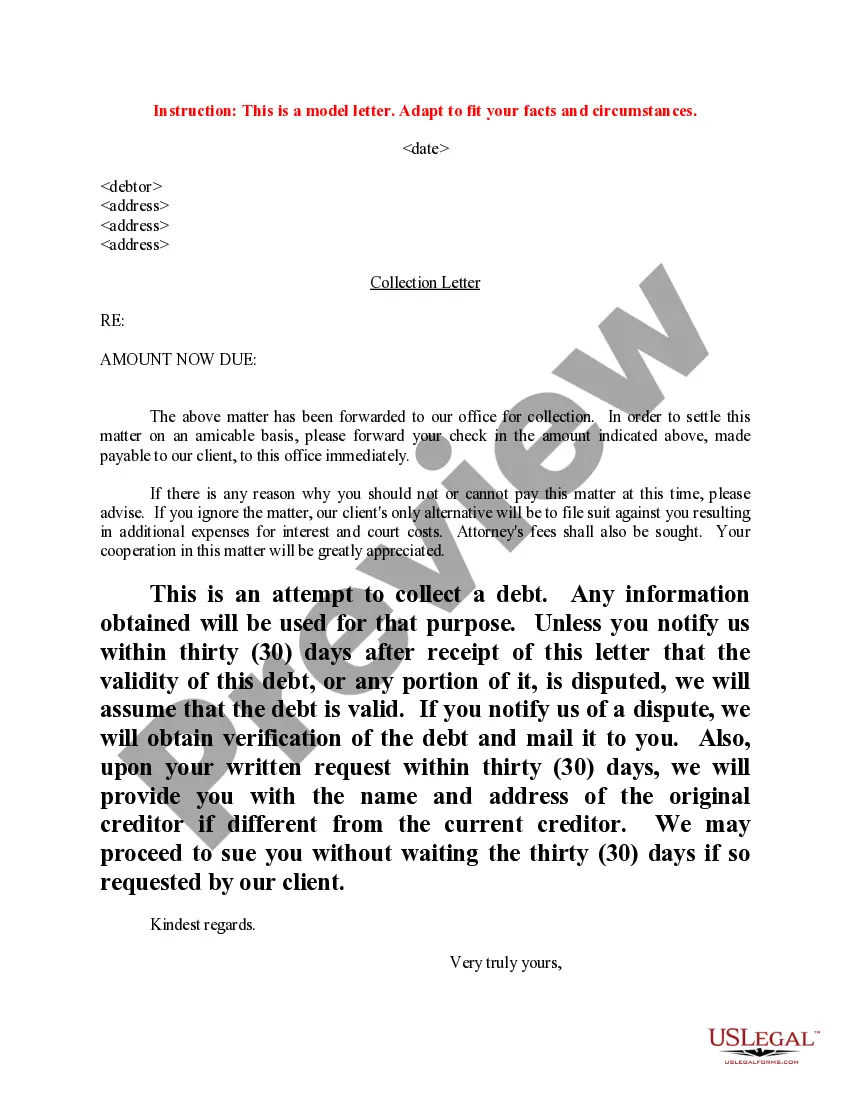
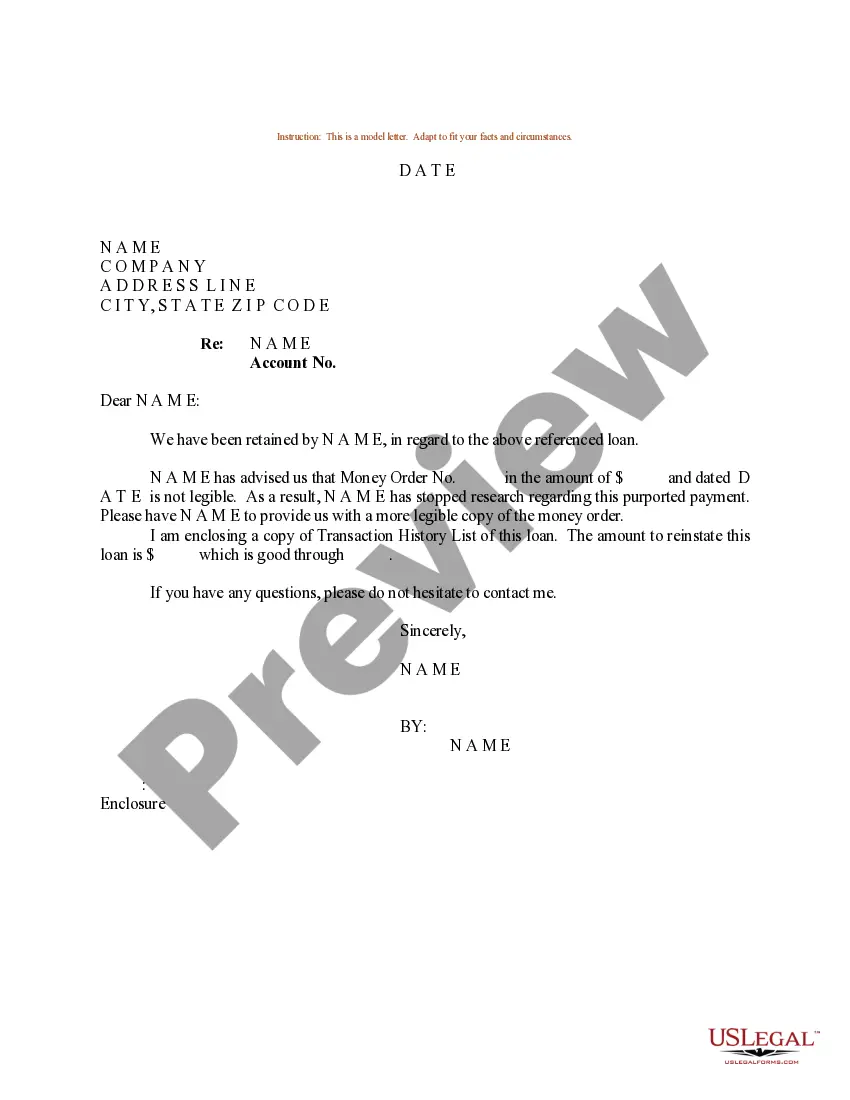
Get your form ready online
Our built-in tools help you complete, sign, share, and store your documents in one place.
Make edits, fill in missing information, and update formatting in US Legal Forms—just like you would in MS Word.
Download a copy, print it, send it by email, or mail it via USPS—whatever works best for your next step.
Sign and collect signatures with our SignNow integration. Send to multiple recipients, set reminders, and more. Go Premium to unlock E-Sign.
If this form requires notarization, complete it online through a secure video call—no need to meet a notary in person or wait for an appointment.
We protect your documents and personal data by following strict security and privacy standards.

Make edits, fill in missing information, and update formatting in US Legal Forms—just like you would in MS Word.

Download a copy, print it, send it by email, or mail it via USPS—whatever works best for your next step.

Sign and collect signatures with our SignNow integration. Send to multiple recipients, set reminders, and more. Go Premium to unlock E-Sign.

If this form requires notarization, complete it online through a secure video call—no need to meet a notary in person or wait for an appointment.

We protect your documents and personal data by following strict security and privacy standards.
Looking for another form?






Form popularity
FAQ
Contacting the Court by Mail The mailing address for all courthouses is 191 N. First Street, San Jose, CA 95113.
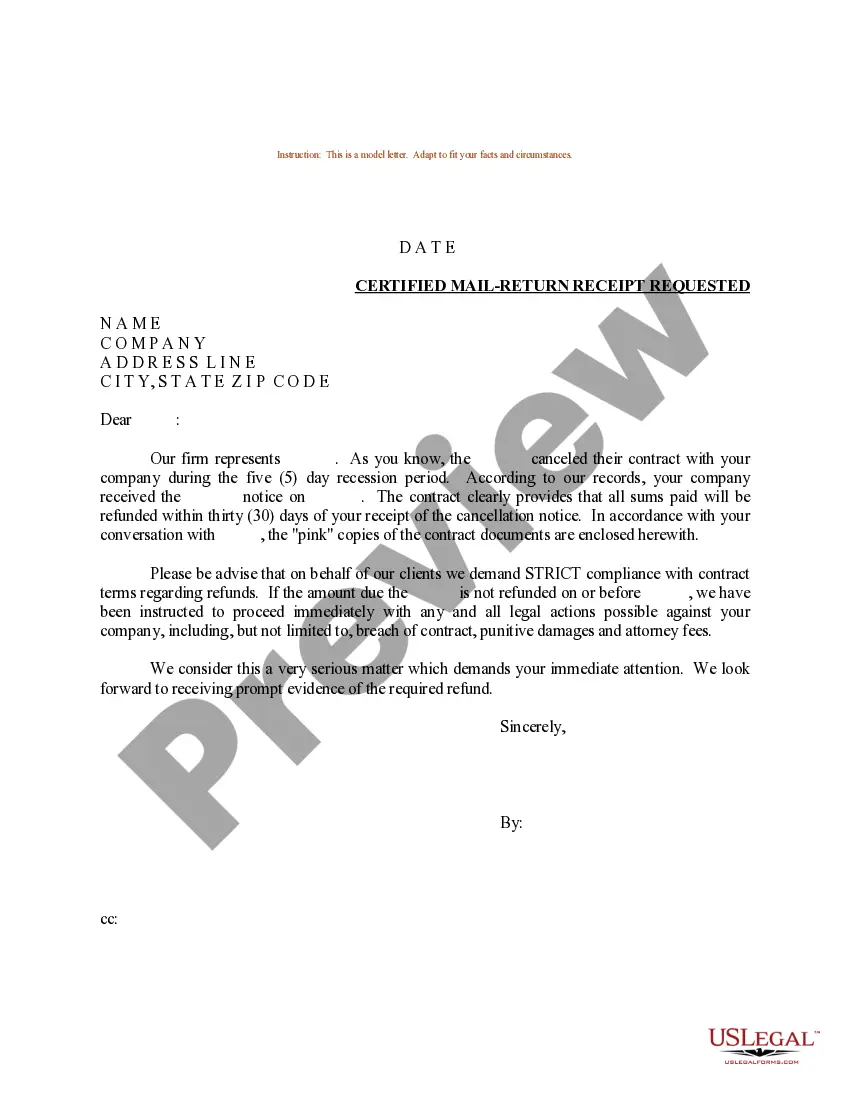
A demand letter typically includes specific details about the debt, such as the invoice number, the amount owed, and the due date. It also provides a deadline for payment, which is usually a short period, such as 10 or 14 days.
For example, Californians wishing to file a claim against a business for deceptive practices or some other infraction outlined in the state's Consumer Legal Remedies Act (CLRA) must send a demand letter at least 30 days before filing a lawsuit.
How to Write an Overdue Invoice Letter? Step 1- Start with a polite greeting. Step 2 – Clearly state the purpose. Step 3 – Provide relevant details. Step 4 – Express understanding. Step 5 – Set clear expectations. Step 6 – Offer assistance. Step 7 – End on a positive note. Step 8 – Close the letter:
In California, you're typically required to send a small claims demand letter to the defendant before filing a small claims case.
Books must be sent in directly from a book distributor. Books are considered Special Purchases. Please contact the institution for information on local procedures regarding Special Purchases. Incarcerated persons may have only 10 books in their possession.
Frequently Asked Questions (FAQ) Type your letter. Concisely review the main facts. Be polite. Write with your goal in mind. Ask for exactly what you want. Set a deadline. End the letter by stating you will promptly pursue legal remedies if the other party does not meet your demand. Make and keep copies.
An Introduction: Attorney identifies themself (or not) ... A brief overview (story) of what the evidence will show. Presented from your side's perspective. A brief explanation of what has to be proved. Identify the witnesses. Tell what the key testimony of each witness will be. A conclusion.
Provide Detailed Information: Include relevant details such as dates, amounts owed, and any contractual agreements or promises made. Provide supporting documentation, such as invoices, contracts, or correspondence, to substantiate your claim. 3. Be Concise and Professional: Keep your letter concise and professional.
Dear Recipient's Name, I am writing to formally notify you of my intent to pursue legal action against you or your company, if applicable concerning the ongoing dispute involving briefly describe the issue, e.g., a breach of contract, unpaid debts, property damage, etc..

