Letter With Cash In San Diego
Description
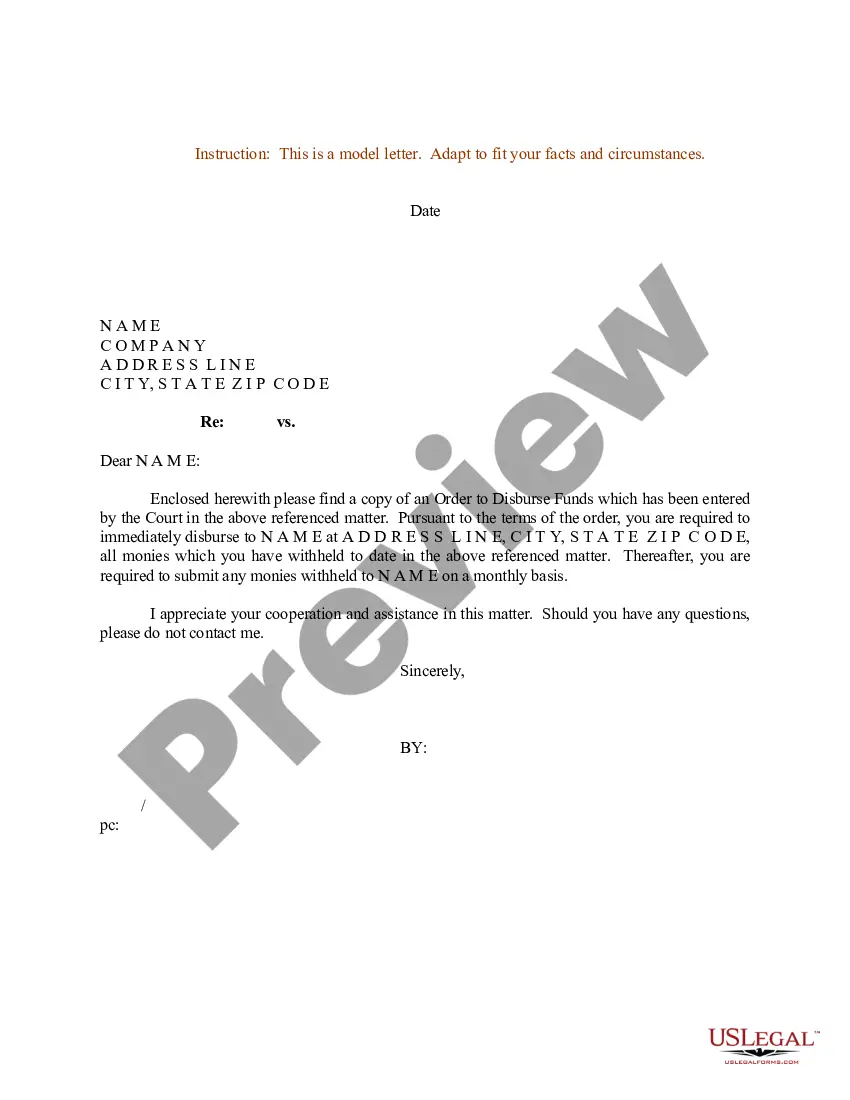
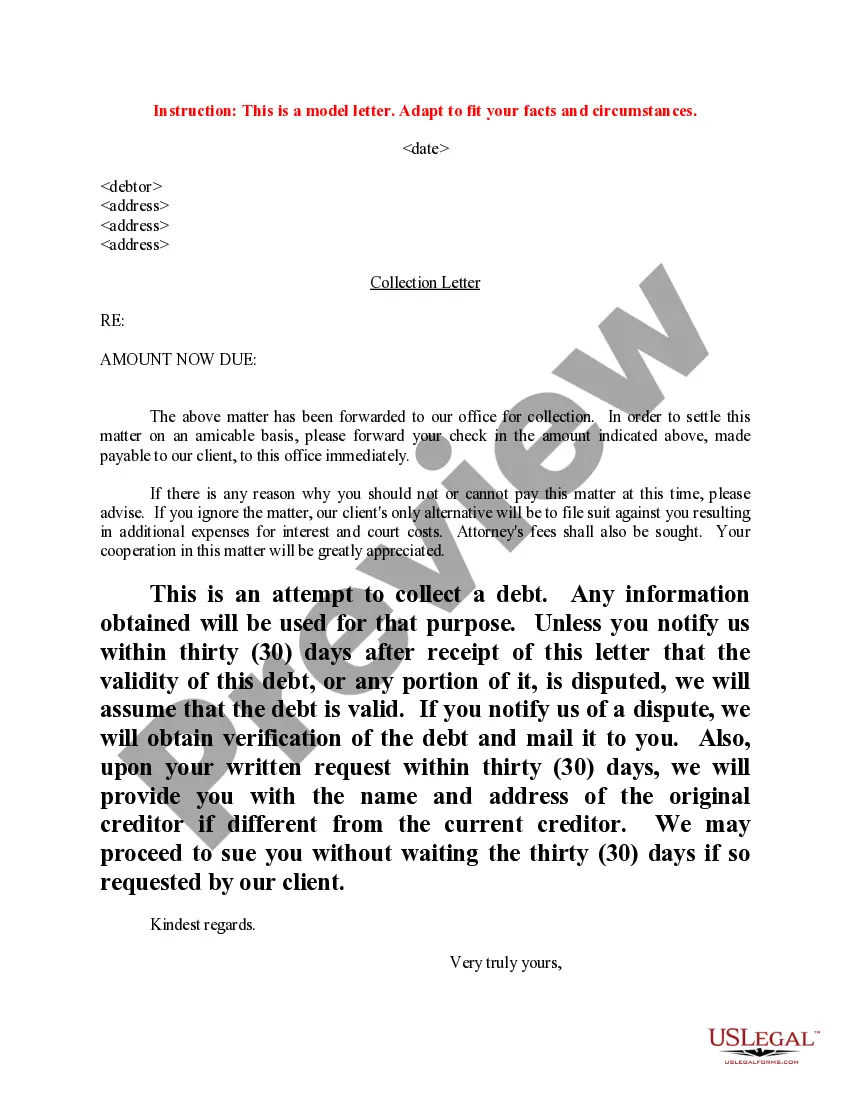
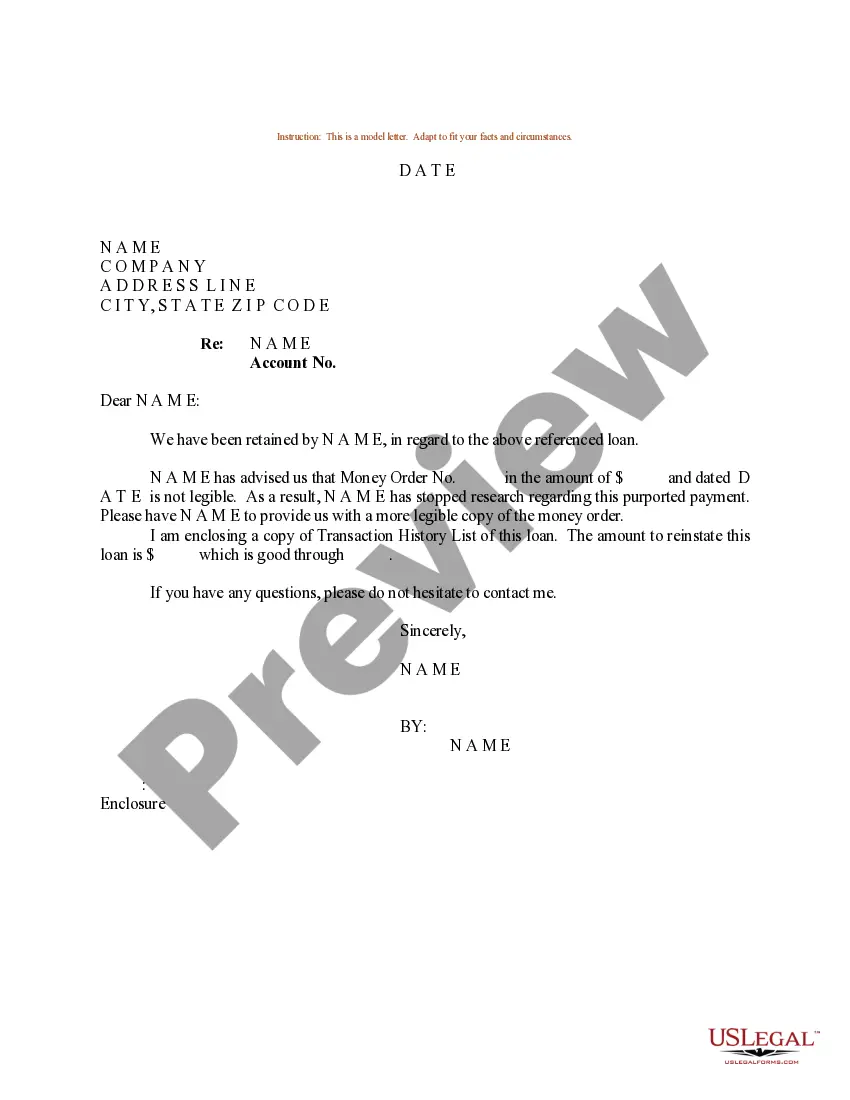
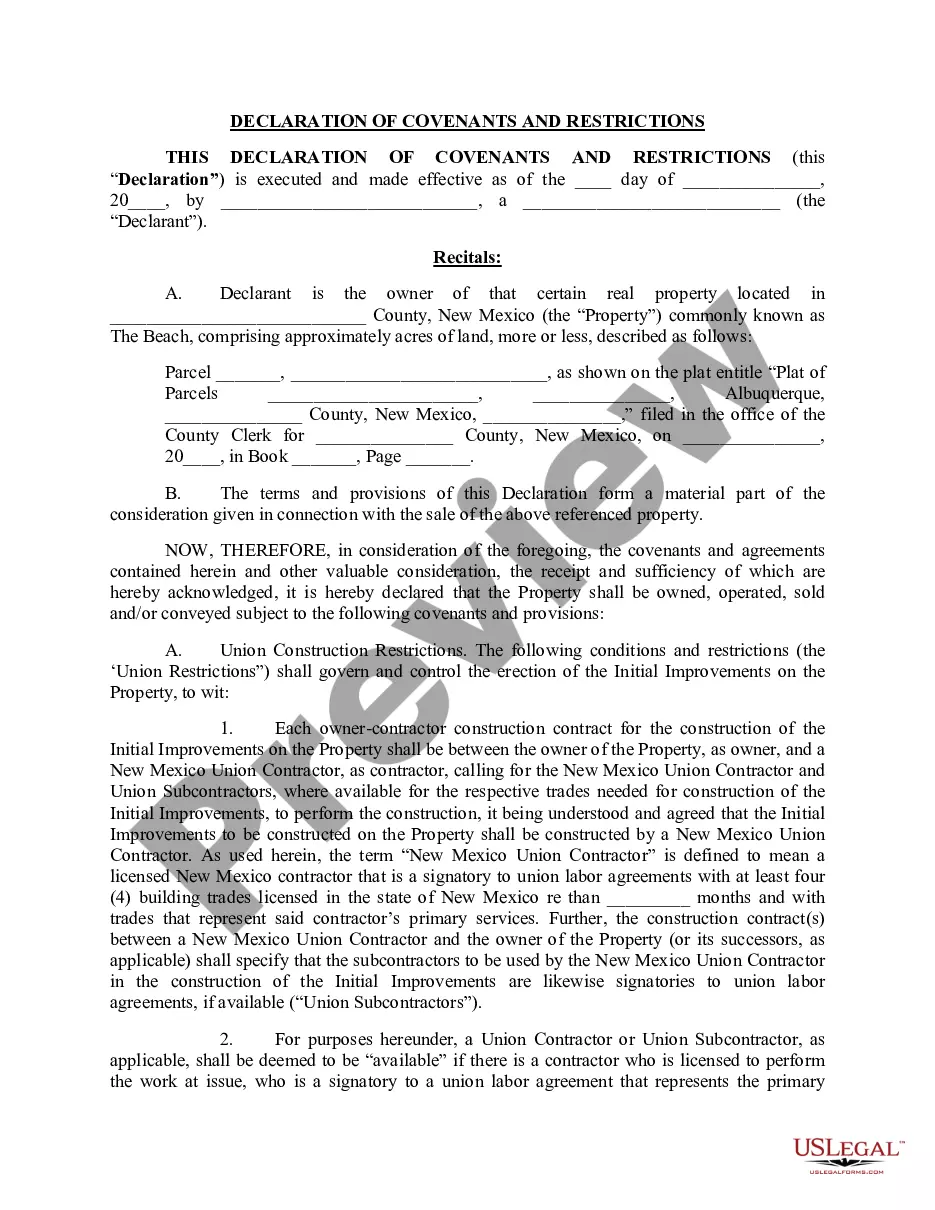
Get your form ready online
Our built-in tools help you complete, sign, share, and store your documents in one place.
Make edits, fill in missing information, and update formatting in US Legal Forms—just like you would in MS Word.
Download a copy, print it, send it by email, or mail it via USPS—whatever works best for your next step.
Sign and collect signatures with our SignNow integration. Send to multiple recipients, set reminders, and more. Go Premium to unlock E-Sign.
If this form requires notarization, complete it online through a secure video call—no need to meet a notary in person or wait for an appointment.
We protect your documents and personal data by following strict security and privacy standards.

Make edits, fill in missing information, and update formatting in US Legal Forms—just like you would in MS Word.

Download a copy, print it, send it by email, or mail it via USPS—whatever works best for your next step.

Sign and collect signatures with our SignNow integration. Send to multiple recipients, set reminders, and more. Go Premium to unlock E-Sign.

If this form requires notarization, complete it online through a secure video call—no need to meet a notary in person or wait for an appointment.

We protect your documents and personal data by following strict security and privacy standards.
Looking for another form?





Form popularity
FAQ
In sum, there is no formal minimum amount required to file a small claims case in the Philippines. The small claims rules are silent on any bottom threshold, focusing instead on a maximum jurisdictional limit of PHP 400,000.
Sending the Letter: The demand letter should be sent through a reliable method, such as registered mail, courier, or personal delivery with proof of receipt. This ensures that the recipient cannot deny having received the letter, which is important if the matter escalates to court.
Sending the Letter: The demand letter should be sent through a reliable method, such as registered mail, courier, or personal delivery with proof of receipt. This ensures that the recipient cannot deny having received the letter, which is important if the matter escalates to court.
Yes, an individual can send a demand letter in the Philippines. A demand letter is a formal document that an individual can send to another party to request payment or action on an obligation, often before pursuing legal action.
For example, Californians wishing to file a claim against a business for deceptive practices or some other infraction outlined in the state's Consumer Legal Remedies Act (CLRA) must send a demand letter at least 30 days before filing a lawsuit.
Frequently Asked Questions (FAQ) Type your letter. Concisely review the main facts. Be polite. Write with your goal in mind. Ask for exactly what you want. Set a deadline. End the letter by stating you will promptly pursue legal remedies if the other party does not meet your demand. Make and keep copies.
Benefits and Resources for Undocumented Workers California Family Rights Act (CFRA) California Pregnancy Disability Leave Act (PDL) California Fair Employment and Housing Act (FEHA) Family and Medical Leave Act (FMLA)
Small Claims Court Location LocationBusiness Office HoursBusiness Office Telephone Number & Hours Central 330 W. Broadway, Room 225 San Diego, CA 92101 a.m. - p.m. Monday - Friday (858) 634-1919 a.m. - a.m. Monday - Friday
Send your letter by regular and certified mail with a return receipt requested. Send it also by regular mail with tracking/delivery confirmation in case the recipient refuses to sign the receipt. Keep a copy of all post office receipts.

