Letter With Cash In Ohio
Description
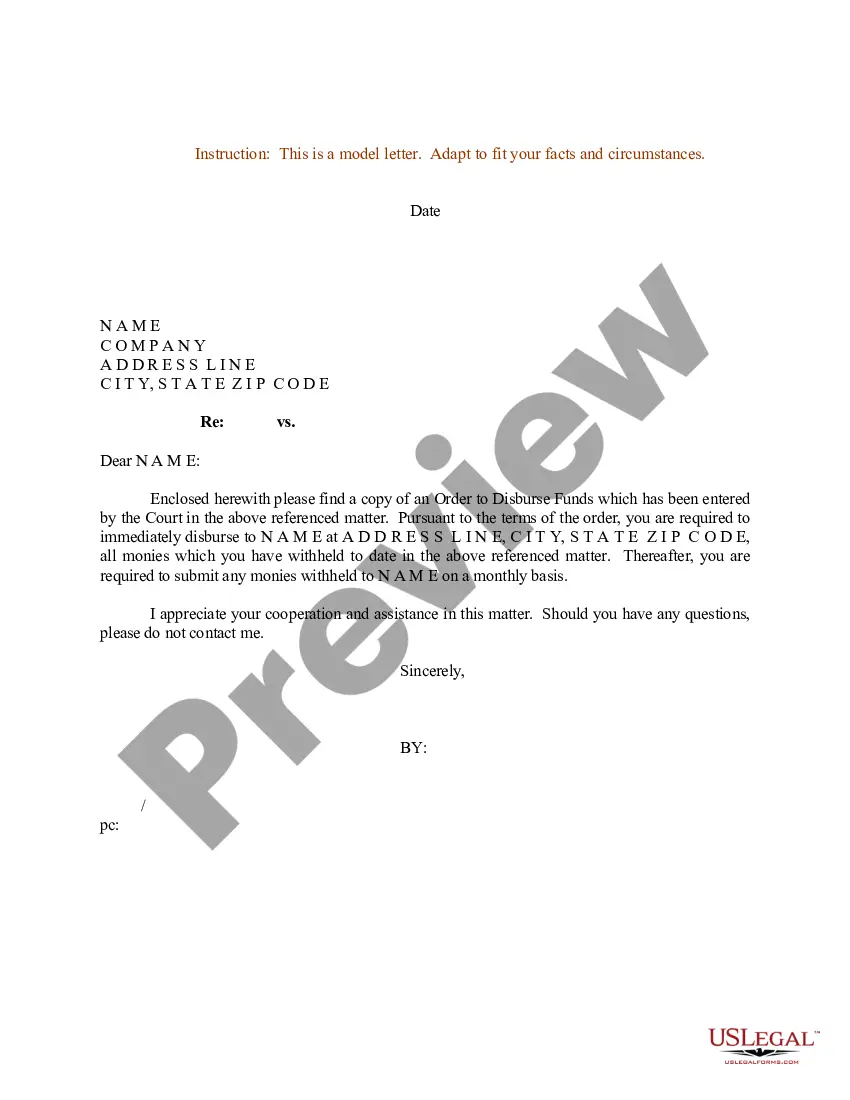
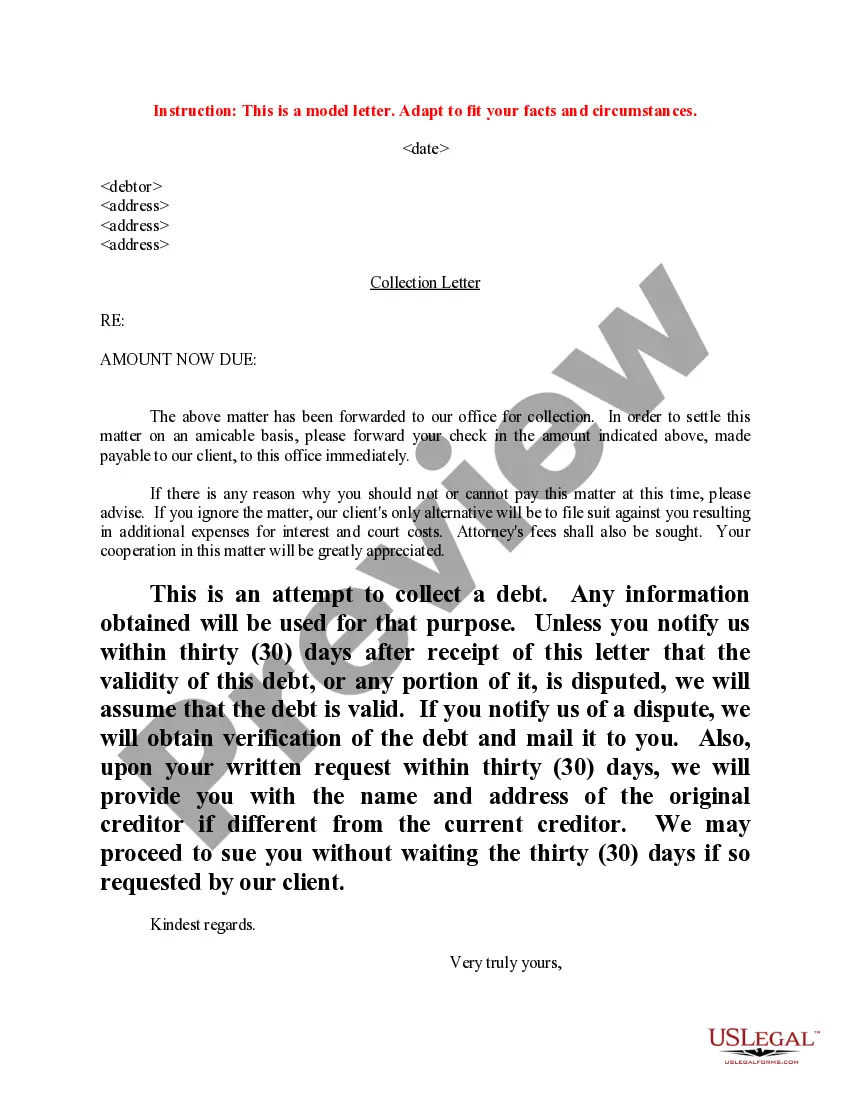
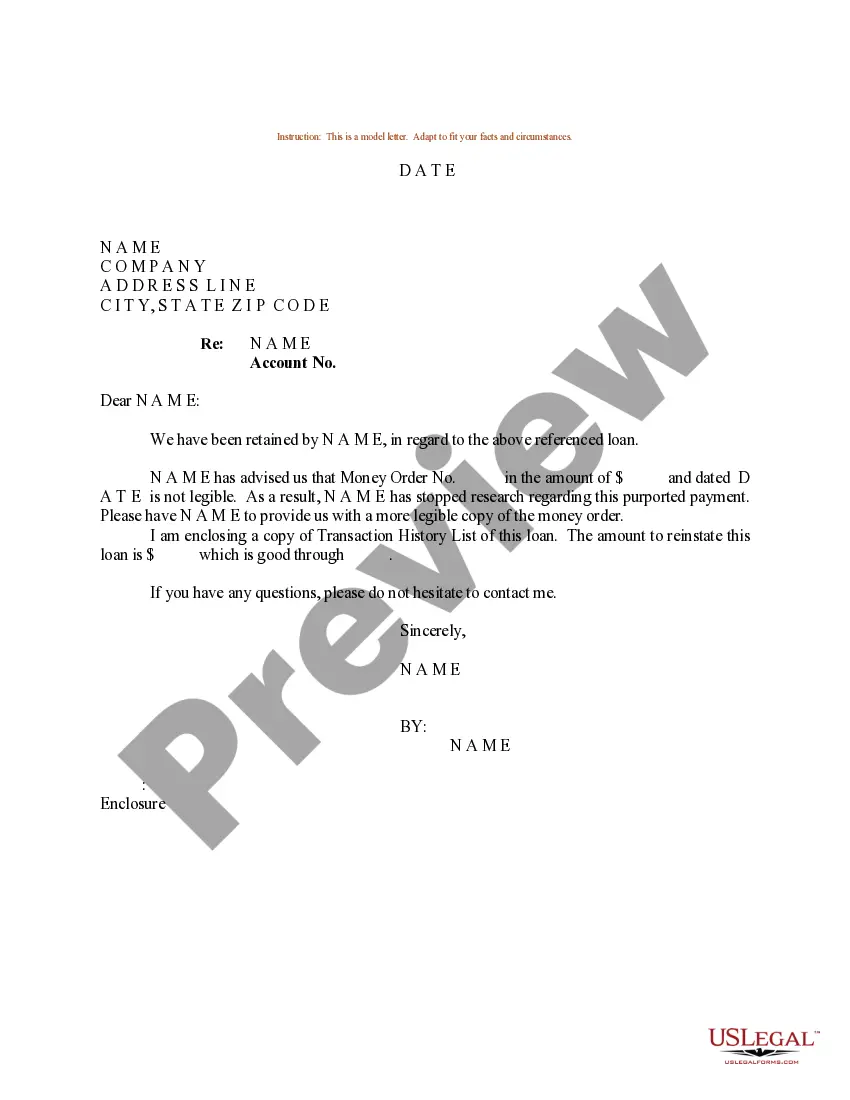
Get your form ready online
Our built-in tools help you complete, sign, share, and store your documents in one place.
Make edits, fill in missing information, and update formatting in US Legal Forms—just like you would in MS Word.
Download a copy, print it, send it by email, or mail it via USPS—whatever works best for your next step.
Sign and collect signatures with our SignNow integration. Send to multiple recipients, set reminders, and more. Go Premium to unlock E-Sign.
If this form requires notarization, complete it online through a secure video call—no need to meet a notary in person or wait for an appointment.
We protect your documents and personal data by following strict security and privacy standards.

Make edits, fill in missing information, and update formatting in US Legal Forms—just like you would in MS Word.

Download a copy, print it, send it by email, or mail it via USPS—whatever works best for your next step.

Sign and collect signatures with our SignNow integration. Send to multiple recipients, set reminders, and more. Go Premium to unlock E-Sign.

If this form requires notarization, complete it online through a secure video call—no need to meet a notary in person or wait for an appointment.

We protect your documents and personal data by following strict security and privacy standards.
Looking for another form?










Form popularity
FAQ
The decision to sue often depends on the debt's size (usually a minimum of $1,000), age, and original agreements. Debt collection practices for unpaid credit card balances frequently lead to court cases. If sued and found liable, you may face additional costs through interest and fees.
Cases seeking more than $10,000 are assigned as judicial cases, and a single judge may hear and decide on any civil action in this category. However, the state or claimant may apply to the court for a panel of three judges to hear the case.
Application for the writ of mandamus must be by petition, in the name of the state on the relation of the person applying, and verified by affidavit. The court may require notice of it to be given to the defendant, or grant an order to show cause why it should not be allowed, or allow the writ without notice.
Basic information about Small Claims is available on the Small Claims automated phone line at 946-5700. You may also access small claim information and forms through the Clerk of Courts Internet address at urtclerk. There is also an interactive small claim form that may be filled out on the computer.
You need to answer three fundamental -- and fairly obvious -- questions as part of deciding whether it's worthwhile to bring a lawsuit to court: Do I have a good case? Am I comfortable with the idea of a compromise settlement or going to mediation? Assuming a lawsuit is my best or only option, can I collect if I win?
Timeline of How to File a Lawsuit Step 1: File a Complaint. Plaintiff files a complaint and summons with the local county court. Step 2: Answer Complaint. Step 3: Discovery. Step 4: Failing to Respond to Discovery. Step 5: Conclusion of Lawsuit.
A claim cannot exceed $6,000 (not including any interest and 2. court costs claimed). The claim itself can be for at most $6,000, and counter- or cross-claims that may be filed can only be for $6,000 (each) or less.
Any company doing business in the State of Ohio must report unclaimed funds, per the Ohio Revised Code 169.03 A(1) on an annual basis. Due to a system upgrade in 2025, this is the last year paper reports will be accepted.
Unclaimed Property Information - by State StateSite CA CO CT DC more rows •
8 Documents Needed to Apply for Food Stamps Identification. Proof of Citizenship. Proof of Residence. Earned and Unearned Income. Medical Expenses. Household Expenses. Proof of any Disabilities. Proof of any School Attendance.

