Letter With Cash In Massachusetts
Description
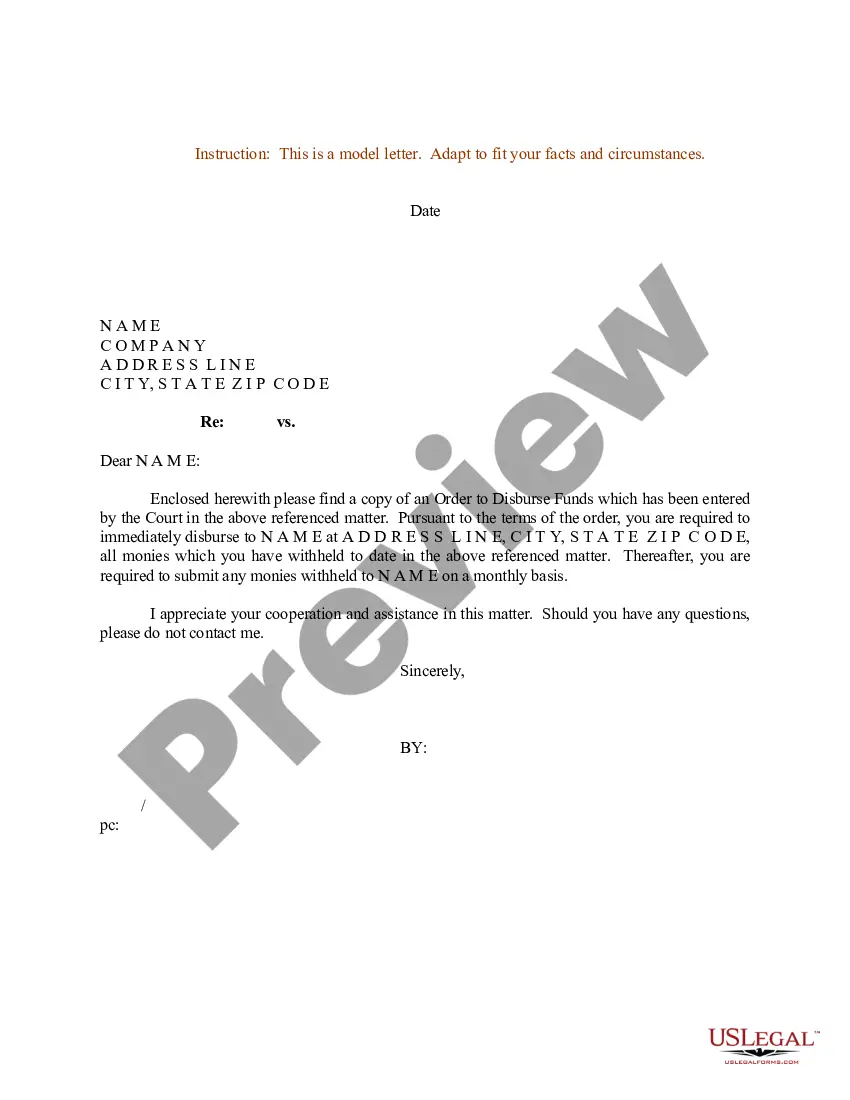
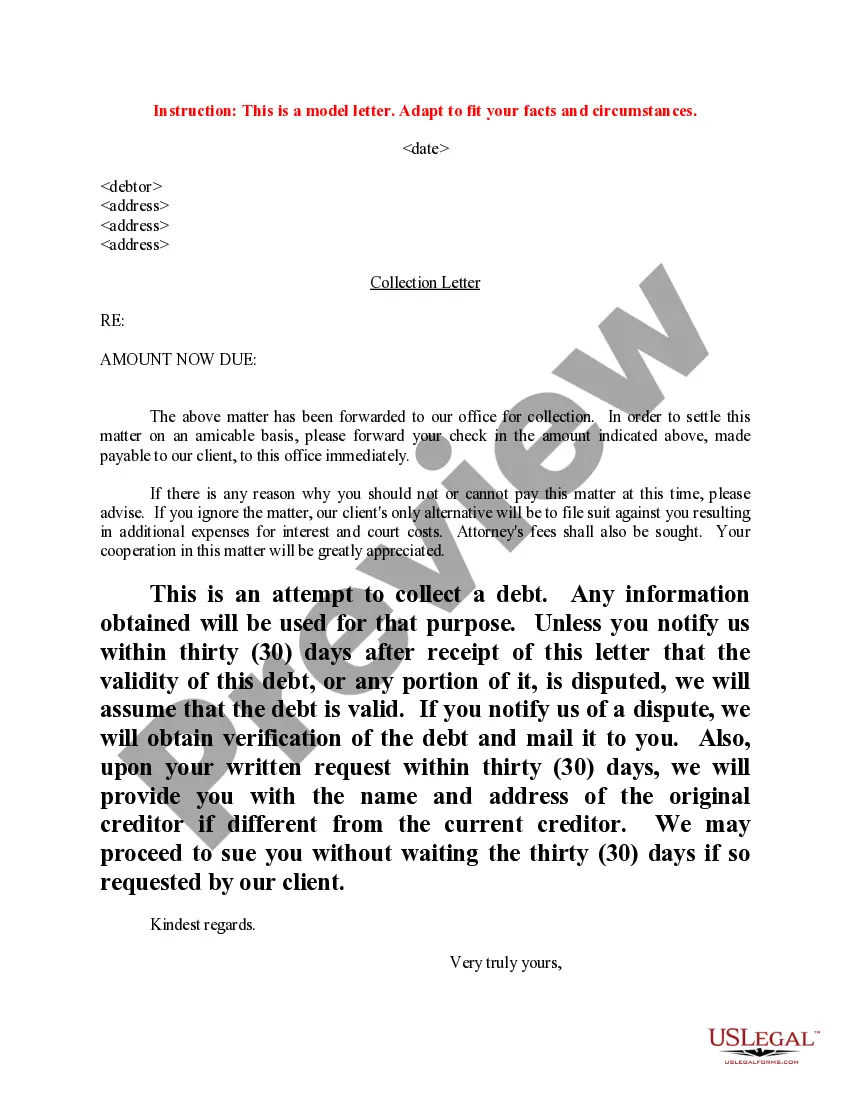
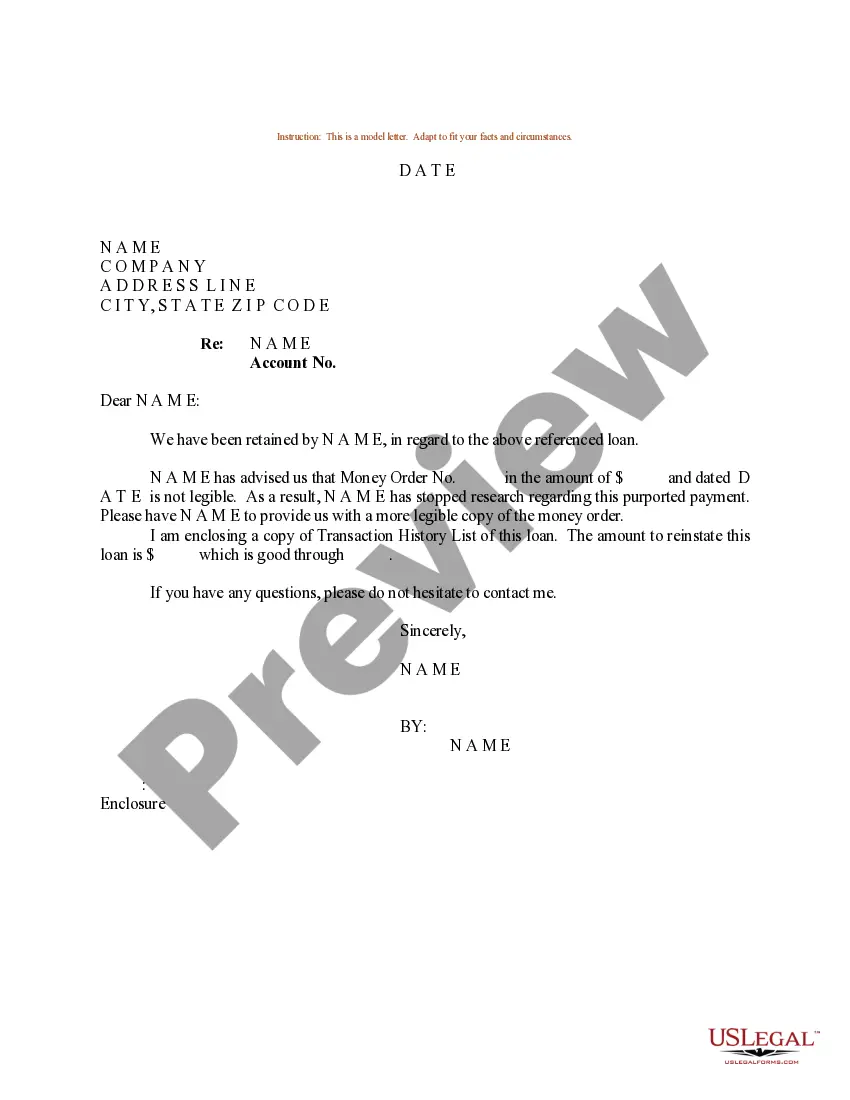
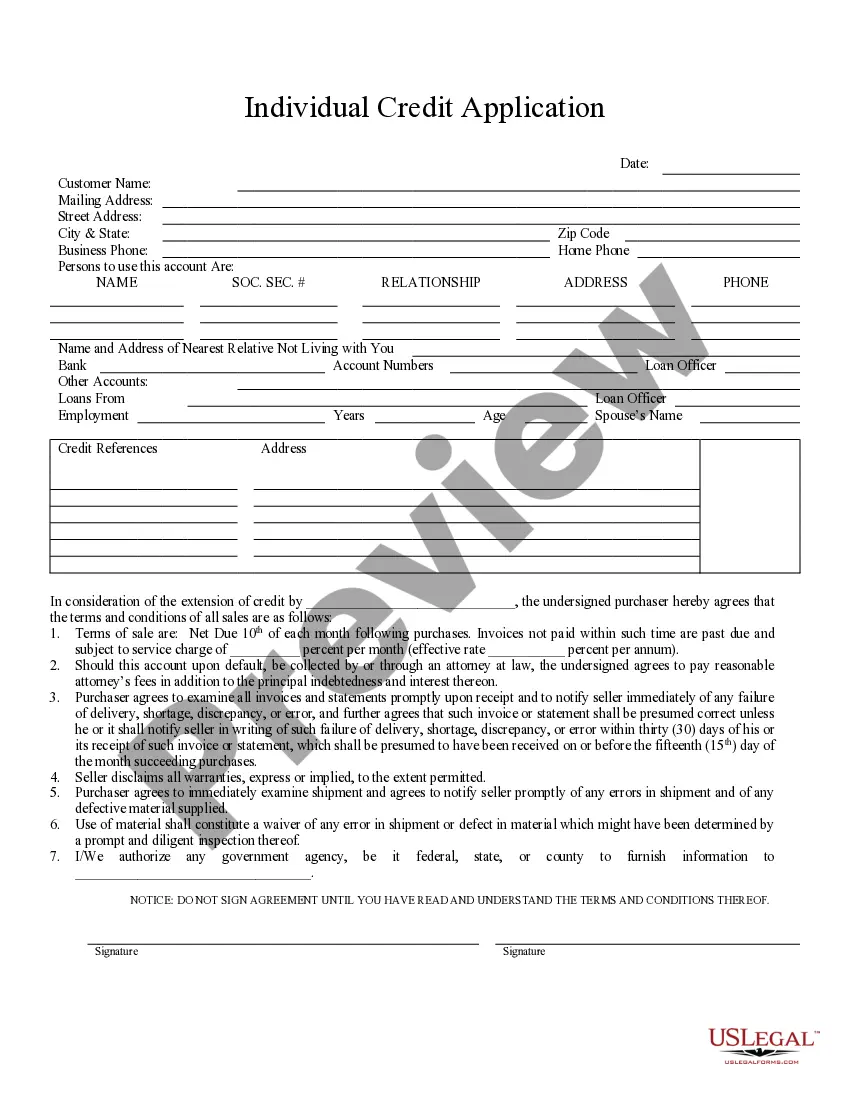
Get your form ready online
Our built-in tools help you complete, sign, share, and store your documents in one place.
Make edits, fill in missing information, and update formatting in US Legal Forms—just like you would in MS Word.
Download a copy, print it, send it by email, or mail it via USPS—whatever works best for your next step.
Sign and collect signatures with our SignNow integration. Send to multiple recipients, set reminders, and more. Go Premium to unlock E-Sign.
If this form requires notarization, complete it online through a secure video call—no need to meet a notary in person or wait for an appointment.
We protect your documents and personal data by following strict security and privacy standards.

Make edits, fill in missing information, and update formatting in US Legal Forms—just like you would in MS Word.

Download a copy, print it, send it by email, or mail it via USPS—whatever works best for your next step.

Sign and collect signatures with our SignNow integration. Send to multiple recipients, set reminders, and more. Go Premium to unlock E-Sign.

If this form requires notarization, complete it online through a secure video call—no need to meet a notary in person or wait for an appointment.

We protect your documents and personal data by following strict security and privacy standards.
Looking for another form?



Form popularity
FAQ
Massachusetts has a statute that specifically enables the Attorney General and consumers to take legal action against unfair or deceptive conduct in the marketplace, called Massachusetts Consumer Protection law, Massachusetts General Laws Chapter 93A.
State law requires you to send the business a letter 30 days before filing a claim in court. The letter must outline your complaint, the harm you suffered, and how you want the problem resolved. This is called a 30 Day Demand Letter.
To file suit, you must fill out a Statement of Claim and Notice form. Get this from the Small Claims Clerk in your district. Your claim may be filed in person or by mail. However, when the papers are sent by mail to the clerk, the action is not commenced until the papers are actually received.
Filing a Chapter 93A Complaint in Massachusetts Be sent to the business at least thirty (30) days prior to the filing of an actual lawsuit; State that the claimant is a "consumer" - someone who engages in commerce for primarily personal, family, or household purposes; Identify the claimant's full name and address;
Massachusetts' civil statute of limitations laws set a three-year time limit for most cases. Examples include: Personal injury. Libel.
Small claims courts provide a simple, informal and inexpensive option for resolving cases where the claim is $7,000 or less. You may only bring a small claim in the court for the location where either the plaintiff or the defendant lives or has a place of business or employment.
A person or entity initiates a small claims case in Massachusetts by filing a Statement of Claim and Notice of Trial form. The person who files the form is the plaintiff. The person or entity against whom they file the lawsuit is the defendant. In general, any person who is 18 or older may file a small claims case.

