Letter With Money In Maricopa
Description
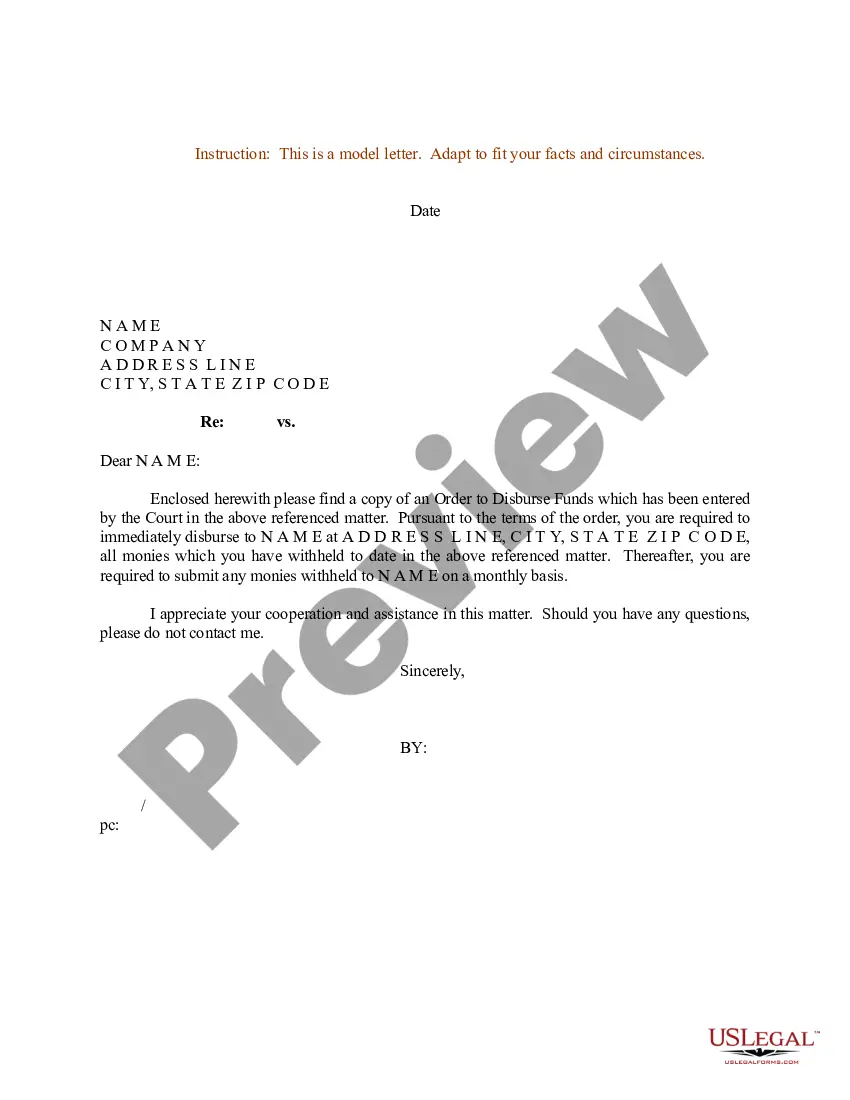
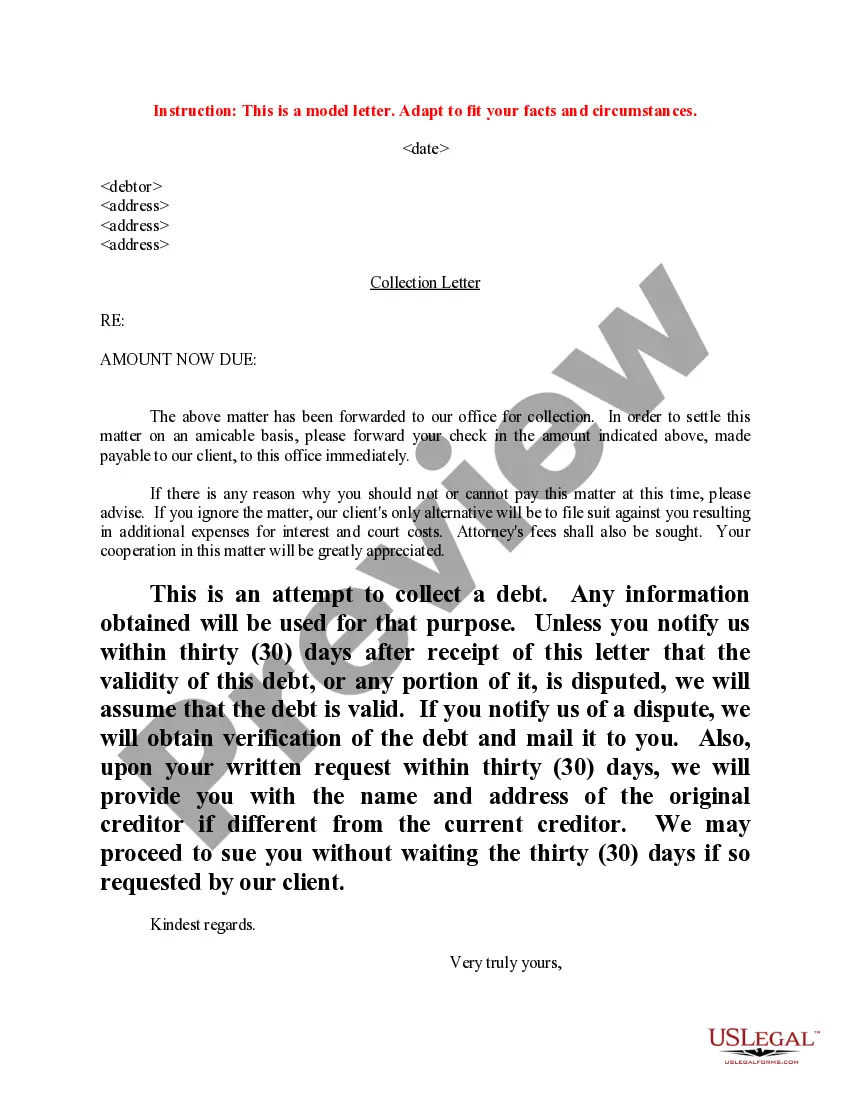
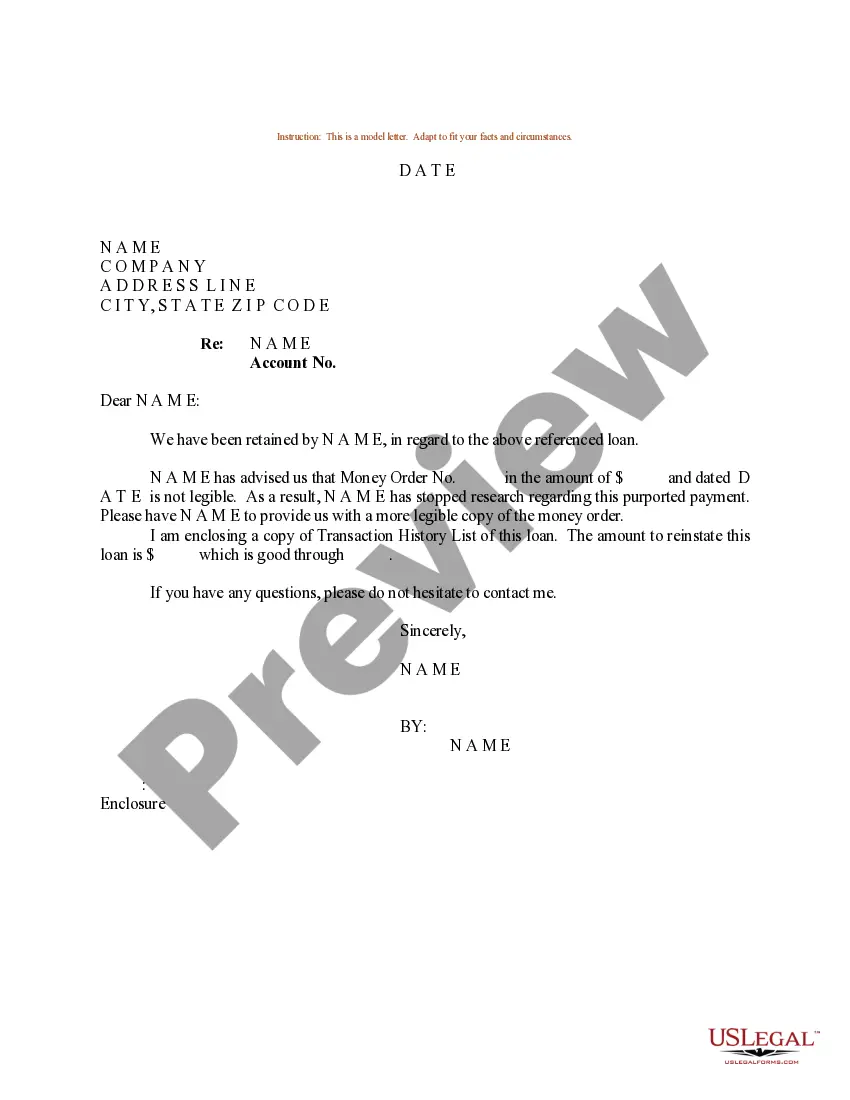
Get your form ready online
Our built-in tools help you complete, sign, share, and store your documents in one place.
Make edits, fill in missing information, and update formatting in US Legal Forms—just like you would in MS Word.
Download a copy, print it, send it by email, or mail it via USPS—whatever works best for your next step.
Sign and collect signatures with our SignNow integration. Send to multiple recipients, set reminders, and more. Go Premium to unlock E-Sign.
If this form requires notarization, complete it online through a secure video call—no need to meet a notary in person or wait for an appointment.
We protect your documents and personal data by following strict security and privacy standards.

Make edits, fill in missing information, and update formatting in US Legal Forms—just like you would in MS Word.

Download a copy, print it, send it by email, or mail it via USPS—whatever works best for your next step.

Sign and collect signatures with our SignNow integration. Send to multiple recipients, set reminders, and more. Go Premium to unlock E-Sign.

If this form requires notarization, complete it online through a secure video call—no need to meet a notary in person or wait for an appointment.

We protect your documents and personal data by following strict security and privacy standards.
Looking for another form?








Form popularity
FAQ
How to fill out the Superior Court Paperwork Service Acceptance Form? Provide your name in the designated field. Indicate the documents you have received by checking the boxes. Express agreement or disagreement with the court's jurisdiction. Provide your contact information for legal correspondence.
There are 2 primary methods to collect a debt: Writ of Garnishment or Writ of Execution. Writ of Garnishment is often referred to as garnishing a debtor's wages. A written notice is served to both the debtor and the debtor's employer or financial institution.
Arizona Judgments are Enforceable for at Least Ten Years If you have a judgment or even a default judgment entered against you the creditor can try and collect on this judgment for at least ten (10) years.
An execution or other process shall not be issued on a judgment after the expiration of ten years from the date of its entry unless the judgment is renewed by affidavit or process pursuant to section 12-1612 or an action is brought on it within ten years after the date of the entry of the judgment or of its renewal. C.
Once a debt buyer is armed with a default judgment they then have the power to garnish your wages or levy your bank account.
Filing a Will or Probate Case The Probate Filing Counter is located at 201 W. Jefferson in Phoenix, or at our Southeast location, 222 E. Javelina in Mesa, or at our Northwest Regional Court Center location at 14264 W.
What is a normal grandparent visitation schedule in AZ? As one might expect, there is no normal visitation schedule. If the judge determines that visitation is in the child's best interests and all ARS § 25-409 requirements are met, then expect reasonable grandparent visitation to be ordered.
A grandparent will be able to easily prove that either a parent has died, or that a divorce has occurred prior to the grandparent petitioning the Court. It becomes much more difficult when the remaining spouse (who presumably has sole custody) is objecting to the grandparents visiting the grandchild.
A Writ of Execution allows the Constable to seize the judgment debtor's non-exempt PERSONAL PROPERTY and hold it for sale at public auction, for the purpose of satisfying the judgment. There are issuance fees and constable fees associated with a writ of execution.

