Sample Membership Letters For Class 10 In Virginia
Description

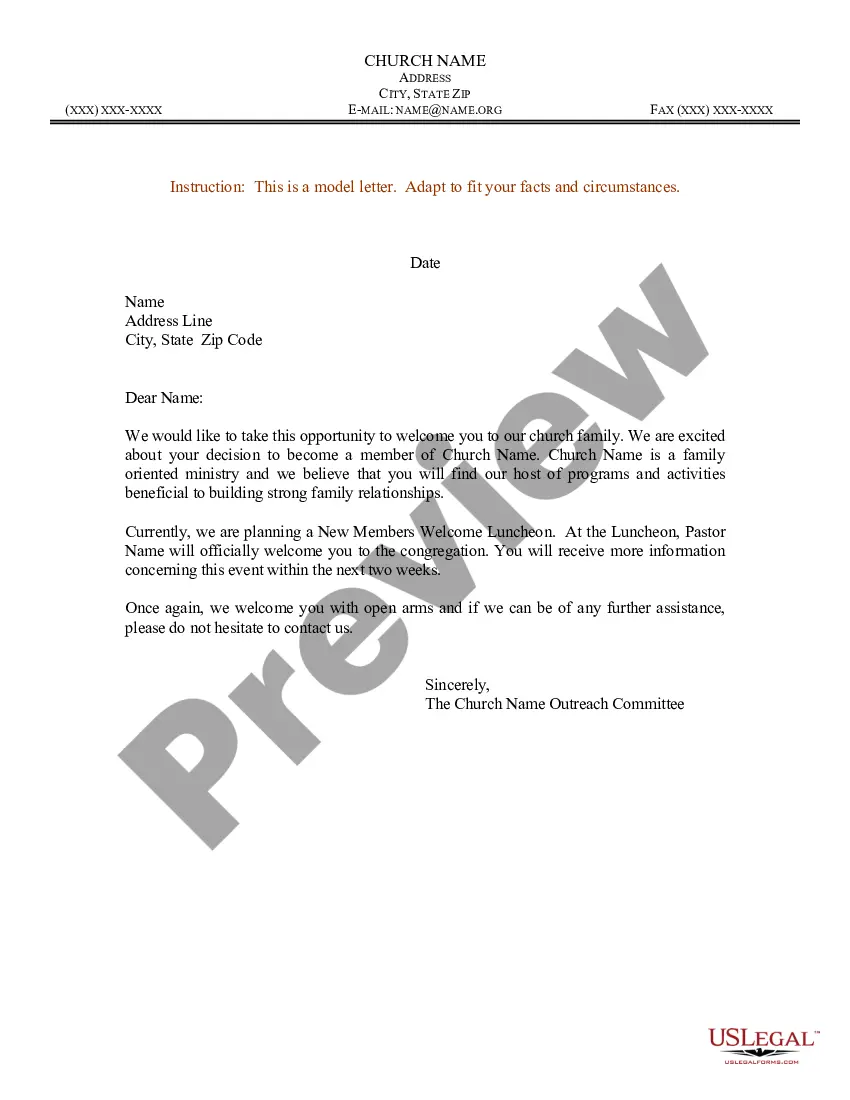
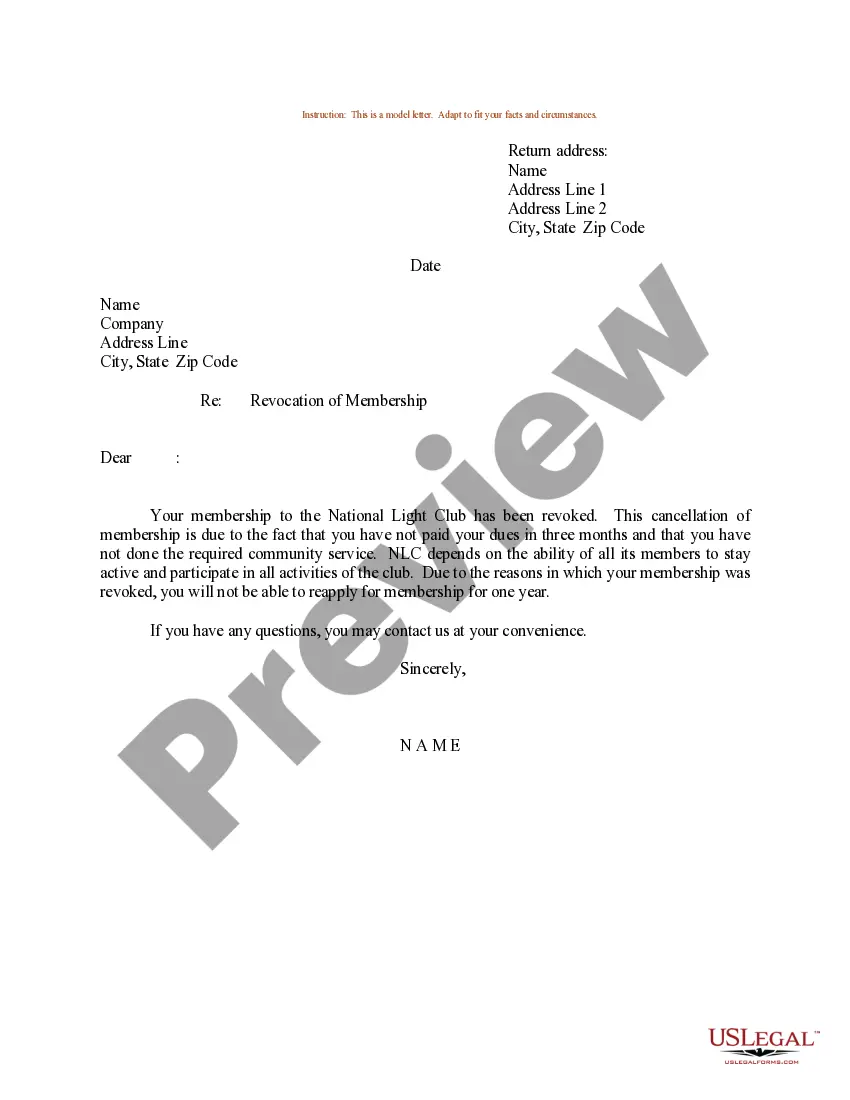
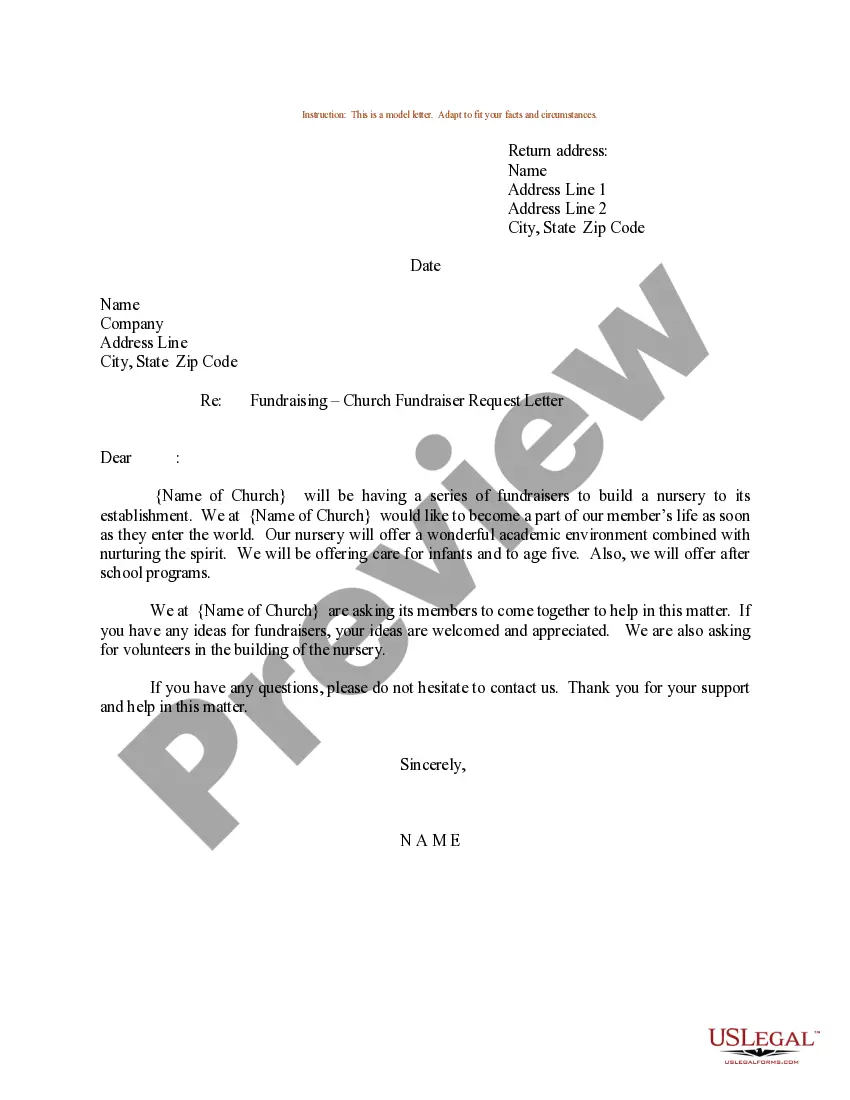
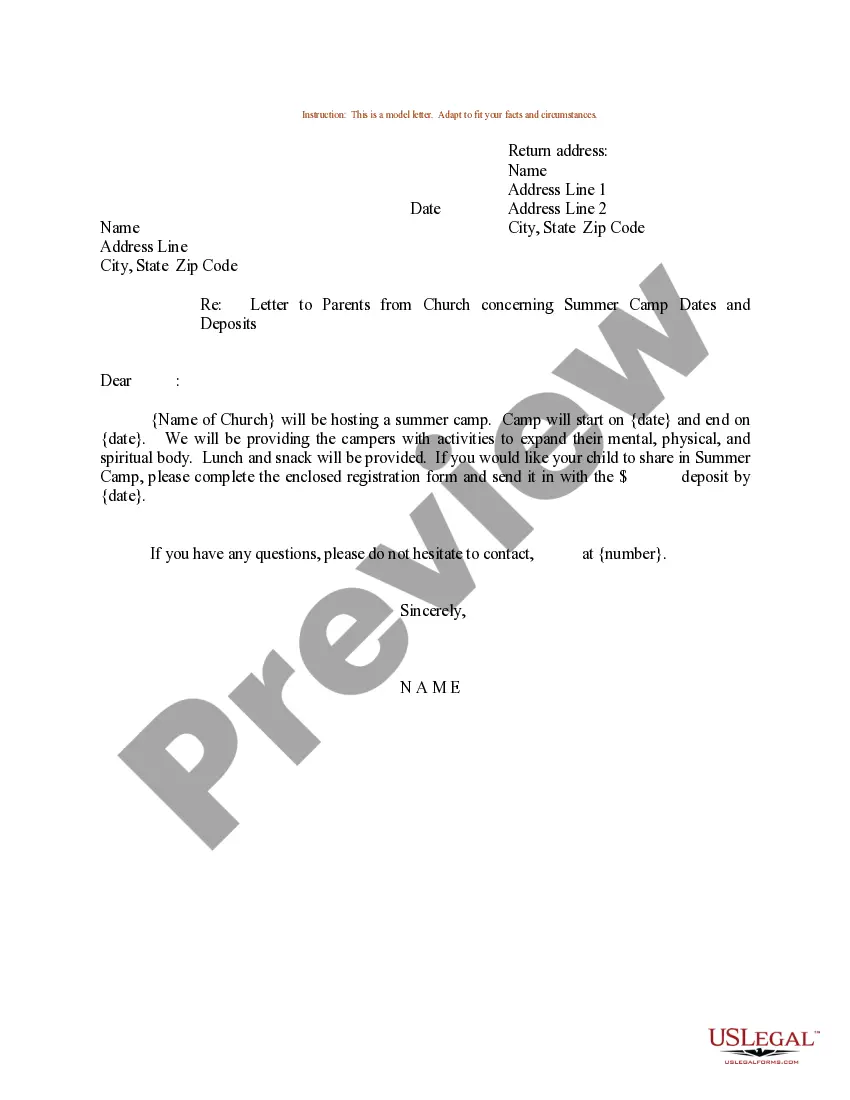
Get your form ready online
Our built-in tools help you complete, sign, share, and store your documents in one place.
Make edits, fill in missing information, and update formatting in US Legal Forms—just like you would in MS Word.
Download a copy, print it, send it by email, or mail it via USPS—whatever works best for your next step.
Sign and collect signatures with our SignNow integration. Send to multiple recipients, set reminders, and more. Go Premium to unlock E-Sign.
If this form requires notarization, complete it online through a secure video call—no need to meet a notary in person or wait for an appointment.
We protect your documents and personal data by following strict security and privacy standards.

Make edits, fill in missing information, and update formatting in US Legal Forms—just like you would in MS Word.

Download a copy, print it, send it by email, or mail it via USPS—whatever works best for your next step.

Sign and collect signatures with our SignNow integration. Send to multiple recipients, set reminders, and more. Go Premium to unlock E-Sign.

If this form requires notarization, complete it online through a secure video call—no need to meet a notary in person or wait for an appointment.

We protect your documents and personal data by following strict security and privacy standards.
Looking for another form?








Form popularity
FAQ
A polite and informative tone is best. Avoid opening by saying "as a citizen and taxpayer," since the legislator can assume that you are both. Begin the letter with a short paragraph that describes the issue and the request you are making.
These are the general rules you should follow to write a letter: Choose the right type of paper. Use the right formatting. Choose between block or indented form. Include addresses and the date. Include a salutation. Write the body of your letter. Include a complimentary close. List additional information.
2 Start With a Proper Format: Formal letters have a specific layout that includes the sender's address, date, recipient's address, salutation, body, close, and signature. Align your text to the left and use a professional font like Times New Roman or Arial.
The standard format is the same: the word “Dear” followed by the person's name, as in “Dear Mr. Lestrade,” using title capitalization. However, informal letters provide more freedom when it comes to what you say in your greeting, and it's not uncommon to see casual greetings like, “Hi Name,” or “Hello Name.”
When formatting a personal letter, write your name and address, followed by the date. The letter begins with a warm greeting, followed by an introduction, body paragraphs containing relevant content, and a concluding section. Next, include the recipient's name and address.
Elements: full mailing address of the sender. date on which letter is written. address of person to whom letter is addressed. subject line. salutation. body (the main message) complimentary closing. signature line (be sure to sign your letter)
Elements: full mailing address of the sender. date on which letter is written. address of person to whom letter is addressed. subject line. salutation. body (the main message) complimentary closing. signature line (be sure to sign your letter)
How To Write An Official Letter? Choose a professional font and size. Pick a format and follow the template. Create your heading. Begin your introduction with a salutation. Use body paragraphs to state your reason for writing. Add your conclusion paragraph and signature. Mention and add your enclosures.
Elements: full mailing address of the sender. date on which letter is written. address of person to whom letter is addressed. subject line. salutation. body (the main message) complimentary closing. signature line (be sure to sign your letter)
What Do You Write in a Membership Application Letter? The name of the person who wanted to apply for membership. The kind of membership that the individual wants to acquire. The name of the club, organization, or establishment that a person wants to be a member of. The qualifications of the person to be a member.

