Sample Membership Form For Non Profit Organization In Riverside
Description

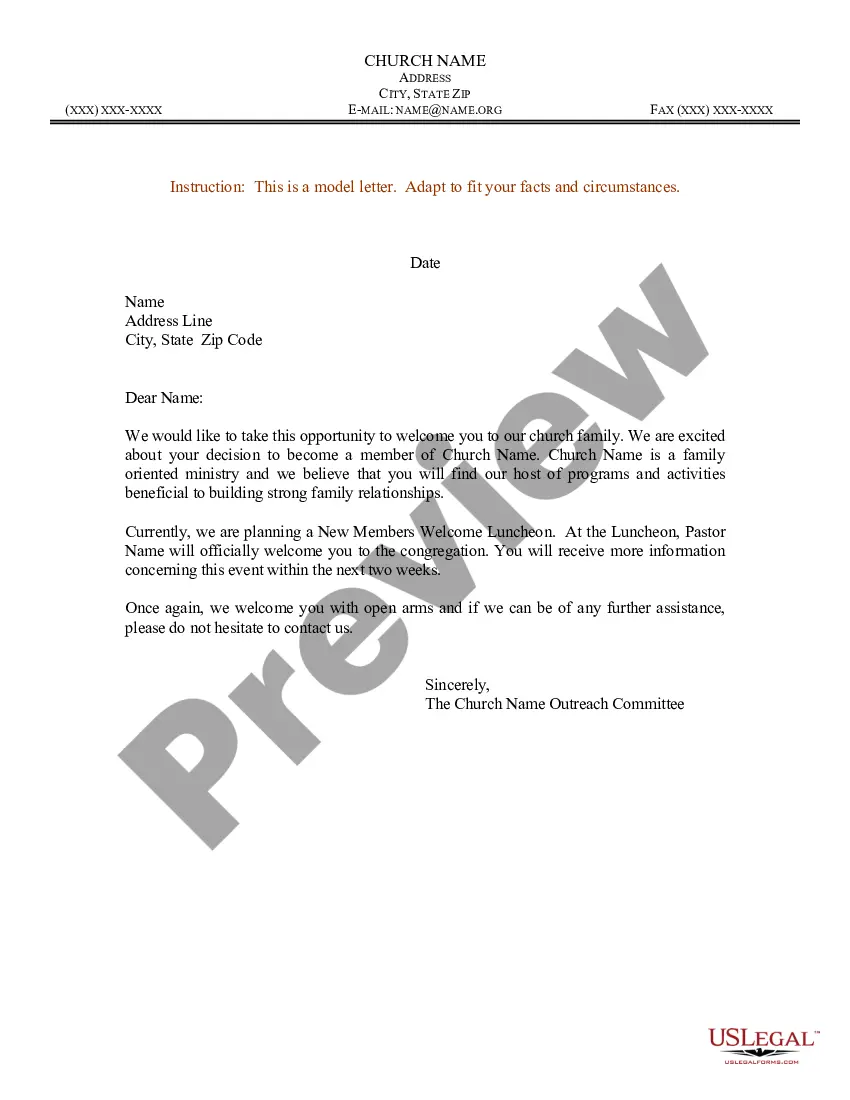
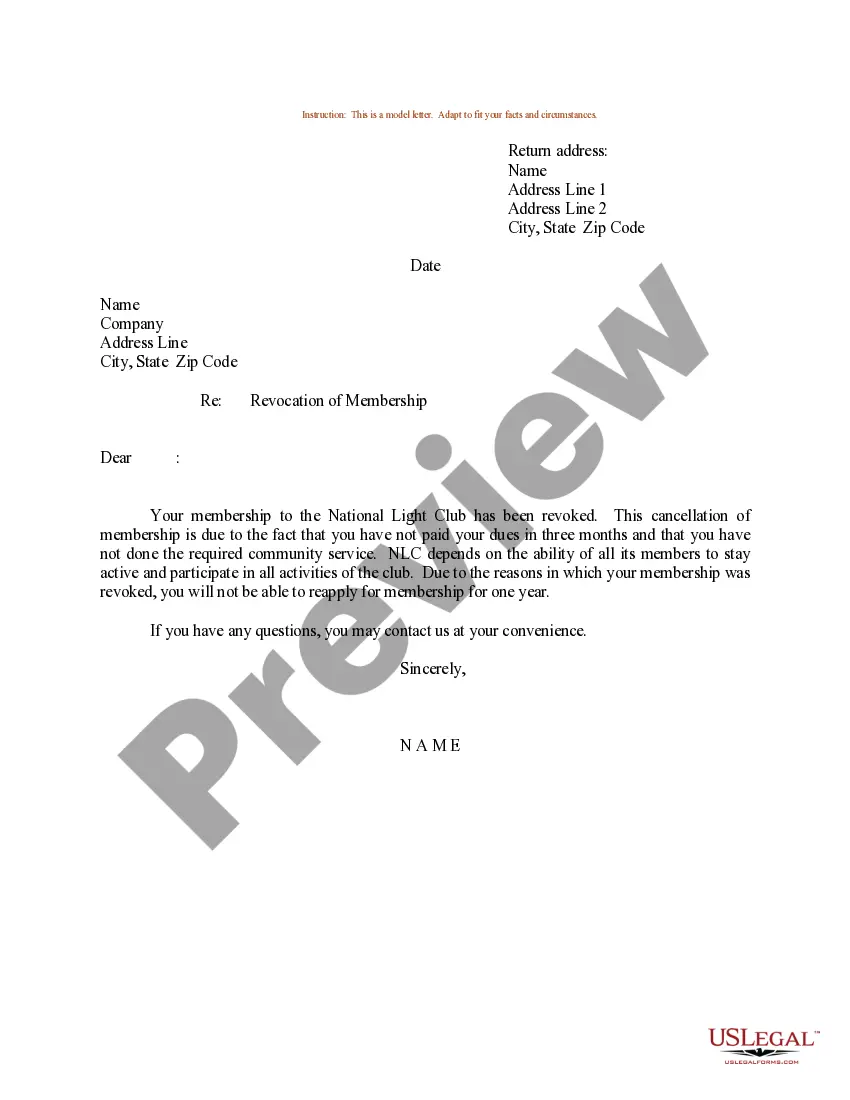
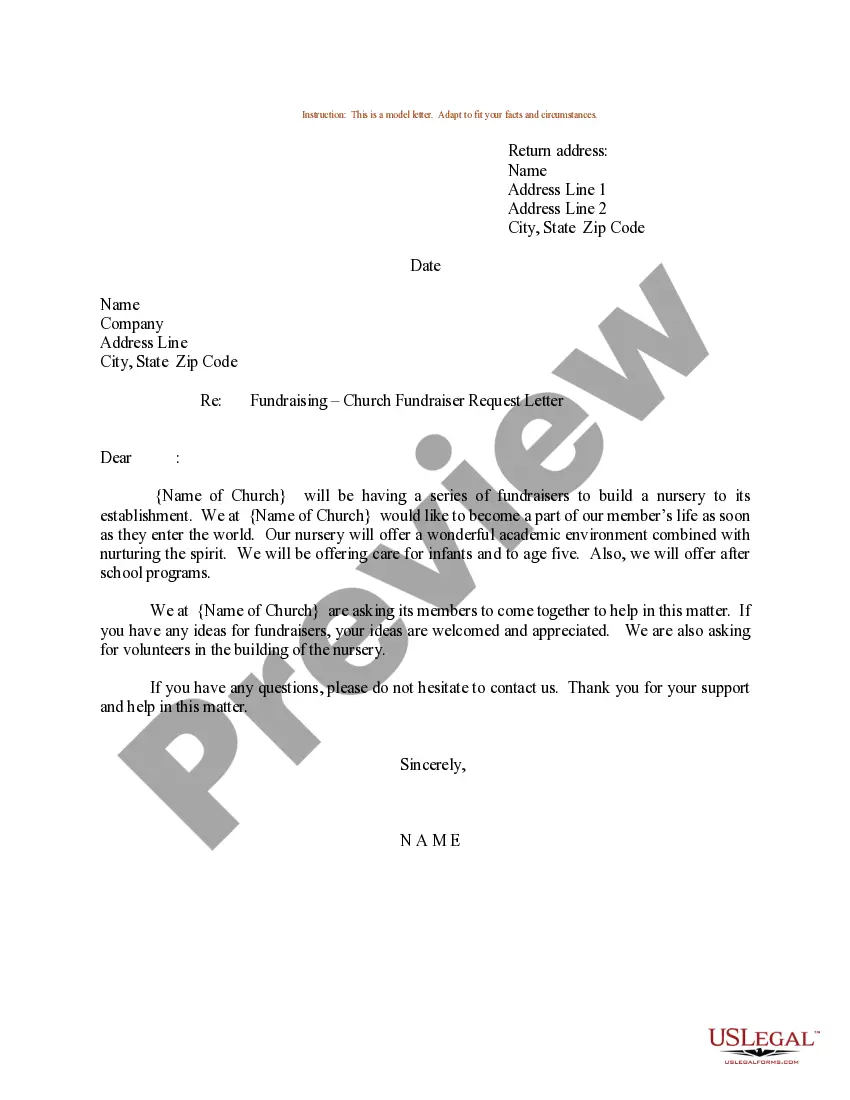
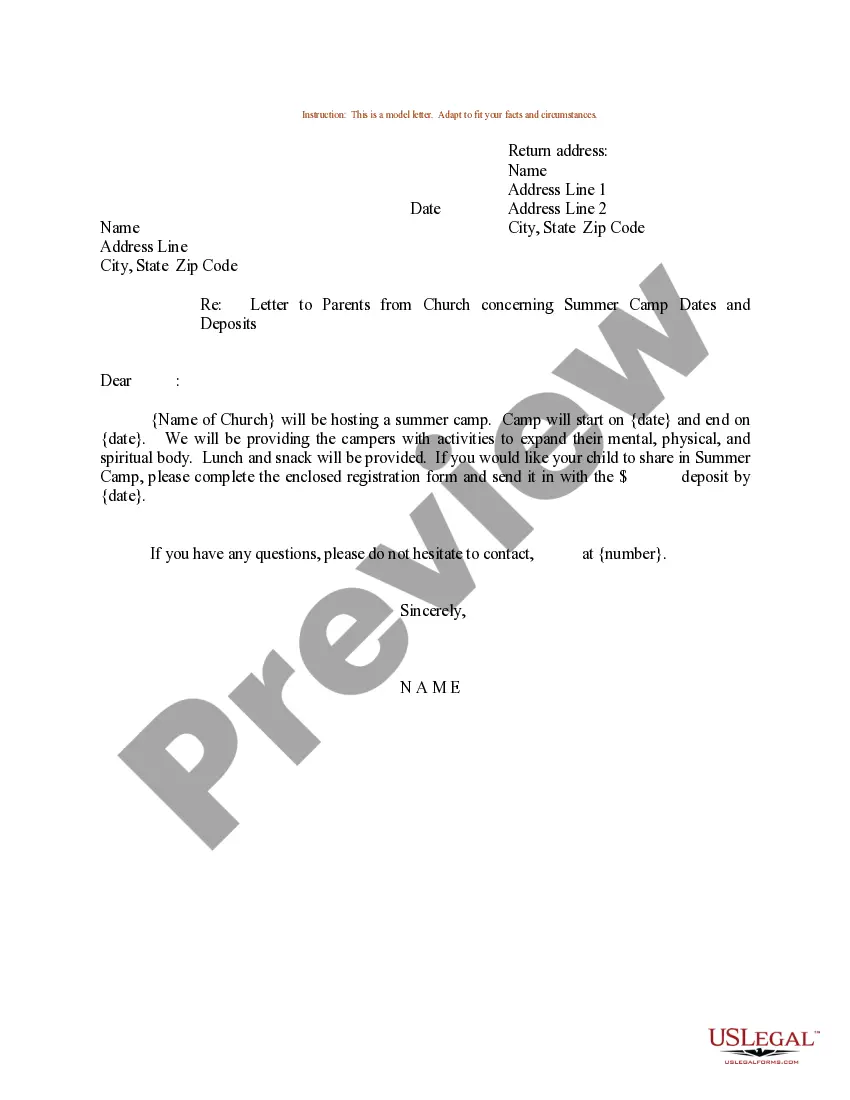
Get your form ready online
Our built-in tools help you complete, sign, share, and store your documents in one place.
Make edits, fill in missing information, and update formatting in US Legal Forms—just like you would in MS Word.
Download a copy, print it, send it by email, or mail it via USPS—whatever works best for your next step.
Sign and collect signatures with our SignNow integration. Send to multiple recipients, set reminders, and more. Go Premium to unlock E-Sign.
If this form requires notarization, complete it online through a secure video call—no need to meet a notary in person or wait for an appointment.
We protect your documents and personal data by following strict security and privacy standards.

Make edits, fill in missing information, and update formatting in US Legal Forms—just like you would in MS Word.

Download a copy, print it, send it by email, or mail it via USPS—whatever works best for your next step.

Sign and collect signatures with our SignNow integration. Send to multiple recipients, set reminders, and more. Go Premium to unlock E-Sign.

If this form requires notarization, complete it online through a secure video call—no need to meet a notary in person or wait for an appointment.

We protect your documents and personal data by following strict security and privacy standards.
Looking for another form?









Form popularity
FAQ
Every membership form should ask for the member's first and last name, date of birth/age, contact information, and membership level. There are also some optional details that you can ask for, such as their education level.
12 Types Of Content To Include In Your Membership Site Courses. Online courses are among the most common type of content you'll find inside a membership site. Live Webinars. Member Calls. Content Archives. Community Forum. Downloads. Member Perks. Standalone content.
Once again, with a resounding 'Yes' - a 501(c)(3) organization can certainly have members. And choosing a membership model is a very common approach for both governance and funding when it comes to setting up a nonprofit organization.
Steps in becoming a board member Identify an organization you're interested in serving. If you are already a volunteer in an organization, you might investigate the possibility of joining its board. Contact the organization. Exchange information. Understand the expectations. Moving forward.
Steps in becoming a board member Identify an organization you're interested in serving. If you are already a volunteer in an organization, you might investigate the possibility of joining its board. Contact the organization. Exchange information. Understand the expectations. Moving forward.
Once again, with a resounding 'Yes' - a 501(c)(3) organization can certainly have members. And choosing a membership model is a very common approach for both governance and funding when it comes to setting up a nonprofit organization.
Exemption requirements - 501(c)(3) organizations To be tax-exempt under section 501(c)(3) of the Internal Revenue Code, an organization must be organized and operated exclusively for exempt purposes set forth in section 501(c)(3), and none of its earnings may inure to any private shareholder or individual.
The purpose of a membership organization is to gather like-minded individuals to engage with or further interest in a shared activity, industry, profession, or mission. Alongside the ability to share specific interests with others, a membership business model has several additional benefits.

