Sample Membership Letters For Ielts In Queens
Description

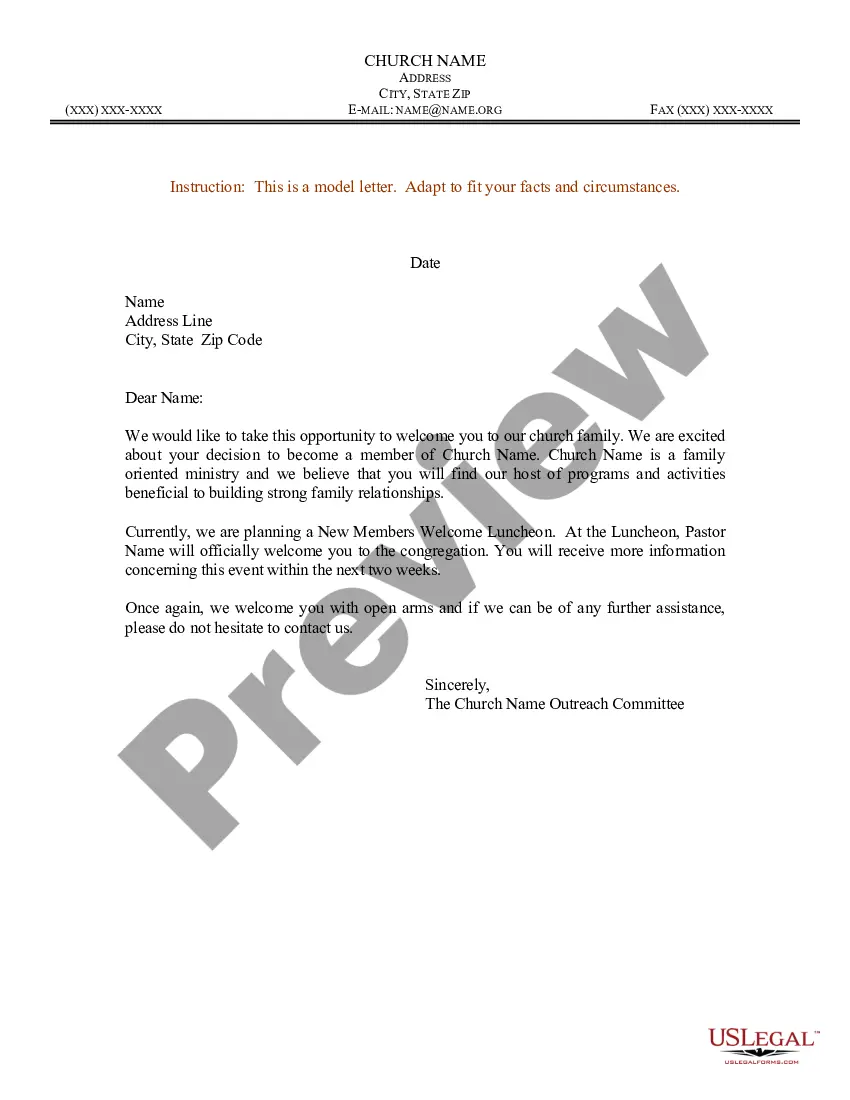
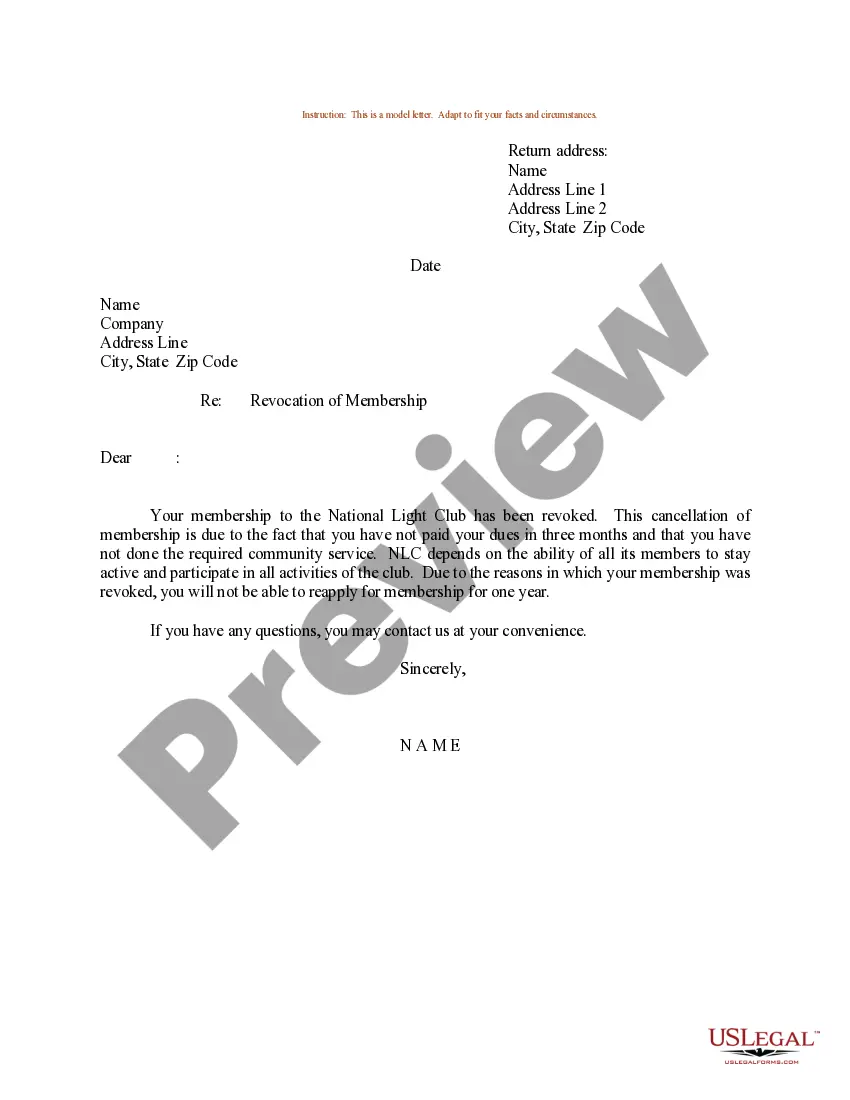
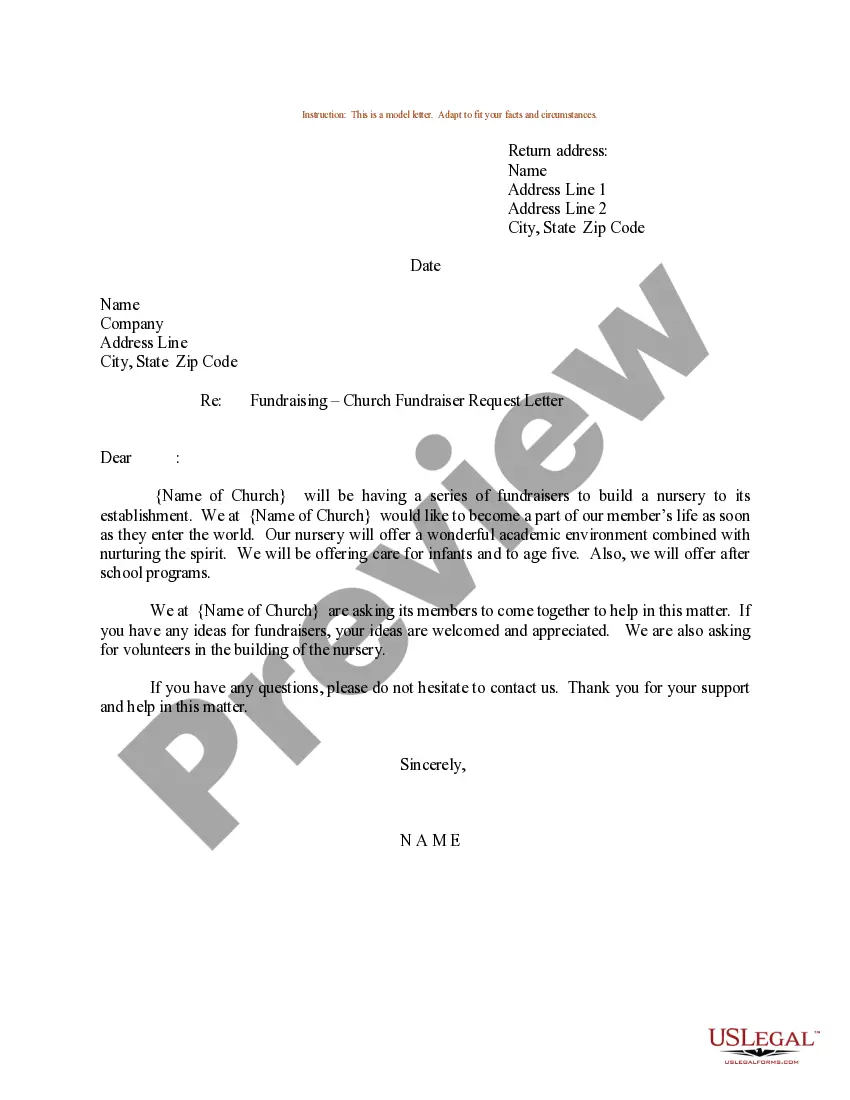
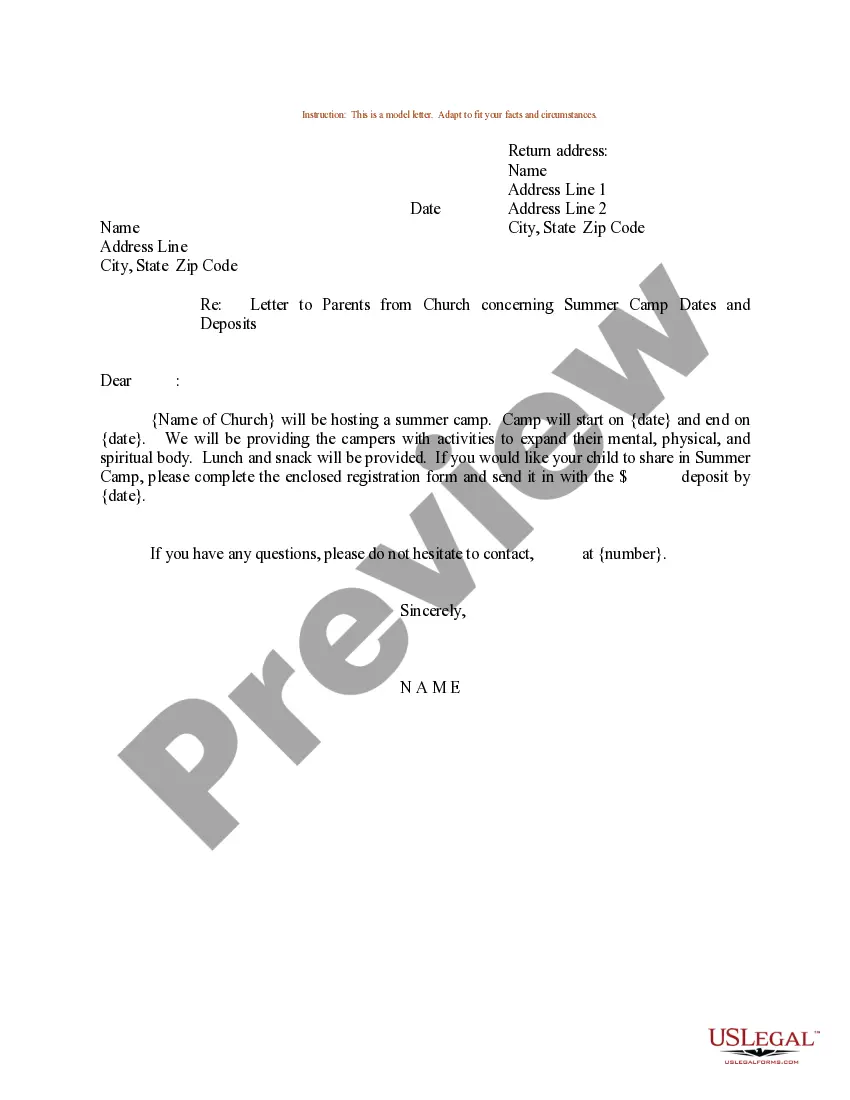
Get your form ready online
Our built-in tools help you complete, sign, share, and store your documents in one place.
Make edits, fill in missing information, and update formatting in US Legal Forms—just like you would in MS Word.
Download a copy, print it, send it by email, or mail it via USPS—whatever works best for your next step.
Sign and collect signatures with our SignNow integration. Send to multiple recipients, set reminders, and more. Go Premium to unlock E-Sign.
If this form requires notarization, complete it online through a secure video call—no need to meet a notary in person or wait for an appointment.
We protect your documents and personal data by following strict security and privacy standards.

Make edits, fill in missing information, and update formatting in US Legal Forms—just like you would in MS Word.

Download a copy, print it, send it by email, or mail it via USPS—whatever works best for your next step.

Sign and collect signatures with our SignNow integration. Send to multiple recipients, set reminders, and more. Go Premium to unlock E-Sign.

If this form requires notarization, complete it online through a secure video call—no need to meet a notary in person or wait for an appointment.

We protect your documents and personal data by following strict security and privacy standards.
Looking for another form?









Form popularity
FAQ
Letters tend to be one of these types: Informal (e.g. to a friend or family member) Semi-formal (e.g. to your landlord or employer, who you know) Formal (e.g. to the manager of a company)
Formal letters follow a specific format, while informal letters can follow any format. The tone of a formal letter is professional and official, while the tone of an informal letter is friendly. People usually write formal letters in the first or third person, while informal letters can be from any point of view.
You can identify formal writing because it sounds “official,” using the proper names of things and avoiding slang. Formal writing is also purposefully thorough and doesn't use shortcuts, such as contractions or sometimes even pronouns.
Types of IELTS Letter. There are three different types of letters: personal (informal), semi-formal and formal. Each type of letter will use different language. It will have a different beginning and a different way of signing off.
When writing a letter to your landlord, be sure to include the following elements: Your full name and rental address. The date of the letter. A clear and concise subject line. A polite and professional tone throughout the letter. Specific details about your request or concern. A proposed solution or timeline, if applicable.
Complaint letters are usually written in a formal style. Use passives to be less direct and more formal, e.g. I was served quickly. Use Yours faithfully to sign off if you don't know the name of the person you're writing to.
Tips for IELTS General Task 1 Identify the type of letter you are being asked to write. Identify the purpose of the letter. Open and close the letter correctly. Start the letter appropriately. Learn and use standard written phrases. Spell commonly used words correctly. Divide your letter into paragraphs.
Use this easy to remember 6 part structure. Dear ..... Paragraph 1: Purpose – why you are writing. Paragraph 2: Write about 1st bullet point. Paragraph 3: Write about 2nd bullet point. Paragraph 4: Write about 3rd bullet point. Signoff.
Tips for IELTS General Task 1 Identify the type of letter you are being asked to write. Identify the purpose of the letter. Open and close the letter correctly. Start the letter appropriately. Learn and use standard written phrases. Spell commonly used words correctly. Divide your letter into paragraphs.
IELTS Writing Task 2: 7 steps towards a band 7 Step 1: Answer all parts of the question. Step 2: Present a clear position. Step 3: Structure your essay. Step 4: Use linking devices. Step 5: Use a range of vocabulary. Step 6: Use a range of grammatical structures correctly. Step 7: Check your essay thoroughly.

