Sample Membership Letters For Her In Middlesex
Description

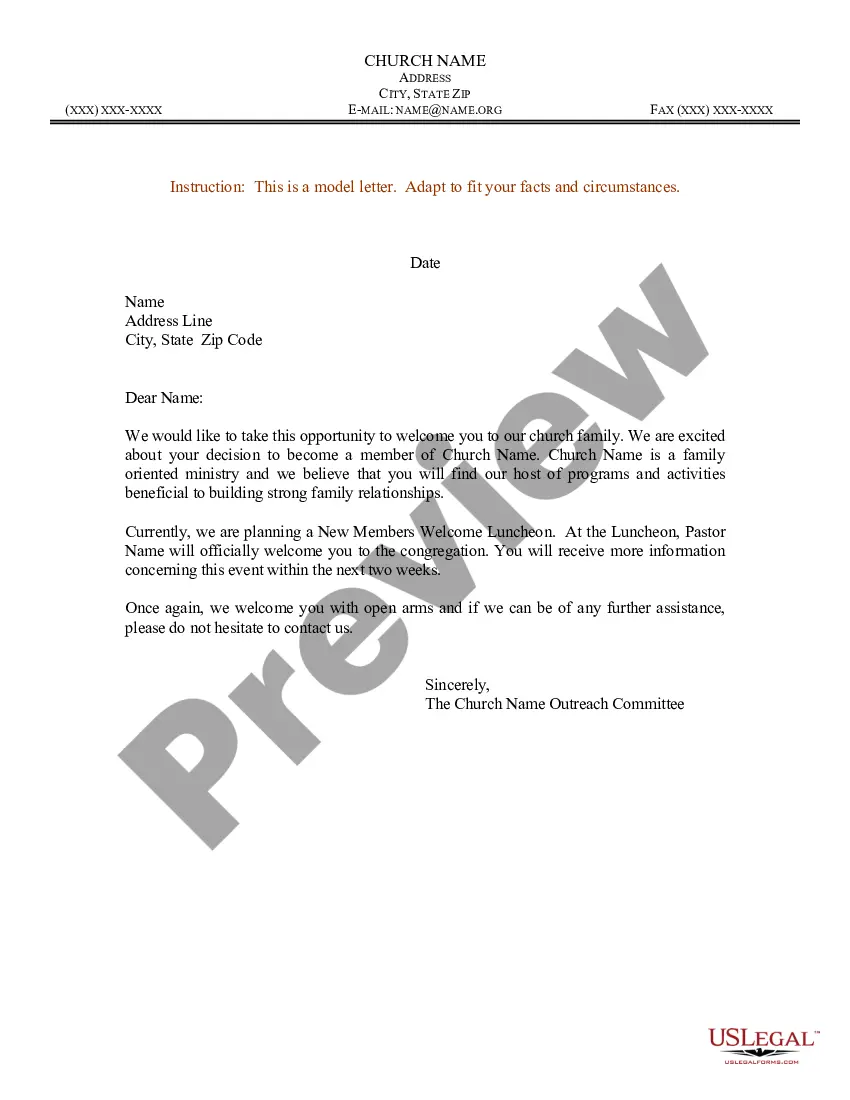
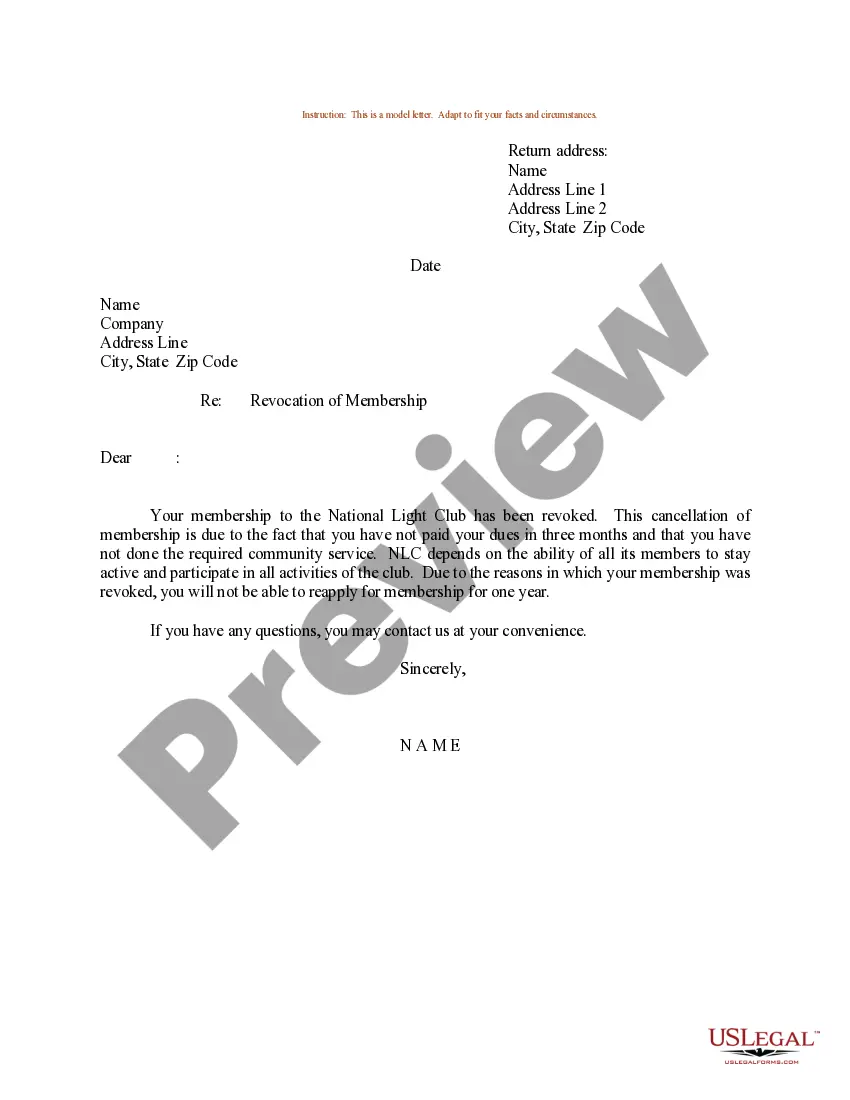
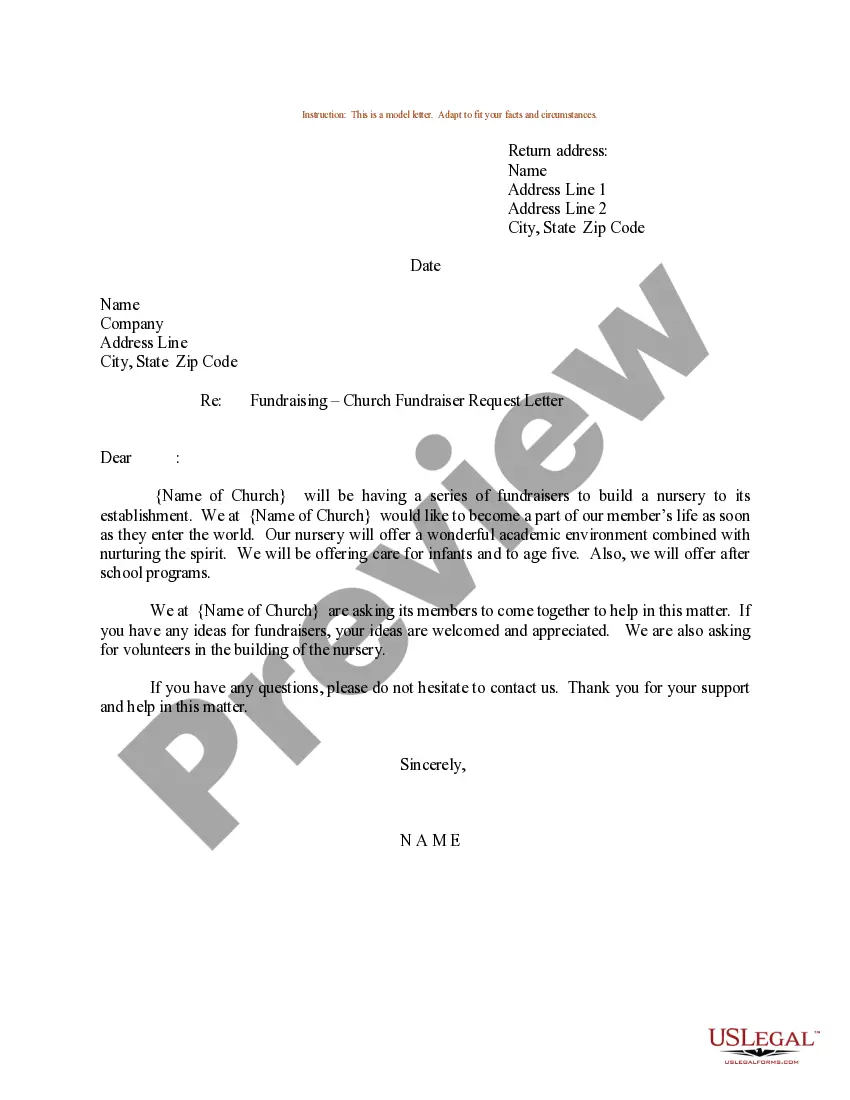
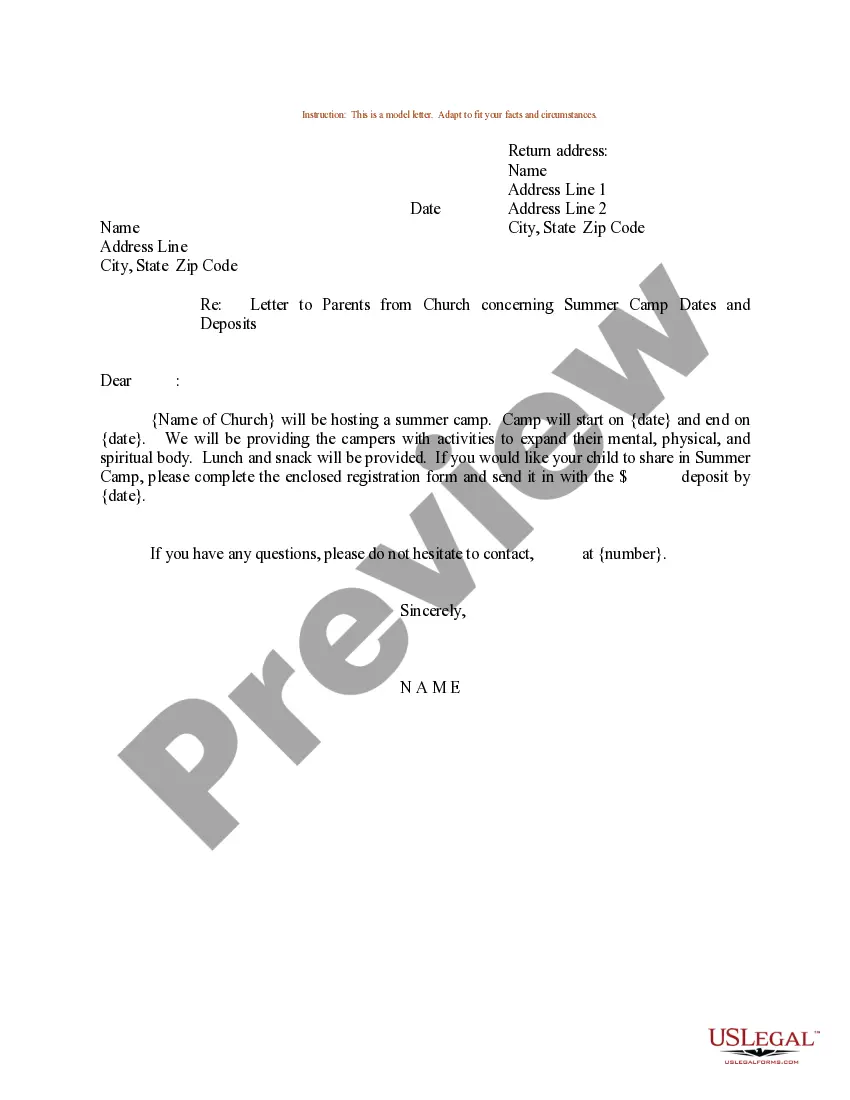
Get your form ready online
Our built-in tools help you complete, sign, share, and store your documents in one place.
Make edits, fill in missing information, and update formatting in US Legal Forms—just like you would in MS Word.
Download a copy, print it, send it by email, or mail it via USPS—whatever works best for your next step.
Sign and collect signatures with our SignNow integration. Send to multiple recipients, set reminders, and more. Go Premium to unlock E-Sign.
If this form requires notarization, complete it online through a secure video call—no need to meet a notary in person or wait for an appointment.
We protect your documents and personal data by following strict security and privacy standards.

Make edits, fill in missing information, and update formatting in US Legal Forms—just like you would in MS Word.

Download a copy, print it, send it by email, or mail it via USPS—whatever works best for your next step.

Sign and collect signatures with our SignNow integration. Send to multiple recipients, set reminders, and more. Go Premium to unlock E-Sign.

If this form requires notarization, complete it online through a secure video call—no need to meet a notary in person or wait for an appointment.

We protect your documents and personal data by following strict security and privacy standards.
Looking for another form?








Form popularity
FAQ
The probate process is initiated with the presenting of the original Will together with a certified copy of the death certificate and list of heirs at law to the Surrogate by the named executor.
The Process of Probating a Last Will The Executor named in the Will must file a Complaint in Superior Court asking the Probate Judge to issue an order permitting the probate of the Will's copy. In support of the application, the named Executor must explain what efforts he or she made to locate the original Will.
In New Jersey, the executor must file the original will for probate with the Surrogate of the county in which the decedent resided at the time of his or her death. Only an original Will can be admitted to probate without involving a judge of the Superior Court of New Jersey.
Handling probate without the assistance of an attorney comes with several risks. One significant risk is not being familiar with all the legal requirements and deadlines associated with the probate process.
The Surrogate's Court will issue Short Certificates (Letters Testamentary) to the executor, which the executor will use to obtain access to the decedent's estate assets. The executor will then distribute the assets pursuant to the terms of the will.
Letters Testamentary will usually be issued to the executor during the executor's initial meeting with the surrogate. During that meeting the executor must be prepared to give the names, addresses, and relationship to the decedent, of the beneficiaries named in the Will.
“Next of kin” as used in the New Jersey probate statutes does not merely mean the closest relatives of the decedent, but all of decedent's relatives entitled under the statute of descent and distribution to share in the decedent's estate. In re Estate of Mellet, 108 N.J. Super. 181.
Defendants must file a written answer to the complaint within 35 days of the date shown on the summons.

