Sample Membership Letters For Business In Miami-Dade
Description

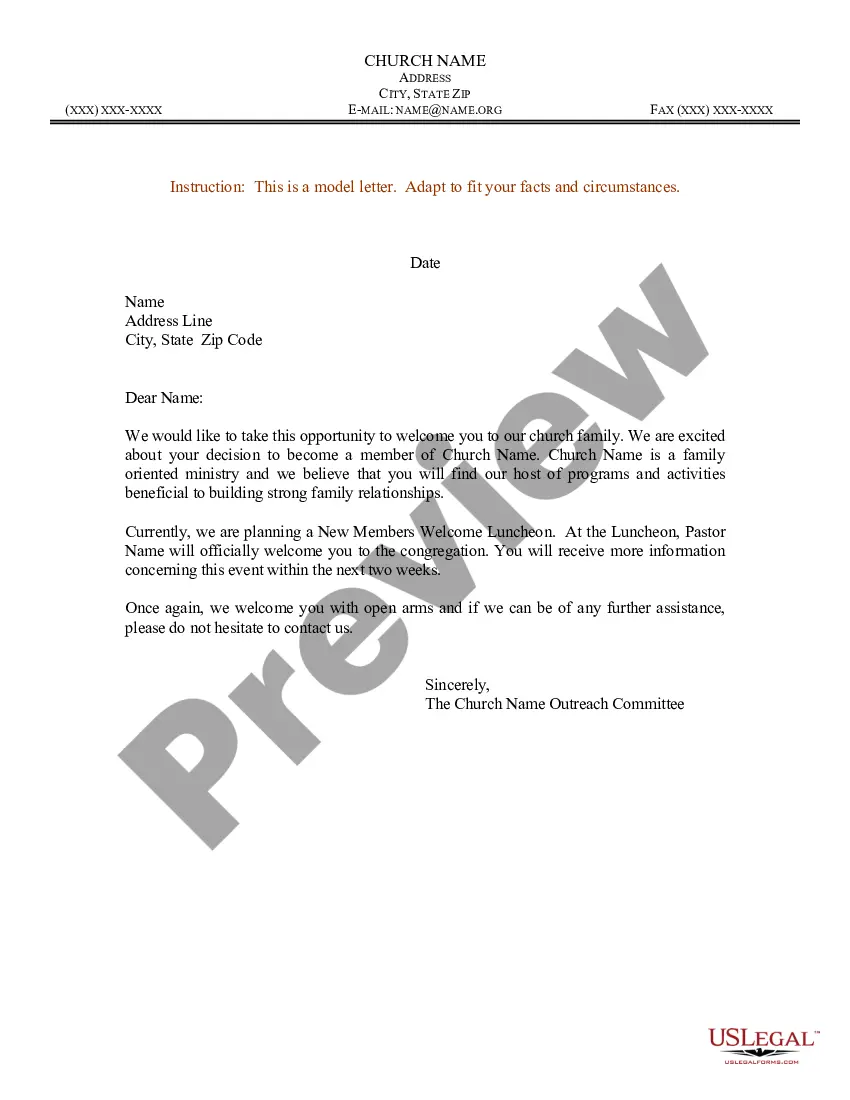
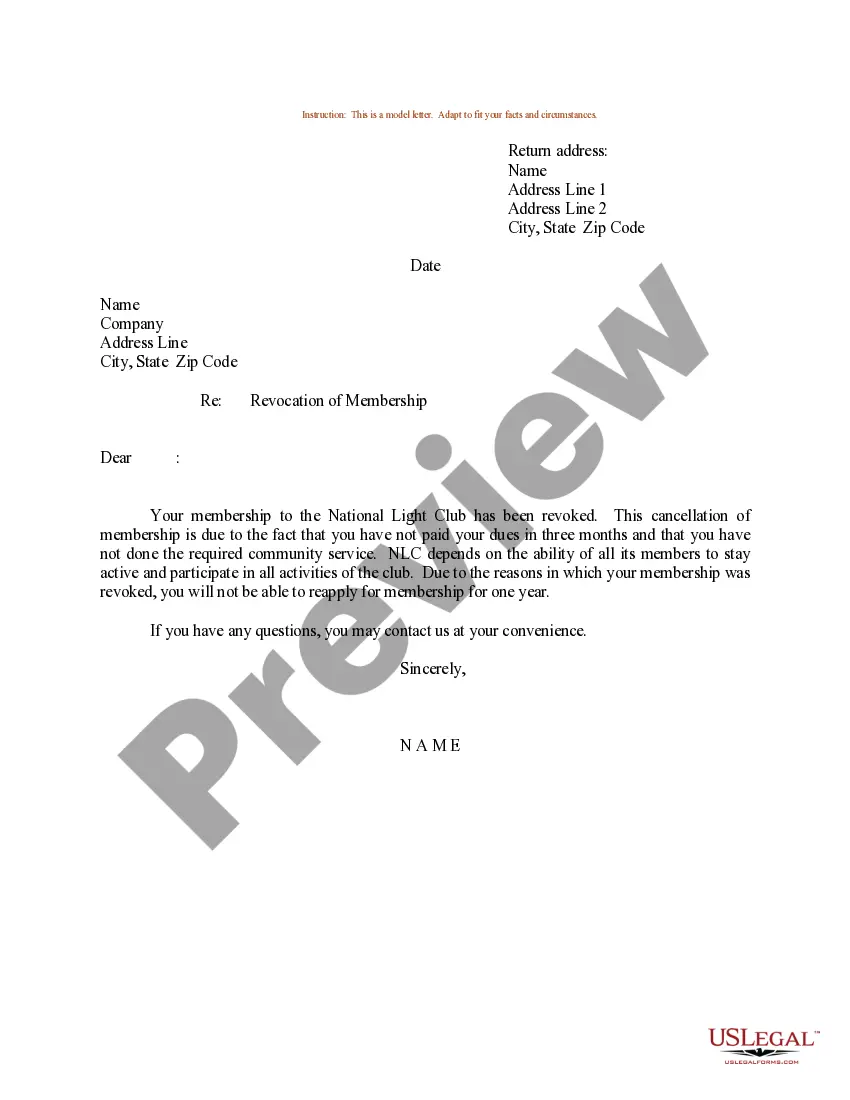
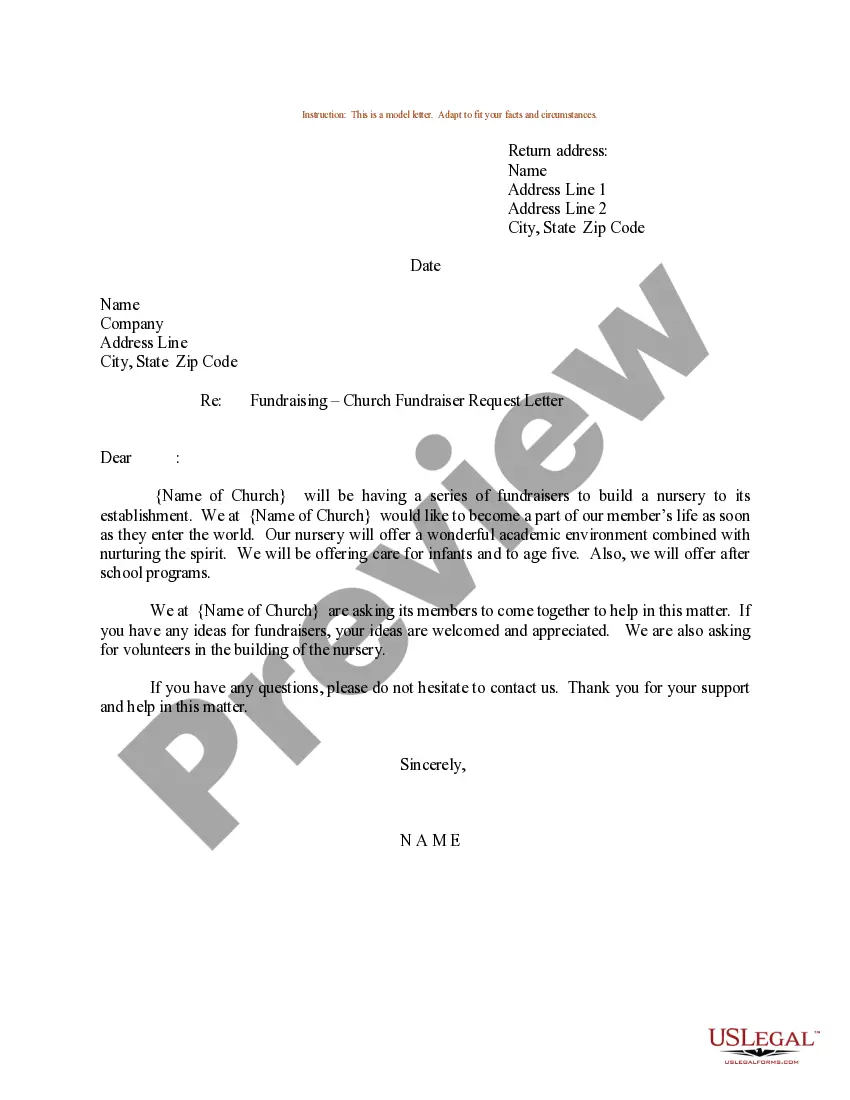
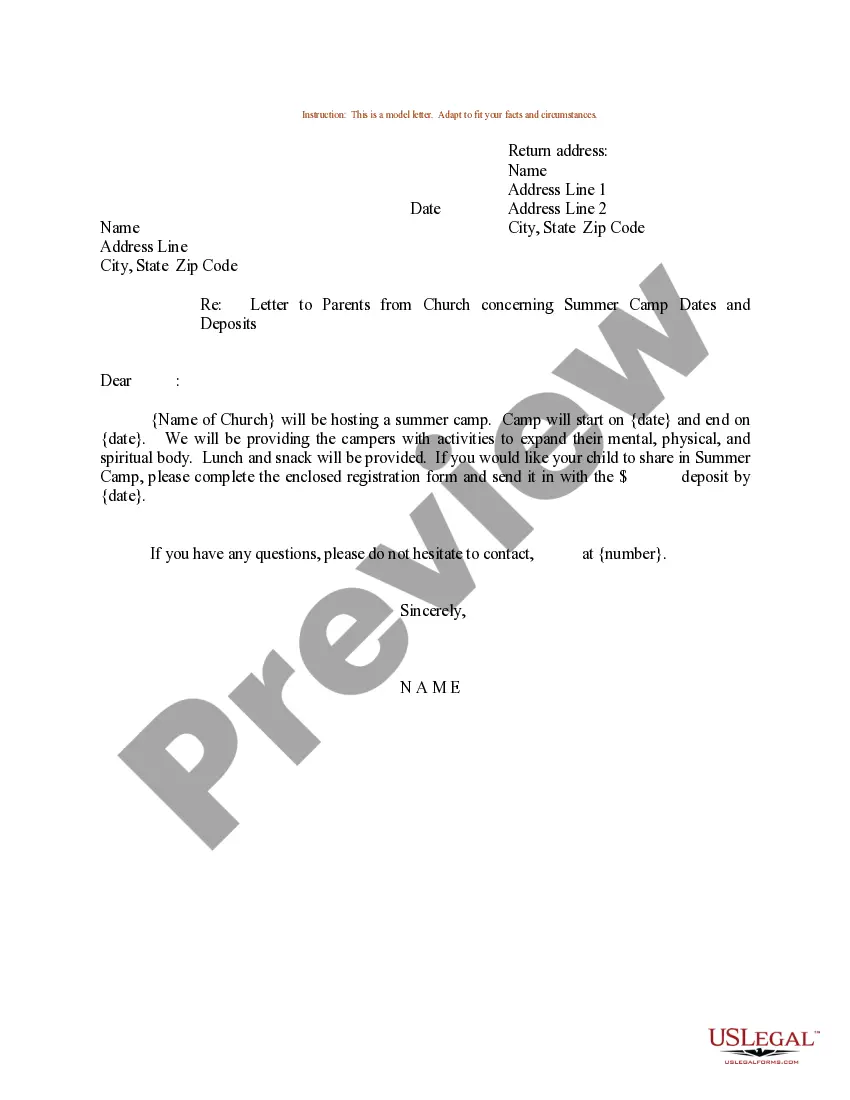
Get your form ready online
Our built-in tools help you complete, sign, share, and store your documents in one place.
Make edits, fill in missing information, and update formatting in US Legal Forms—just like you would in MS Word.
Download a copy, print it, send it by email, or mail it via USPS—whatever works best for your next step.
Sign and collect signatures with our SignNow integration. Send to multiple recipients, set reminders, and more. Go Premium to unlock E-Sign.
If this form requires notarization, complete it online through a secure video call—no need to meet a notary in person or wait for an appointment.
We protect your documents and personal data by following strict security and privacy standards.

Make edits, fill in missing information, and update formatting in US Legal Forms—just like you would in MS Word.

Download a copy, print it, send it by email, or mail it via USPS—whatever works best for your next step.

Sign and collect signatures with our SignNow integration. Send to multiple recipients, set reminders, and more. Go Premium to unlock E-Sign.

If this form requires notarization, complete it online through a secure video call—no need to meet a notary in person or wait for an appointment.

We protect your documents and personal data by following strict security and privacy standards.
Looking for another form?







Form popularity
FAQ
In order to receive a CO, the following must exist for the job: All final inspections have been completed with a "pass" disposition, including fire if applicable. All trade sub-permits, as well as other affiliated permits on the job, must be finaled.
How do I obtain a CO/CC? Once your final inspection has been approved and the applicable completion holds satisfied, you may apply, print or view certificates online at Certificate of Occupancy/Completion. Check applicable inspections and completion holds using your Permit Card and/or the Building permit records menu.
A Certificate of Use is a use permitted under a zoning district only if the use meets the criteria set forth in Sections 3-11 of the code. A Certificate of Use request is always accompanied by an official application, site plan, traffic analysis, and other supporting documentation.
In some municipalities, this means having a certificate of occupancy (often abbreviated to CO). Effectively, it's a special permit legally declaring that a property is habitable and meets all code and usage requirements.
Florida requires CONs within three broad categories—beds outside hospitals, facilities and services. In 2019, Florida passed sweeping CON law reforms and eliminated many of its CON requirements. Post-reform, Florida maintains 11 CON requirements.

