Sample Membership Letters With Two Signatures In Maryland
Description

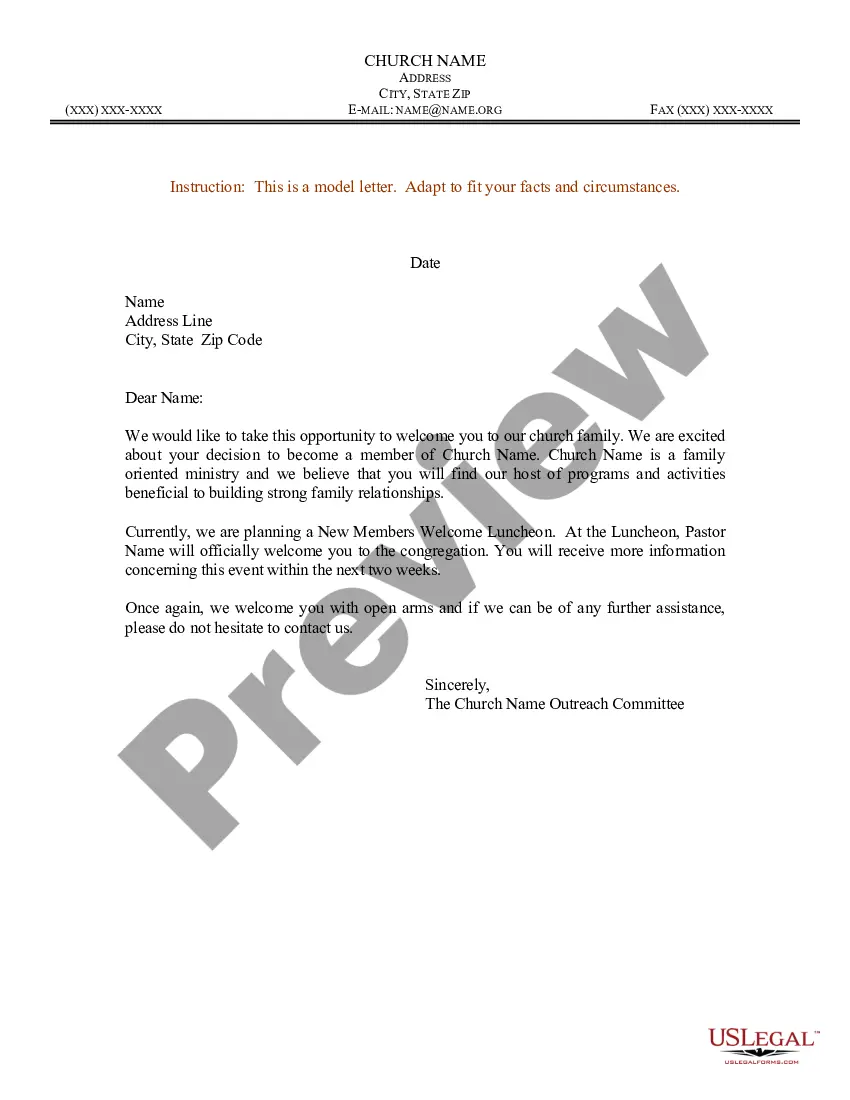
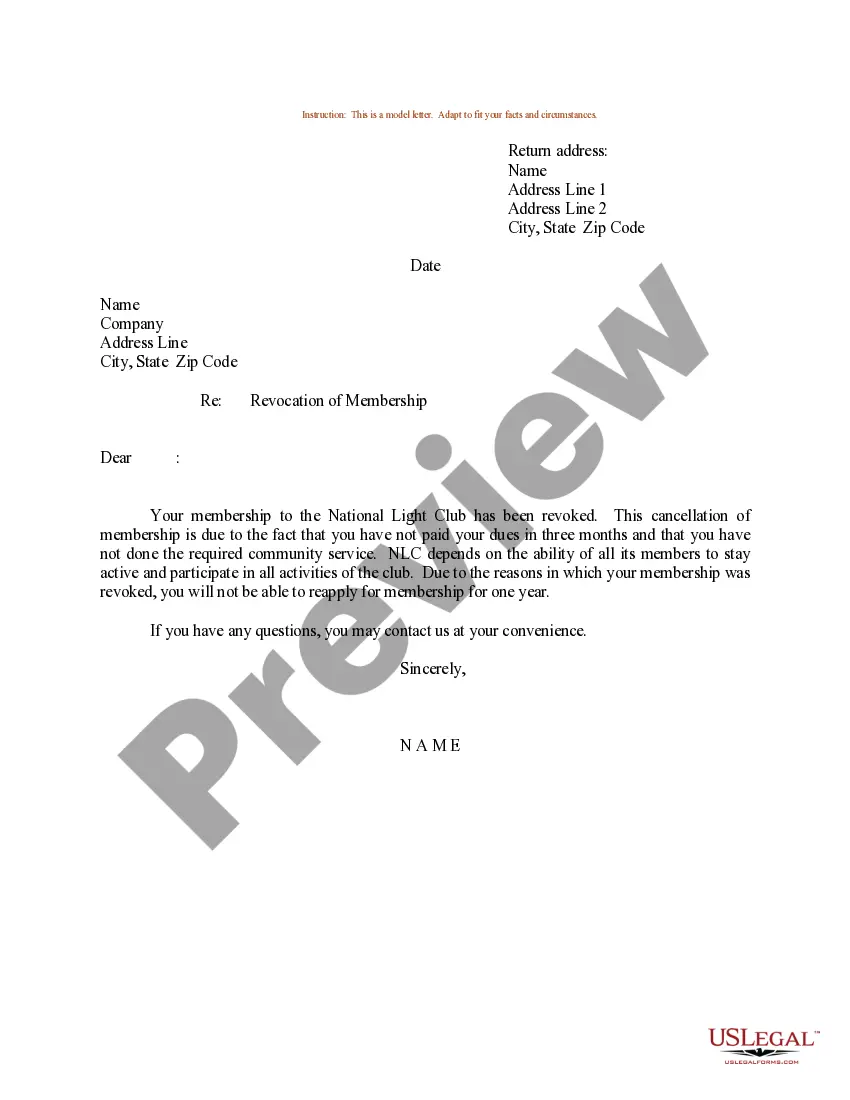
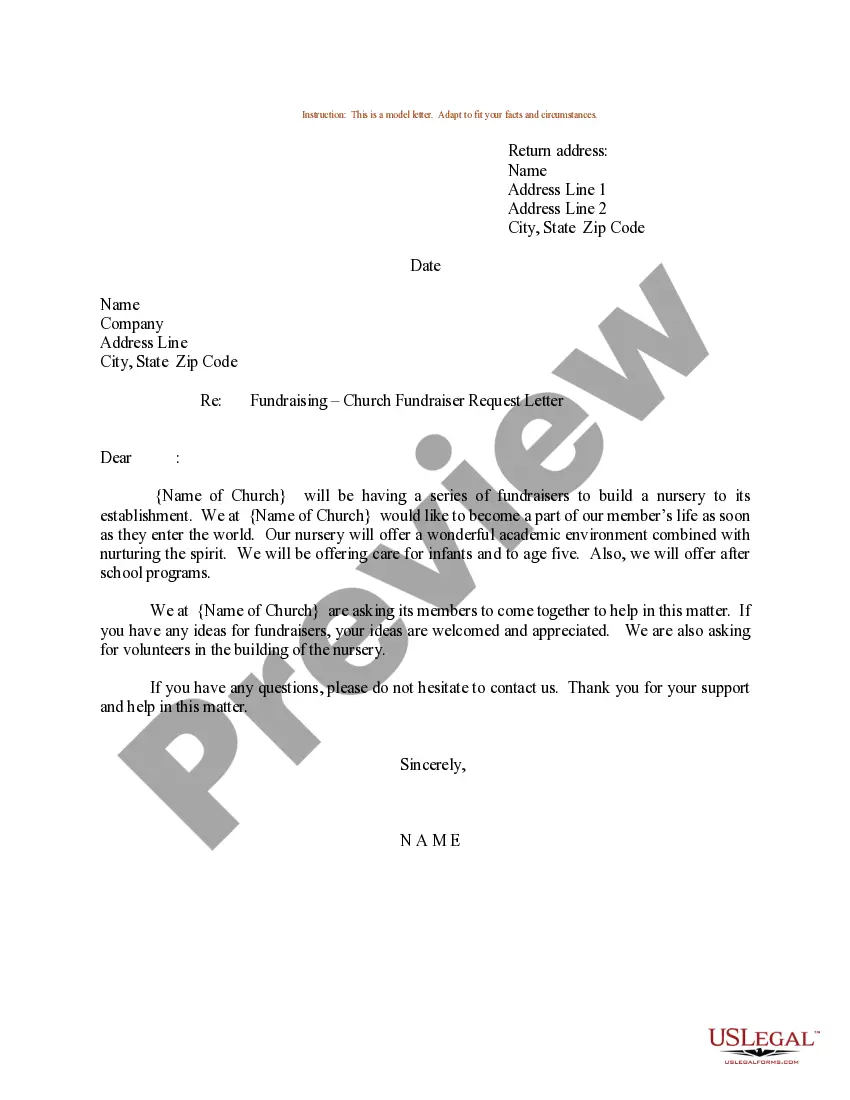
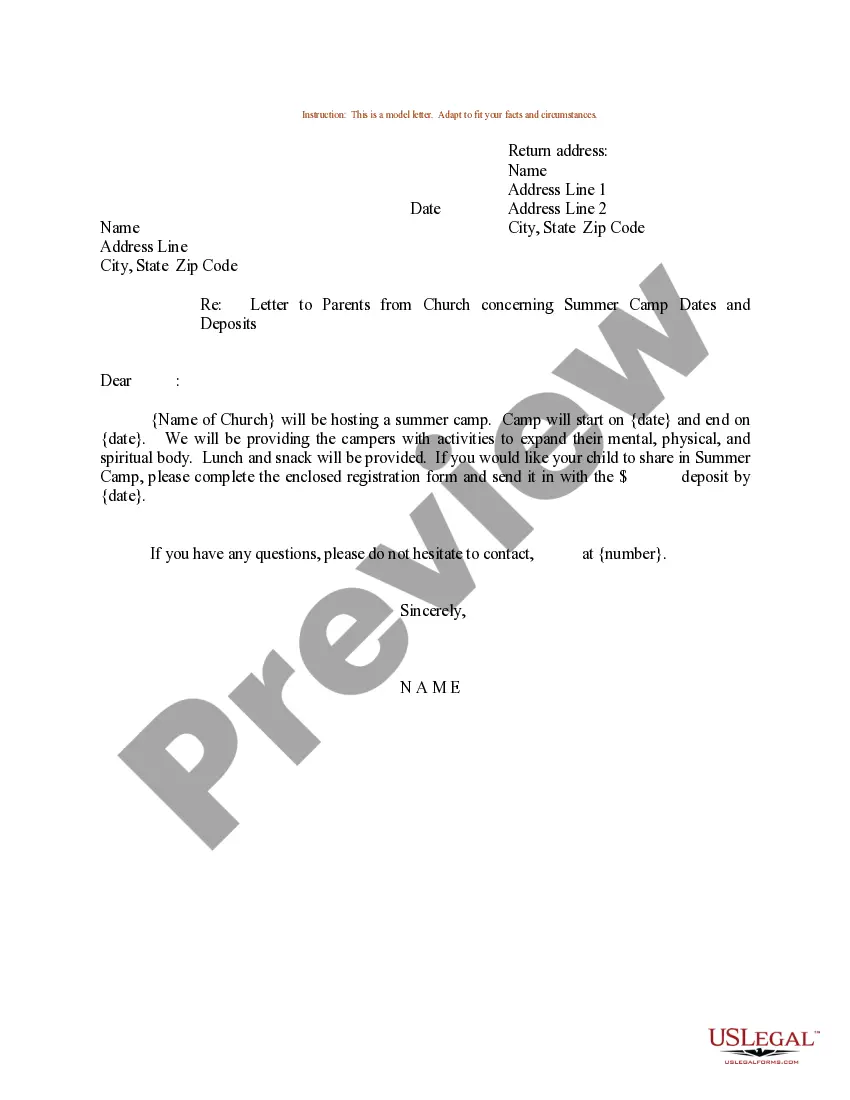
Get your form ready online
Our built-in tools help you complete, sign, share, and store your documents in one place.
Make edits, fill in missing information, and update formatting in US Legal Forms—just like you would in MS Word.
Download a copy, print it, send it by email, or mail it via USPS—whatever works best for your next step.
Sign and collect signatures with our SignNow integration. Send to multiple recipients, set reminders, and more. Go Premium to unlock E-Sign.
If this form requires notarization, complete it online through a secure video call—no need to meet a notary in person or wait for an appointment.
We protect your documents and personal data by following strict security and privacy standards.

Make edits, fill in missing information, and update formatting in US Legal Forms—just like you would in MS Word.

Download a copy, print it, send it by email, or mail it via USPS—whatever works best for your next step.

Sign and collect signatures with our SignNow integration. Send to multiple recipients, set reminders, and more. Go Premium to unlock E-Sign.

If this form requires notarization, complete it online through a secure video call—no need to meet a notary in person or wait for an appointment.

We protect your documents and personal data by following strict security and privacy standards.
Looking for another form?









Form popularity
FAQ
In a business letter, write the first person's name, then a comma, then their title at the company after the comma. On a new line, write the next person's name, title, and so on. Include all names, if possible. If you're sending the letter to one address, try to include all names.
Initials and abbreviations are a common type of signature that involves using just your first and last initials, or a combination of letters, to sign a document. This type of signature is often used in informal documents, such as emails or personal letters.
Yes, it's perfectly acceptable to have two versions of your signature, one messy and one neat. Many people develop different signatures for various contexts. A neat signature might be used for formal documents, while a more casual or ``messy'' version could be used for everyday purposes.
You can create two sections for signatures below your valediction. Leave a space for the first person's signature and put their name and job title directly underneath this space. Repeat the process for the second person's name. Print your document and have each individual sign their name in the empty space.
In brief, yes.
Multiple signatures helps you further safeguard your business and gives you peace of mind that you and your clients are protected.
The same witness may witness each individual signature. However, each signature should be separately attested, unless it's absolutely clear by express wording on the face of the attestation that the witness is witnessing both or all signatures in the presence of the named signatories.
If you know all the recipients: Use the phrase "Dear Name" followed by a comma, and then list all the names separated by commas. For example, "Dear John, Jane, and Mark,". If you don't know all the recipients: Use a more general greeting, such as "Dear Team," or "Dear Colleagues,".
In all instances, if both names cannot fit on one line, write them on two separate lines without the "and" (whomever you're closer to can be listed first, or it's common to list same-gender couples alphabetically by last name). (Ms. Emily Wood and Mr. George Swan or Ms.
