Sample Membership Letters For Her In Maryland
Description

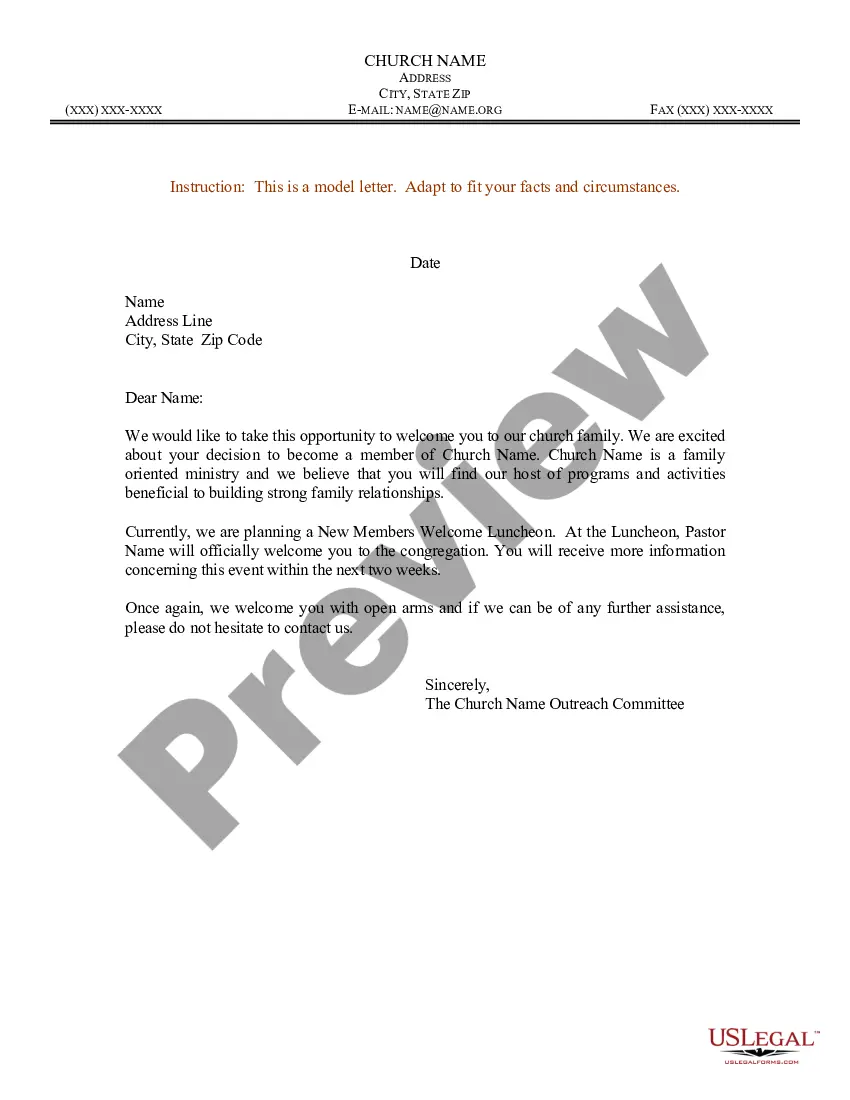
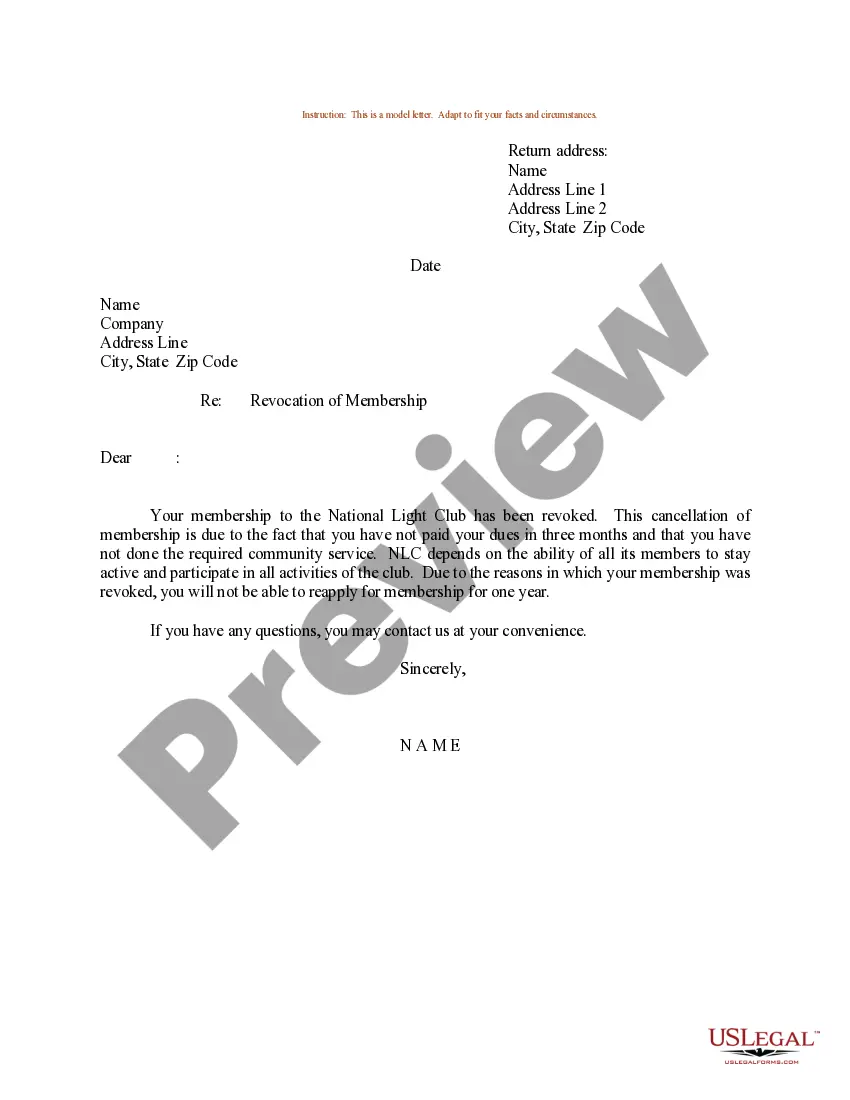
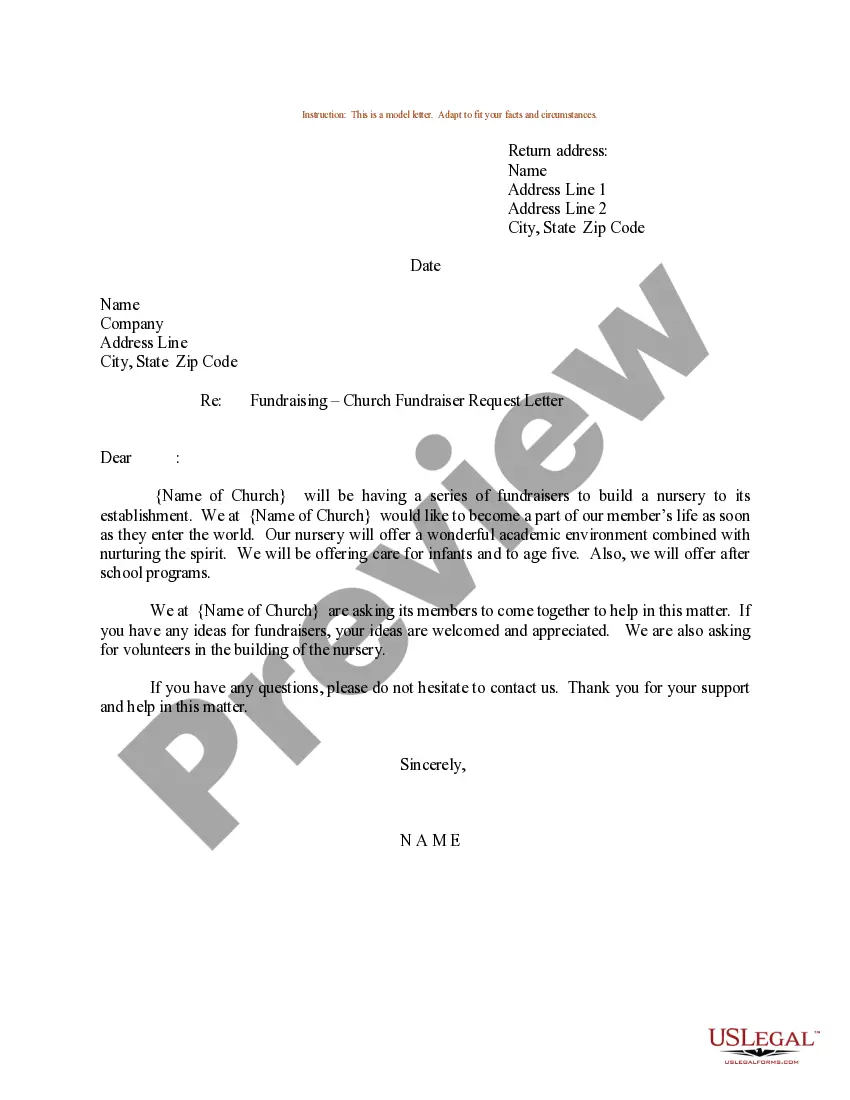
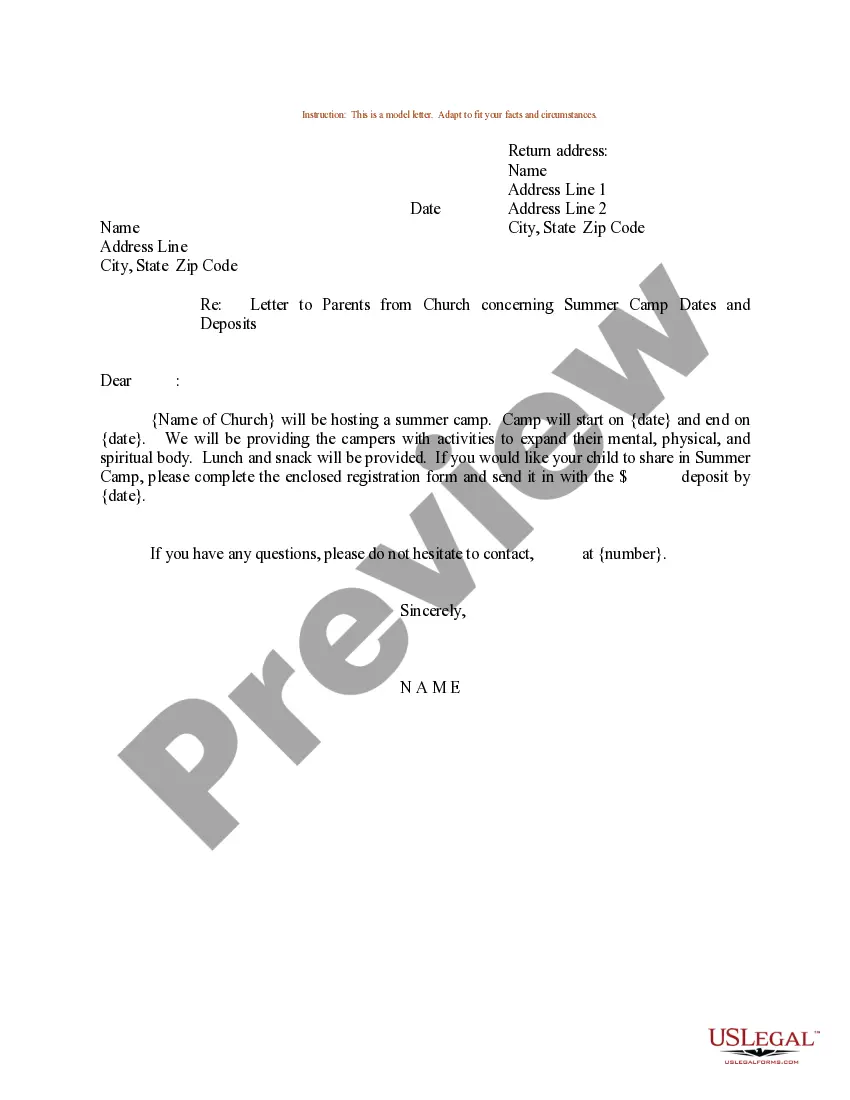
Get your form ready online
Our built-in tools help you complete, sign, share, and store your documents in one place.
Make edits, fill in missing information, and update formatting in US Legal Forms—just like you would in MS Word.
Download a copy, print it, send it by email, or mail it via USPS—whatever works best for your next step.
Sign and collect signatures with our SignNow integration. Send to multiple recipients, set reminders, and more. Go Premium to unlock E-Sign.
If this form requires notarization, complete it online through a secure video call—no need to meet a notary in person or wait for an appointment.
We protect your documents and personal data by following strict security and privacy standards.

Make edits, fill in missing information, and update formatting in US Legal Forms—just like you would in MS Word.

Download a copy, print it, send it by email, or mail it via USPS—whatever works best for your next step.

Sign and collect signatures with our SignNow integration. Send to multiple recipients, set reminders, and more. Go Premium to unlock E-Sign.

If this form requires notarization, complete it online through a secure video call—no need to meet a notary in person or wait for an appointment.

We protect your documents and personal data by following strict security and privacy standards.
Looking for another form?









Form popularity
FAQ
Tips for an Effective Character Letter To a Judge in California Understand the Purpose of a Character Letter. Use Specific Anecdotes Over General Praise. Address the Impact on the Defendant's Support Network. Maintain Respect For the Court. Respect the Judge's Time. Align Your Expectations with Reality.
Don't over think it. Just write plainly and keep it short and sweet. Use specific facts that you've observed and not just generalities. The judge isn't looking for the best prose from a literary genius. They just want the facts presented to them in some type of organized fashioned.
I appreciate your thoughtfulness, respect, and fairness throughout my trial. I was convicted of shoplifting, and I plan to own up to my actions and make amends for my mistakes. While I can't go back in time and reverse what I did, you can rest assured that this will never happen again.
Provide Reasons for Leniency The core of your letter should explain why you believe the judge should show leniency towards the defendant. Highlight the defendant's positive traits and contributions, such as: Their role in caring for and providing for their family. Good character traits or values they possess.
I have always found applicant to be trustworthy, hard working and intelligent. When we worked on example, applicant showed good communication skills and I could rely on them to take the initiative and to stay calm under pressure.
What Do You Write in a Membership Application Letter? The name of the person who wanted to apply for membership. The kind of membership that the individual wants to acquire. The name of the club, organization, or establishment that a person wants to be a member of. The qualifications of the person to be a member.
Focus on the message and key points. Personalize the letter by including examples of how the legislation might impact you and your family. Keep the letter brief – not more than one page. Restate your request at the end of the letter, for example urging them to support or oppose the bill.
Individuals. Individuals communicating with Congress can use the Find Your Representative feature on this website. It's located in the upper right corner of every page on House.
There are many ways to get in touch with members of Congress. For example, calling their offices, attending a town hall meeting, or sending a letter. Members of Congress want to hear from you. Letters, emails, and social media help Congress understand which issues are important to the people they serve.
For a Member of the House of Representatives, use the salutation "Dear Mr. or Ms." only; for U.S. Senators, use "Dear Senator (name);" and for the Speaker of the House, use "Dear Mr. or Madam Speaker." When a letter is to a Member in his or her capacity as chairperson of a committee or subcommittee, use "Dear Mr. or ...

