Sample Membership Letters With Thru In Los Angeles
Description


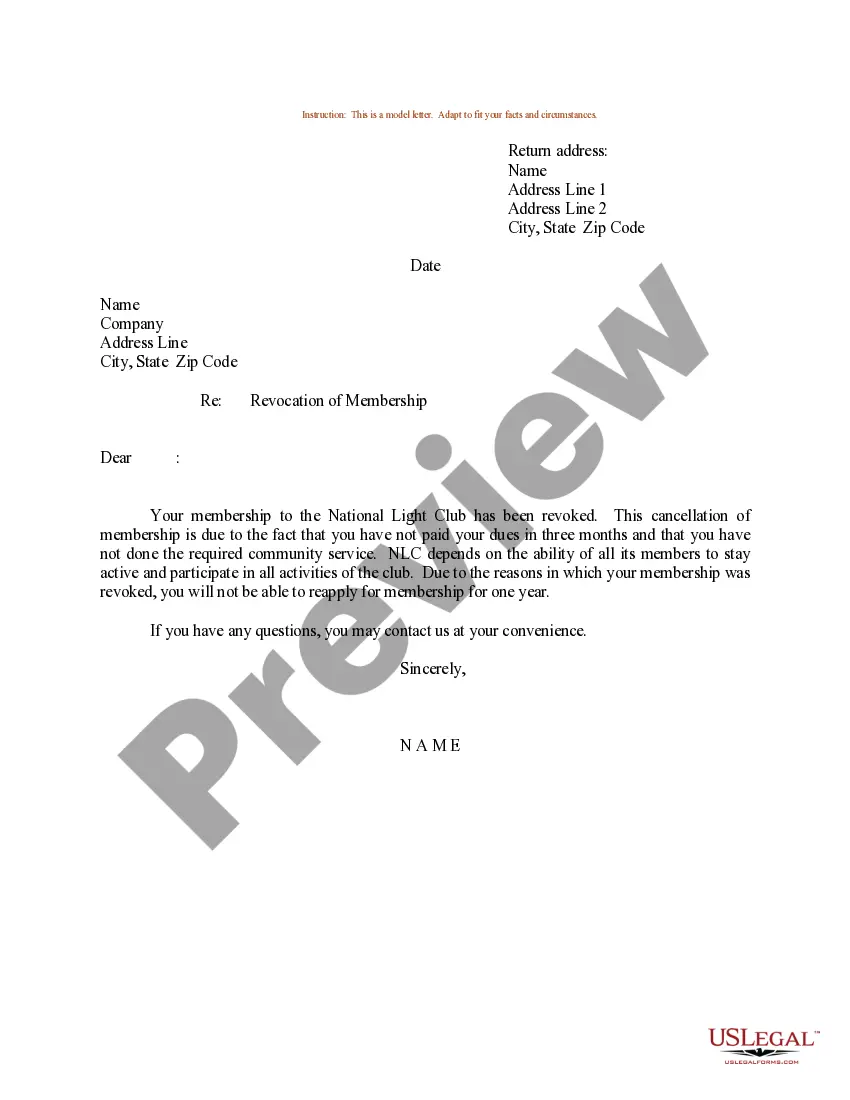
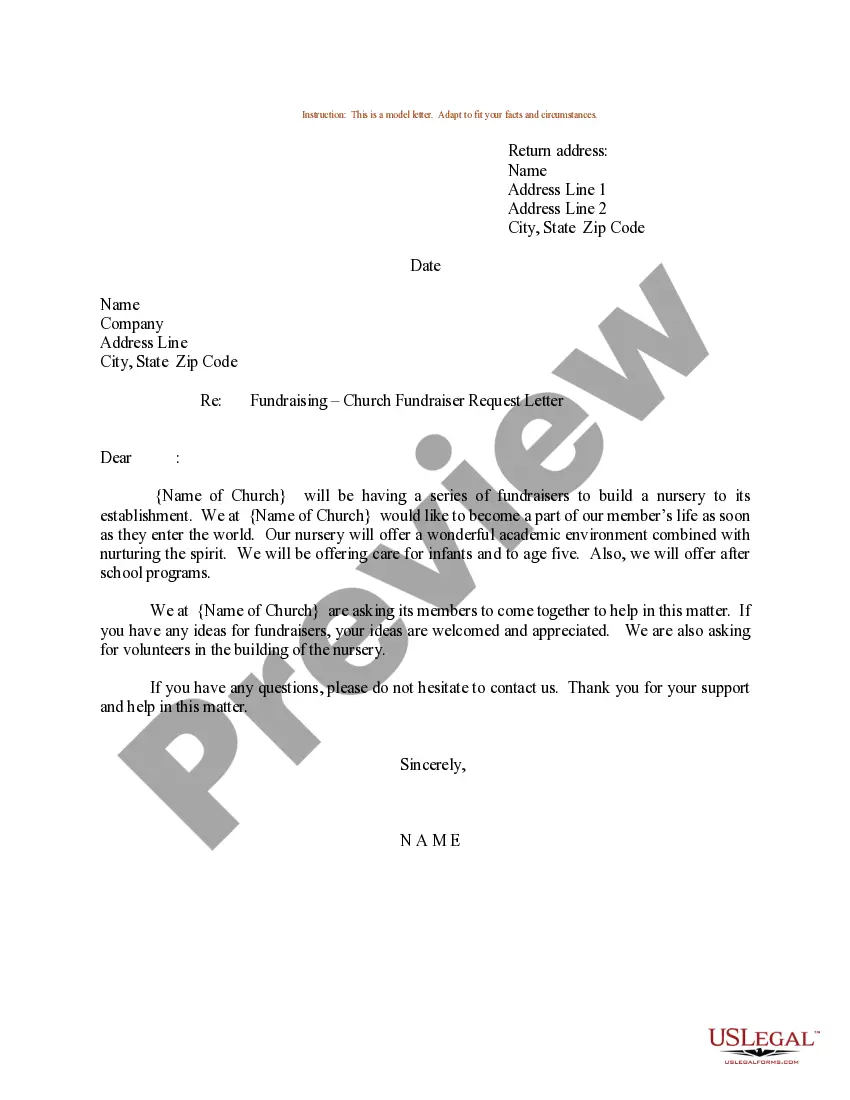
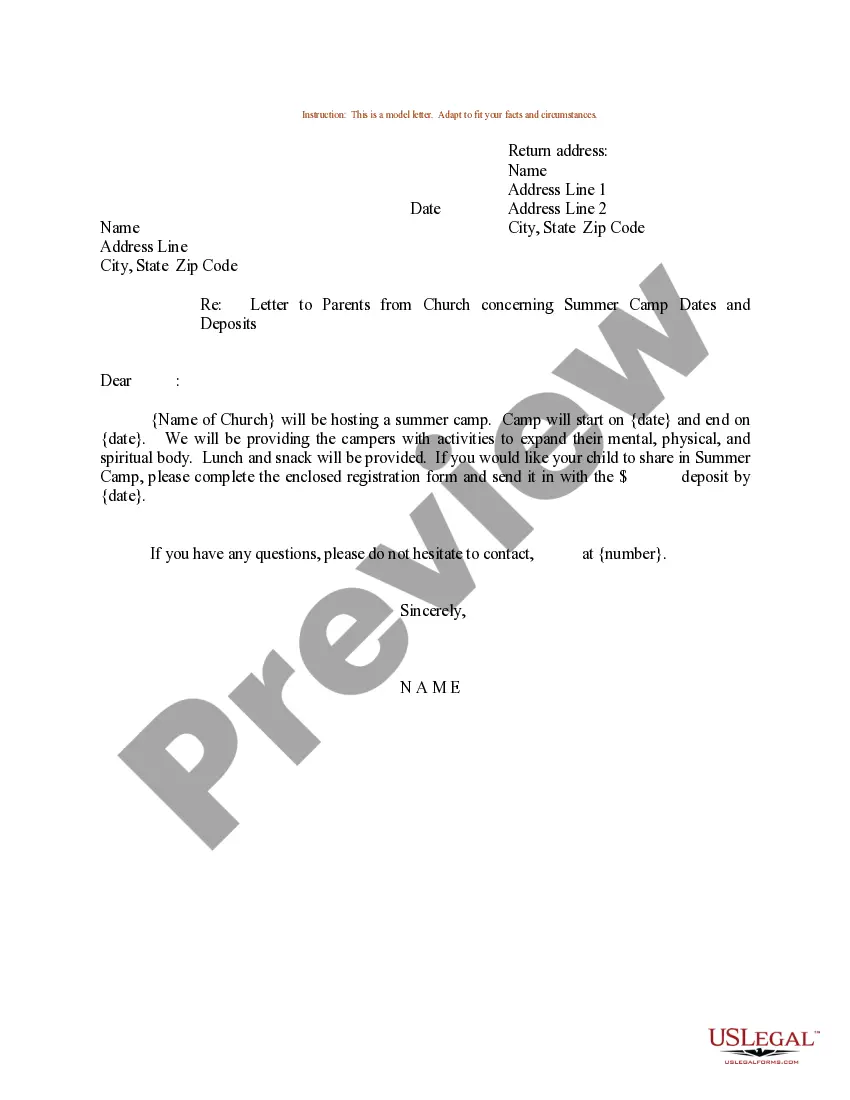
Get your form ready online
Our built-in tools help you complete, sign, share, and store your documents in one place.
Make edits, fill in missing information, and update formatting in US Legal Forms—just like you would in MS Word.
Download a copy, print it, send it by email, or mail it via USPS—whatever works best for your next step.
Sign and collect signatures with our SignNow integration. Send to multiple recipients, set reminders, and more. Go Premium to unlock E-Sign.
If this form requires notarization, complete it online through a secure video call—no need to meet a notary in person or wait for an appointment.
We protect your documents and personal data by following strict security and privacy standards.

Make edits, fill in missing information, and update formatting in US Legal Forms—just like you would in MS Word.

Download a copy, print it, send it by email, or mail it via USPS—whatever works best for your next step.

Sign and collect signatures with our SignNow integration. Send to multiple recipients, set reminders, and more. Go Premium to unlock E-Sign.

If this form requires notarization, complete it online through a secure video call—no need to meet a notary in person or wait for an appointment.

We protect your documents and personal data by following strict security and privacy standards.
Looking for another form?



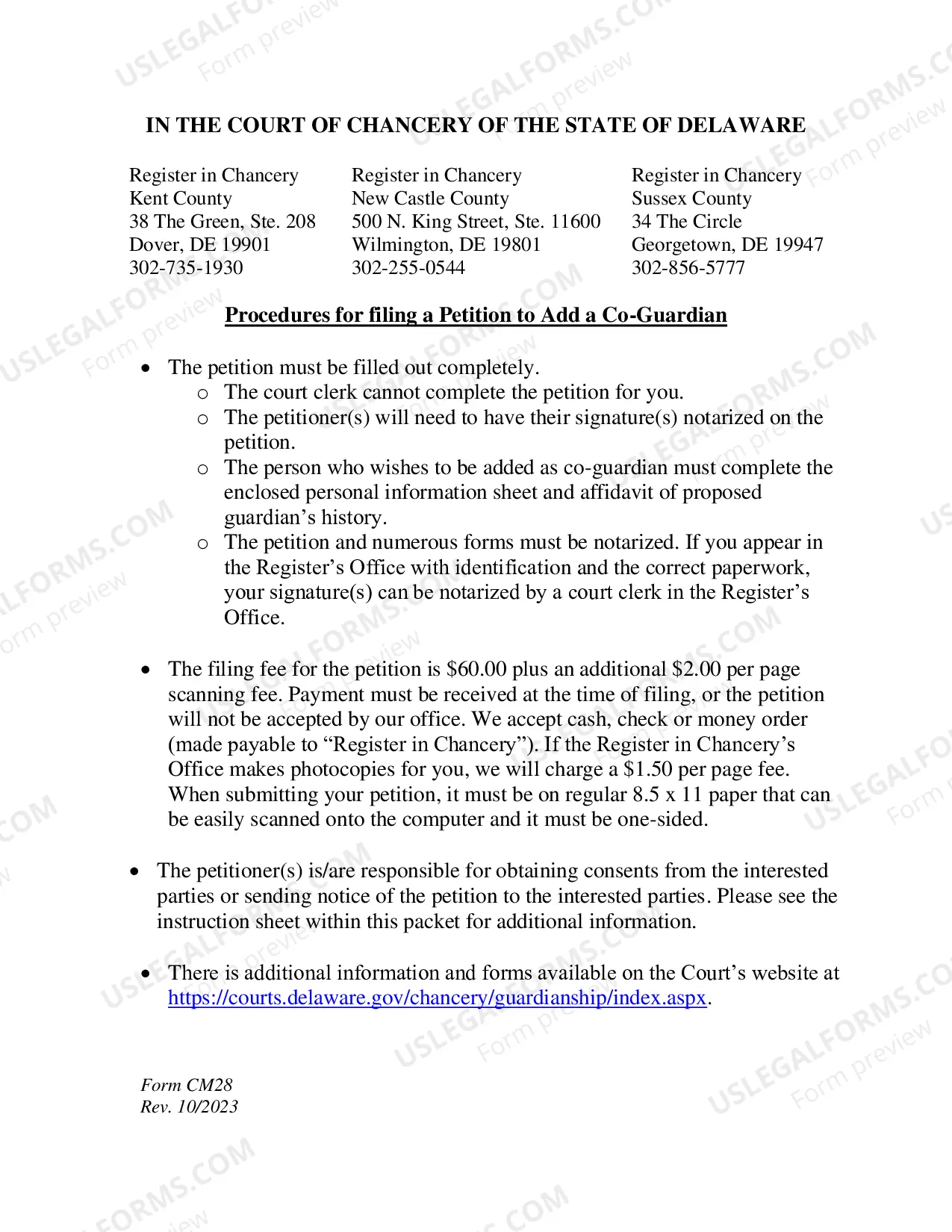


Form popularity
FAQ
Subscription: It is the last concluding part of the letter. The subscription is done right bottom of the letter. The letters which with begin Dear Sir or Dear Madam usually finish with Yours faithfully. Formal letters which begin with the person's name (e.g. Dear Susan Fernandez) usually finish with Yours sincerely.
In a formal letter, you can use "through" to indicate the means by which the letter is delivered or the person through whom it is sent. For example: "Dear Recipient's Name, I am writing to you through the recommendation of Person's Name, who suggested that I reach out to discuss topic."
THRU shall be used for a memorandum to be sent to officials and employees to let them be aware. ATTENTION shall be used to direct the letter to a particular person in an organization.
Instead, thru is an informal variant of through that is particularly common in the United States. An informal variant is a term used in informal situations but not recognized as acceptable by most language users.
Write a Perfect Welcome Letter to New Members with These 10 Tips 1) A Personalized Email and Recognizable Confirmation Subject Line. 2) Confirmation They Made the Right Decision. 3) A Brief Introduction to Your Organization. 4) Sprinkle in Member Benefits. 5) Links to Other Helpful Resources on Your Website.
Thru' is sometimes used as a written abbreviation for through. mainly US
Both words mean the same thing, but thru is a more modern spelling. Through should be used in formal writing, while thru is more appropriate in informal writing and when referring to “drive-thru” windows at restaurants or businesses.
Use a "THROUGH" line when the memorandum requires the attention or approval of another person or office.
Sample Format The term is set to lapse on Date. We have been extremely happy with our association and we would be interested in offering a renewal in the Agreement for a further term of weeks, months, years. Kindly confirm in writing to your acceptance or otherwise to this offer of extension.
What Do You Write in a Membership Application Letter? The name of the person who wanted to apply for membership. The kind of membership that the individual wants to acquire. The name of the club, organization, or establishment that a person wants to be a member of. The qualifications of the person to be a member.
