Vendor Agreement Form In Salt Lake
Description

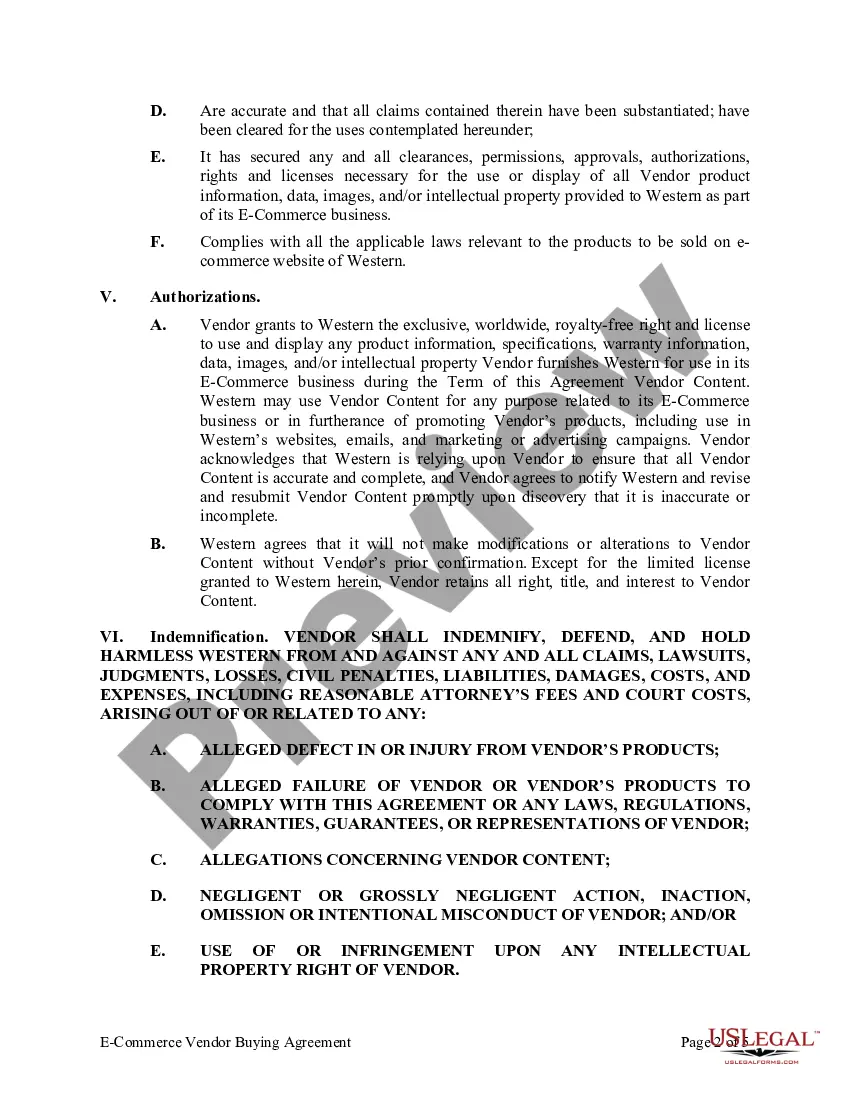
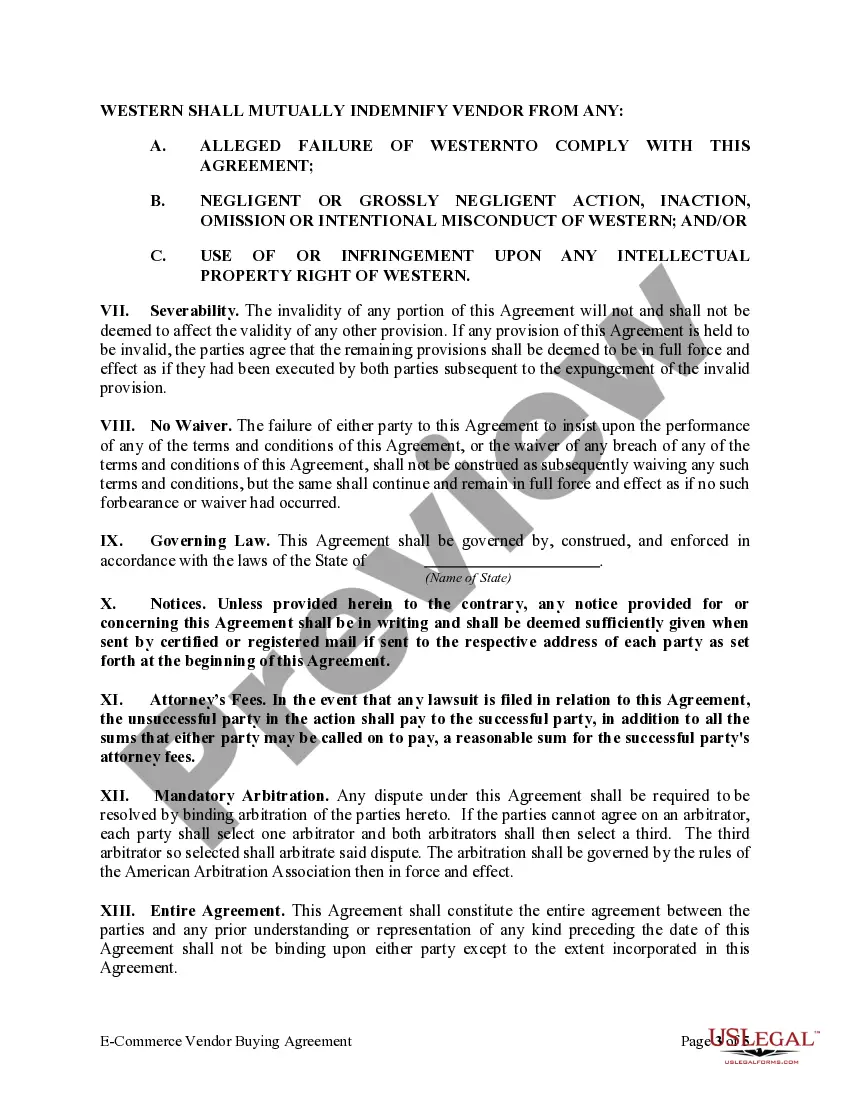
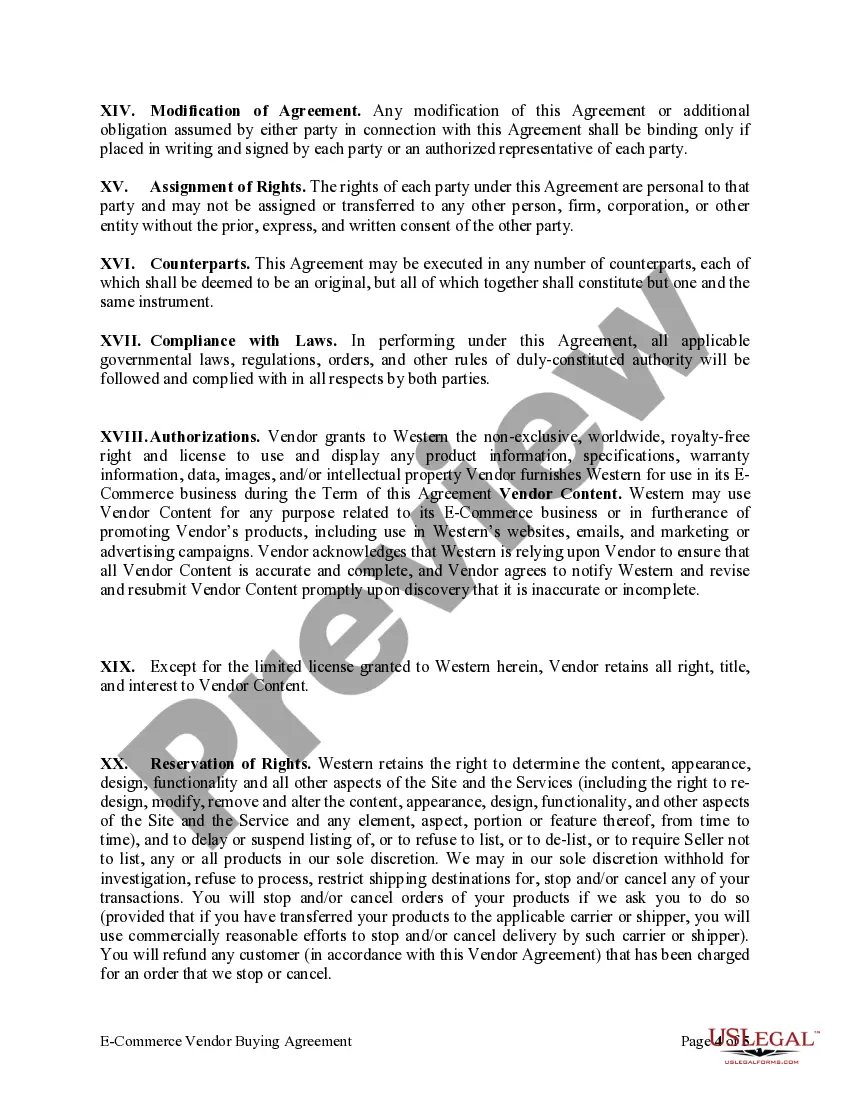
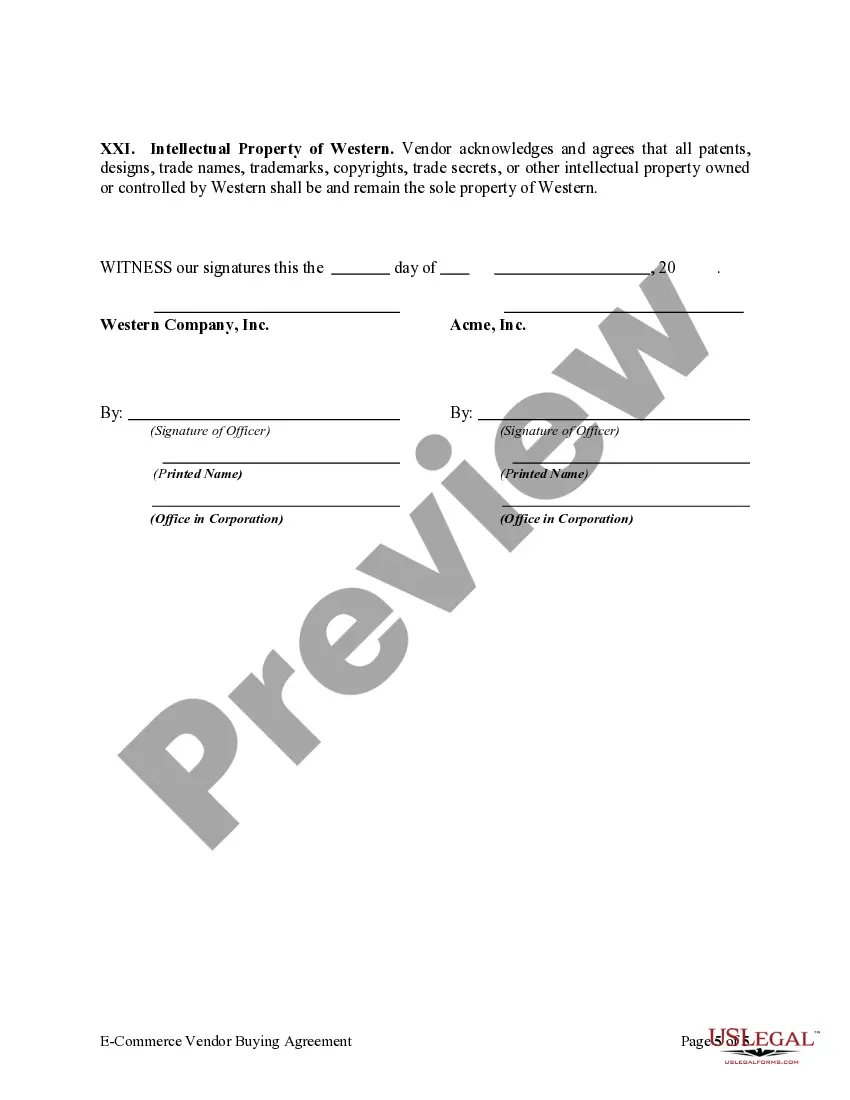

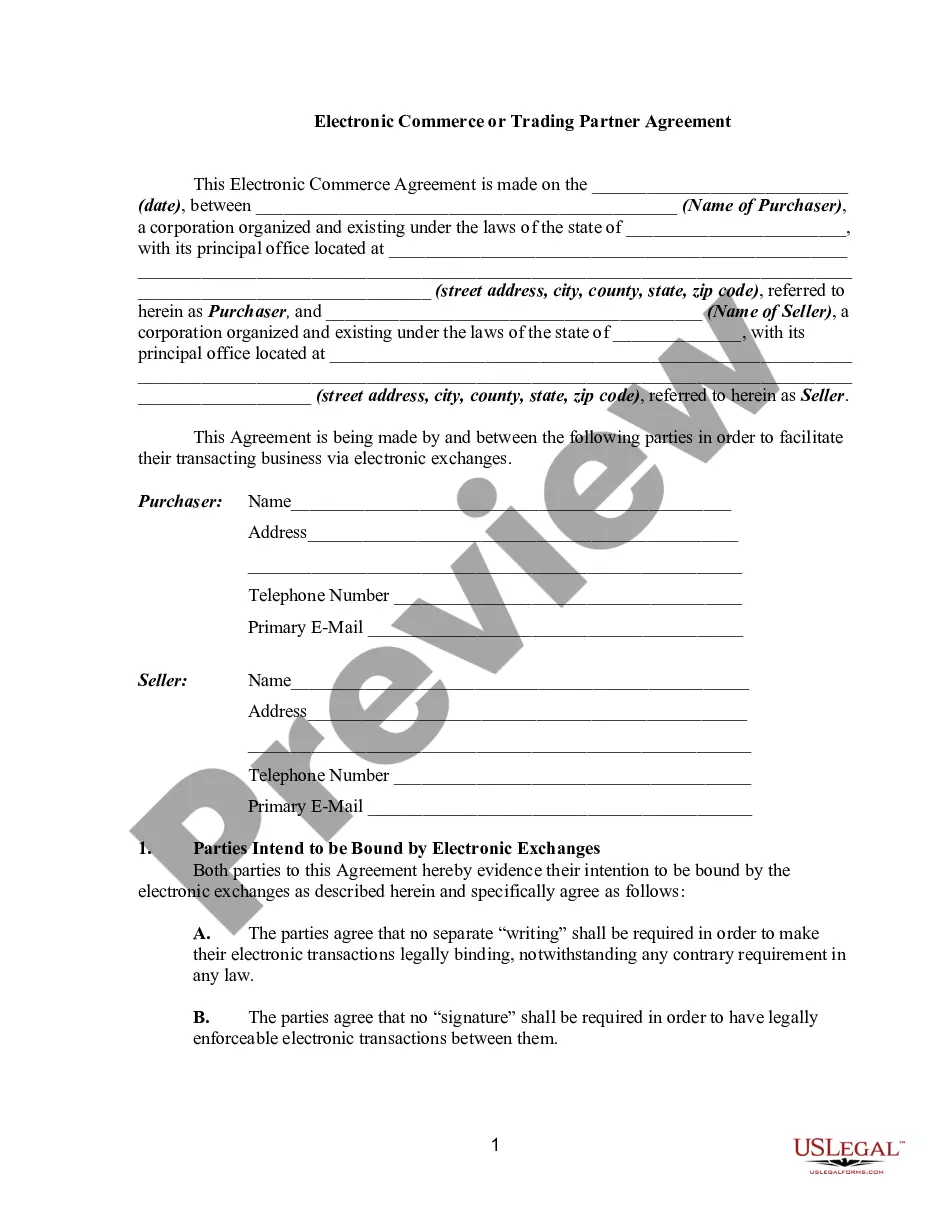
Get your form ready online
Our built-in tools help you complete, sign, share, and store your documents in one place.
Make edits, fill in missing information, and update formatting in US Legal Forms—just like you would in MS Word.
Download a copy, print it, send it by email, or mail it via USPS—whatever works best for your next step.
Sign and collect signatures with our SignNow integration. Send to multiple recipients, set reminders, and more. Go Premium to unlock E-Sign.
If this form requires notarization, complete it online through a secure video call—no need to meet a notary in person or wait for an appointment.
We protect your documents and personal data by following strict security and privacy standards.

Make edits, fill in missing information, and update formatting in US Legal Forms—just like you would in MS Word.

Download a copy, print it, send it by email, or mail it via USPS—whatever works best for your next step.

Sign and collect signatures with our SignNow integration. Send to multiple recipients, set reminders, and more. Go Premium to unlock E-Sign.

If this form requires notarization, complete it online through a secure video call—no need to meet a notary in person or wait for an appointment.

We protect your documents and personal data by following strict security and privacy standards.
Looking for another form?









Form popularity
FAQ
Who Is Responsible for Vendor Management? Ultimately, Senior Management and the Board of Directors are accountable for vendor risk management. Each person who deals with a vendor plays a significant part in making the wheels turn.
Regardless of organization type, one consistency is that contract managers are the primary individuals responsible for the creation and management of all contracts those organizations use. To successfully oversee contracts from drafting all the way to execution, contract managers need to be skilled in numerous areas.
The VMO is a dedicated department that is responsible for managing vendor relationships, contracts, and performance. It acts as the central point of contact for all vendor-related activities and ensures that all vendors are managed effectively and efficiently.
The VMO is a dedicated department that is responsible for managing vendor relationships, contracts, and performance. It acts as the central point of contact for all vendor-related activities and ensures that all vendors are managed effectively and efficiently.
Vendor compliance policies should be developed by a committee of merchants and personnel from inventory control, fulfillment, and accounting. The problems and solutions are all their responsibilities, so get their input from the start.
A vendor contract (otherwise known as a vendor agreement) is a business contract between two parties covering the exchange of goods or services in return for compensation. Vendor contracts establish the business relationship conditions and include details on each party's obligations under the contract.
A vendor contract (otherwise known as a vendor agreement) is a business contract between two parties covering the exchange of goods or services in return for compensation.
A vendor contract (otherwise known as a vendor agreement) is a business contract between two parties covering the exchange of goods or services in return for compensation.
A vendor management template helps businesses track and manage all their information related to vendors in one place. You can track contracts, payments, vendor requests, etc. with your team and make sure that there are no hiccups in the purchasing process.
Write the contract in six steps Start with a contract template. Open with the basic information. Describe in detail what you have agreed to. Include a description of how the contract will be ended. Write into the contract which laws apply and how disputes will be resolved. Include space for signatures.
