Vendor Agreement For Services In Kings
Description
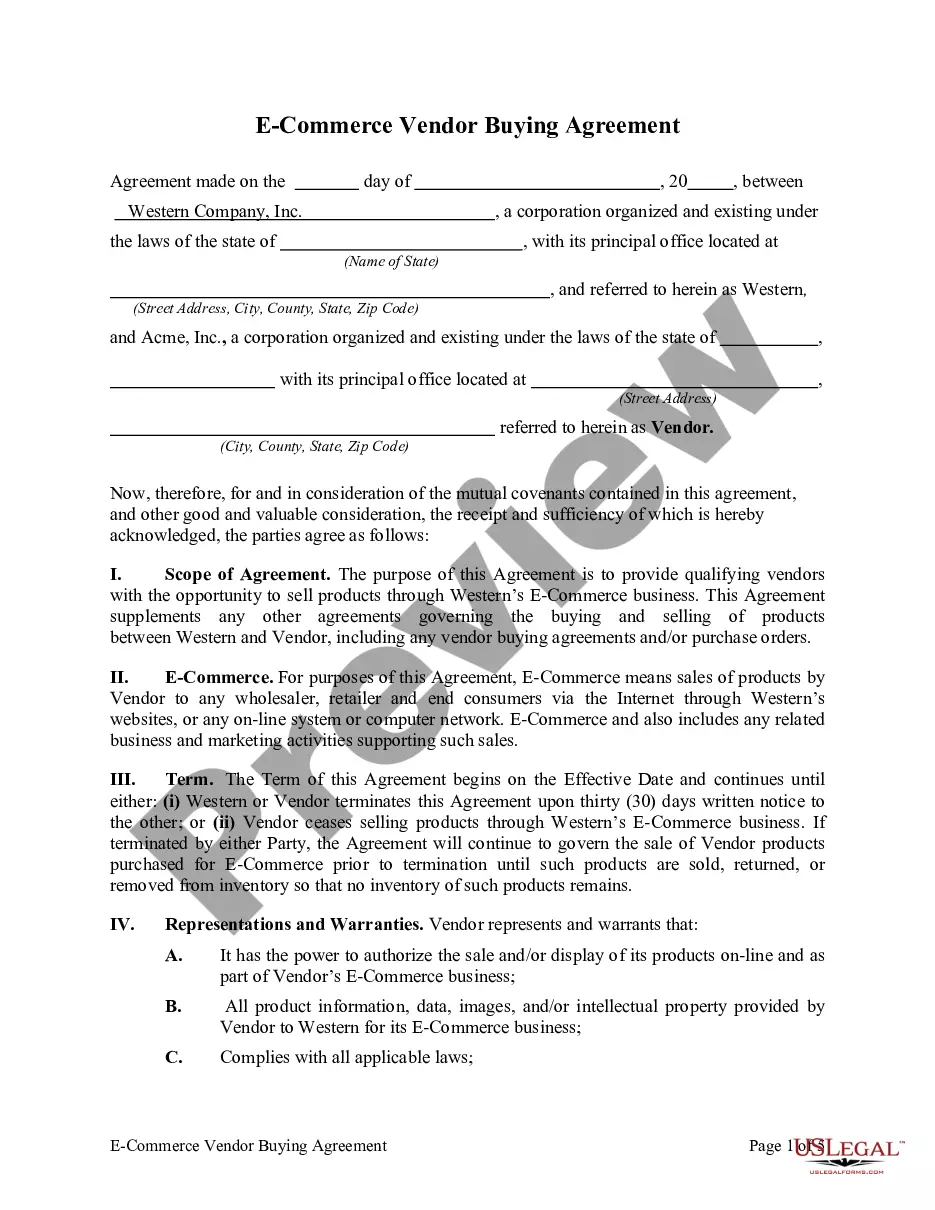
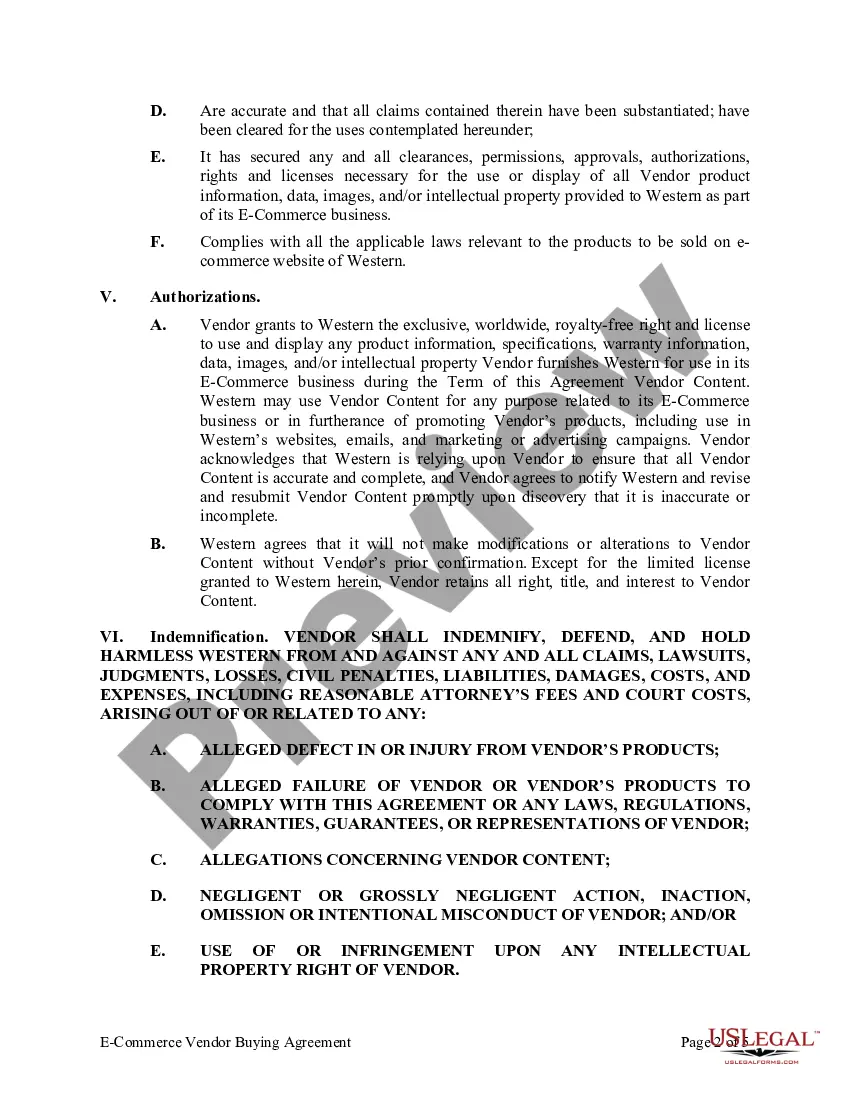
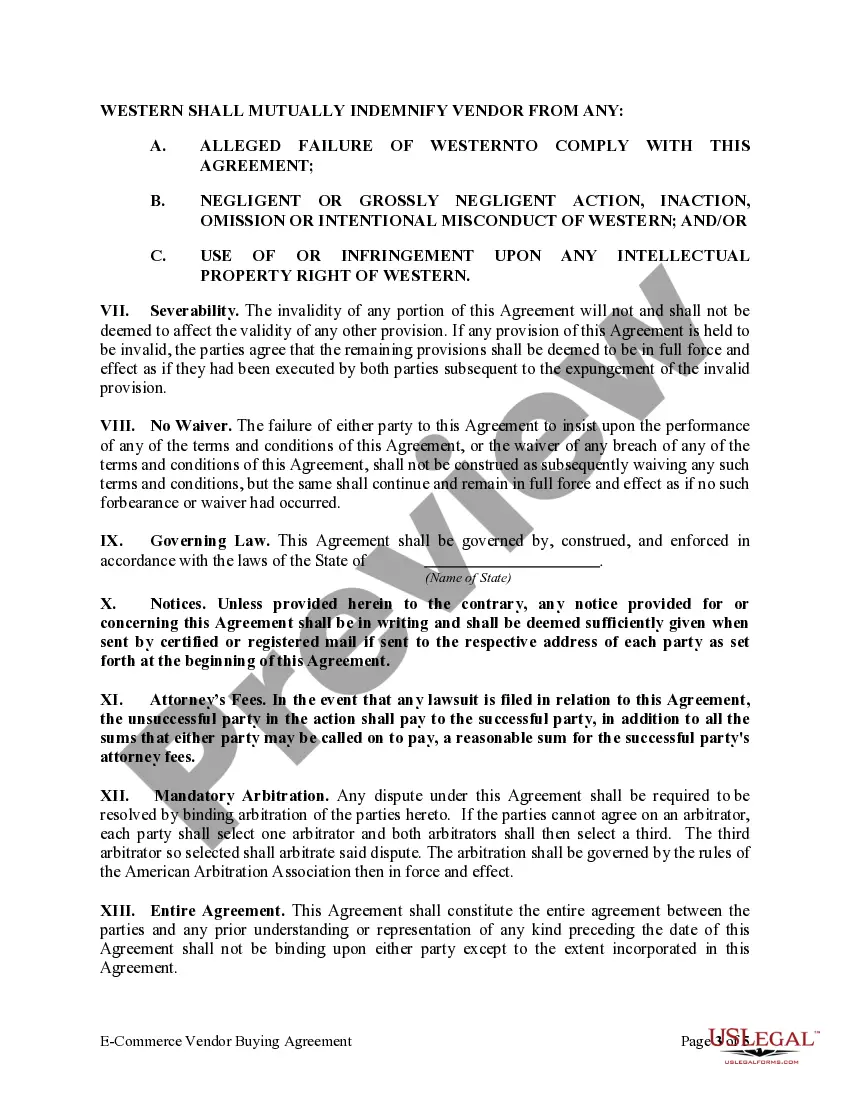
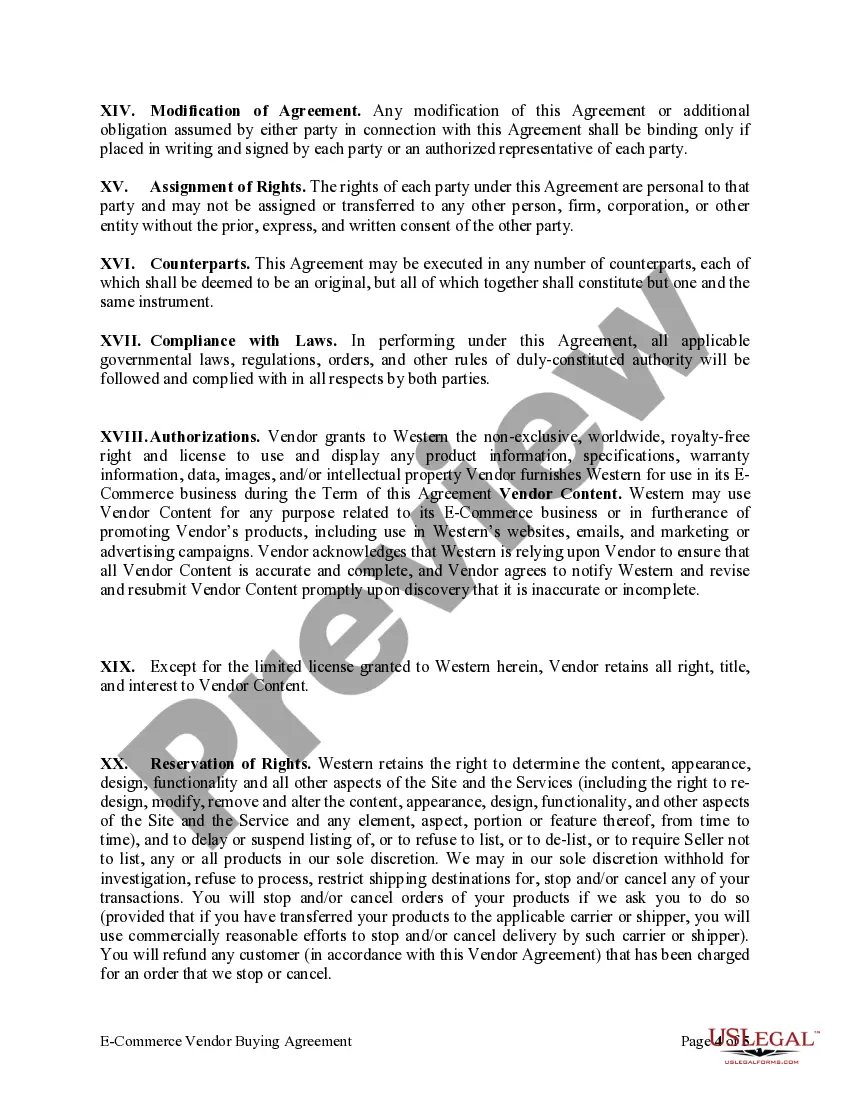

Get your form ready online
Our built-in tools help you complete, sign, share, and store your documents in one place.
Make edits, fill in missing information, and update formatting in US Legal Forms—just like you would in MS Word.
Download a copy, print it, send it by email, or mail it via USPS—whatever works best for your next step.
Sign and collect signatures with our SignNow integration. Send to multiple recipients, set reminders, and more. Go Premium to unlock E-Sign.
If this form requires notarization, complete it online through a secure video call—no need to meet a notary in person or wait for an appointment.
We protect your documents and personal data by following strict security and privacy standards.

Make edits, fill in missing information, and update formatting in US Legal Forms—just like you would in MS Word.

Download a copy, print it, send it by email, or mail it via USPS—whatever works best for your next step.

Sign and collect signatures with our SignNow integration. Send to multiple recipients, set reminders, and more. Go Premium to unlock E-Sign.

If this form requires notarization, complete it online through a secure video call—no need to meet a notary in person or wait for an appointment.

We protect your documents and personal data by following strict security and privacy standards.
Looking for another form?
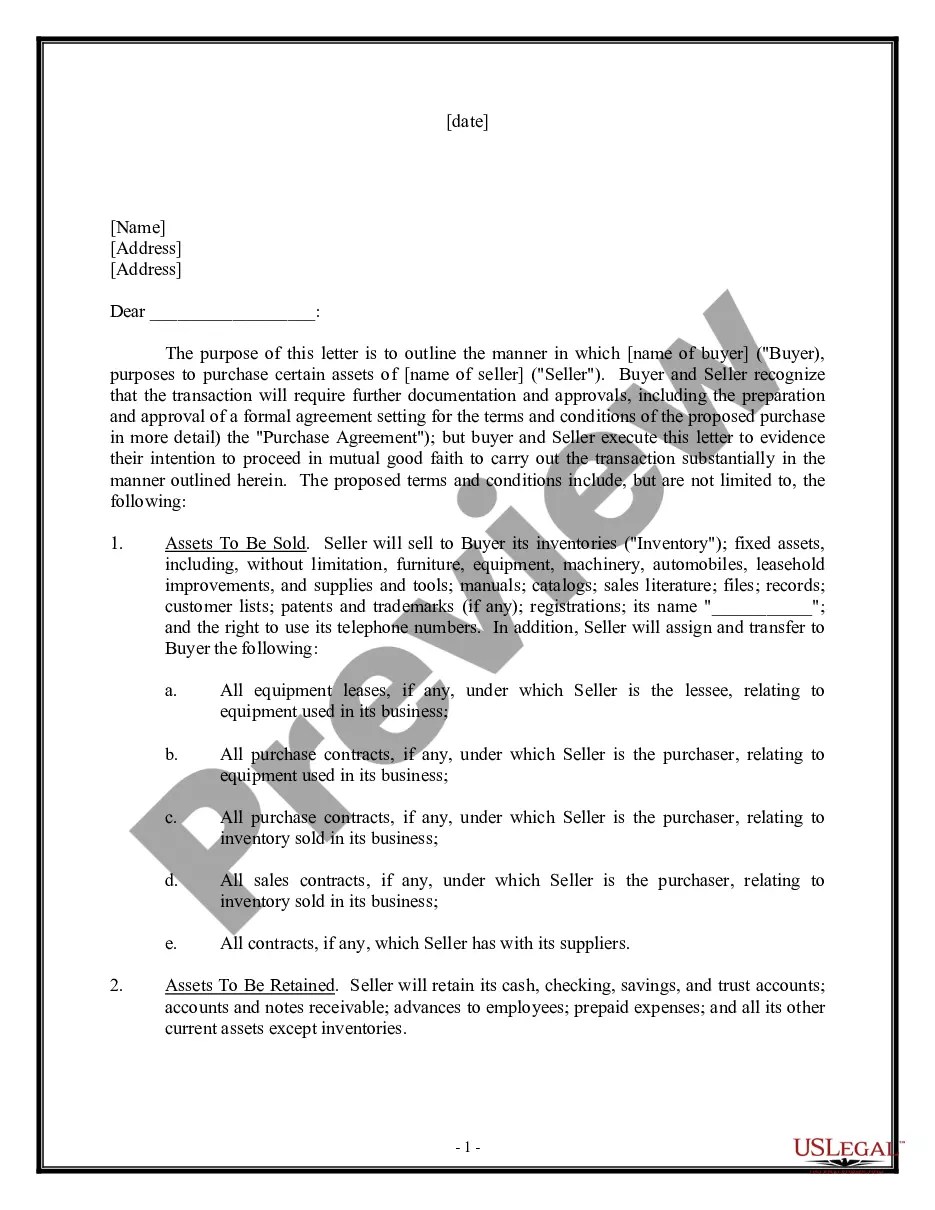
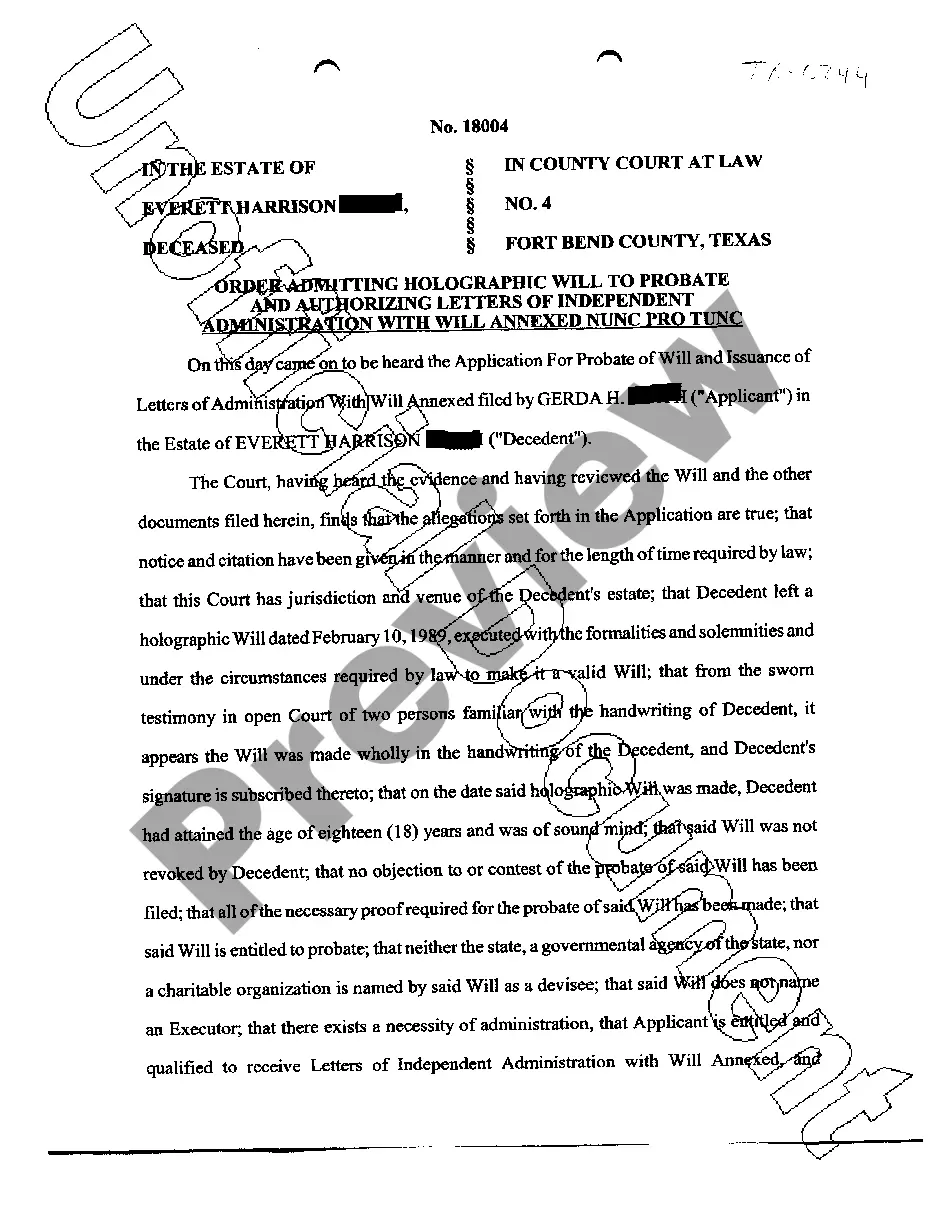








Form popularity
FAQ
A vendor contract (otherwise known as a vendor agreement) is a business contract between two parties covering the exchange of goods or services in return for compensation. Vendor contracts establish the business relationship conditions and include details on each party's obligations under the contract.
Write the contract in six steps Start with a contract template. Open with the basic information. Describe in detail what you have agreed to. Include a description of how the contract will be ended. Write into the contract which laws apply and how disputes will be resolved. Include space for signatures.
Vendors often provide additional services beyond just supplying goods, such as installation, maintenance, or customer support.
Write the contract in six steps Start with a contract template. Open with the basic information. Describe in detail what you have agreed to. Include a description of how the contract will be ended. Write into the contract which laws apply and how disputes will be resolved. Include space for signatures.
How to write a contract agreement in 7 steps. Determine the type of contract required. Confirm the necessary parties. Choose someone to draft the contract. Write the contract with the proper formatting. Review the written contract with a lawyer. Send the contract agreement for review or revisions.
Specify governing law. Identify the working relationship. Clearly define the scope of work. Specify what benefits, if any, the contractor will receive. Assign intellectual property. Include confidentiality clauses. Include a termination clause.
There are three types of SLAs used in businesses, they are: Customer-based SLA: Service-based SLA: Multi-level SLA:
A service-level agreement (SLA) is a negotiated agreement between two parties where one is the customer and the other is the actual service provider. This can be a legally binding formal or informal contract. An SLA should contain operating norms, which describe how the process is governed, managing, and controlled.
Essentially, a written sales contract is a good idea for complex transactions or high-value purchases of either products or services. It gives you and the buyer clarity and protection by laying down the terms of the transaction — and it serves as legal evidence if any disputes arise.
Acceptable Service Levels Availability – usually stated as a series of 9s (i.e., 99.99%), it's the amount of time your service is available over a time period. Check out Uptime.is to translate SLA availability percentages into seconds and minutes. Performance – usually stated as a ping response time.
