Vendor Agreement For Services In Hennepin
Description
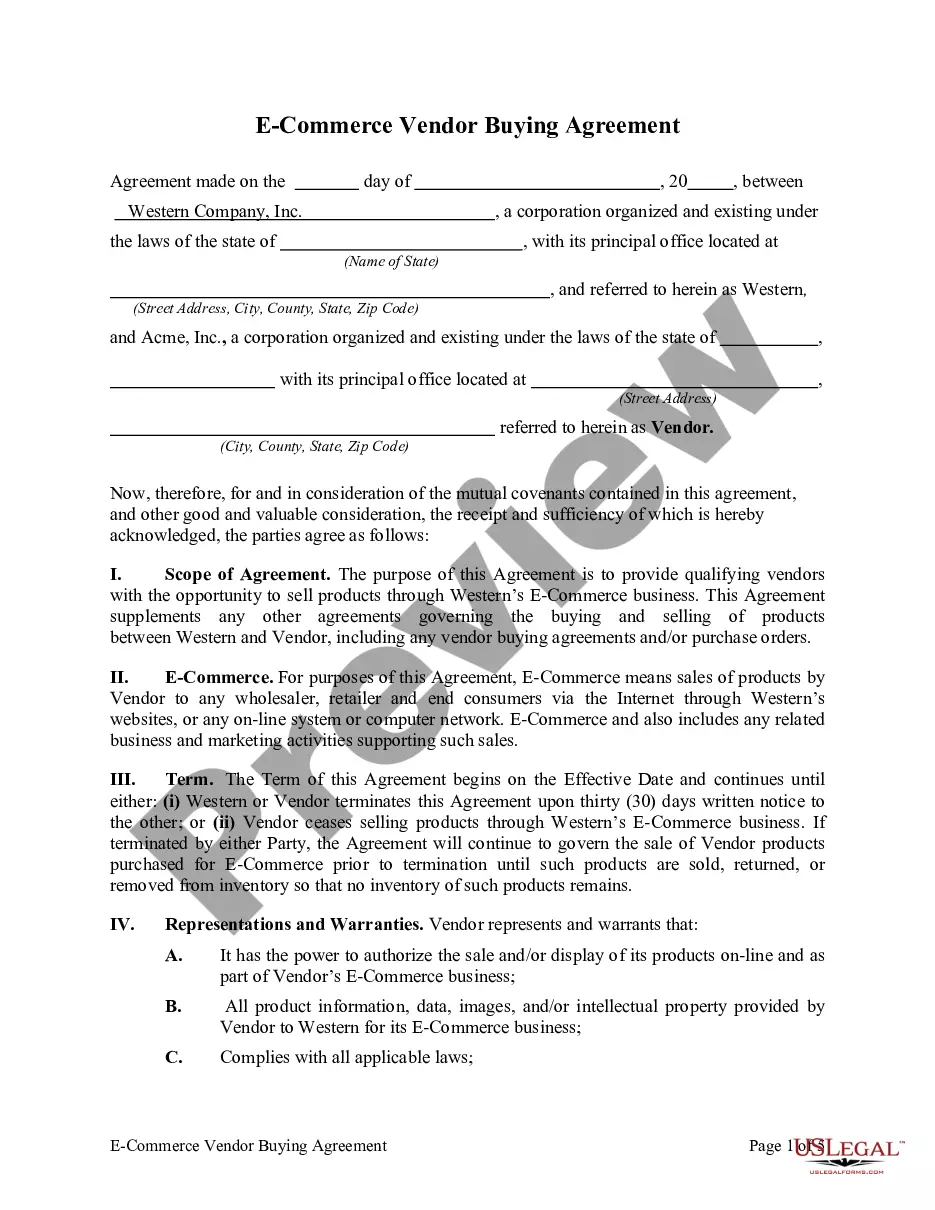
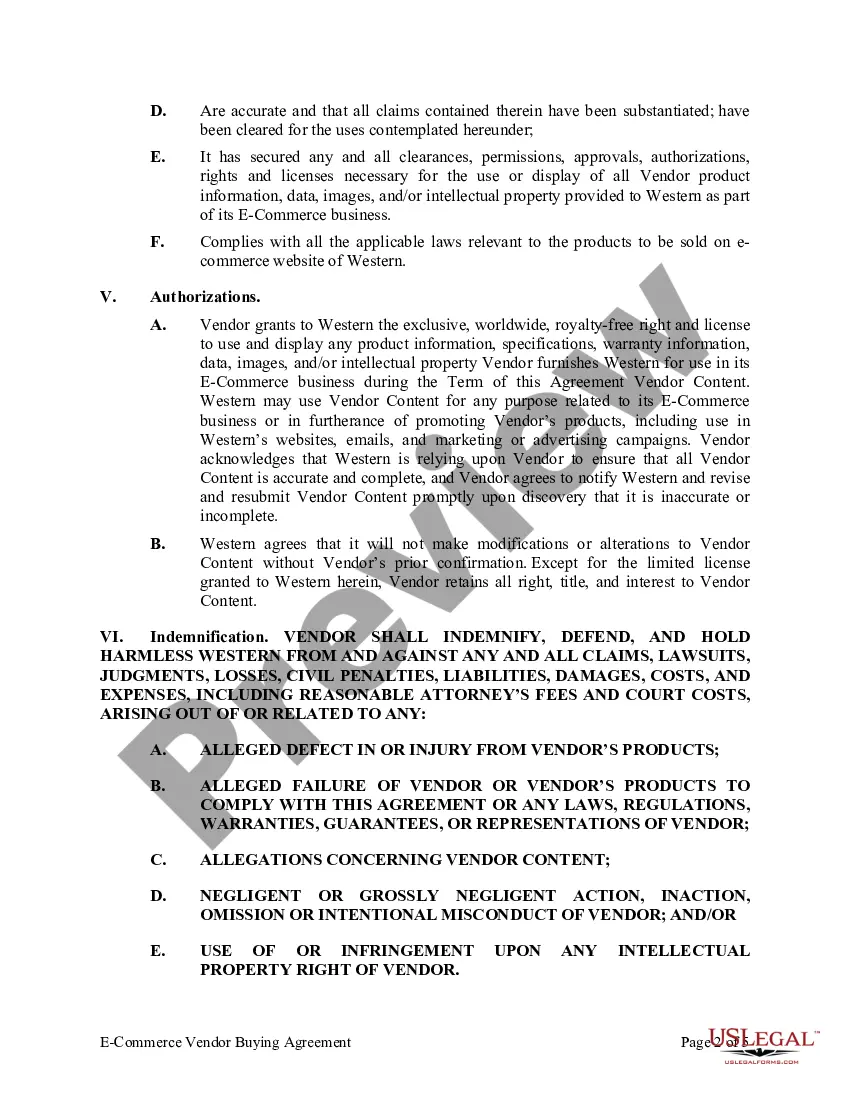
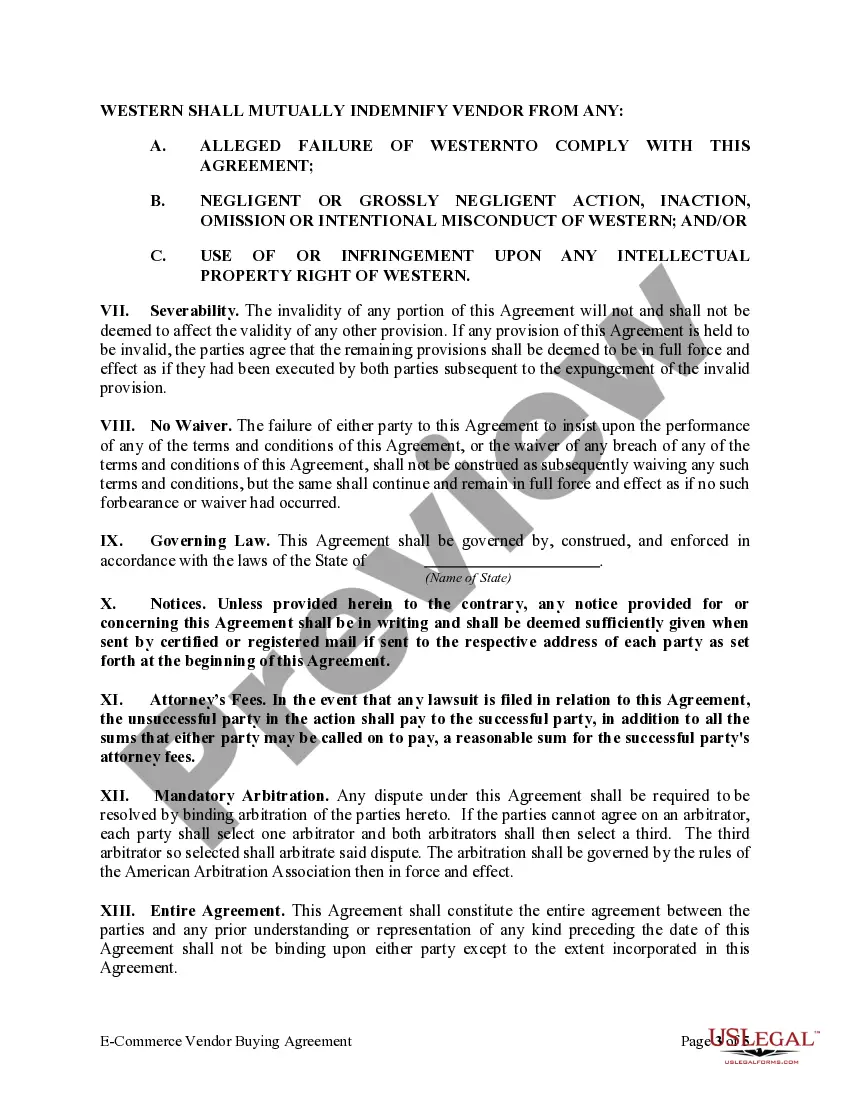
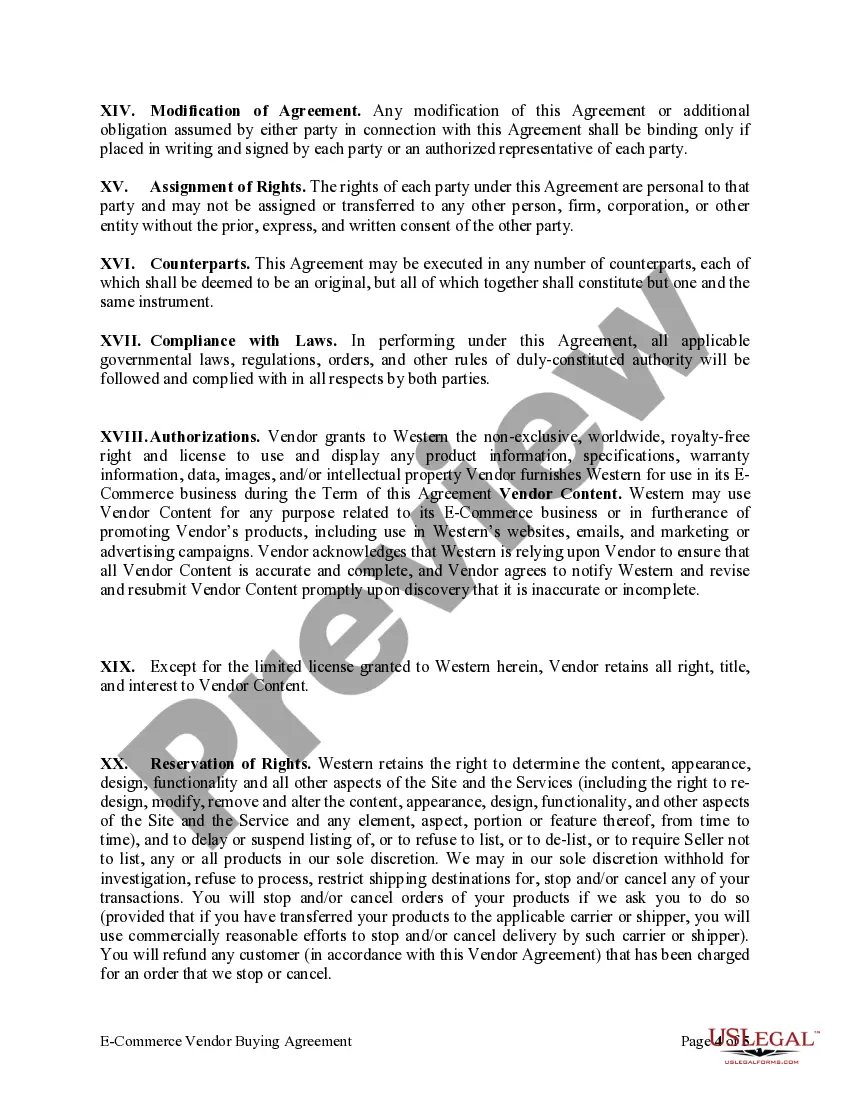
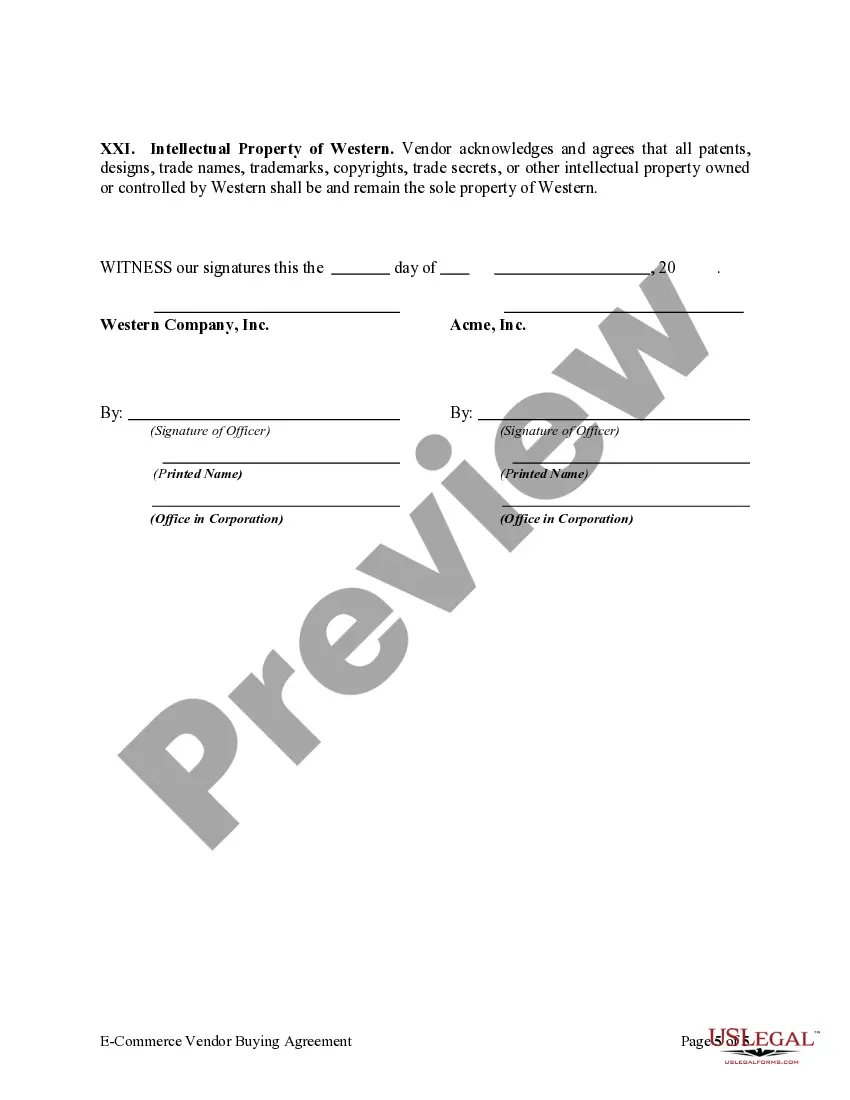
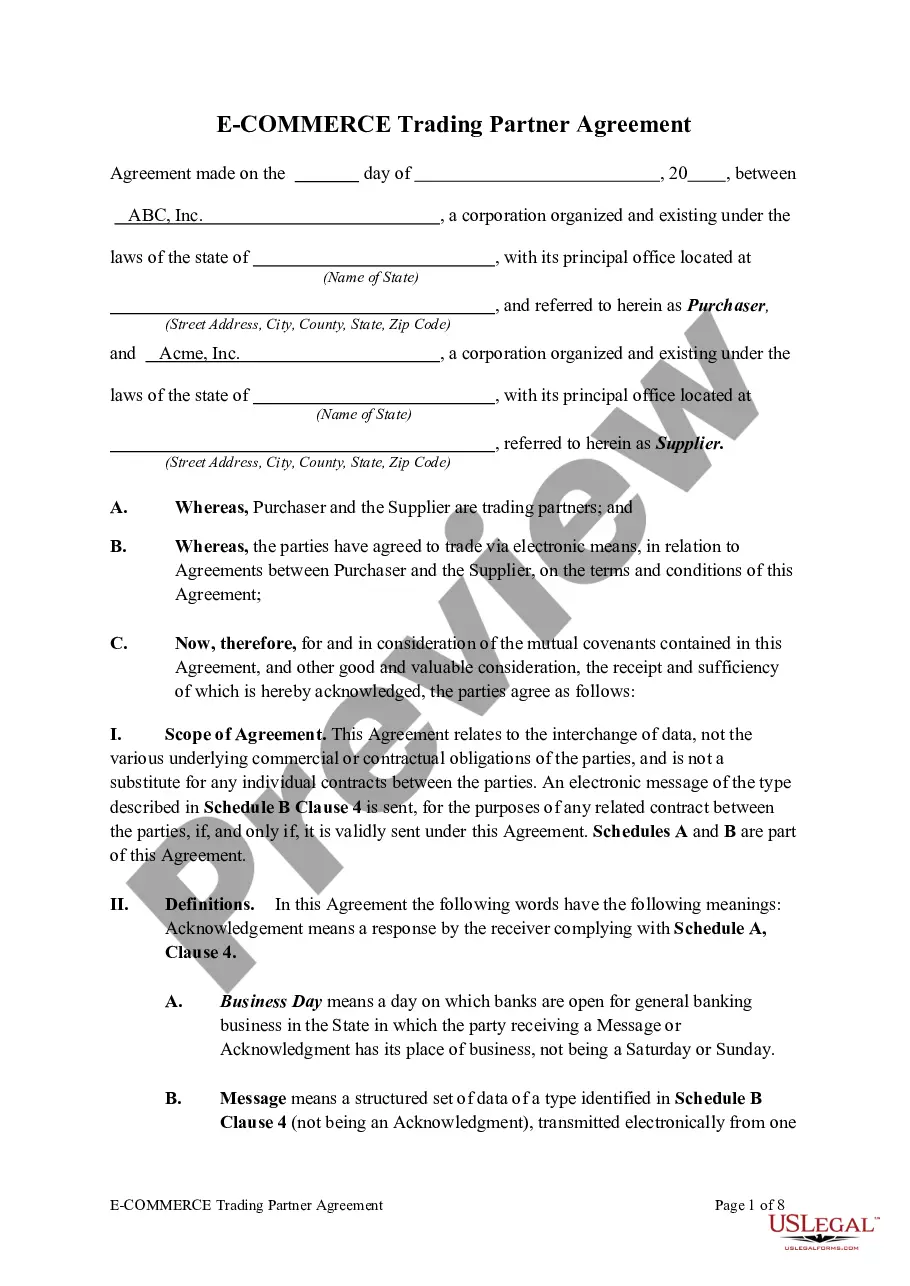
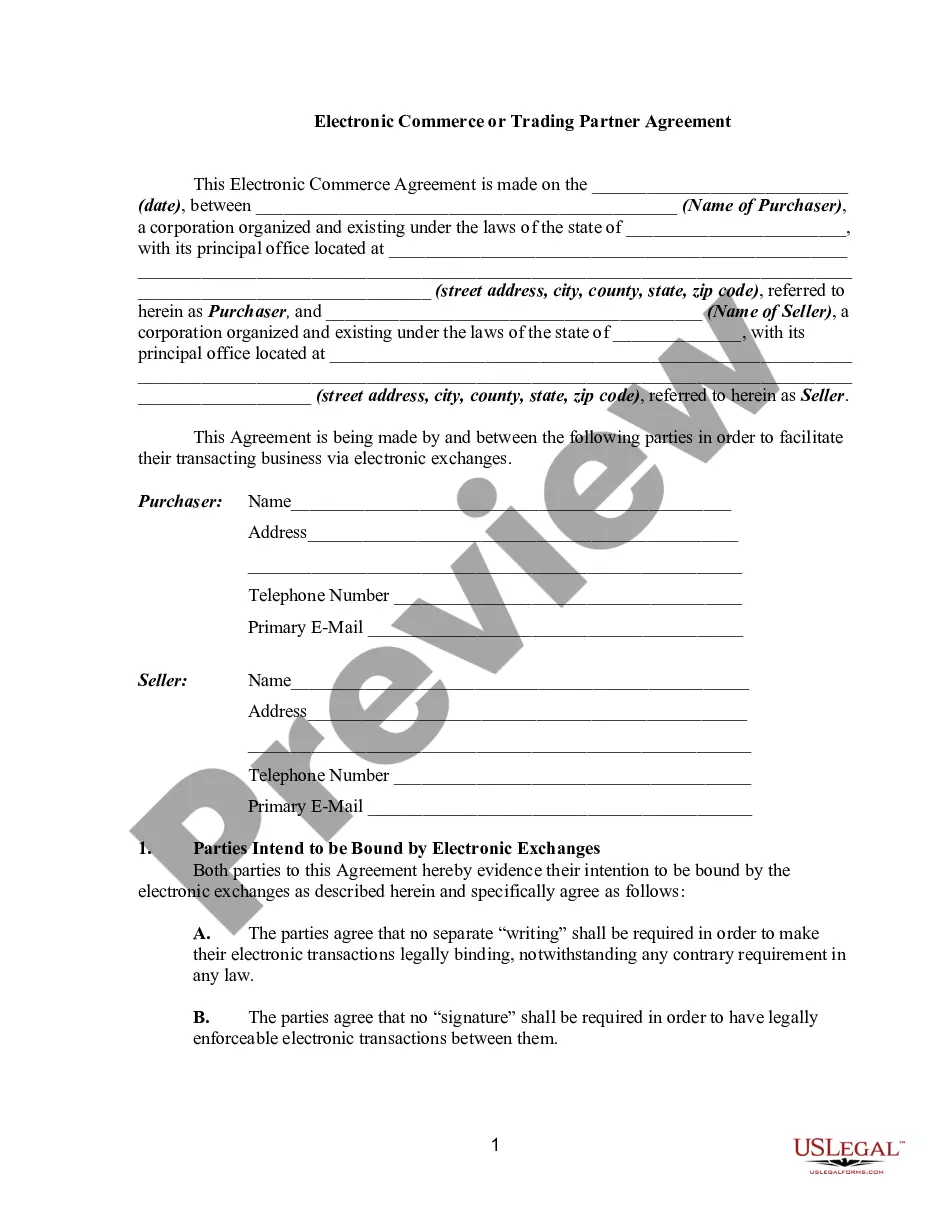
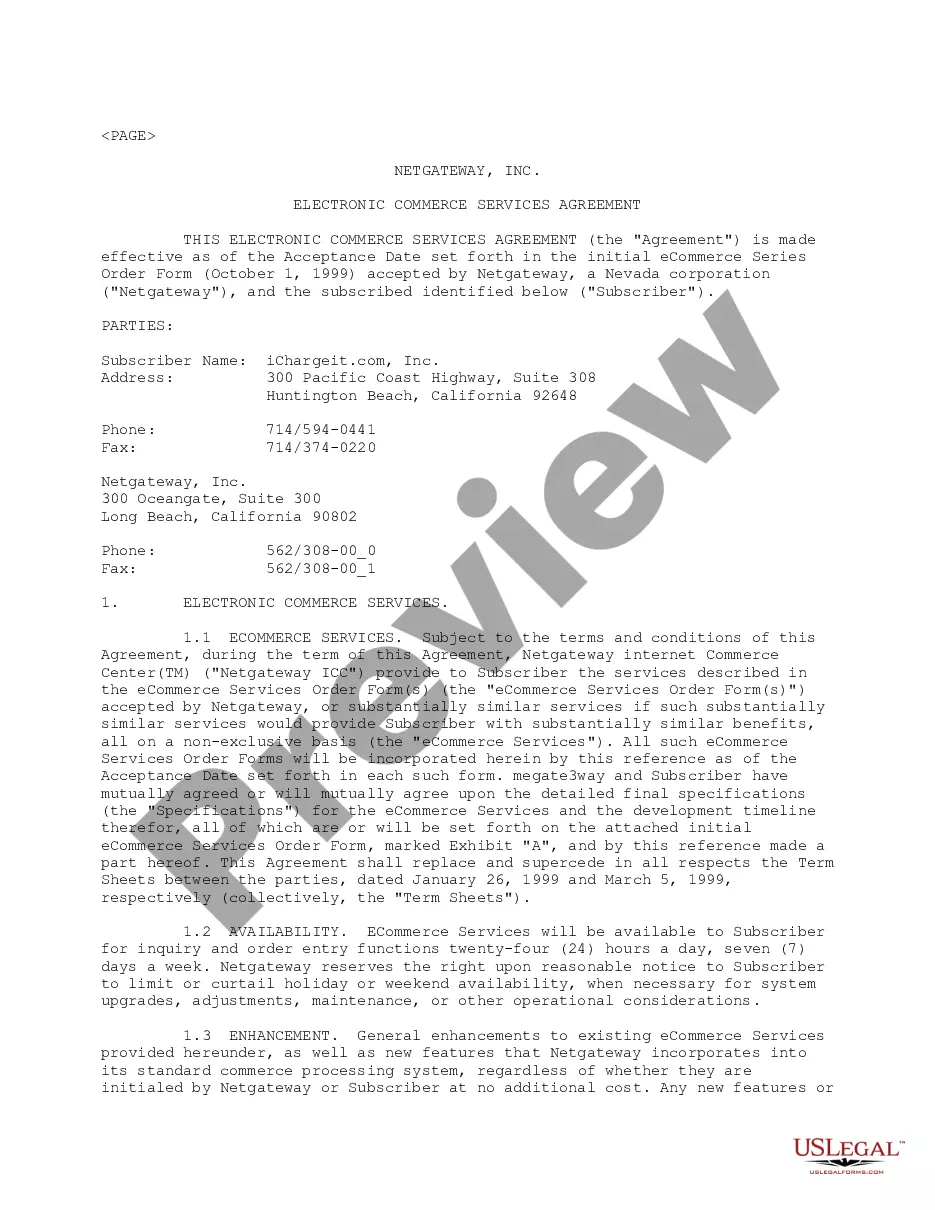
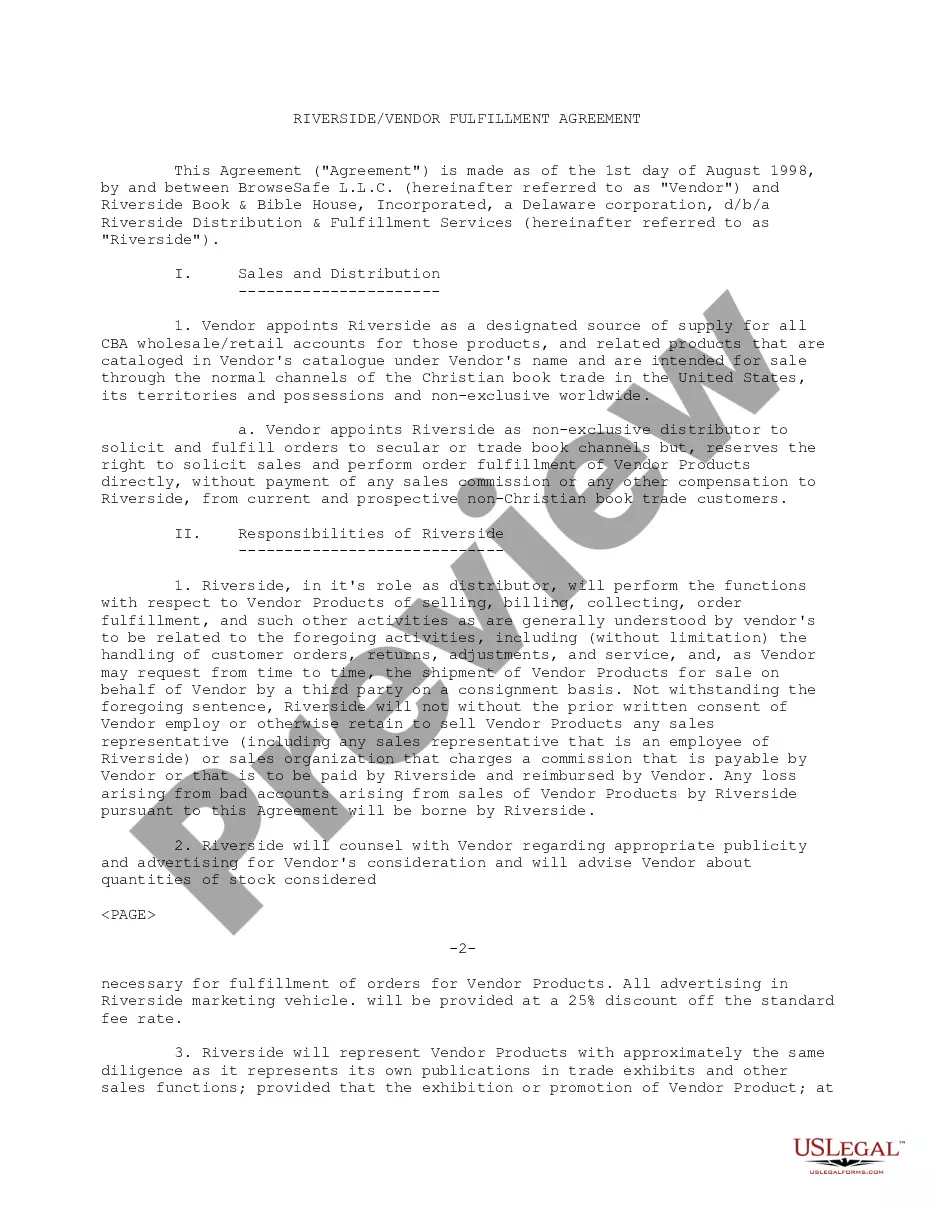
Get your form ready online
Our built-in tools help you complete, sign, share, and store your documents in one place.
Make edits, fill in missing information, and update formatting in US Legal Forms—just like you would in MS Word.
Download a copy, print it, send it by email, or mail it via USPS—whatever works best for your next step.
Sign and collect signatures with our SignNow integration. Send to multiple recipients, set reminders, and more. Go Premium to unlock E-Sign.
If this form requires notarization, complete it online through a secure video call—no need to meet a notary in person or wait for an appointment.
We protect your documents and personal data by following strict security and privacy standards.

Make edits, fill in missing information, and update formatting in US Legal Forms—just like you would in MS Word.

Download a copy, print it, send it by email, or mail it via USPS—whatever works best for your next step.

Sign and collect signatures with our SignNow integration. Send to multiple recipients, set reminders, and more. Go Premium to unlock E-Sign.

If this form requires notarization, complete it online through a secure video call—no need to meet a notary in person or wait for an appointment.

We protect your documents and personal data by following strict security and privacy standards.
Looking for another form?




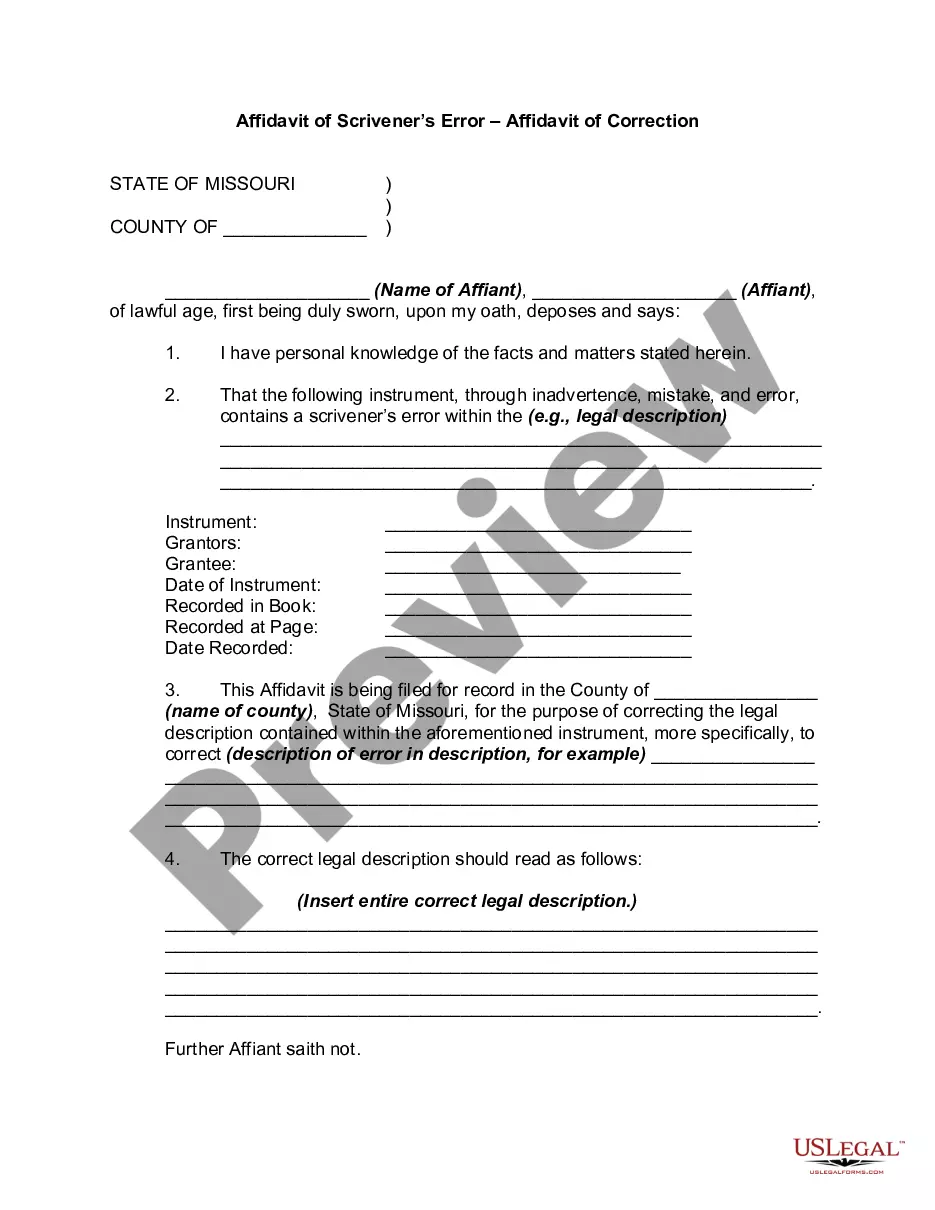


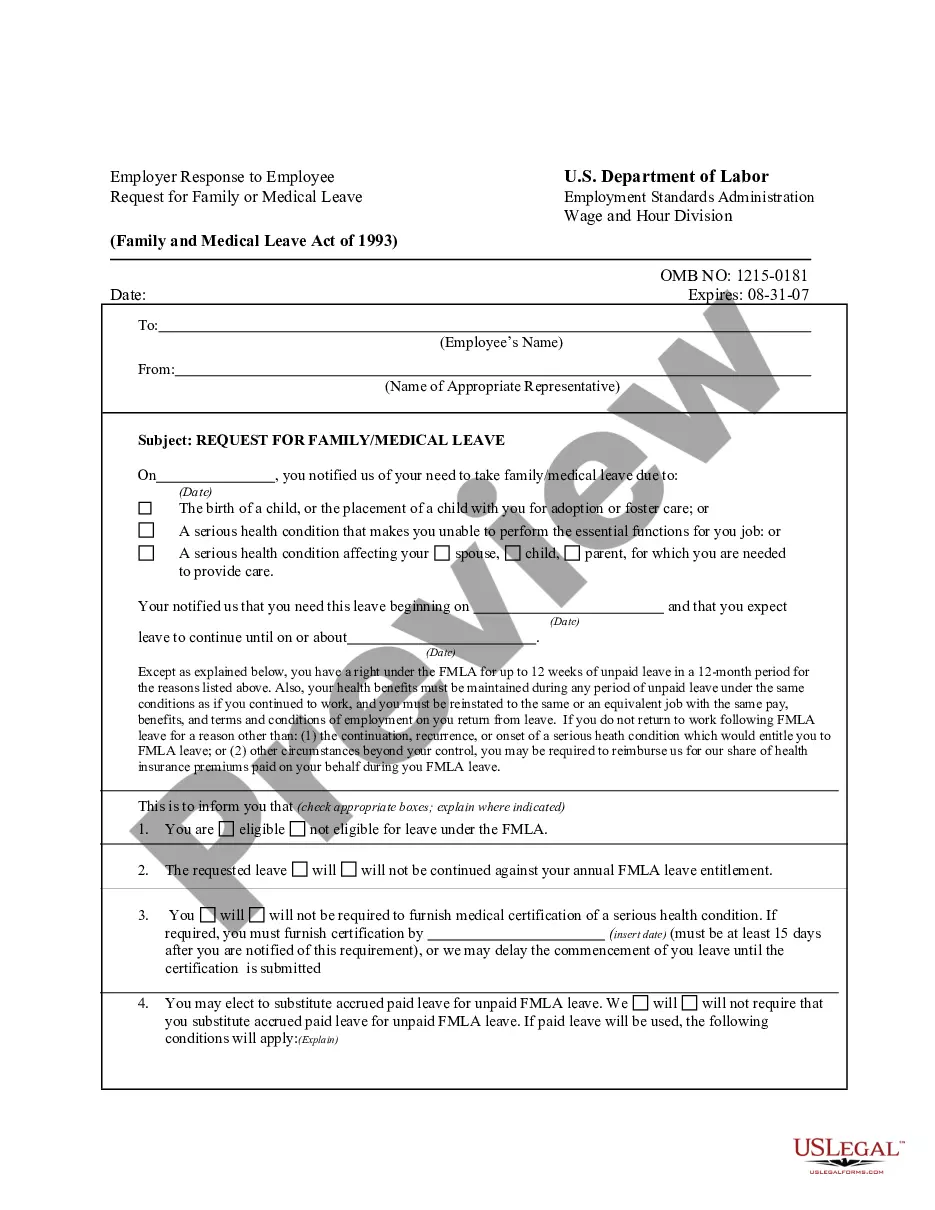

Form popularity
FAQ
A contract can cover a wide range of topics, such as the scope of work, payment terms, deliverables, and other obligations of both parties. The main difference between an SLA and a contract is that an SLA is a specific type of contract that deals with services.
What is typically included in a contract for services. Description of services. This lays out what professional services you and your company will receive. Payment terms. Ownership rights. Confidentiality clause. Indemnification clause. Amendment. Termination. Dispute resolution.
Vendor contracts help both business partners understand what the other expects to get out of their relationship. They're also a vital tool for mitigating risk in business transactions.
A service level agreement (SLA) is an outsourcing and technology vendor contract that outlines a level of service that a supplier promises to deliver to the customer. It outlines metrics such as uptime, delivery time, response time, and resolution time.
Step 1: Familiarize Yourself With the Industry. Step 2: Determine Your Business Goals. Step 3: Lay the Foundation to Become a Vendor. Step 4: Get Any Necessary Licensing or Registrations. Step 5: Market to and Network With Your Target Audience. Step 6: Negotiate Your First Sale. Step 7: Learn to Use the Vendor Portal.
Think of a vendor contract as the blueprint for your entire partnership. It outlines the scope of work, deliverables, payment terms, and legal responsibilities of both parties. It's a comprehensive document that covers everything from the specific services or products to be provided to dispute resolution mechanisms.
The SLA outlines the service level targets, how they will be measured, and what the consequences will be if the agreed-upon performance targets are not met. On the other hand, a contract can cover a wide range of topics and is not limited to services only.
