Vendor Agreement Form In Contra Costa
Description
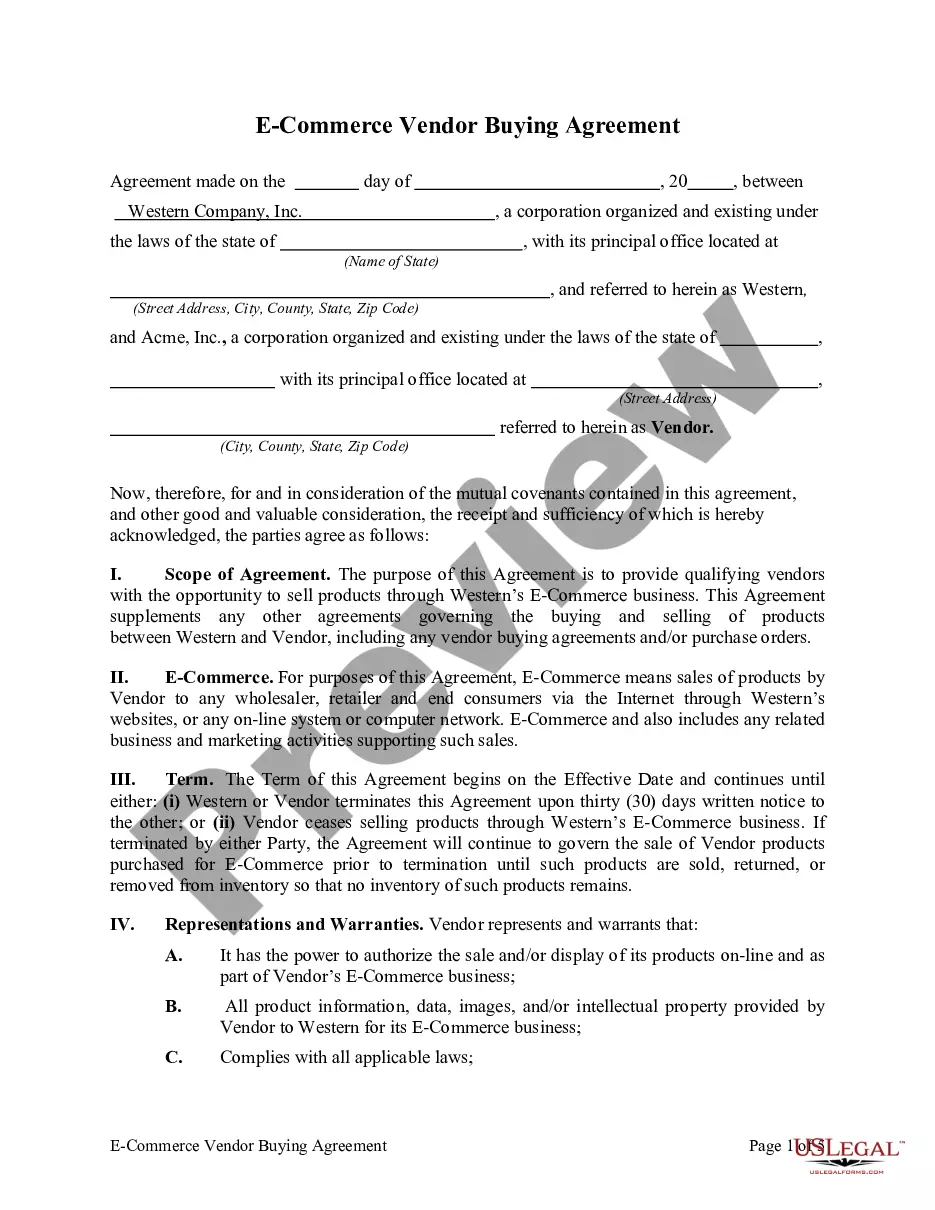
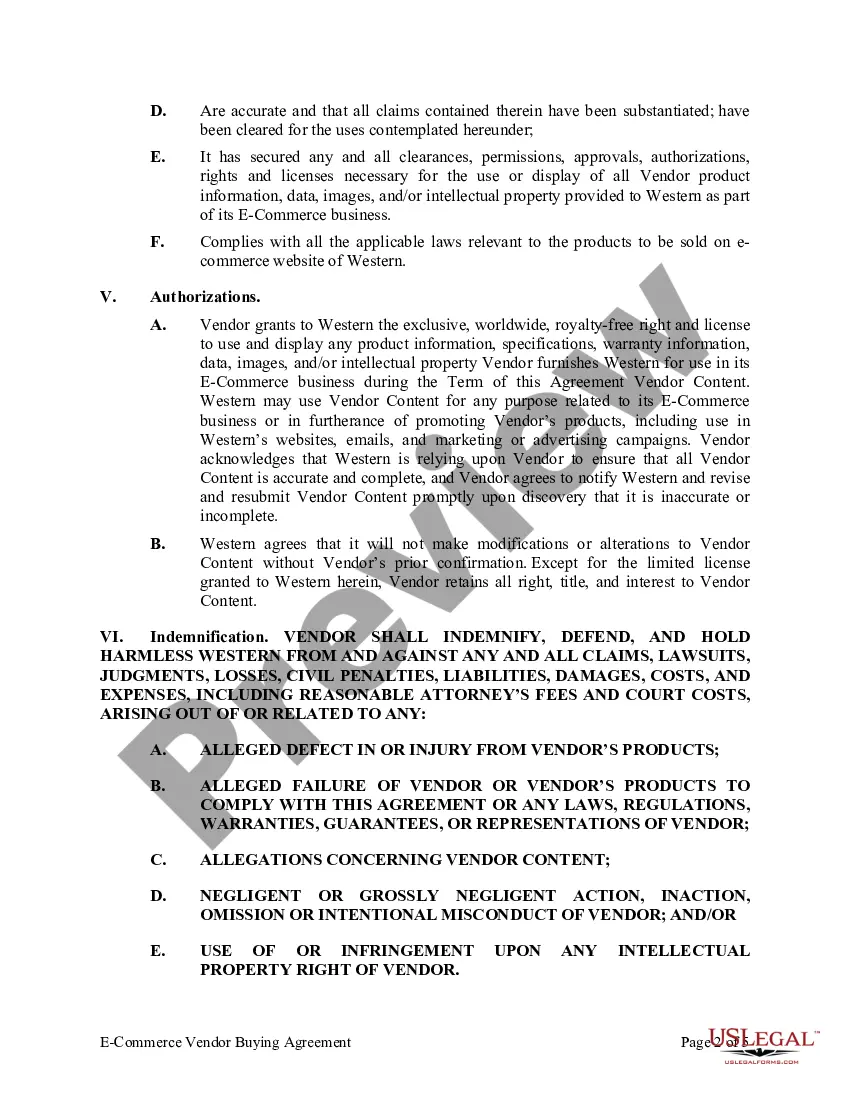
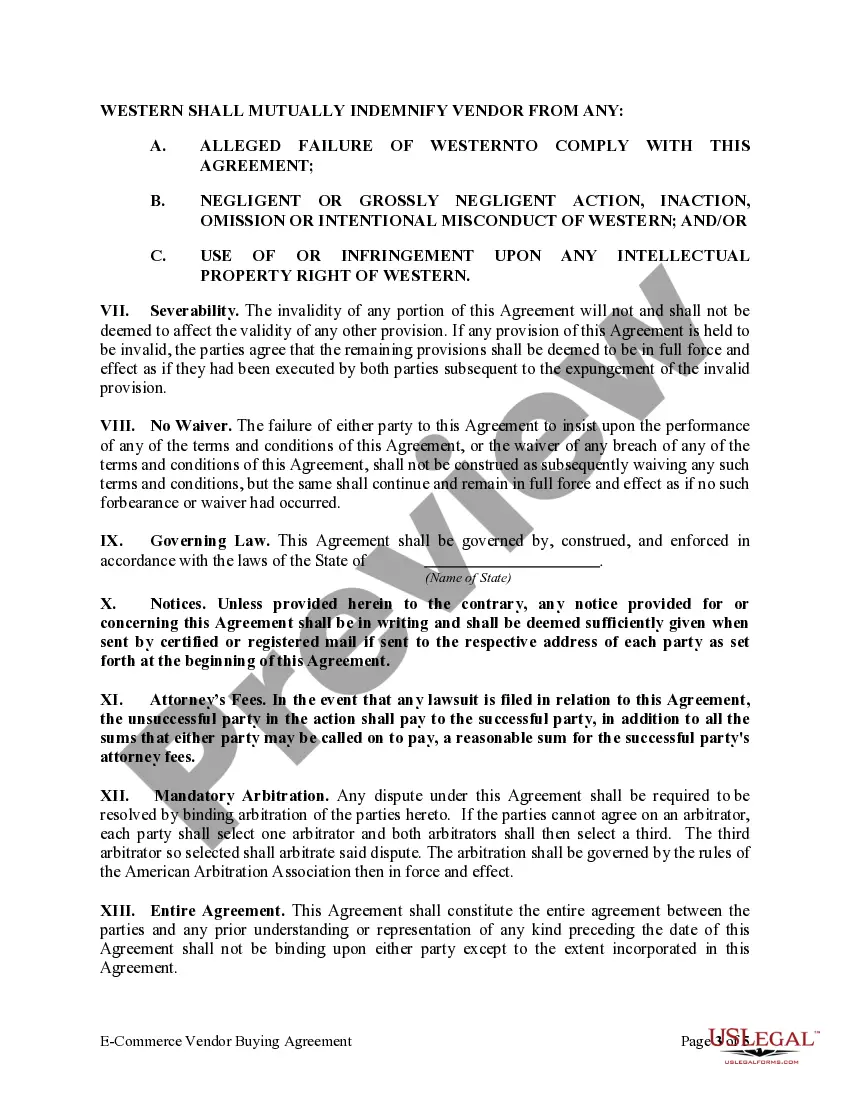
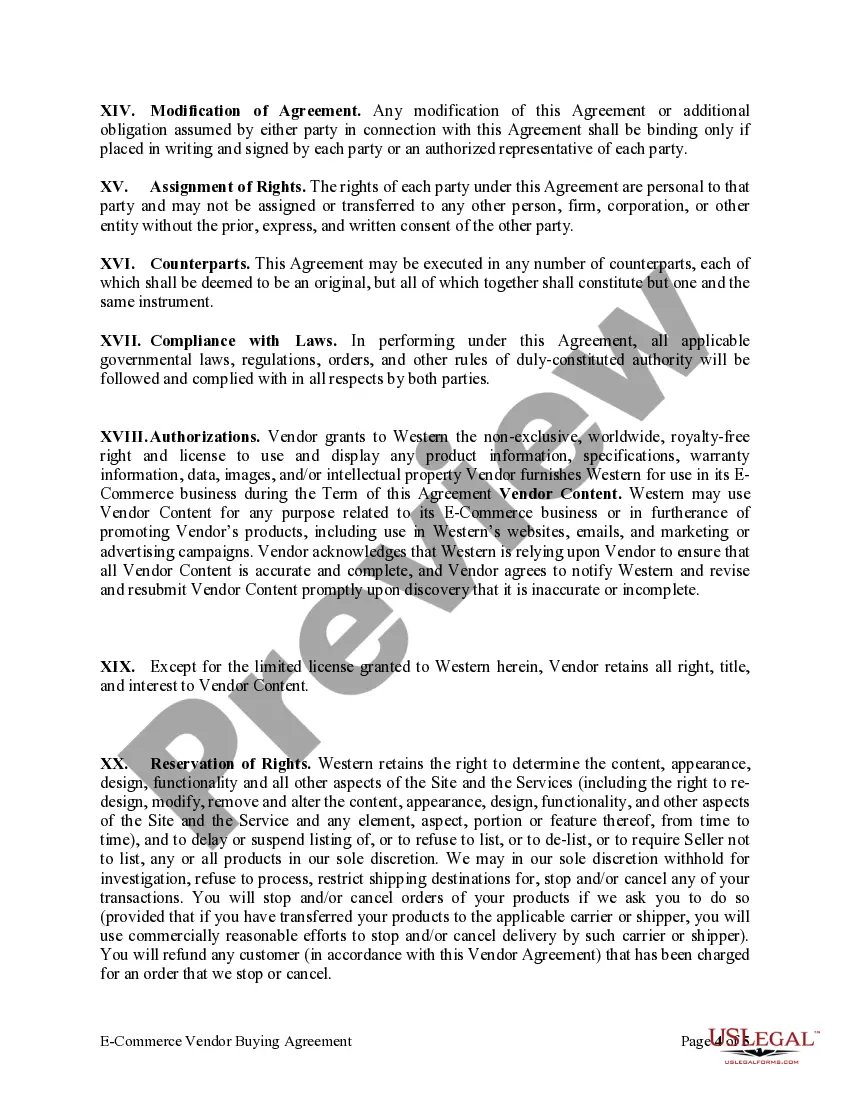

Get your form ready online
Our built-in tools help you complete, sign, share, and store your documents in one place.
Make edits, fill in missing information, and update formatting in US Legal Forms—just like you would in MS Word.
Download a copy, print it, send it by email, or mail it via USPS—whatever works best for your next step.
Sign and collect signatures with our SignNow integration. Send to multiple recipients, set reminders, and more. Go Premium to unlock E-Sign.
If this form requires notarization, complete it online through a secure video call—no need to meet a notary in person or wait for an appointment.
We protect your documents and personal data by following strict security and privacy standards.

Make edits, fill in missing information, and update formatting in US Legal Forms—just like you would in MS Word.

Download a copy, print it, send it by email, or mail it via USPS—whatever works best for your next step.

Sign and collect signatures with our SignNow integration. Send to multiple recipients, set reminders, and more. Go Premium to unlock E-Sign.

If this form requires notarization, complete it online through a secure video call—no need to meet a notary in person or wait for an appointment.

We protect your documents and personal data by following strict security and privacy standards.
Looking for another form?







Form popularity
FAQ
The County Ordinance requires that you obtain a license for conducting business within the unincorporated areas, - even if your business is located outside our limits or you have a business license from another city.
The VMO is a dedicated department that is responsible for managing vendor relationships, contracts, and performance. It acts as the central point of contact for all vendor-related activities and ensures that all vendors are managed effectively and efficiently.
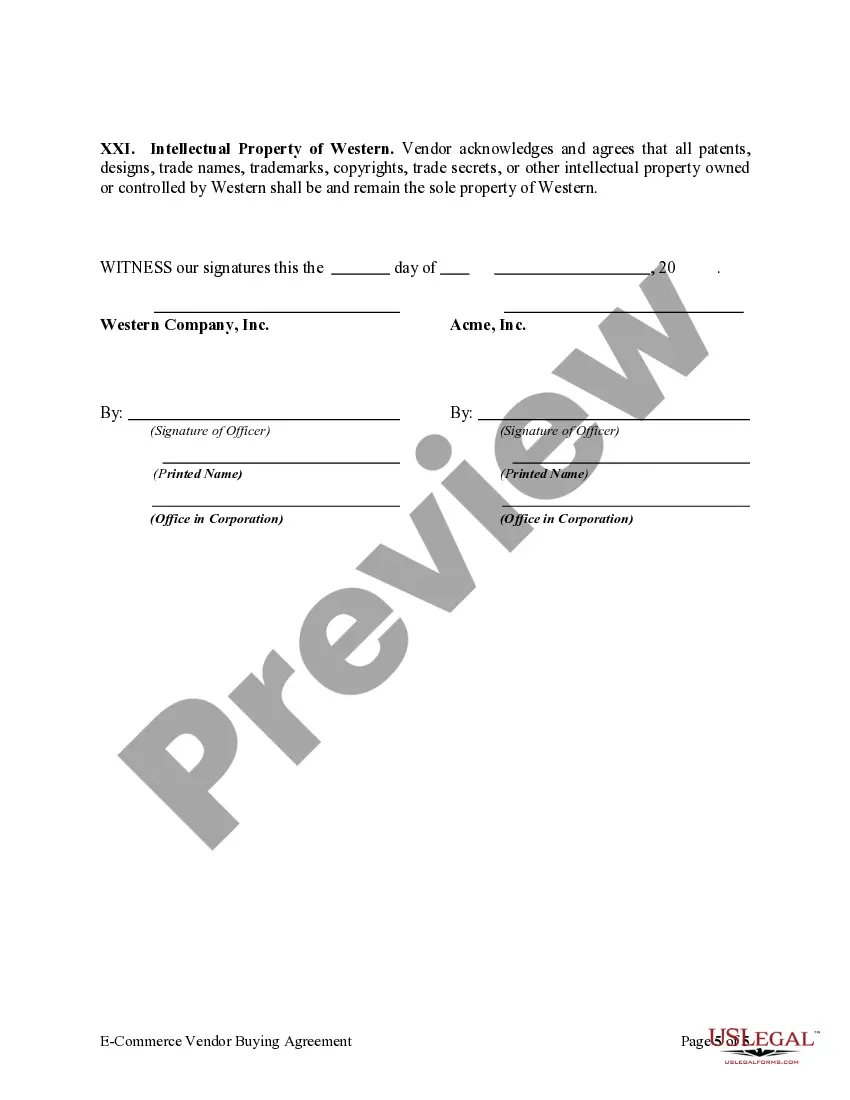
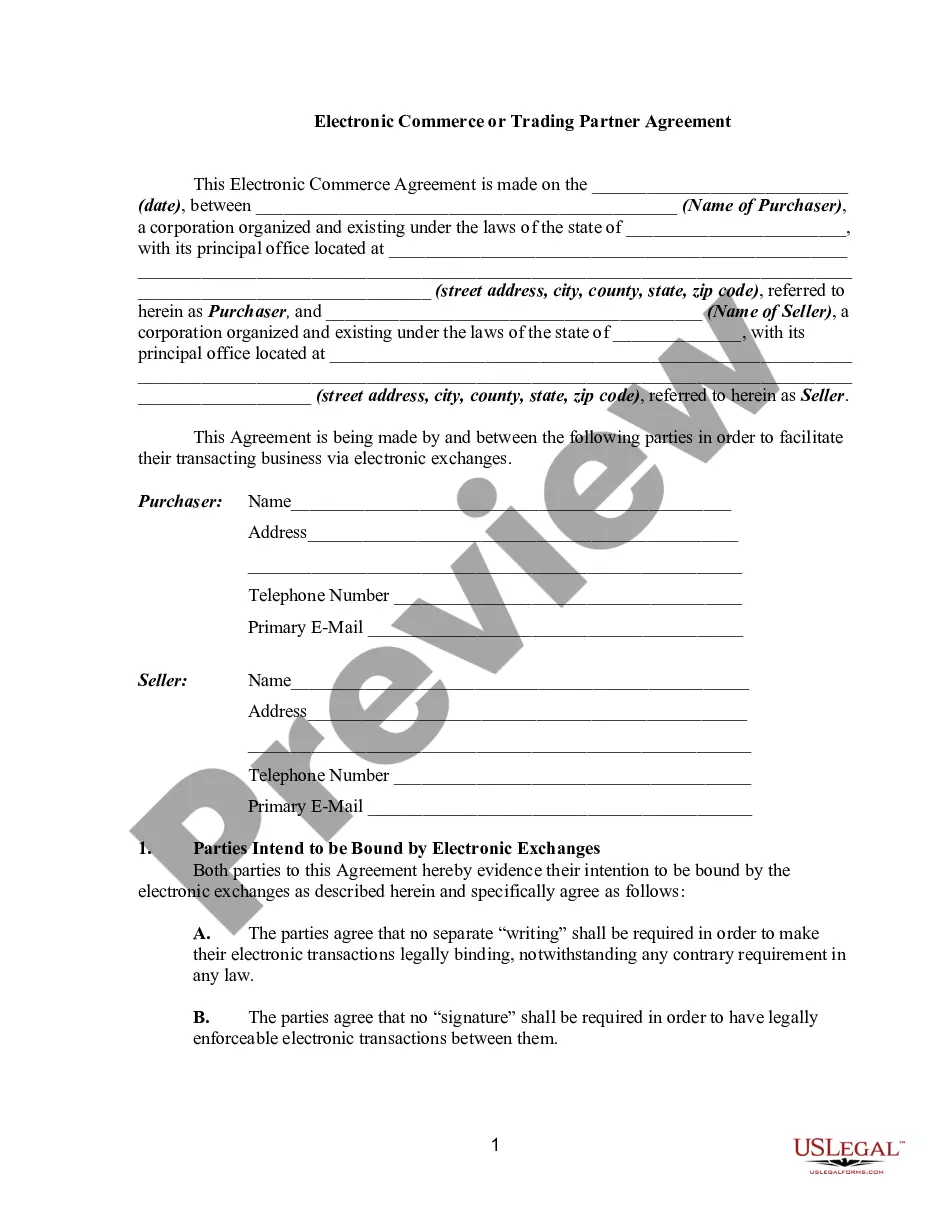
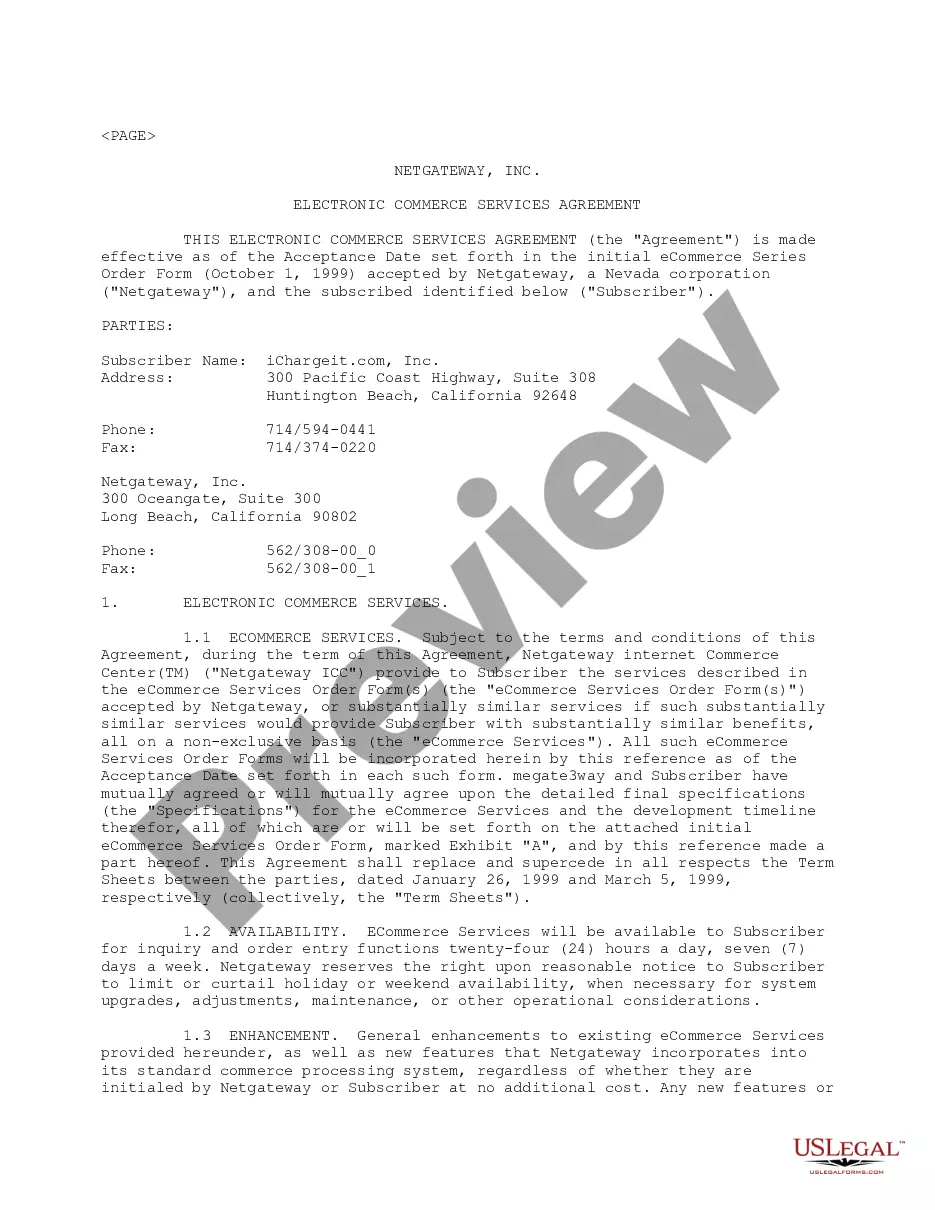
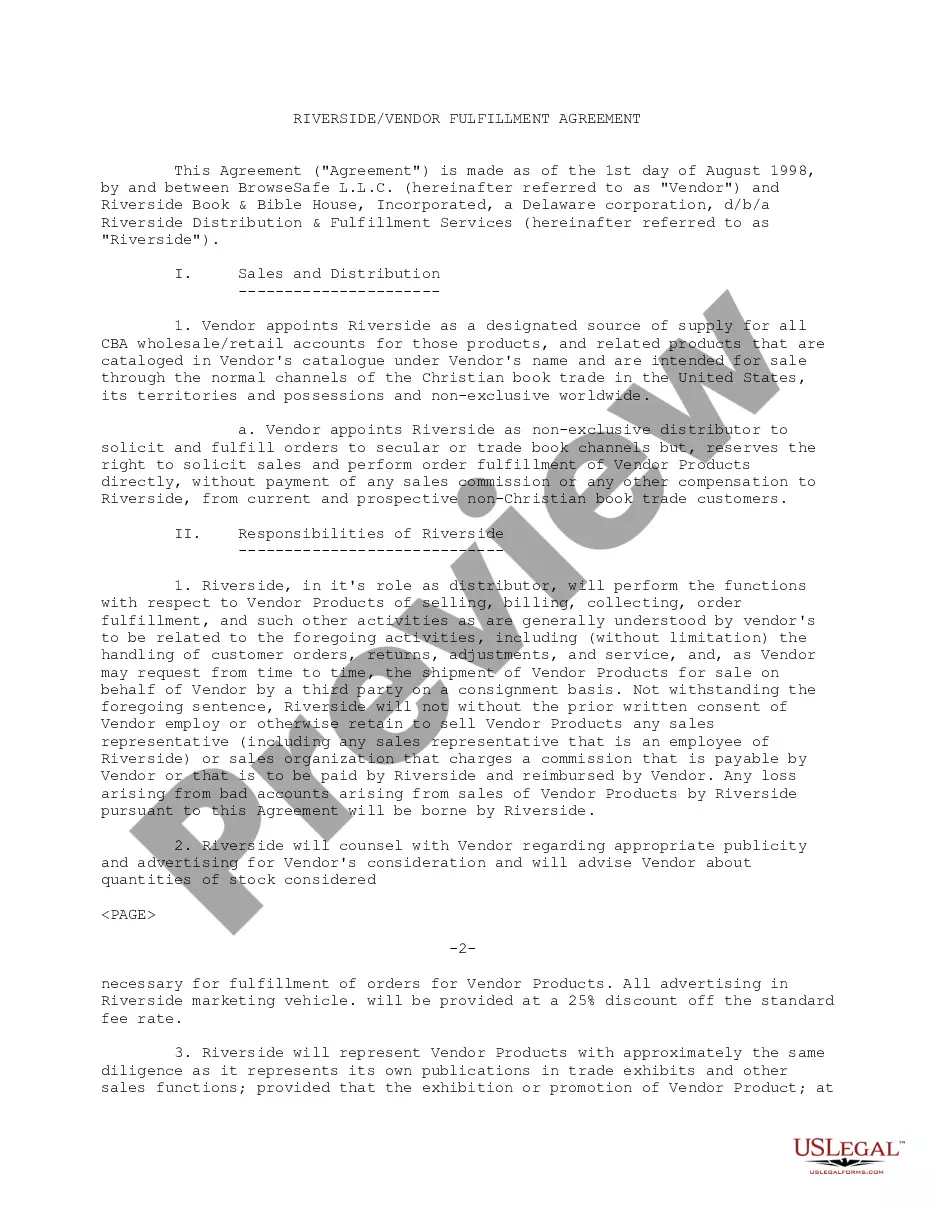
A vendor agreement is a legal document that stipulates the provisions regarding the work performed by the vendor. It is a contract that specifies the conditions regarding the performance of certain work. Vendor Agreements can be made for many purposes like office supplies, consultants, technology, services.
A vendor form is a standardized registration form that companies use to collect essential information from current or potential vendors. A vendor application form can serve as the initial step in the vendor selection process.
A vendor contract (otherwise known as a vendor agreement) is a business contract between two parties covering the exchange of goods or services in return for compensation. Vendor contracts establish the business relationship conditions and include details on each party's obligations under the contract.
Many notable figures came from the area including conservationist John Muir and legendary baseball great Joe DiMaggio. California's first doctor, John Marsh, settled in 1837 on a large land grant that is now called Marsh Creek.
The County Ordinance requires that you obtain a license for conducting business within the unincorporated areas, - even if your business is located outside our limits or you have a business license from another city.
California doesn't necessarily require all businesses (of any structure) to obtain a license. While the state doesn't issue or require a business operating license, it regulates and requires licenses or permits for some business activities.
Limited partnerships, corporations, and limited liability companies (LLCs) are all legally required to register within California. Only sole proprietorships are exempt.
